The court found the FTC failed to prove Meta holds a monopoly in social networking.
Judge Boasberg said the FTC wrongly excluded rival platforms like TikTok and YouTube from its market definition.
Meta said it would continue cooperating with US authorities as the FTC reviews its next steps.
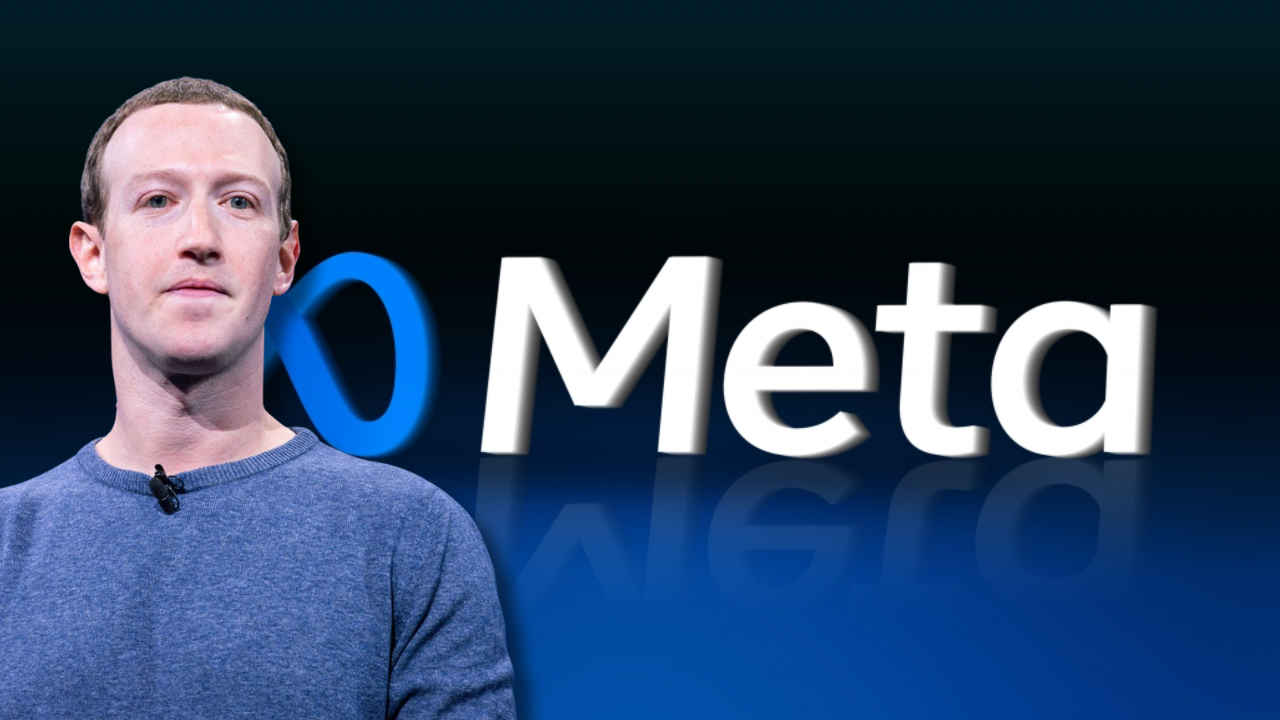
Meta has won a major legal victory in the United States after a federal judge dismissed the Federal Trade Commission’s (FTC) attempt to dissolve the company by undoing its acquisitions of Instagram and WhatsApp. In a ruling issued on Tuesday, US District Judge James Boasberg concluded that the FTC failed to establish Meta’s monopoly in the social media market.
 Survey
For the unversed, FTC stated that Meta acquired Instagram and WhatsApp in 2012 and 2014 for countering emerging competitors and asked a court order requiring Meta to divest the two platforms. FTC has previously allowed both acquisitions to proceed but later filed suit in 2020, claiming Meta, then known as Facebook, dominated the US market for personal social networking services. However, Boasberg concluded that the FTC’s market definition was too narrow.


The court also stated that FTC has incorrectly excluded many competitors like TikTok and YouTube, whose rapid growth and shifting user behaviour have completely changed the social media landscape. The evidence presented also confirmed that users frequently switch to different platforms and Meta apps, specifically during service disruptions. The judge noted that TikTok’s popularity compelled Meta to invest heavily in Reels, its short-video feature.
The FTC cited internal Meta documents, including early emails from CEO Mark Zuckerberg, which indicated that the company preferred acquisitions over direct competition. Additionally, regulators identified MeWe and Snapchat as Meta’s closest rivals for private social interactions. Meta countered that the agency ignored broader competitive pressures from a diverse ecosystem that included YouTube, Apple’s messaging platform, and TikTok.
After the ruling, Meta declared that it would keep collaborating with US officials and that its products promote economic growth and innovation. The FTC said it was reviewing potential next steps and expressed disappointment.
Meanwhile, big tech companies like Google, Apple and Amazon are also facing high profile antitrust cases from FTC. The decision on the lawsuits are yet to be announced but may take time.
 Follow Us
Ashish Singh
Ashish Singh is the Chief Copy Editor at Digit. He's been wrangling tech jargon since 2020 (Times Internet, Jagran English '22). When not policing commas, he's likely fueling his gadget habit with coffee, strategising his next virtual race, or plotting a road trip to test the latest in-car tech. He speaks fluent Geek. View Full Profile


