OpenAI's moves suggest it wants to be the “Windows” of the AI era
Custom chips and Jony Ive hardware anchor its platform ambition
OpenAI will have to be mindful of regulatory scrutiny as its AI footprint grows
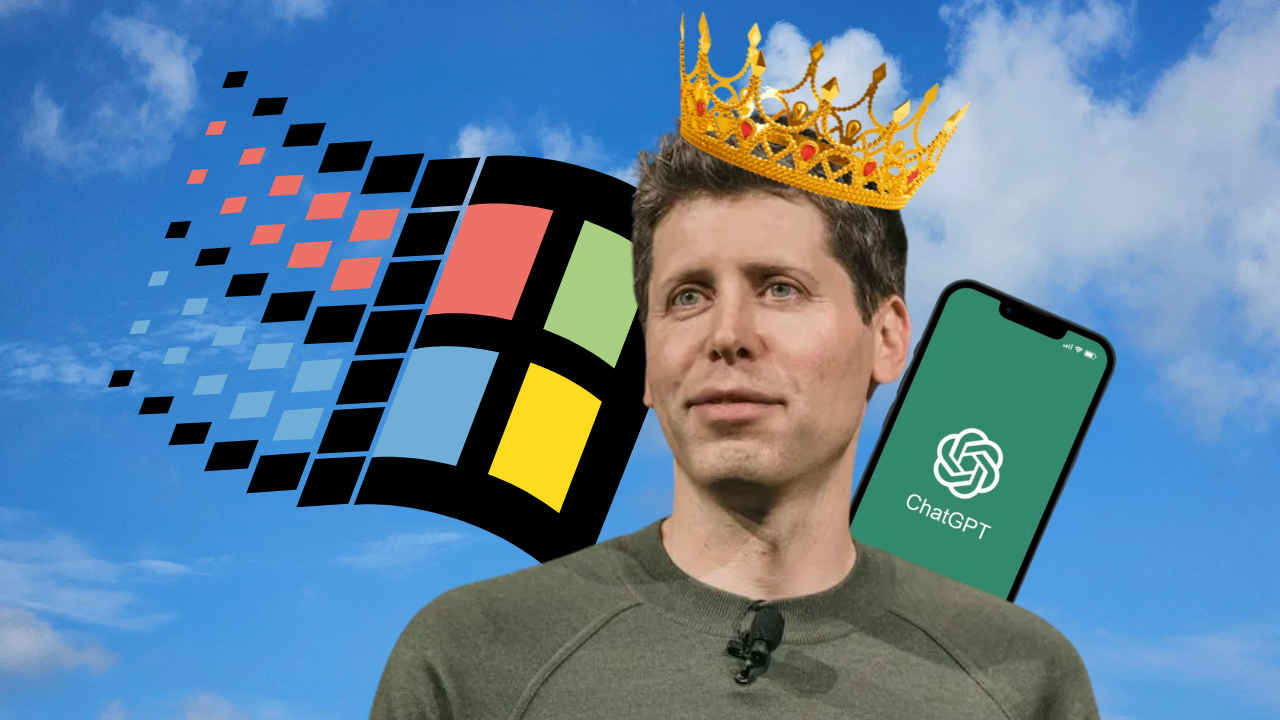
It’s hard not to feel a sense of deja vu with respect to OpenAI, its current position and future aspirations in “winning” the AI race. In the 1970s and 80s, Microsoft didn’t just make software, but it built the literal scaffolding for an entire digital era. With over 90% market share in the 1990s, and still over 70% today, in many ways Windows became and still is the operating system of choice for powering modern digital life, a quiet monopoly powering the world’s PCs.
 Survey
Half a century later, OpenAI seems intent on recreating that Windows moment with ChatGPT. Only this time around, the battleground isn’t personal computing, but artificial intelligence.


OpenAI has the early-mover advantage that every Silicon Valley founder dreams of. ChatGPT isn’t just a product, it’s become a daily digital habit. Millions of users now start their day inside an OpenAI interface, asking questions, drafting emails, or coding prototypes. That kind of ubiquity – combined with billions in backing from SoftBank and a deep-pocketed Microsoft – isn’t trivial.
Also read: Microsoft says no to AI sexbots, as rift widens with Sam Altman’s OpenAI
But it’s not yet destiny towards total domination either. Not until OpenAI controls the full value chain – the chips, the servers, the models, and perhaps most crucially, the hardware in your hand.
OpenAI echoes Microsoft’s path to platform dominance
OpenAI’s recent partnerships with AMD and Broadcom signal a familiar pattern, where the ChatGPT maker is hedging against dependence on NVIDIA while laying groundwork for custom AI accelerators. It’s a move straight out of the old Microsoft playbook – diversify suppliers, optimize for your own software, and keep control of the core platform. The rumoured Jony Ive-designed device only makes the parallel sharper. If that product lands – a sleek, consumer-facing AI machine that fuses utility with desirability – it could become OpenAI’s iPhone moment. Until then, the company’s empire remains virtual, not physical.
For now, OpenAI’s front door is software. On that front, the ChatGPT interface isn’t just an app anymore, it’s already looking like a proto–operating system for AI. Because it’s complete with its own ecosystem of third-party plugins and “apps inside apps.” Developers build for it, users live in it, and data flows through it. That gravitational pull – once entrenched – can be harder to escape. Just like Microsoft Windows was for desktop OS in the ’90s.
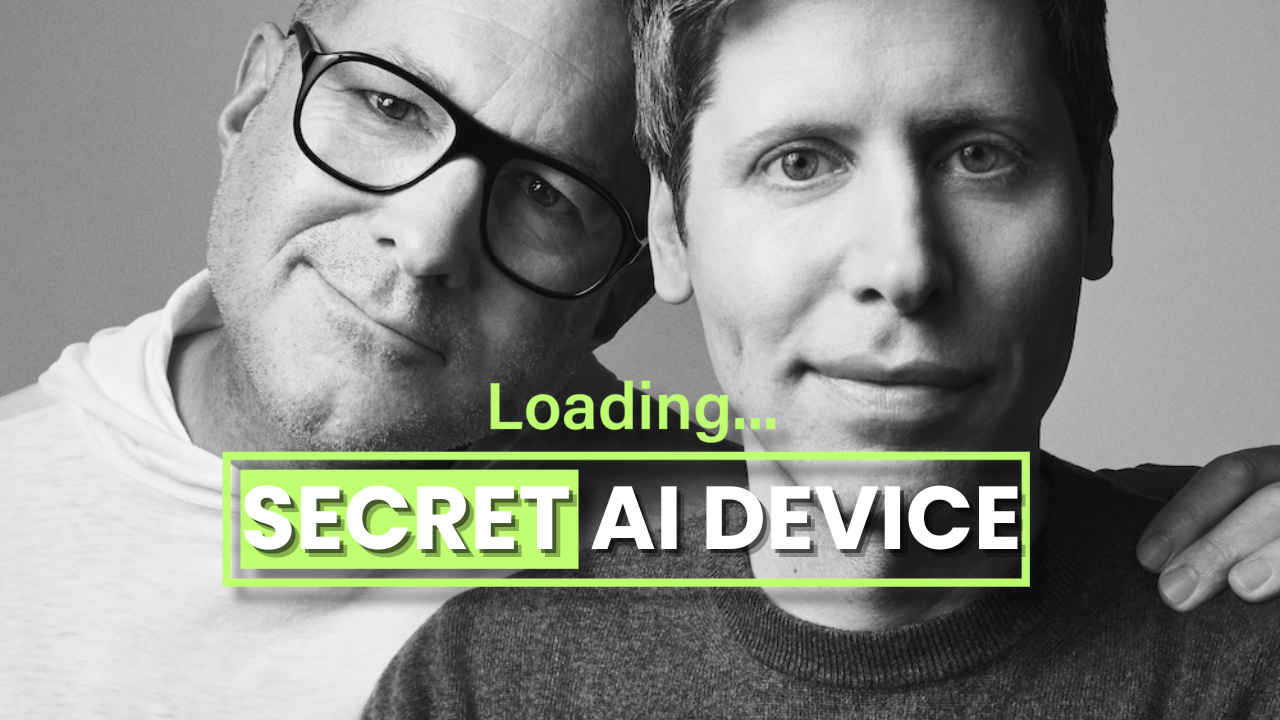
Also read: OpenAI device missing: Inventing the future’s hard, even for Sam Altman-Jony Ive
But OpenAI’s missing piece is the endpoint. In the PC wars, Microsoft owned the OS but relied on OEMs to ship it. Apple took the opposite approach, building the whole experience end to end. OpenAI seems to be chasing a hybrid of the two – a tightly integrated system where custom silicon, software models, and a signature hardware device align. The Broadcom and AMD deals suggest the ChatGPT maker is building the framework for precisely that. And when your product literally learns from usage, every device sold deepens your defensive moat.
If the Ive-designed device succeeds – a personal AI terminal, a wearable, or something entirely new – it could mark the beginning of an “OpenAI inside” era. A hardware form factor that blurs the line between assistant, operating system, and identity. That’s when the real platform lock-in begins.
With great ambition comes regulatory risk
For me, OpenAI’s comparison with Microsoft isn’t just flattering. It’s foreboding as well. Every platform that achieved dominance eventually drew regulators to its door. Antitrust scrutiny of OpenAI may still be a far cry for now, but it will come in the blink of an eye at the first signs of overwhelming market dominance. The US Federal Trade Commission is already probing big-tech AI partnerships, ditto the EU’s Digital Markets Act, which all but guarantees oversight of “gatekeeper” firms. The moment OpenAI controls both hardware and AI access, it enters that jurisdictional crosshair.
Ironically, the very scale that gives OpenAI its power could become its Achilles’ heel. Unlike the PC era, today’s AI ecosystem is fragmented – open-source models, rival platforms from Anthropic and Google, and regional alternatives in China and India all dilute the monopoly impulse. But network effects compound fast. Once users, developers, and institutions converge around a single ecosystem, the feedback loop which once rewarded can also be awfully brutal.

The next two years are likely going to be OpenAI’s proving ground, where the company must balance three fronts simultaneously. Scaling infrastructure beyond NVIDIA’s orbit, launching hardware that captures imagination, and deepening its developer ecosystem before competitors catch up. By end of 2027, if those bets align, OpenAI could be the “Windows of the AI age” – a universal interface mediating how humans and machines interact.
But history carries a warning label. Microsoft’s triumph birthed decades of regulation and resentment. If OpenAI achieves similar dominance, the same story will repeat – only faster, and with far greater stakes. The question isn’t whether OpenAI can own the AI era. It’s whether the world will let it.
Also read: Sam Altman on AI morality, ethics and finding God in ChatGPT
 Follow Us
Jayesh Shinde
Executive Editor at Digit. Technology journalist since Jan 2008, with stints at Indiatimes.com and PCWorld.in. Enthusiastic dad, reluctant traveler, weekend gamer, LOTR nerd, pseudo bon vivant. View Full Profile


