
AMD Ryzen 7 9850X3D Desktop Processor Review
 Follow Us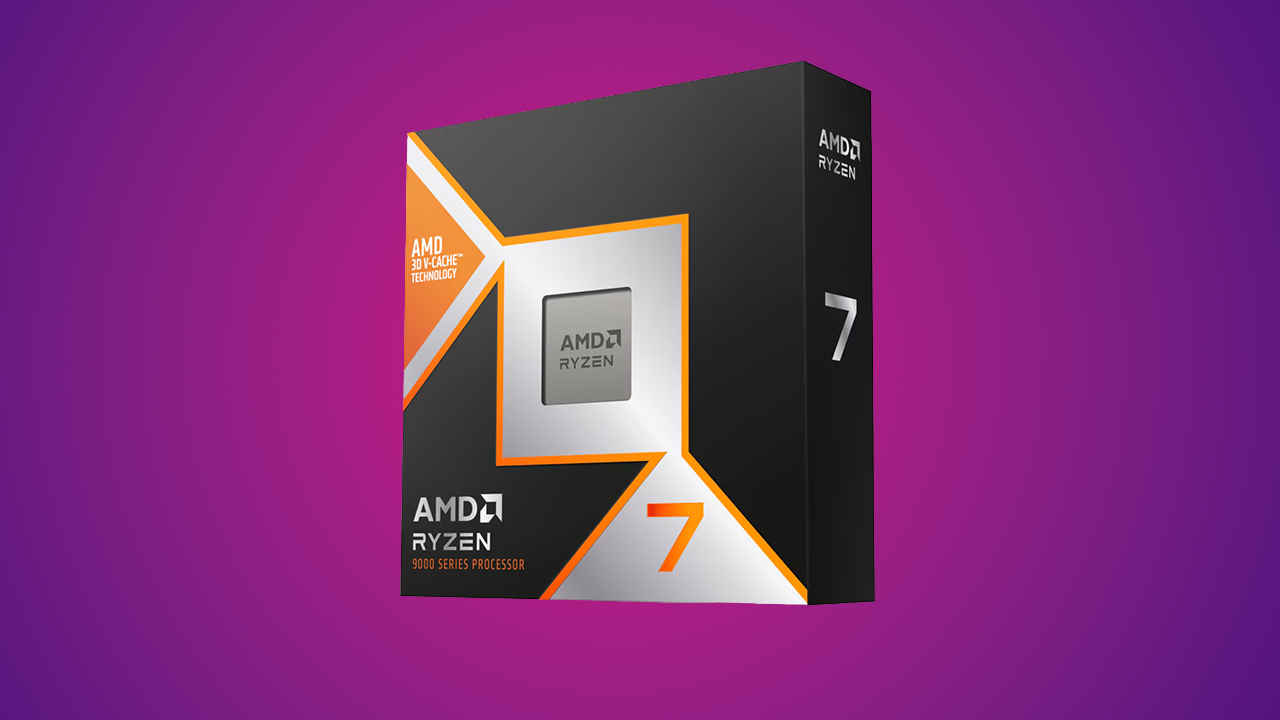

With the AMD Ryzen 7 9850X3D, the company is essentially doing something it has been doing for a while now, iterate from a position of comfort. The Ryzen 7 9800X3D was already a bit of a cheat code for high-refresh gaming, so the 9850X3D’s job is not to reinvent the formula, it’s to sand down the rough edges and squeeze a little more out of the same basic idea. And on paper, that’s exactly what AMD has done: the same 8-core, 16-thread Zen 5 setup, the same X3D cache configuration, the same 120W class power envelope, but with higher boost clocks and what AMD claims are small, repeatable gains in the kinds of games that are sensitive to frequency and frame-time consistency.
If that sounds familiar, it should. This while packaged as a new tier of performance that forces everyone else to respond overnight, is actually a refinement aimed at enthusiasts who already know why X3D chips matter. The bigger question is whether the uplift is meaningful enough to justify its place next to the 9800X3D, and whether its pricing and availability in India land in the right spot.
AMD Ryzen 7 9850X3D Specifications
In a way, the Ryzen 7 9850X3D is best understood as a better-binned, slightly faster take on the Ryzen 7 9800X3D. It keeps the familiar 8C/16T configuration and the same cache layout that makes these chips so good for gaming: 96MB of L3 (32MB native plus 64MB stacked 3D V-Cache) paired with 8MB of L2, giving a combined 104MB cache pool. The key improvement here is with the clock speeds. AMD advertises up to 5.6G Hz boost, which is 400 MHz higher than the 9800X3D’s rated boost. Power, at least on the spec sheet, remains sensible for what this is. The chip sticks to a 120W TDP class, and most AM5 boards should support it with the usual BIOS update routine, which keeps the platform consistent for folks looking to upgrade. Let’s take a closer look at the AMD Ryzen 7 9850X3D ‘s Specifications
| AMD | AMD | AMD | Intel | AMD | AMD | |
| Model | Ryzen 9 7950X3D | Ryzen 7 9700X | Ryzen 9 9950X | Core Ultra 9 285K | Ryzen 7 9800X3D | Ryzen 7 9850X3D |
| Price | 65699 | 35999 | 65999 | 58900 | 47900 | 54999 |
| Socket | AM5 | AM5 | AM5 | LGA 1851 | AM5 | AM5 |
| Codename | Raphael | Granite Ridge | Granite Ridge | Arrow Lake-S | Granite Ridge | Granite Ridge |
| Foundry | TSMC | TSMC | TSMC | TSMC | TSMC | TSMC |
| Core Process | 5 nm | 4 nm | 4 nm | 3 nm | 4 nm | 4 nm |
| Core Architecture | Zen 4 | Zen 5 | Zen 5 | Lion Cove & Skymont | Zen 5 | Zen 5 |
| Die Size | 71 mm² | 70.6 mm² | 2x 70.6 mm² | 243 mm² | 70.6 mm² | 70.6 mm² |
| I/O Process | 6 nm | 6 nm | 6 nm | 6 nm | 6 nm | 6 nm |
| I/O Die Size | 122 mm² | 122 mm² | 122 mm² | 243 mm² | 122 mm² | 122 mm² |
| tCaseMax | 89°C | 95°C | 95°C | 105°C | 95°C | 95°C |
| Launch Date | 28-Feb-2023 | 8-Aug-2024 | 8-Aug-2024 | 24-Oct-2024 | 7-Nov-2024 | 29-Jan-2026 |
| Cores | 16 | 8 | 16 | 24 | 8 | 8 |
| – Big Cores | 16 | 8 | 16 | 8 | 8 | 8 |
| – Small Cores | 0 | 0 | 0 | 16 | 0 | 0 |
| Threads | 32 | 16 | 32 | 24 | 16 | 16 |
| Integrated Graphics | 1 | 1 | 1 | 1 | 1 | 1 |
| Integrated Graphics | RDNA2 | RDNA2 | RDNA2 | Intel Xe-2 64EU | RDNA2 | RDNA2 |
| Integrated Graphics Cores | 2 | 2 | 2 | 4 | 2 | 2 |
| IG Base Frequency | 400 MHz | 400 MHz | 400 MHz | 300 MHz | 400 MHz | 400 MHz |
| IG Turbo Frequency | 2200 MHz | 2200 MHz | 2200 MHz | 2000 MHz | 2200 MHz | 2200 MHz |
| Cache L1 | 64 | 80 | 80 | 112 | 80 | 80 |
| Cache L2 | 1 | 1 | 1 | 3 | 1 | 1 |
| Cache L3 | 128 | 32 | 64 | 36 | 96 | 96 |
| Big Core Base Frequency | 4.2 | 3.8 | 4.3 | 3.7 | 4.7 | 4.7 |
| Big Core Turbo Clock | 5.7 | 5.5 | 5.7 | 5.7 | 5.2 | 5.6 |
| Small Core Base Frequency | NA | NA | NA | 3.2 | NA | NA |
| Small Core Turbo Clock | NA | NA | NA | 4.6 | NA | NA |
| Max Memory Capacity | 128 | 192 | 192 | 192 | 192 | 192 |
| Rated Memory Clock Speed | 5200 | 5600 | 5600 | 6400 | 5600 | 5600 |
| TDP | 120 | 65 | 170 | 125 | 120 | 120 |
The price line deserves context: in the US, AMD’s launch price is USD 499, while Indian listings at the time of writing have shown street pricing around the mid-₹50K range (with a higher listed MRP on some retailers). Treat that as “current market noise”, not a fixed truth, because supply tends to decide the real number.
AMD Ryzen 7 9850X3D Performance
The Ryzen 7 9850X3D is built for one job first: gaming. The higher boost clock is the main lever, so most of the uplift shows up where games are CPU-limited, frame rates are already high, and small frequency shifts can translate into better 1% lows and slightly higher averages.
Outside gaming, the performance is more subtle. With the same core count as the 9800X3D, multi-threaded heavy lifting tends to scale similarly, with modest improvements in select workloads thanks to the higher clocks and tuning refinements rather than any big architectural jump.
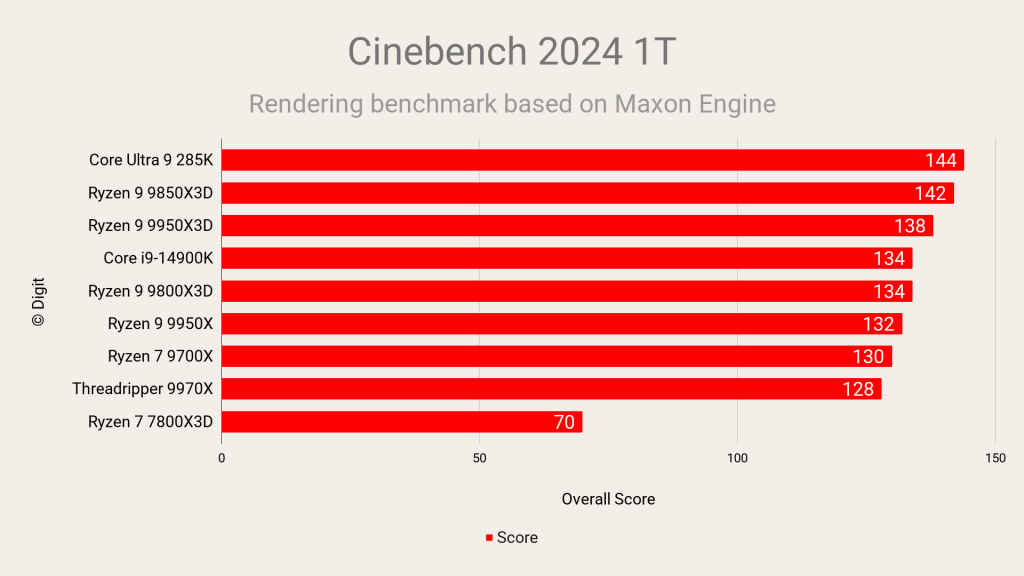
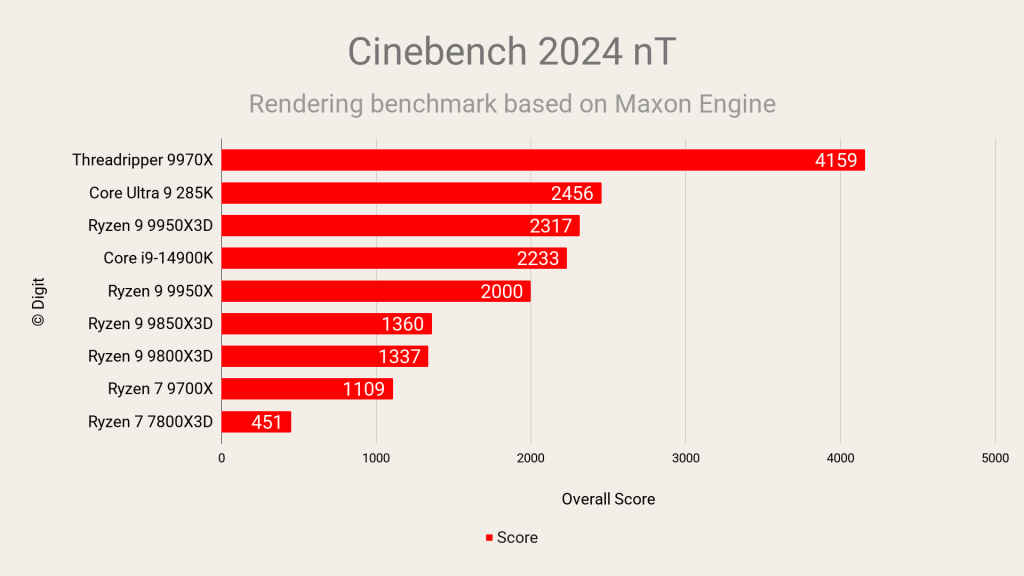
Cinebench 2024
Cinebench 2024 is based on Maxon’s Cinema 4D software, designed to evaluate a processor’s performance in rendering complex 3D scenes. It tests both single-core and multi-core capabilities, highlighting how efficiently a CPU handles multi-threaded tasks common in professional rendering workflows. The benchmark utilises modern instruction sets and large datasets, providing an up-to-date assessment of CPU performance in contemporary applications.
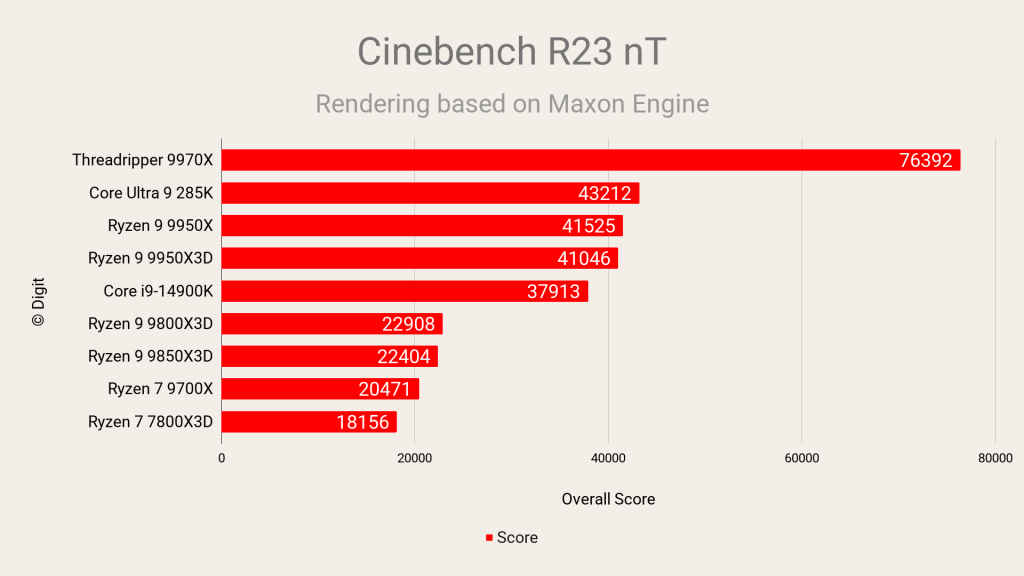
Cinebench R23
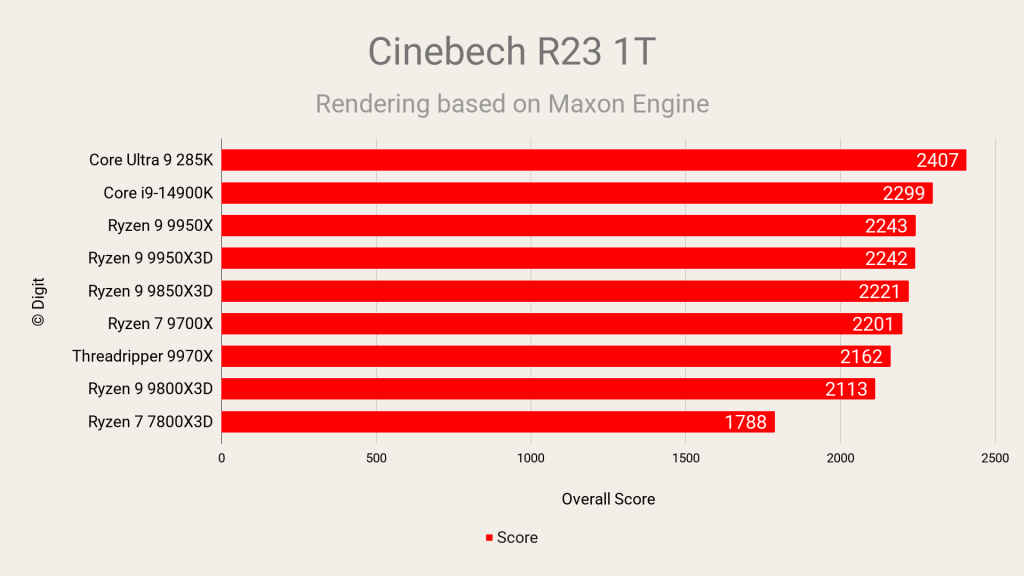
Cinebench R23 is the older version based on the same Cinema 4D engine and it too measures a processor’s ability to render photorealistic 3D scenes. Though replaced by Cinebench 2024, it’s still useful for comparing against processors launched a few years prior. It also focuses on both single-threaded and multi-threaded performance, simulating real-world tasks relevant to content creators and professionals in 3D rendering.
Blender
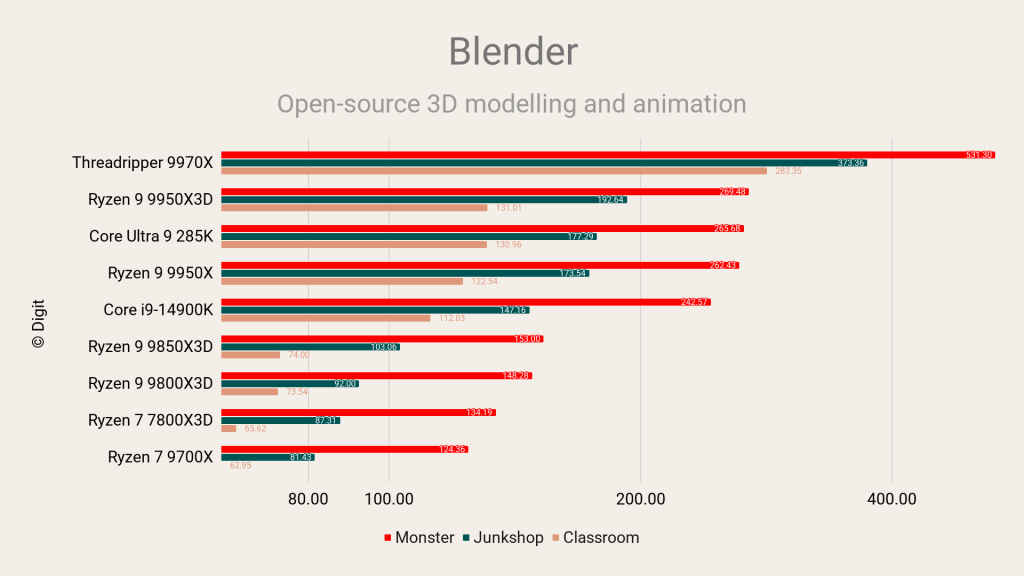
The Blender Benchmark assesses a processor’s performance by rendering scenes using Blender, a popular open-source 3D creation suite. It evaluates how well the CPU handles complex rendering tasks and multi-threaded workloads. For an 8-core X3D chip like the 9850X3D, results tend to be strong for its class, but higher-core-count CPUs will still pull ahead when raw thread count is the deciding factor.
V-Ray
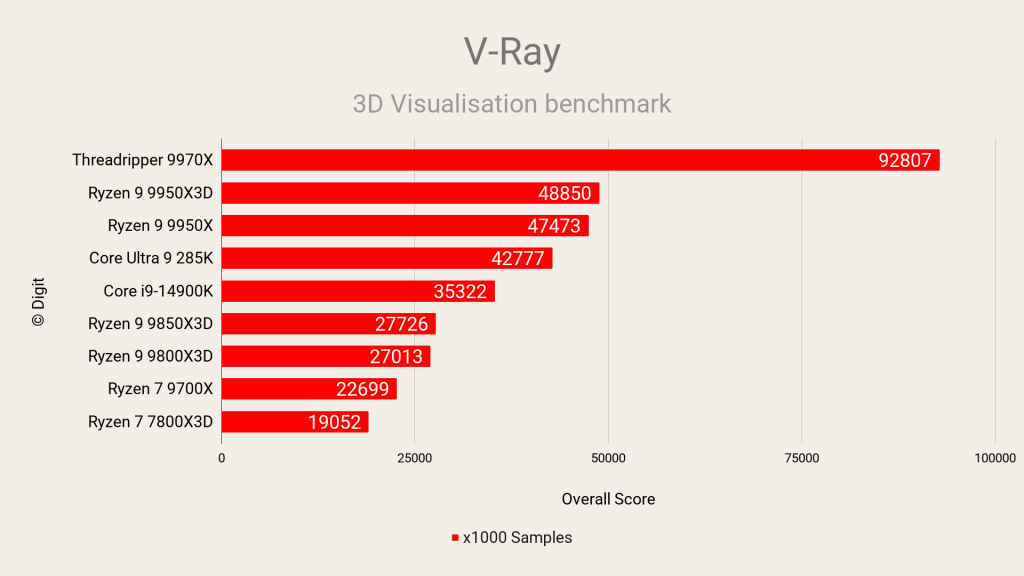
V-Ray is another benchmark that measures a processor’s performance in rendering but it uses the V-Ray engine, widely used in visual effects, architecture, and design industries. It tests multi-threaded performance and handling complex calculations involved in ray tracing. CPUs with higher core counts tend to shine, but the 9850X3D’s higher clocks help keep it competitive within the 8-core bracket.
WinRAR
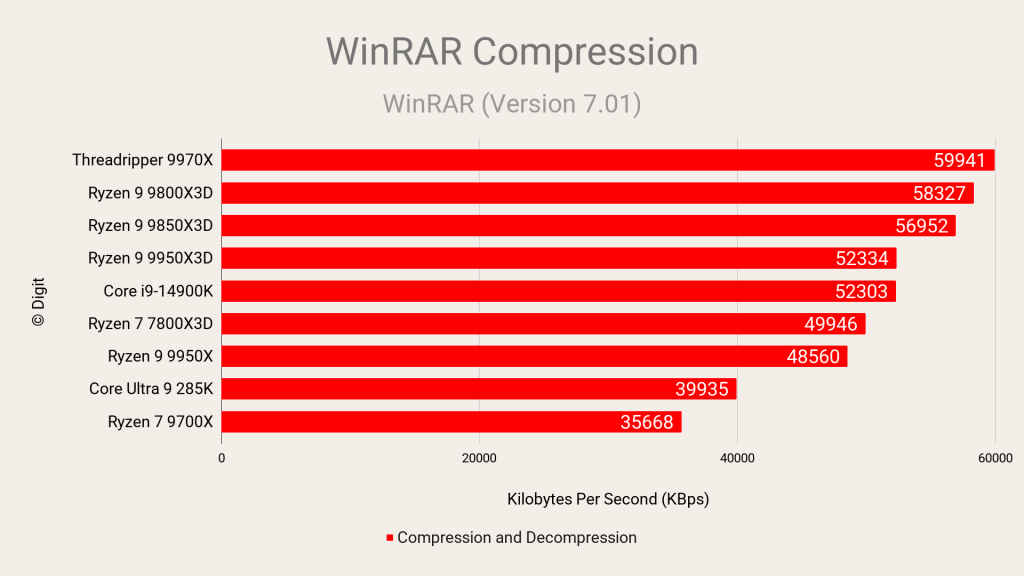
WinRAR Benchmark evaluates a processor’s performance in data compression and decompression tasks, common in file archiving and management. It leans on single-threaded performance, memory bandwidth, and latency. With the 9850X3D, expectations should be modest uplift versus the 9800X3D rather than a new class of result, because core count and cache layout remain unchanged.
AIDA64
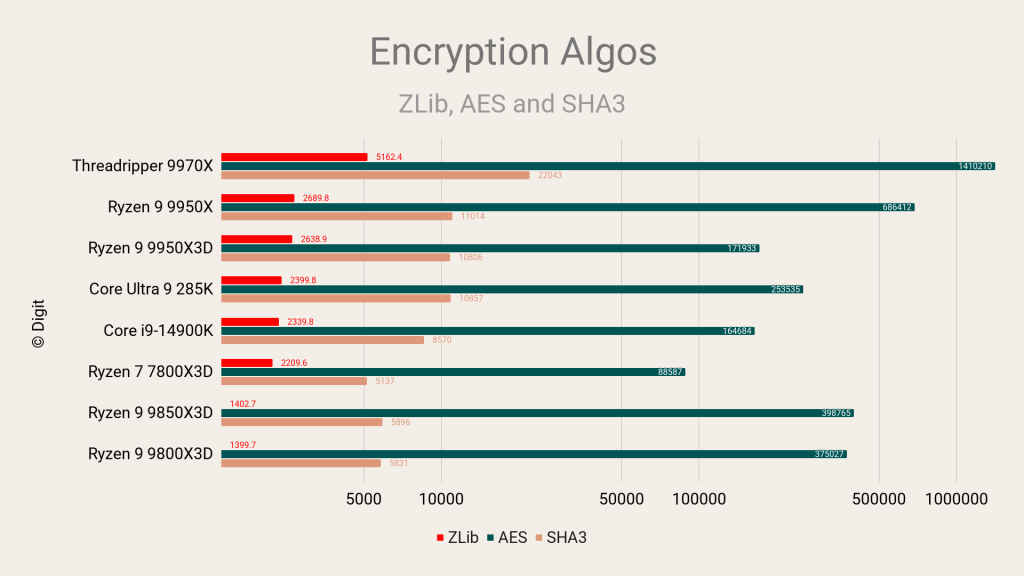
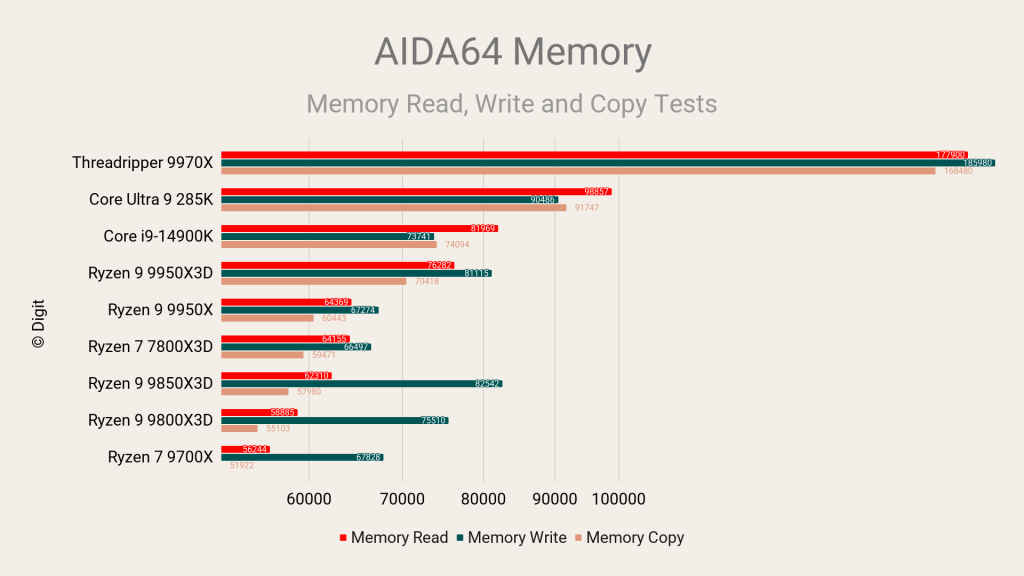
AIDA64 Memory Benchmark measures the memory bandwidth and latency of a system, highlighting how quickly data transfers between the CPU and RAM. It tests read, write, and copy speeds, providing insights into the efficiency of the memory subsystem, including RAM speed, timings, and memory controller performance. AIDA64 also has benchmarks to evaluate how well a processor can handle AES, ZLib and SHA3 encryption and decryption tasks.
y-cruncher
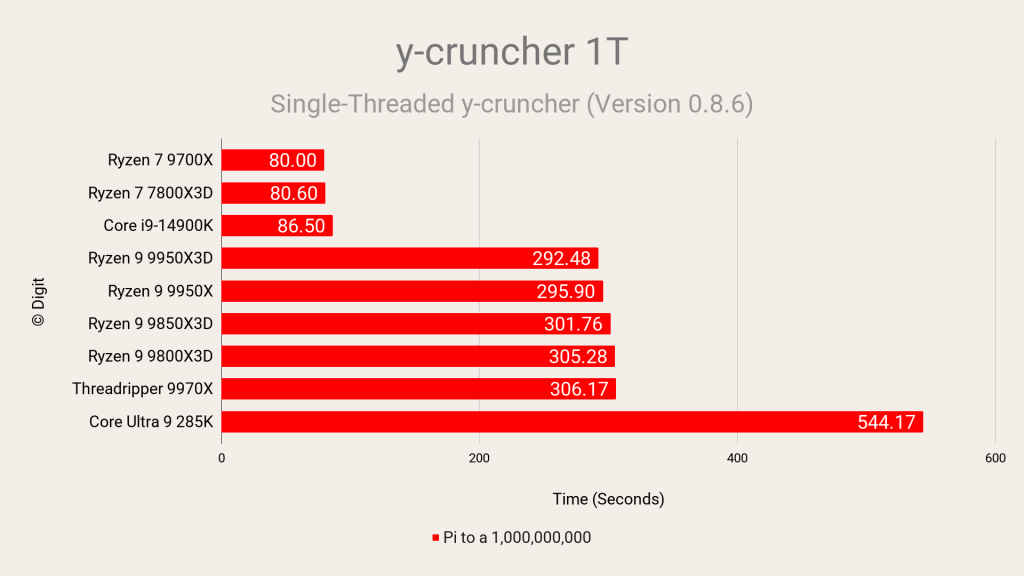
The y-cruncher benchmark computes mathematical constants like Pi to a high number of digits, testing a processor’s multi-threaded performance and memory subsystem under heavy computational load. It stresses the CPU’s integer and floating-point units, cache hierarchy, and memory bandwidth. In broader test suites, the 9850X3D has shown measurable improvements versus the 9800X3D in some y-cruncher runs, which is a good sign for compute-heavy stability and sustained boosting behaviour.
Procyon Office
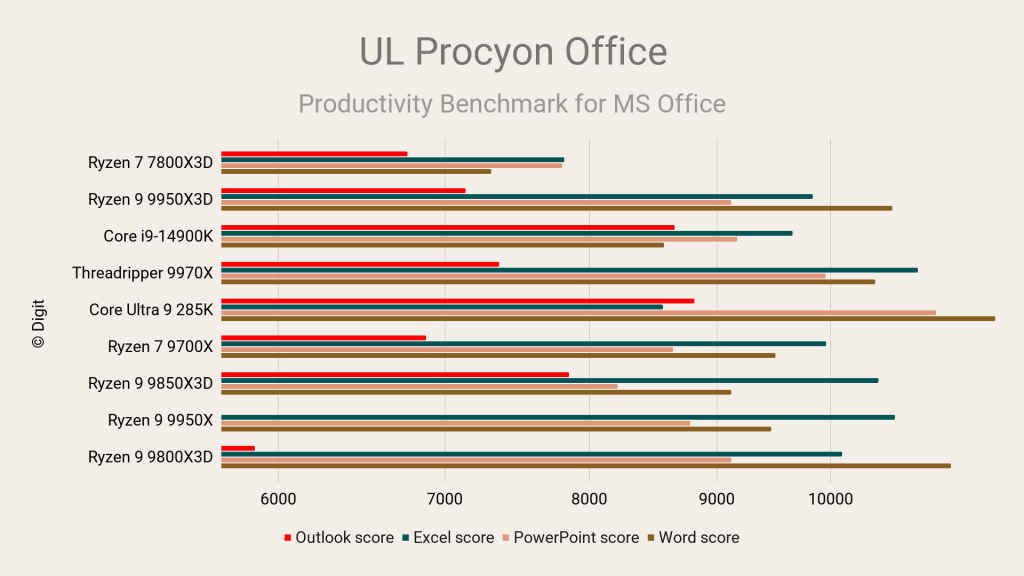
The Procyon Office Benchmark measures a processor’s performance in real-world office applications like the Microsoft Office suite, testing tasks such as document editing, spreadsheet calculations, and presentation creation. It focuses on both single-threaded and multi-threaded performance, providing insights into how a CPU handles everyday productivity tasks. In practice, this is one of those areas where small frequency gains can show up as “feels a bit snappier”, even if the charts do not look dramatic.
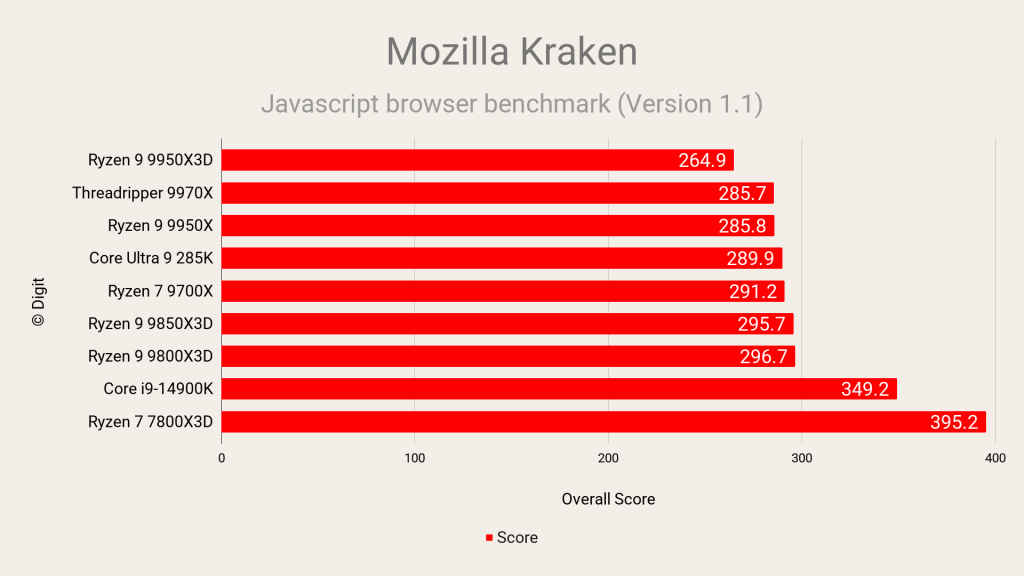
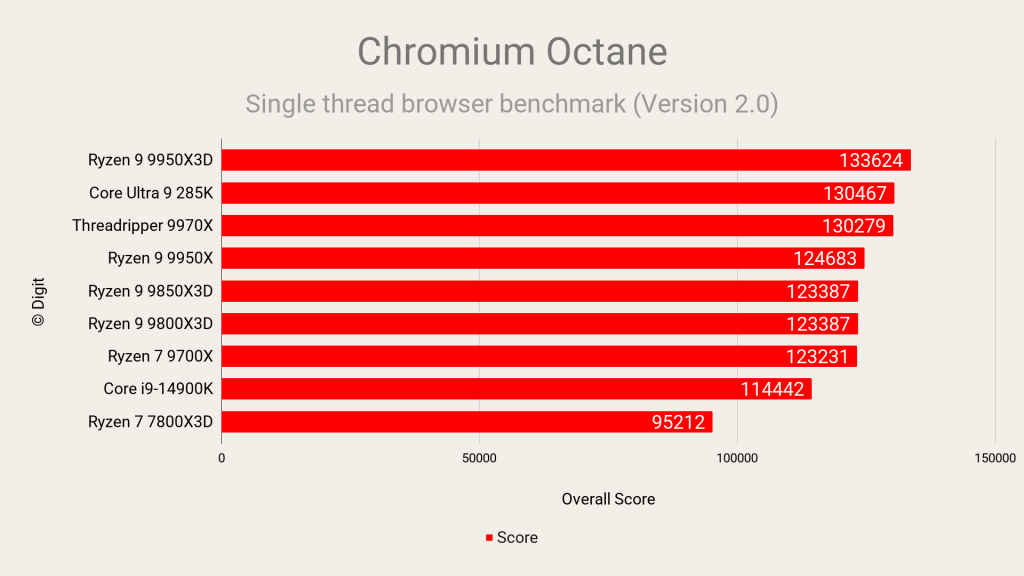
Mozilla Kraken & Google Octane
Mozilla Kraken and Google Octane are JavaScript benchmarks evaluating a processor’s performance in executing complex web-based scripts, reflecting real-world web application usage. It tests single-threaded performance and the efficiency of a CPU’s instruction pipelines in handling dynamic scripting languages. With a higher top-end boost, the 9850X3D is positioned to edge ahead here, though the difference is rarely night-and-day in real browsing.
Procyon AI Computer Vision
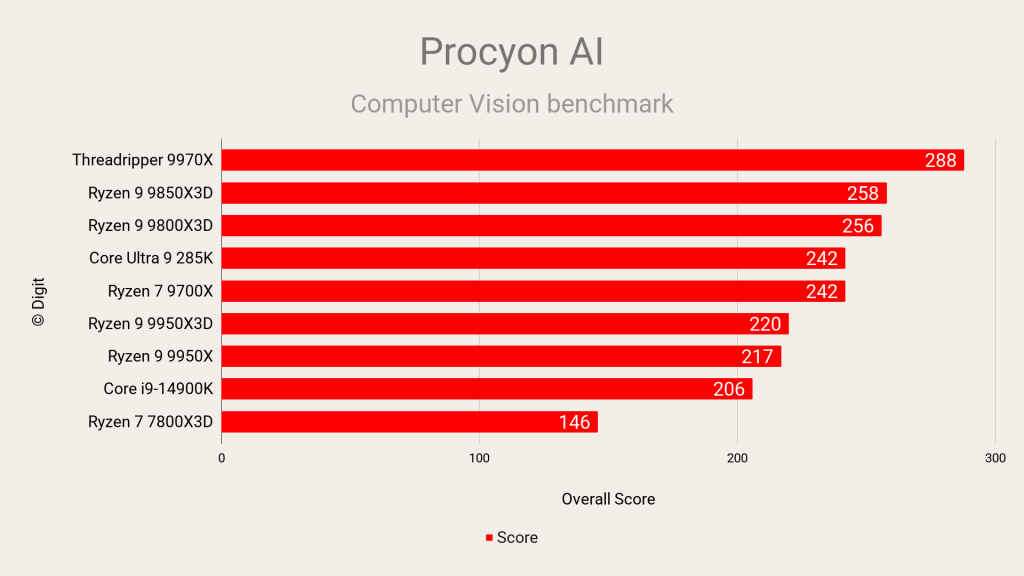
The UL Procyon AI Computer Vision benchmark measures the performance of AI inference engines to understand how well processors can handle machine-vision tasks using popular neural networks. While the 9850X3D doesn’t add a dedicated NPU, broad third-party testing has still shown uplift versus the 9800X3D in this benchmark category, which is likely down to clock behaviour and platform consistency rather than a new hardware block.
3DMark Time Spy (iGPU)
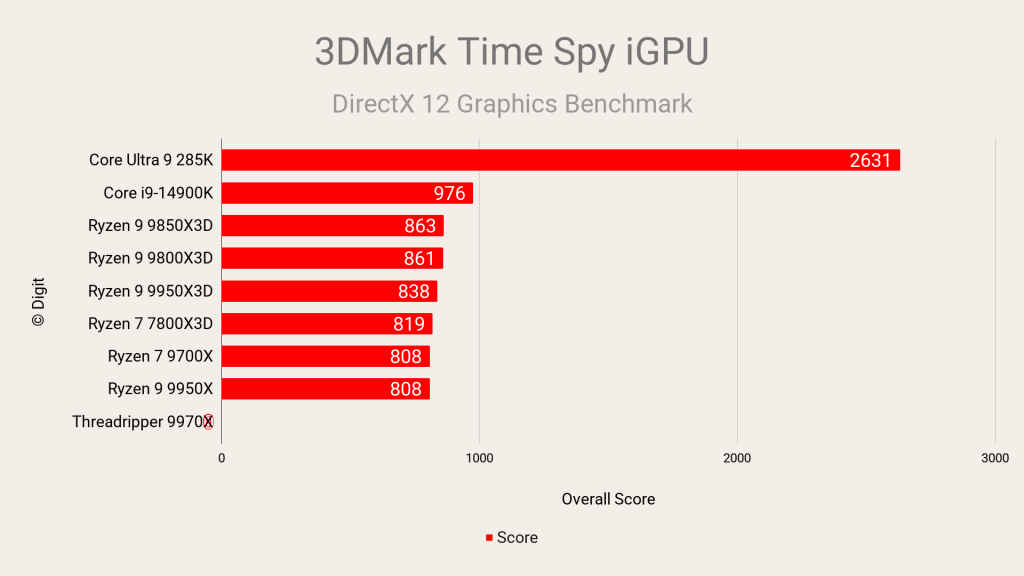
3DMark Time Spy is a DirectX 12 benchmark evaluating graphics performance. It’s useful here mainly for checking where the integrated Radeon graphics land relative to other basic iGPUs, particularly for diagnostics and as a fallback display output. It’s not why anyone buys an X3D chip, but it’s still worth sanity-checking.
7 Game Average
While 3DMark is an excellent synthetic benchmark, it’s not really indicative of real-world gaming performance, which is why the 9850X3D lives or dies by actual game testing. AMD itself positions the chip as a small uplift over the 9800X3D, with the most obvious gains showing up in frequency-sensitive and esports-style titles rather than GPU-bound AAA scenarios.
Core to Core Latency – AMD Ryzen 7 9850X3D
Core-to-Core Latency measures the time it takes for data to transfer between different cores within a CPU. It highlights the efficiency of the processor’s inter-core communication pathways and cache coherency mechanisms. The key structural advantage here is that the Ryzen 7 9850X3D is a single-CCD, 8-core part, so there’s no cross-CCD penalty to worry about, and scheduling tends to be simpler than on multi-chiplet, higher-core-count designs. That is one of the quieter reasons these 8-core X3D chips often feel so consistent in games, beyond the obvious cache advantage.
AMD Ryzen 7 9850X3D Thermals and Power
With a 120W TDP class rating and an 8-core layout, the Ryzen 7 9850X3D is generally easier to cool than the 16-core X3D parts. That does not mean “tiny cooler and forget it”, because sustained boost behaviour still benefits from thermal headroom. A decent 240 mm to 280 mm liquid cooler is a sensible pairing if the goal is stable clocks and low noise under load, which aligns with third-party recommendations and typical testing setups.
Power behaviour is also more predictable than the 170W-class flagships. The upside is that it’s easier to build a balanced system around it, especially for gaming rigs where the GPU is already the primary power draw. The flip side is that anyone shopping for workstation-first throughput should still be looking at higher core counts, because the 9850X3D’s performance ceiling in heavy multi-threaded work is fundamentally bounded by 8 cores, regardless of how clever the cache stack is.
Verdict
The AMD Ryzen 7 9850X3D is what a “refresh” should look like when the base product is already strong. It keeps the platform consistent for AM5 users, holds the same cache configuration that makes X3D chips so effective in games, and adds a higher boost ceiling that translates into small, repeatable performance gains in the scenarios that care most.
The awkward bit is positioning. At $499 in the US, it’s priced like a premium iteration rather than a bargain replacement, and in India the street pricing settles close enough to the 9800X3D at INR 54,999 which is close enough to make the newer chip the obvious pick but it’s not the obvious choice and a lot of folks will still be getting the 9800X3D.
For gamers building a high-end rig aimed at high-refresh 1080p and 1440p (or anyone chasing frame-time consistency in competitive titles), the 9850X3D makes a lot of sense if it lands at the right price. For creators who routinely lean on heavy multi-threaded rendering or encode workloads, the smarter move is still going up the stack to a Ryzen 9 class chip, because cache can’t conjure extra cores out of thin air.
AMD Ryzen 7 9850X3D Desktop Processor Key Specs, Price and Launch Date
| Release Date: | 01 Jan, 2026 |
| Market Status: | Launched |


