
Dolby Vision 2 launches with AI-tuned picture, creator controls and ambient light sensing
 Follow Us
New Content Intelligence adds Precision Black, Light Sense and sports or gaming tuning.
Bi-directional tone mapping and Authentic Motion target brighter, cleaner, more cinematic images.
Launch partners include Hisense, using MediaTek Pentonic 800, and CANAL+.
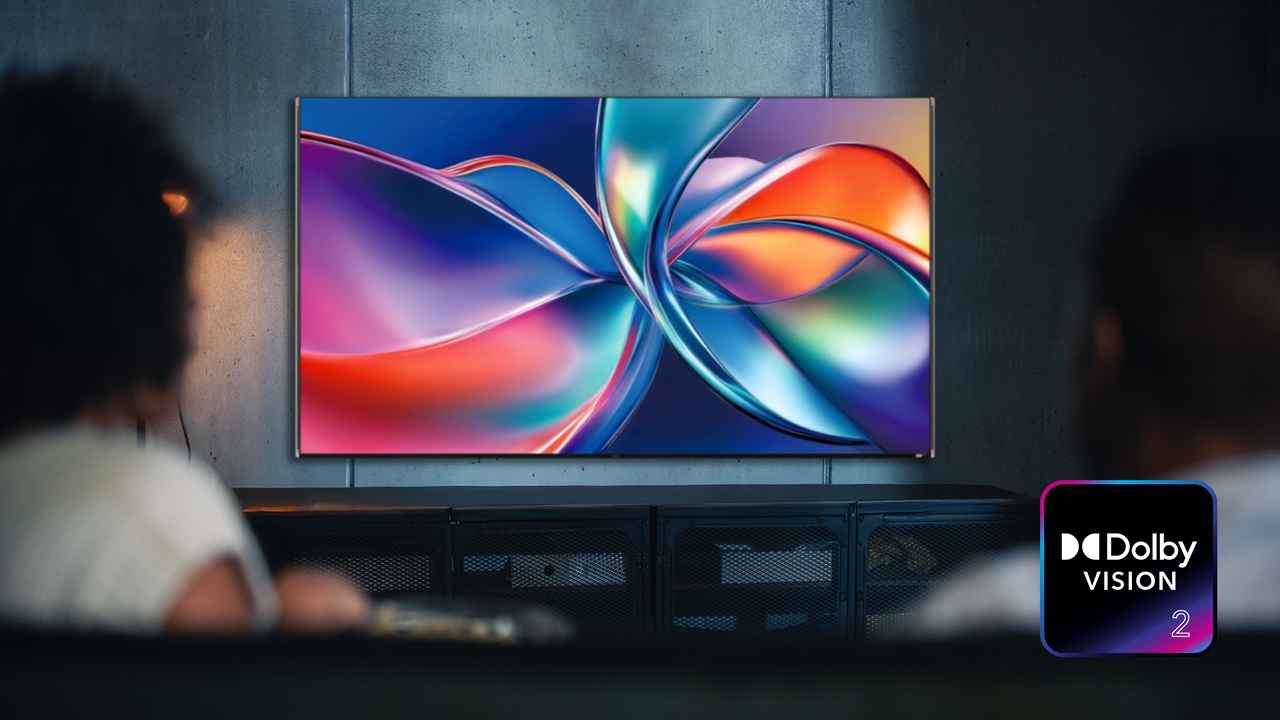

Dolby has unveiled Dolby Vision 2, a next-generation take on its premium HDR system that aims to squeeze more performance from modern televisions while giving film-makers finer creative control. Announced in Berlin and San Francisco on 2 September, the update introduces a rebuilt image engine, a suite of adaptive features that respond to content and room conditions, and a new two-tier product strategy for TV makers. Hisense is the first brand to commit support, and CANAL+ is the first media group to pledge enhanced Dolby Vision delivery across films, series and live sport.
 Survey
What is new in Dolby Vision 2
At the core is a redesigned Dolby image engine tied to what Dolby calls Content Intelligence. This adds tools that automatically tune a TV to what you are watching and where you are watching it. Precision Black targets the familiar complaint that dark scenes look murky, improving clarity without overriding artistic intent. Light Sense blends ambient-light sensing with reference lighting data from the content to preserve contrast and colour in bright or dim rooms. Sports and Gaming Optimisation introduces white-point and motion tweaks aimed at fast action and competitive play.
Dolby is also adding bi-directional tone mapping that recognises how far today’s high-brightness, wide-gamut panels have moved on. The system gives creators new latitude to exploit higher peak luminance, deeper colour saturation and stronger contrast, while preserving the grade on less capable displays. In short, a premium TV should be allowed to stretch its legs, and a mainstream one should still hold the intended look.
Perhaps the most headline-grabbing addition is Authentic Motion, which Dolby describes as a creative, shot-by-shot motion control. The idea is to reduce judder and the soap-opera look without flattening cinematic texture, with controls exposed to the mastering side as well as mapped intelligently in the TV.
Two tiers for TVs
Dolby Vision 2 will ship in two layers. Dolby Vision 2 Max targets the best panels, unlocking additional features to fully exploit high-end OLED and RGB mini-LED hardware. The standard Dolby Vision 2 profile brings the new engine and Content Intelligence to mainstream sets. Hisense will lead adoption, integrating Dolby Vision 2 on upcoming RGB mini-LED models built on MediaTek’s Pentonic 800 with MiraVision Pro, the first TV silicon announced with Dolby Vision 2 support. Timing and model specifics are still to come.
On the content side, CANAL+ says it will enhance movies, series and live sport in Dolby Vision using the new toolset, positioning the broadcaster as an early pipeline for Dolby Vision 2 experiences.
Dolby Vision 2 vs Dolby Vision 1
The original Dolby Vision popularised dynamic metadata HDR, carrying scene-by-scene guidance to the display. Dolby Vision IQ later added light-sensor awareness to adjust presentation for ambient conditions. Dolby Vision 2 effectively bakes those ideas into a broader framework, then pushes further with AI-assisted Content Intelligence, bi-directional tone mapping for modern panels and Authentic Motion for creator-aligned motion handling. Existing Dolby Vision content will play on current TVs, although the new capabilities are only realised on Dolby Vision 2 sets. In practical terms, owners should expect brighter highlights, cleaner mid-tones in challenging scenes, more consistent results across day and night viewing, and smoother motion that remains cinematic, subject to how content is mastered and how well the TV is calibrated.
Content availability
There are still open questions, including exact ship dates, how widely TV brands will support Dolby’s two-tier scheme, and how quickly creators will adopt the added metadata and motion tools. For now, Dolby Vision 2 reads as a considered evolution rather than a marketing refresh, aligning the format with current panel capabilities while acknowledging that creative intent should steer the final image. We will know more once retail sets arrive and broadcasters, streamers and games start encoding against the new toolchain.


