
Semicon 2026: PM Modi talks about AI, chip production, power demand and challenges for semiconductor industry
 Follow Us
India’s semiconductor sector is moving from projects to commercial chip production.
PM Modi highlighted how AI is increasing demand for advanced chips and computing power.
Rising heat and electricity needs are emerging as key challenges for AI data centres.
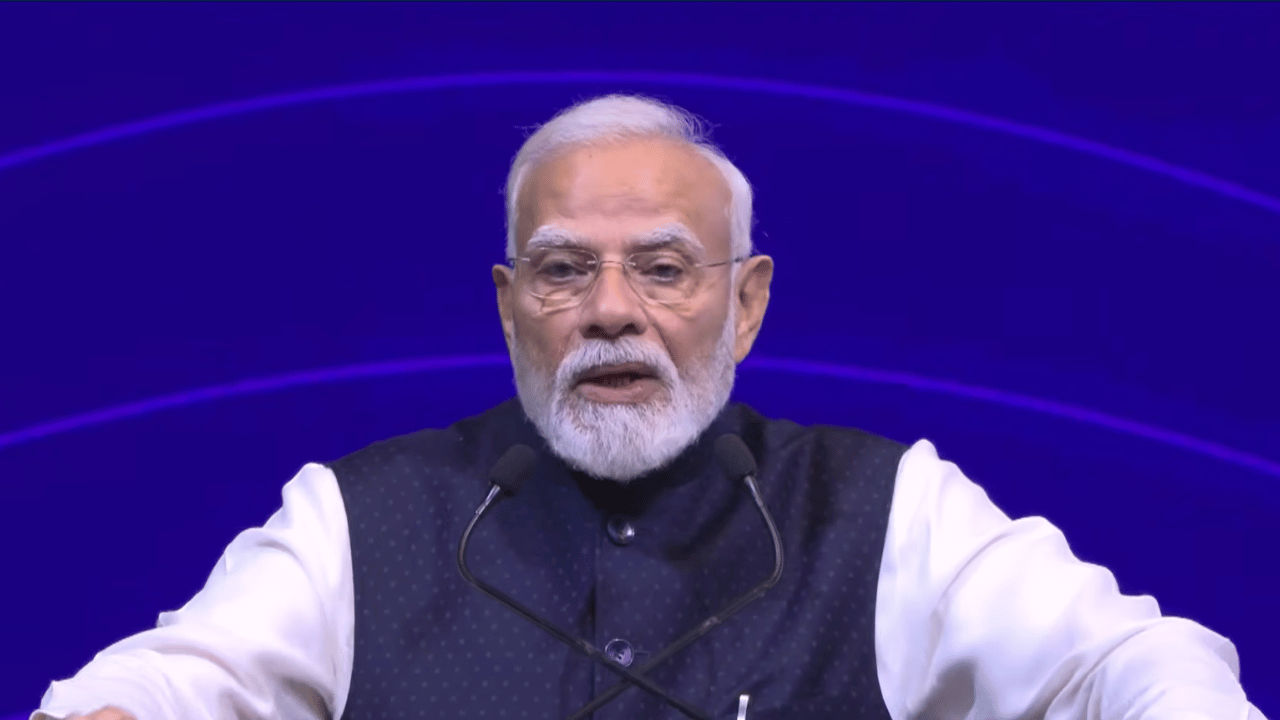

Semicon 2026: India’s semiconductor industry is moving from policy and project announcements to commercial production. Speaking at the fifth edition of Semicon India, Prime Minister Narendra Modi highlighted how the sector has progressed since the event’s first edition in 2022. He pointed to the changing focus of the event, saying discussions have moved from policy and projects to pilot lines, test chips and now commercial production. Not only that but the PM also noted the growing challenges faced by the industry leaders. Lastly, he added that the government is preparing the next phase with more funding, reforms, talent development and support for the semiconductor ecosystem. Here’s everything you need to know.
 Survey
Semicon 2026: From policy to production
Prime Minister Narendra Modi addressed the crowd at Semicon India’s fifth edition and highlighted how far India’s semiconductor industry has come since the trade show’s inaugural edition in 2022.
He noted that the early editions of Semicon India were largely focused on semiconductor policies and building the foundations for the industry. The conversation then moved to projects, fabs and construction, followed by pilot lines and test chips. This year, however, the focus has shifted to the commercial production of semiconductors in India.
The government has approved 12 semiconductor projects under Semicon India 1.0, PM Modi said. Not only that but he also pointed out that three of the companies approved in the initial phase have already begun commercial production. He also said chips manufactured at Indian facilities have started reaching customers in India and overseas.
Semicon 2026: AI is creating new demand
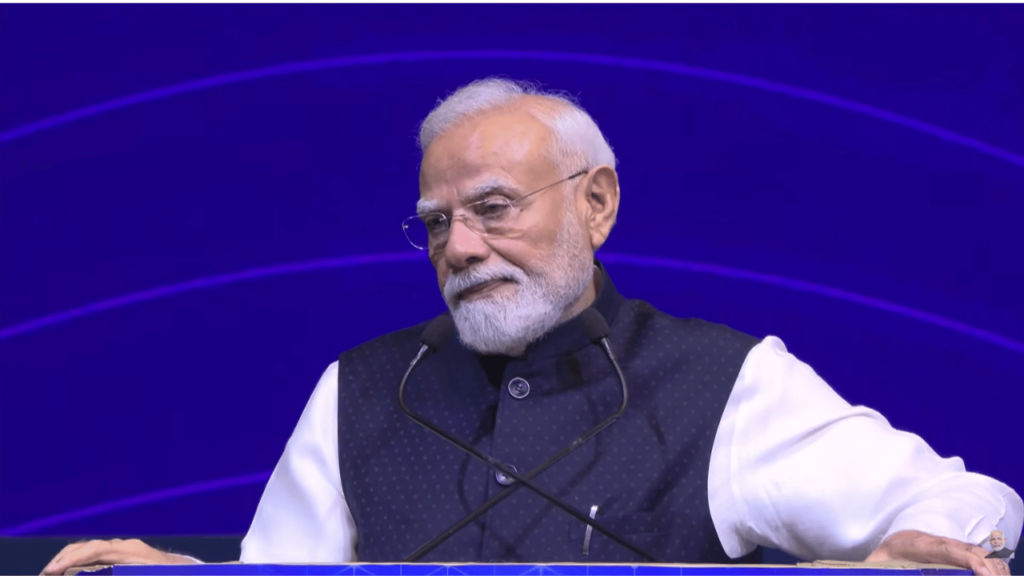
PM Modi also highlighted the growing role of artificial intelligence in the semiconductor industry and how the rise of AI is changing the challenges faced by the chipmakers.
He also noted that the growth is no longer only about making smaller transistors or faster chips. He also pointed out that AI systems require processors and memory to work closely together, while vast amounts of data need to be moved quickly.
The Prime Minister also noted that AI data centres use large numbers of high-performance processors, adding that the wider adoption of AI will further increase demand for electricity.
Also read: This Apple iOS 27 bug can temporarily freeze your iPhone after a series of swipes: How to fix it
Semicon 2026: Challenges for the semiconductor industry
Other than the above-mentioned, he also pointed out that making transistors smaller has helped computers become faster and use less energy traditionally. However, the growing use of AI is creating new challenges for the semiconductor industry. AI systems need advanced chips that can handle huge amounts of data quickly.
He also added that, in today’s scenario, it is a key requirement for several chips to work together as a single system with very little delay. This makes it challenging to move data quickly between chips, connect different chips, and ensure that the entire system operates efficiently.
Another major challenge is the amount of heat generated by high-performance chips and computing systems. As AI workloads become more demanding, managing the heat inside the AI data centres is becoming increasingly important and difficult.
At the same time, AI processors and data centres require large amounts of electricity. PM Modi said that as the demand for computing power increases, the need for electricity will also rise. This makes a reliable and sufficient power supply important for the growth of AI and semiconductor infrastructure. Lastly, he said that energy security will be a major issue the industry needs to address as the use of AI continues to grow.


