
Humanoid robots may outproduce all humans within 10 years, says Elon Musk
 Follow Us
Musk predicts robots could soon outperform humans in production.
Humanoid robots may transform workplaces and industries.
Their rise could significantly change jobs and business.
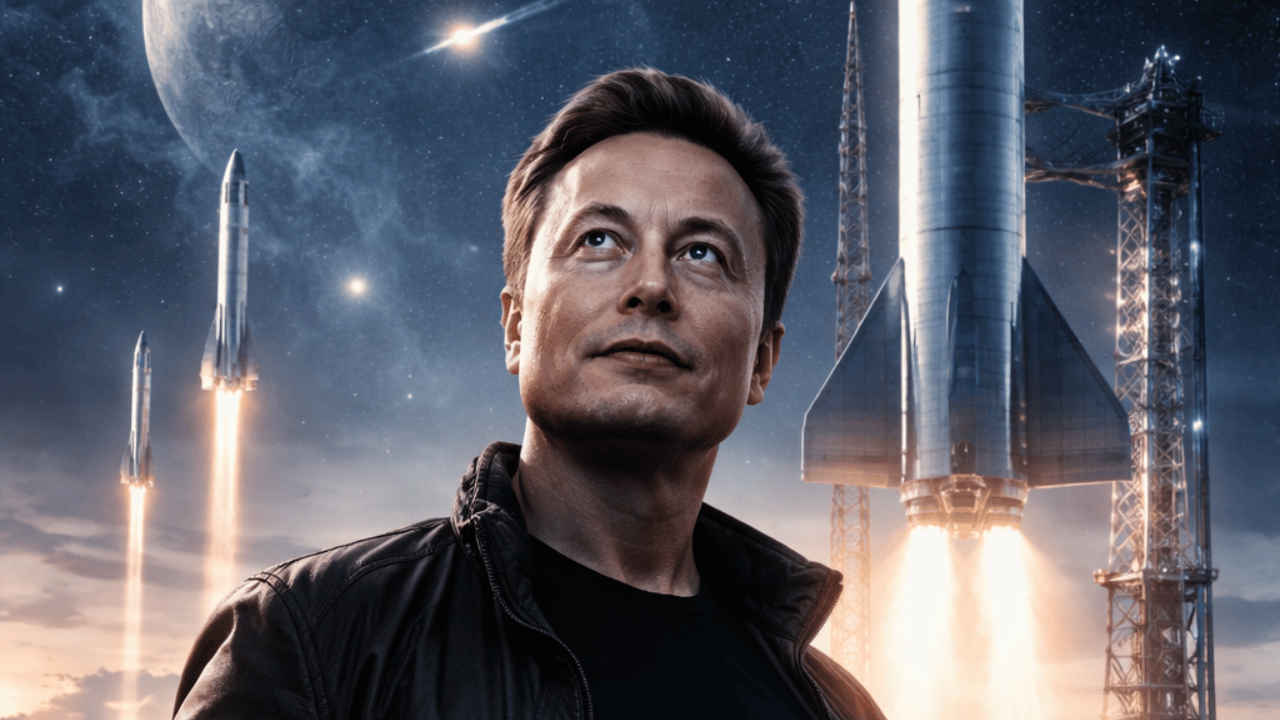

Elon Musk has made another prediction about the future of humanoid robots, stating that their production may be greater than the production of all humans in the coming decade. This is not the first time that the entrepreneur has talked about robots and artificial intelligence because he has expressed his predictions many times. In any case, these statements show his increasing interest in humanoid robots and the future work that they can perform. On the other hand, Musk’s statement has the potential to affect the industry and the world on a large scale because of the significant consequences that may occur. Follow along with the article to learn more about what Musk said about humanoid robots and their future.
 Survey
Musk has recently reposted a post from the official X handle of DogeDesigner. According to the post, there could be at least one billion humanoid robots in the world within 10 years. Musk said each robot could produce at least five times the output of a human. The post reads, ‘There will be at least a billion robots in 10 years, and each will produce at least five times the output of a human.’ Along with the text, it also attaches a video where Musk is talking about humanoid robots and their future.
ELON MUSK: A billion humanoid robots will be more productive than all humans combined within 10 years.
— DogeDesigner (@cb_doge) September 1, 2026
“There will be at least a billion robots in 10 years, and each will produce at least five times the output of a human.” pic.twitter.com/4N6etC48L5
Why humanoid robots could change work
Humanoid robots are made to work in places designed for people. It means that they can be used in factories, warehouses, building sites, and other workplaces without having to make any significant modifications to the existing systems.
If such robots become cost-effective and improve their efficiency, they can be used for performing tedious and labour-intensive tasks by companies. They can also work for long durations without requiring rest as humans do. However, reaching a billion working humanoid robots would require major advances in manufacturing, software, power systems and infrastructure.
Also read: Apple iPhone Air price drops by over Rs 22,000 on Amazon: Should you buy?
Musk’s growing focus on robots
Musk has increasingly presented humanoid robots as an important part of the future. His company Tesla is developing Optimus, a humanoid robot intended to handle tasks that can currently be performed by people. The latest prediction also suggests that Musk sees robots becoming far more than machines used for specific industrial jobs.
However, if Musk’s forecast comes close to reality, then the impact could reach far beyond factories, as a large robot workforce could change business costs, employment and the way goods and services are produced.


