

After Sundar Pichai and Elon Musk, this Indian firm plans AI data centre in space
 Follow Us
Indian startup Sarvam teams up with Pixxel to build a data centre in space.
The plan is to process data in real time, helping faster decisions in areas like farming and disaster alerts.
This project could reduce India’s dependence on foreign tech and boost local innovation.
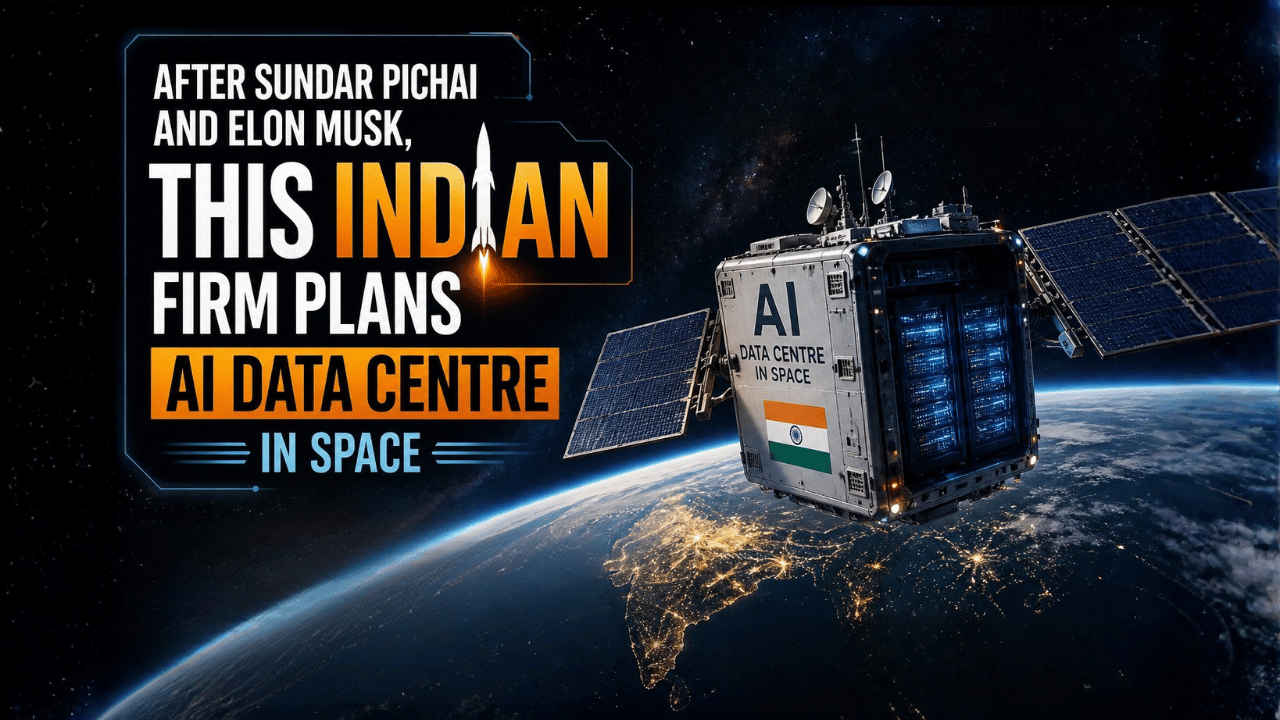

India is taking a new step in the race to build stronger artificial intelligence systems, and the country is looking beyond the Earth. Sarvam, a homegrown AI company, has now officially joined hands with space technology firm Pixxel to create what could become the country’s first orbital data centre. Instead of relying only on ground-based servers, the AI firm plans to process data directly in space using satellites. The approach could change how fast information is studied and used by people. By combining AI with satellite data, the project shows that India is focusing more on innovation, speed, and becoming technologically independent in a competitive world.
 Survey
Sarvam’s idea is to send satellites with powerful computers into space. These satellites will not only collect data but also process it instantly. The system will use India-built AI models to analyse high-resolution Earth images captured by Pixxel’s satellites as they move across the planet.
Also read: Apple iPhone 18 Pro and iPhone 18 Pro Max may get more aggressive price tags: Here is what we know
Most satellites are sent back to Earth before they are processed, and the process takes hours. However, by shifting this work to space, Sarvam and Pixxel are trying to cut short that delay significantly, if not completely eliminate it from its roots. Once the idea is implemented, the users can expect faster responses in situations like detecting wildfires, identifying crop diseases, or spotting leaks in pipelines. Moreover, the real-time insights could also help the governments and businesses across the world act more quickly and effectively.
Aside from the abovementioned, the project is also anticipated to reduce dependence on foreign cloud infrastructure. After partnering with Pixxel, Sarvam is trying to create a fully self-reliant pipeline from observation to decision-making, as data collection and analysis will be handled within an Indian system.
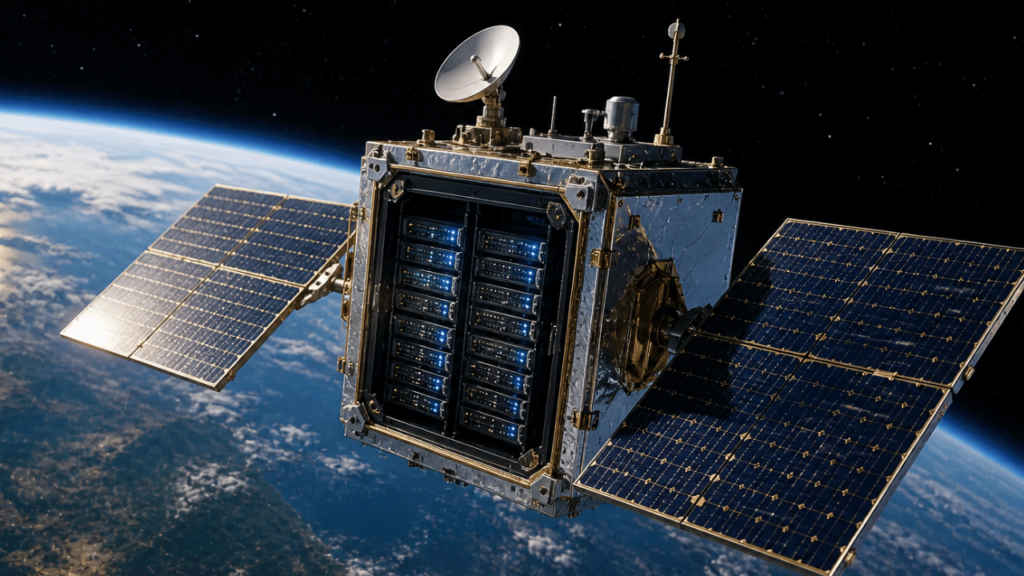
Sarvam is also planning a satellite that could weight around 200 kilograms to support this dream. The satellite is expected to carry powerful GPUs similar to those used in advanced AI systems on Earth. Moreover, these chips would perform training and inference in space, transforming the satellite into a miniature data centre orbiting in space.
Also read: Window AC vs desert air cooler: Price, electricity consumption and more things compared
Nevertheless, there are still some problems with this project. It is complicated to operate high-tech devices in outer space due to their energy consumption, proper handling of heat emission, and reliability. The companies need to prove that they can run AI systems in real time under these tough conditions.
Sarvam expects the satellite to be launched by the end of 2026. If the project succeeds, it could become an important step forward for India’s AI and space technology development.


