

Aadhaar card photocopies will not be allowed soon, here’s why UIDAI wants this new rule
 Follow Us
UIDAI plans to replace physical Aadhaar copies with secure digital verification using QR codes or the new Aadhaar app.
Verifiers must register with UIDAI and will only scan or confirm minimal identity data, with no storing or collecting Aadhaar copies.
Works even with poor or no internet, syncs with central servers, allows address updates, and supports family members without phones.
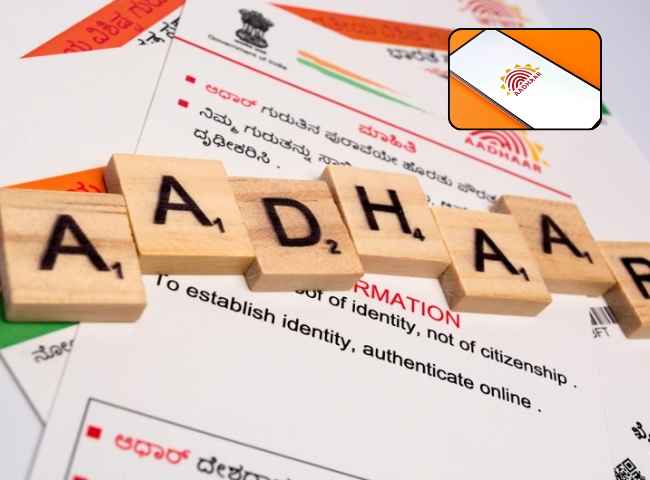

For years, we have been handing over photocopies of our Aadhaar card at hotel receptions, airport counters, event gates, and practically anywhere someone needed to verify our identity. While it always felt uncomfortable to hand over these because these copies exposed far more information than necessary there was no other option. However, things are about to change as the government is planning to introduce digital verification through QR codes or a new Aadhaar app, significantly reducing data exposure. The process is reportedly designed to confirm identity only with information necessary for it, ensuring better privacy security and greater peace of mind for mundane interactions.
 Survey
What changes for hotels, events, airports, and other verifiers?
The move away from physical photocopies is not just about convenience. It is about complying with the Aadhaar Act and improving data protection. Under the upcoming system, hotels, event organisers, airport kiosks, government desks, and other verification points will need to register with UIDAI to enable digital verification.
Also read: Nvidia CEO Jensen Huang on why he always wears a black leather jacket: Because of his wife
Once registered, these verifiers will simply scan a QR code or check the details through the Aadhaar app. They will no longer need to collect or store physical copies of an Aadhaar card. This instantly removes one of the biggest security risks in the current process.
How UIDAI plans to prevent Aadhaar misuse
According to UIDAI CEO Bhuvnesh Kumar, the goal is to stop Aadhaar misuse at its root and prevent personal details from leaking through careless handling. The new digital tools ensure that verifiers confirm only the identity. They do not see any sensitive information, let alone save or copy it. Whether scanning a quick response code or using an app, the verification system returns only the minimum required data, keeping users’ personal information safe.
How the new Aadhaar app improves reliability:
The latest Aadhaar application is designed to work even in the absence of a stable internet connection. It remains in sync with the central Aadhaar servers and can operate even during failures like the recent one caused by Cloudflare or when the network is low. Users can also update their address proof and add family members who do not have phones through the application, thereby making the entire system inclusive.
What this means for everyday users
Once fully implemented, this new system is anticipated to eliminate the need to carry a physical Aadhaar card or hand out multiple photocopies. It will give users greater peace of mind, reduce the risk of misuse, and ensure that only essential information is shared during verification.


