Why Nothing is adding bloatware to its phones and calling it a ‘sustainable revenue model’
 Follow Us

For years, Nothing built its reputation on one promise, a clean, clutter-free smartphone experience. Transparent hardware, minimal UI, and that almost rebellious “less is more” philosophy became its identity. But with the latest Android 16-based Nothing OS 4.0 beta, that promise is being tested.
 Survey
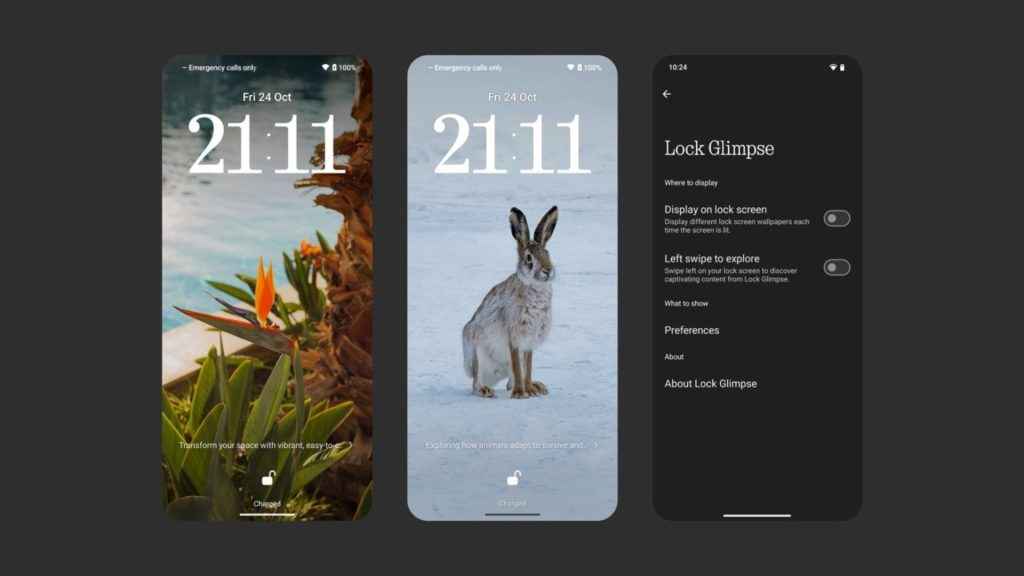
The update, now rolling out to the Phone 3a (review) and 3a Pro (review), introduces a new lock-screen experience called Lock Glimpse which is a rotating feed of wallpapers and widgets that can show reminders, weather, and quick updates. It’s optional, customisable, and can be turned off entirely. But to many early users, it feels uncomfortably familiar, a page from the Glance-style playbook found on phones from Samsung, Realme, Xiaomi and more.
Reddit threads, YouTube comments and community posts quickly labelled it “bloatware in disguise”, accusing Nothing of betraying its minimalist roots. One user summed it up: “We chose Nothing for its clean OS. My next phone won’t be a Nothing with the bloatware you’re planning to add. L move.”
When ideals meet economics
In a blog post addressing the backlash, Nothing co-founder Akis Evangelidis laid out the company’s rationale. He admitted that Nothing, as a young brand, faces “razor-thin margins” and higher component costs than established manufacturers. Without the software-based revenue streams enjoyed by giants like Samsung or Xiaomi, he said, it’s “difficult to sustain innovation and optimal pricing” purely through hardware sales.
Lock Glimpse isn’t a random experiment. It’s part of a broader strategy to introduce “a carefully considered selection of third-party partner apps” on non-flagship devices, the kind most users install anyway, like Instagram. Evangelidis framed it as a “sustainable revenue model”, one that could help Nothing stay profitable without raising prices. These apps, Evangelidis insists, won’t disrupt the Nothing OS experience and might even improve performance through deeper system integration.
But to its fans, that explanation didn’t entirely land. Because for them, Nothing wasn’t just another phone brand, it was supposed to be a statement against everything that made Android cluttered.
The cost of being an independent smartphone brand
Evangelidis’ post sheds light on a less-discussed reality of modern smartphone manufacturing: the bill of materials (BOM). Nothing reportedly pays more per component than legacy brands like Samsung or Xiaomi, which enjoy economies of scale and supplier leverage.
Tarun Pathak, Research Director at Counterpoint Research, argues that the economics are brutal but believes Nothing can still play this smartly.
“It’s difficult for a young brand to stay away from all avenues of incremental revenue,” he says. “But for Nothing, the promise of a clean, clutter-free OS is part of its core identity, and that’s exactly why its users are so vocal about this change.”
Tech Analyst and Market Insights Expert Yogesh Brar says this was inevitable.
“It is highly unrealistic for a brand like Nothing to remain completely ad-free and bloat-free in the long term, especially for its more affordable devices,” he explains. “The mid-range smartphone market operates on razor-thin margins, and generating recurring revenue from software is essential.”
Brar points out that Nothing is following a familiar trajectory, one already seen with brands like OnePlus and Xiaomi. Both entered the market with a promise of purity and gradually shifted towards monetisation as they scaled.
“While a pure software experience is a powerful way to attract an initial user base,” he adds, “the economic pressures of the Android market make it an unsustainable long-term strategy.”
So while the backlash feels emotional, the move itself is, in business terms, logical. Without software-based income, a young OEM risks pricing itself out of the market.
Pathak makes a distinction between monetising the lock screen and stuffing preloaded apps.
“Lock screens can be monetised without interrupting the overall experience in a big way,” he notes. “It’s the preloaded apps that challenge user comfort. Nothing needs to balance this carefully, because experience, not hardware, will be the key differentiator as the market matures.”
Pathak argues that monetisation doesn’t have to mean compromise. The brand just has to do it transparently and tastefully, without creating a divide between premium and mid-tier experiences.
“Someone buying a mid-range Nothing device today could move to a flagship later,” he says. “So the philosophy shouldn’t shift across price tiers. The strategy should align with monetisation without hampering the core software experience.”
The unavoidable truth
There’s a philosophical irony here. In 2022, Carl Pei himself tweeted that preinstalled apps like Instagram are “bloatware.” Fast forward to 2025, and Nothing’s co-founder now cites Instagram as the type of partner app that “most people install on day one.” All of this points to the same truth: software monetisation is no longer optional for Android brands.
“For nearly all OEMs in the mid-range market, software monetisation has become an economic inevitability,” says Brar. “A business model relying solely on one-time hardware sales is unsustainable for achieving scale or funding R&D.”
Apple remains the outlier, thanks to its vertically integrated ecosystem and high-margin hardware, but for Android OEMs, the equation is far less forgiving.
That leaves companies like Nothing with two uncomfortable choices: either raise hardware prices or open the door to curated, revenue-generating software partnerships. Lock Glimpse represents the latter, and while it may be opt-in for now, it’s a sign of how Nothing is trying to balance idealism with survival.
The bigger question
Nothing’s entire brand story has revolved around purity, the idea that technology can be simple, elegant, and transparent. But as margins shrink and competition rises, even the purest brands face a choice between philosophy and profitability.
Lock Glimpse isn’t just a new feature; it’s a glimpse into the uncomfortable reality of the modern smartphone business. For Nothing, this is the first real test of whether its minimalist philosophy can survive the messy economics of the Android ecosystem.