
Samsung Galaxy Z Fold 8 Ultra vs Galaxy Z Fold 7: India price, camera, display, battery, performance, design and more
 Follow Us
The Galaxy Z Fold 8 Ultra introduces a 5,000mAh battery, 45W wired charging and 20W wireless charging, improving on the Fold 7's 4,400mAh battery and slower charging speeds.
Samsung upgrades the ultra-wide camera from 12MP to 50MP while retaining the 200MP primary sensor and 3x telephoto lens.
The new foldable debuts the Snapdragon 8 Elite Gen 5 for Galaxy chipset, Android 17 with One UI 9, and a titanium-based display structure.
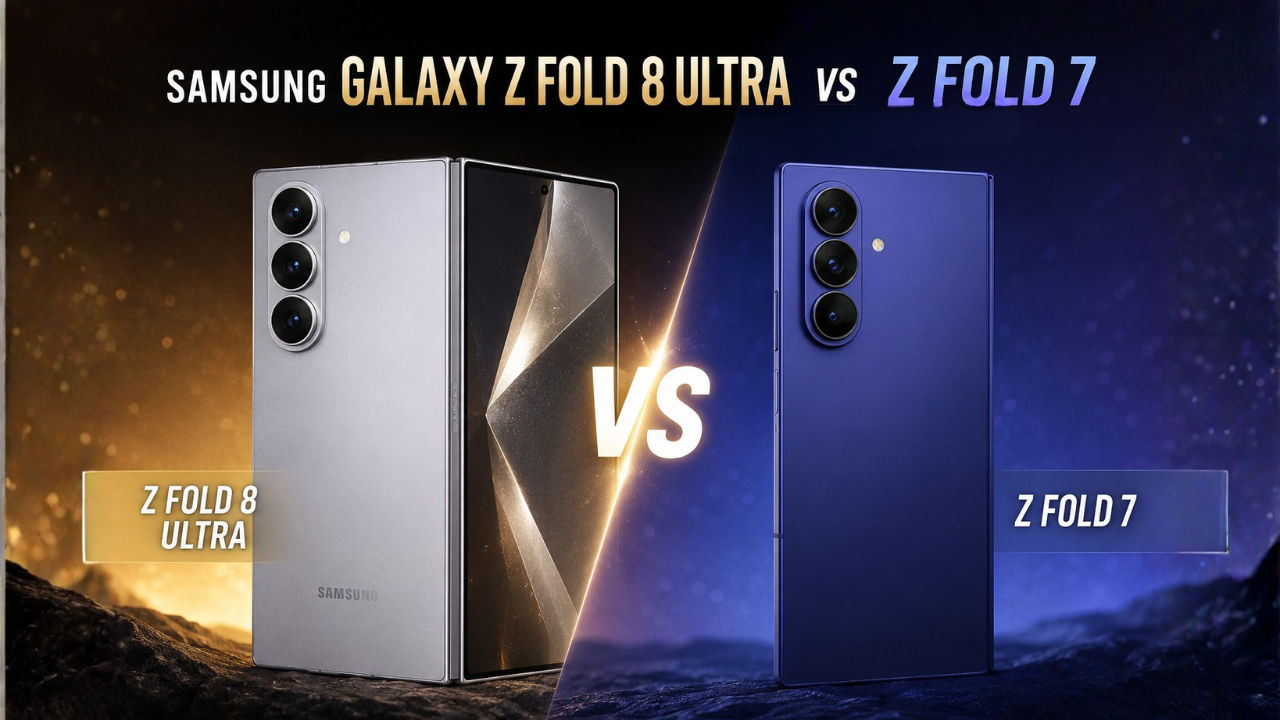

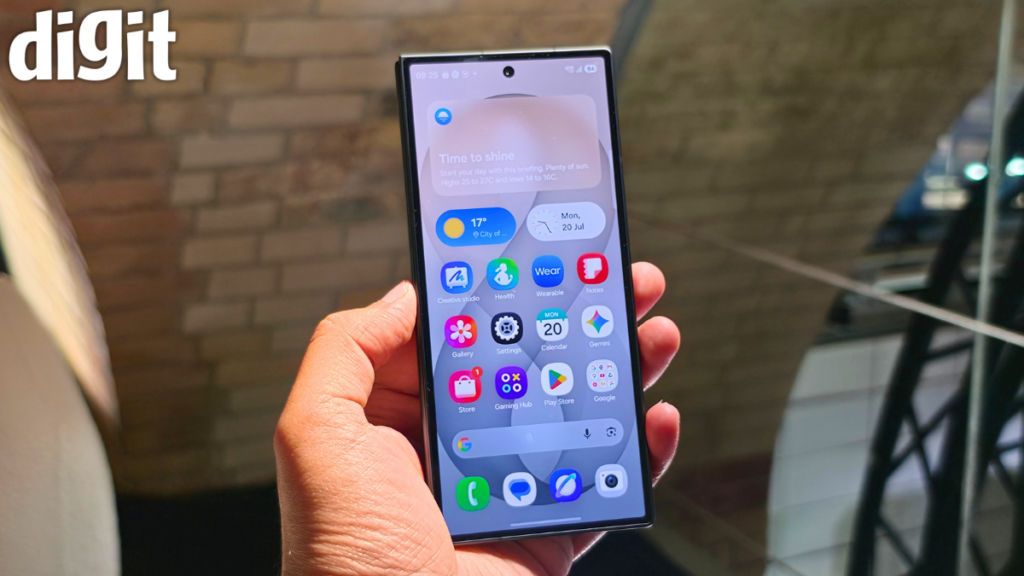
Galaxy Unpacked 2026: Samsung has just expanded its foldable portfolio with the new Galaxy Z Fold 8 Ultra, Galaxy Z Fold 8 and Galaxy Z Flip 8. The highlight of the Unpacked 2026 is the Galaxy Z Fold 8 Ultra, a new premium foldable that sits above the standard Fold lineup. It gets a new titanium-based form factor, upgraded battery, performance and camera. Samsung says it’s the most ambitious fold yet. But how different is it from last year’s Galaxy Z Fold 7? Here’s a detailed comparison of the two foldables.
 Survey
Samsung Galaxy Z Fold 8 Ultra vs Galaxy Z Fold 7: India price
Samsung Galaxy Z Fold 8 Ultra starts at Rs 1,99,999 for the 12GB + 256GB variant, while the 12GB + 512GB model is priced at Rs 2,19,999. The top-end 16GB + 1TB version costs Rs 2,59,999. In comparison, the Galaxy Z Fold 7 launched at Rs 1,74,999 for the 12GB + 256GB variant. Its 12GB + 512GB model is priced at Rs 1,86,999, while the 16GB + 1TB configuration costs Rs 2,16,999.
The Galaxy Z Fold 8 Ultra is available in Graphite, Cream, and Velvet Shadow, along with a Green Shadow colourway exclusive to Samsung.com. Pre-orders are now live through Samsung’s official website, with sales set to begin on August 7.
Samsung Galaxy Z Fold 8 Ultra vs Galaxy Z Fold 7 design and build
The Galaxy Z Fold 8 Ultra gets Samsung’s slim foldable approach but introduces a new titanium based display structure designed to reduce both thickness and crease visibility. It measures 72.8 x 158.4 x 8.9mm when folded and just 4.1mm when unfolded, while weighing 215 grams. The phone carries an IP48 rating, offering protection against freshwater immersion up to 1.5 metres for 30 minutes.
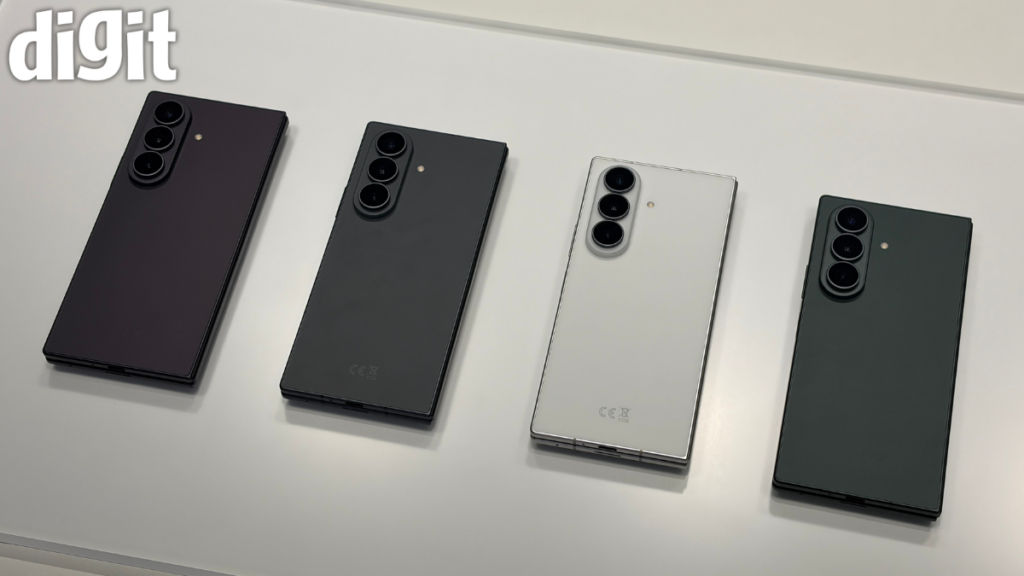
The Galaxy Z Fold 7 is equally slim at 8.9mm when folded and also weighs 215 grams. It uses Samsung’s Advanced Armor Aluminum frame, Gorilla Glass Ceramic 2 on the front and Gorilla Glass Victus 2 on the rear, along with a redesigned hinge that minimises the folding gap. It also carries an IP48 rating for water and dust resistance.
Samsung Galaxy Z Fold 8 Ultra vs Galaxy Z Fold 7 display
Samsung keeps the display size unchanged between both generations. The Galaxy Z Fold 8 Ultra features an 8-inch Dynamic AMOLED 2X main display with a resolution of 2504 x 2256 pixels (422ppi) and a 120Hz adaptive refresh rate. The outer display is a 6.5-inch Dynamic AMOLED 2X panel with a 1080 x 2520 resolution, matching the same 422ppi pixel density. Both screens also support Vision Booster for improved outdoor visibility.
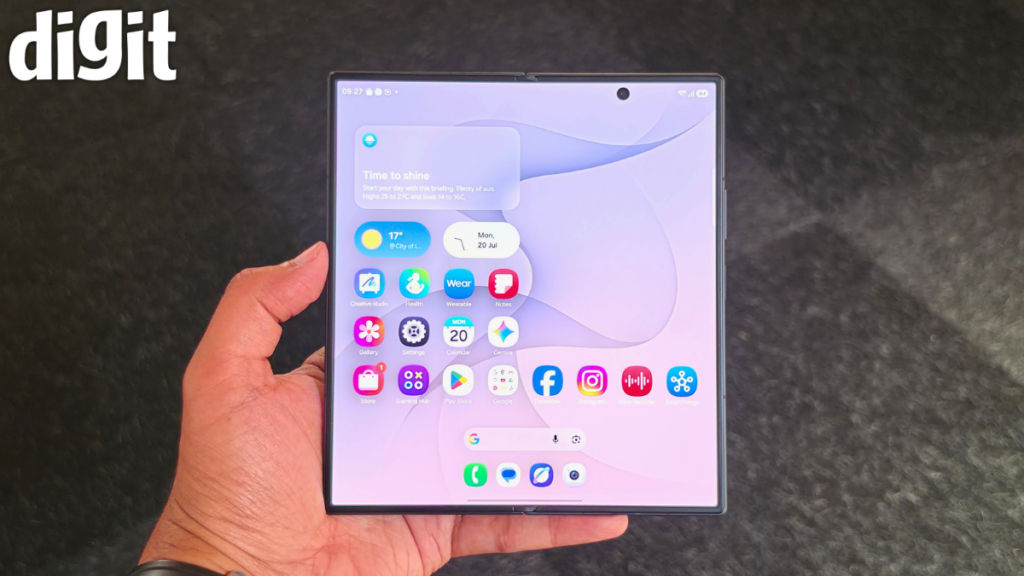
The Galaxy Z Fold 7 also offers an 8-inch Dynamic AMOLED 2X foldable display with a 120Hz adaptive refresh rate, but its resolution stands at 1968 x 2184 pixels with peak brightness reaching 2,600 nits. The cover display is also 6.5 inches with a wider 21:9 aspect ratio and a 120Hz refresh rate.
Samsung Galaxy Z Fold 8 Ultra vs Galaxy Z Fold 7 camera
The Galaxy Z Fold 8 Ultra features a 200MP primary camera with OIS and f/1.7 aperture, along with a 50MP ultra-wide camera with a 120-degree field of view and a 10MP telephoto camera supporting 3x optical zoom. The phone also gets a 10MP cover camera and a 10MP inner selfie camera. Samsung has added HDR support in the full-resolution 200MP mode and introduced 8K video recording using the new APV codec alongside Cine LUT colour grading tools for creators.
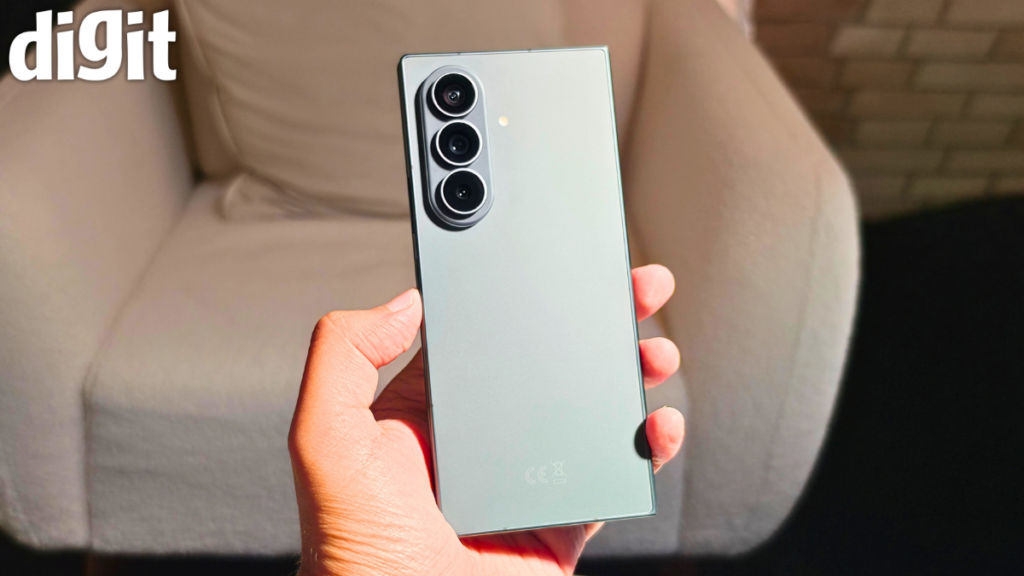
The Galaxy Z Fold 7 also uses a 200MP primary camera with OIS but pairs it with a 12MP ultra-wide sensor and a 10MP telephoto lens offering 3x optical zoom and up to 30x digital zoom. It includes 10MP selfie cameras on both the cover and inner displays and supports 8K recording at 30fps along with 4K recording at up to 60fps.
Samsung Galaxy Z Fold 8 Ultra vs Galaxy Z Fold 7 performance
The Galaxy Z Fold 8 Ultra comes with the Snapdragon 8 Elite Gen 5 for Galaxy chipset. It is available with 12GB RAM and 256GB or 512GB storage, while the top-end version combines 16GB RAM with 1TB storage. Samsung has also expanded the graphite cooling structure to improve sustained thermal performance during gaming and heavy workloads.
The Galaxy Z Fold 7 runs on the Snapdragon 8 Elite for Galaxy processor. It is available in similar memory configurations with up to 16GB RAM and 1TB of UFS 4.0 storage.
Samsung Galaxy Z Fold 8 Ultra vs Galaxy Z Fold 7 battery and charging
The Galaxy Z Fold 8 Ultra packs a 5,000mAh typical dual-cell battery (rated at 4,854mAh). It supports 45W wired charging through Samsung’s new dual-path charging architecture, reaching around 67 percent in 30 minutes with a compatible 45W adapter. It also supports 20W wireless charging and Wireless PowerShare.
The Galaxy Z Fold 7 houses a smaller 4,400mAh dual-cell battery. It supports 25W wired charging that reaches around 50 percent in 30 minutes, along with 15W wireless charging and 4.5W reverse wireless charging.
Samsung Galaxy Z Fold 8 Ultra vs Galaxy Z Fold 7 software and connectivity
The Galaxy Z Fold 8 Ultra comes with the latest Android 17 and One UI 9. It includes Samsung’s latest AI suite featuring Now Brief, Now Nudge, Gemini Intelligence integration across more than 40 services, an AI Assistant Activity dashboard and Knox-backed security enhancements. Connectivity options include 5G, LTE, Wi-Fi 7 and Bluetooth 6.0.
The Galaxy Z Fold 7 was introduced with theAndroid 16 running One UI 8 and is backed by seven years of Android OS and security updates. It supports Galaxy AI features including Gemini Live, Live Translate, Circle to Search with auto summaries and Generative Photo Assist. Connectivity includes Wi-Fi 7, Bluetooth 5.4, Ultra Wideband (UWB) and global 5G support.


