
Samsung Galaxy S26 vs iPhone 17: Don’t pick the wrong one
 Follow Us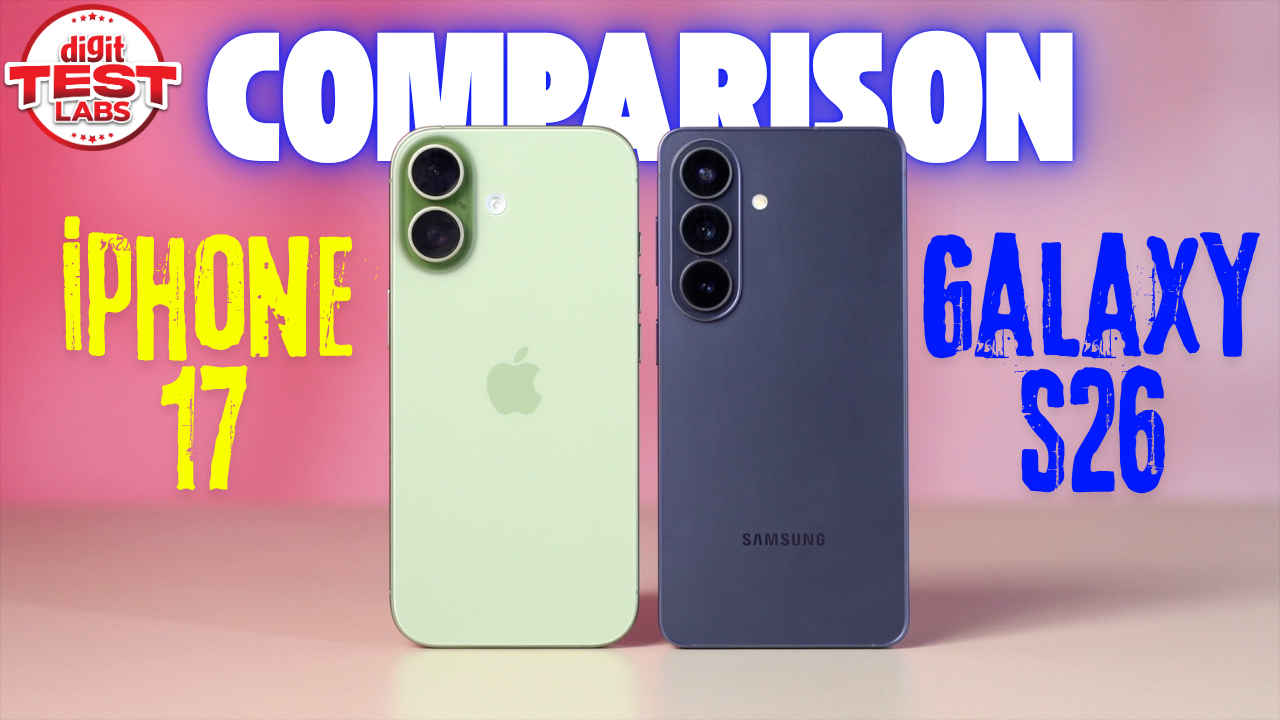

For years, comparing a base iPhone with a Samsung Galaxy S ‘vanilla’ variant never felt entirely fair. Apple’s non-Pro models always came with compromises like lower refresh rate, fewer features, and missing the few essential bits, so that you’ll naturally drift away towards the the Pro. However, that changed with the iPhone 17. This is the first time Apple’s base model feels complete. You now get a 120Hz display, improved battery life, stronger performance, and even improved Apple Intelligence. Samsung, on the other hand, has stayed consistent with the Galaxy S26. It doesn’t rely on big changes. Instead, they refined what already works like a compact design, strong hardware, versatile cameras, and a feature-rich experience that continues to evolve.
 Survey
Now, after using both devices thoroughly, the Galaxy S26 from the day it came out, and the iPhone 17 for a little longer than that, here’s my take on which of these two deserves your hard-earned cash.
Design and build quality
Both phones are compact flagships, but they feel very different the moment you pick them up.
The iPhone 17 continues with Apple’s familiar design language. Rounded edges, a matte glass back, and a shape that prioritises comfort over sharpness. It sits naturally in the hand, and over long periods of use, that comfort becomes one of its biggest strengths. The weight distribution is well-balanced. So, even when you are using it with one hand for typing, scrolling or watching content, the phone doesn’t feel tiring to hold.
Build quality is also exactly what you would expect from an iPhone. There’s Ceramic Shield 2 protection on the front, Ceramic Shield on the back, aluminium frame, and an IP68 rating.
As for the Galaxy S26, this one takes a different direction. It is slimmer and lighter than the iPhone 17, at 7.2mm and 167 grams, respectively. It’s got these flat edges that give it a sharper, more modern look. Despite the same screen size, the S26 felt slightly more compact in use.
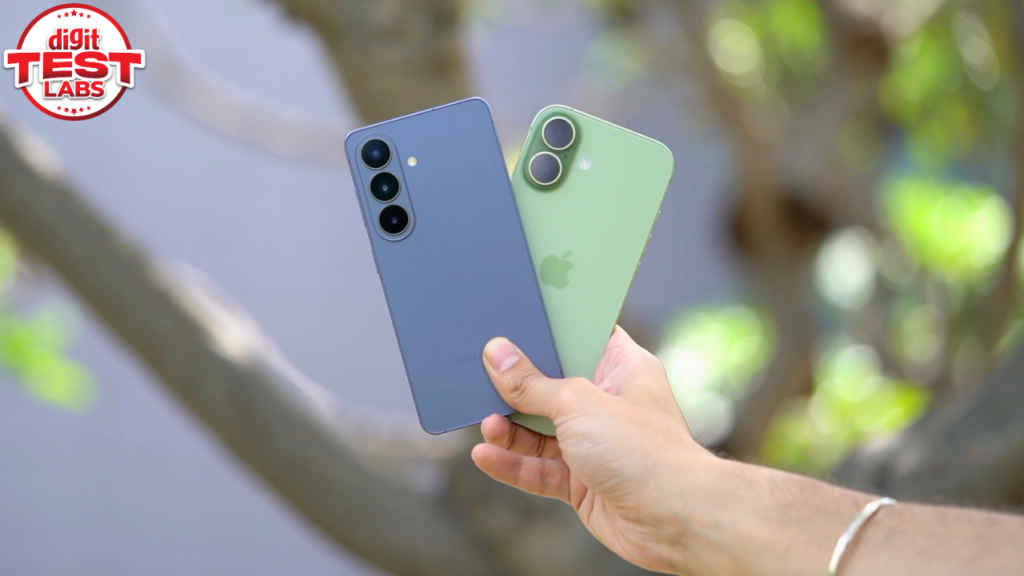
Samsung also offers a solid build with Gorilla Glass Victus 2 on both sides, an aluminium frame, and IP68 certification. However, the matte finish on my Cobalt Violet colourway tends to pick up fingerprints more easily.
With that said, both phones share one practical issue: the camera modules protrude enough to cause a noticeable wobble when placed on a flat surface. Admittedly, the S26 wobbles more.
If you’d ask me, I think in terms of overall handling, the iPhone 17 feels more comfortable and balanced. That’s just me. However, the Galaxy S26 does feel sleeker and more modern in comparison.
Display experience
The display is where Apple finally closes a long-standing gap. The iPhone 17 now features a 6.3-inch LTPO OLED panel. This is a ProMotion display, meaning there’s finally support for a 120Hz refresh rate on a standard iPhone. This feature alone changes how the phone feels in daily use. Folks who have used old-generation standard iPhones like the 14,15 or even the 16, will instantly appreciate the boost in speed and smoothness. Thanks to the 120Hz refresh rate.
Samsung, on the other hand, also gets you a 6.3-inch LTPO panel on the Galaxy S26. They call it a Dynamic AMOLED 2x display, and it also has a variable 1-120Hz refresh rate.
In the real-world, side by side, both displays are excellent. If I have to break it down, the iPhone 17 leans towards a more natural colour reproduction, while Samsung opts for slightly more vibrant and punchy colours.
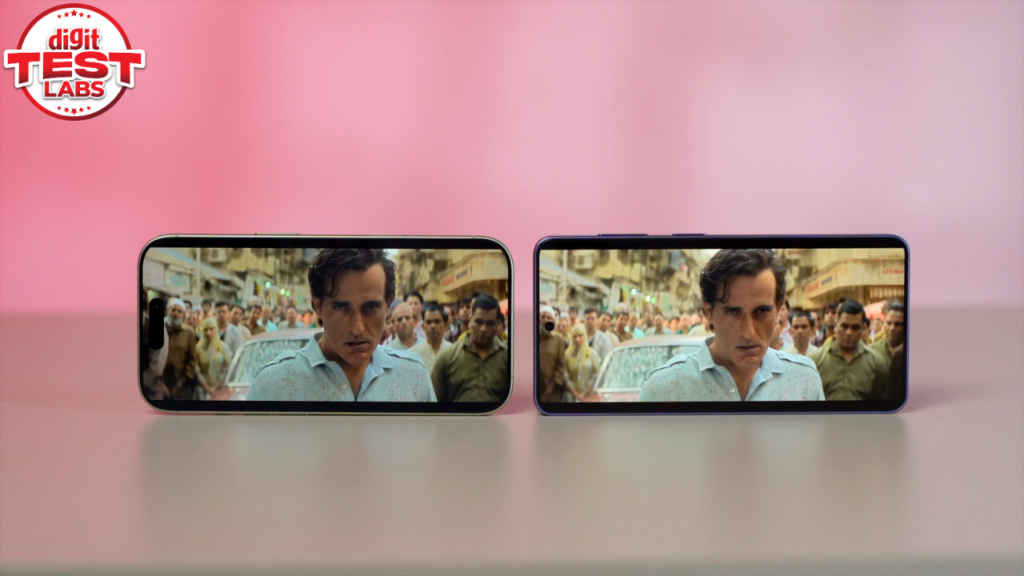
However, brightness is where Samsung gets ahead. In our brightness test, the iPhone 17 reaches around 2,160 nits in outdoor conditions, which is more than sufficient. The Galaxy S26 takes this even higher to around 2,650 nits, and that difference becomes quite noticeable under direct sunlight.
Basically, if you choose the iPhone 17, you get a bright and reliable display. However, if you pick the Galaxy S26, the display experience is even brighter and more vibrant. And, you can also tweak the display profile on the S26, something the iPhone doesn’t let users do. Pick your poison.
Performance and daily usage
On paper, there’s no doubt that these are two of the best entry-level flagship phones you can buy right now. However, there are still some differences between them when it comes to actual usage. Let me break it down.
The iPhone 17 runs on Apple’s A19 chip, while the Galaxy S26 is powered by the Exynos 2600 built on a 2nm process. And yes, if you just look at raw numbers, Samsung clearly pulls ahead.
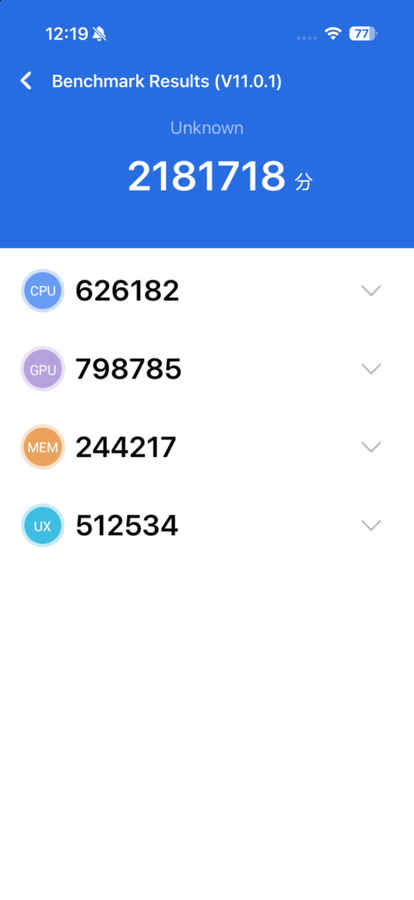
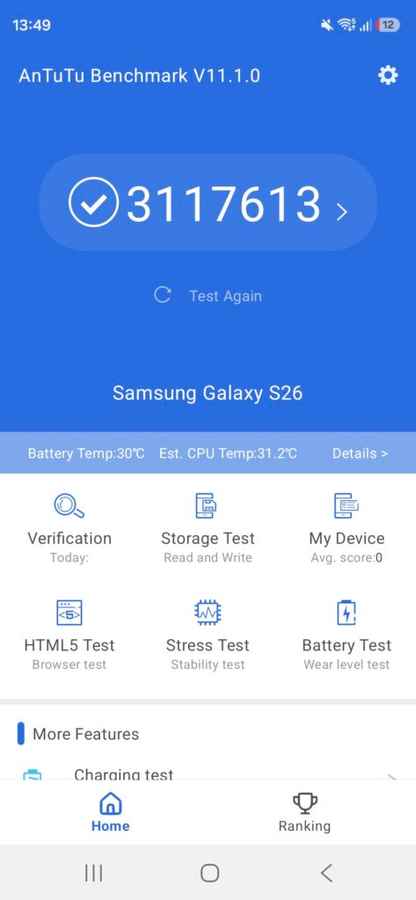
In my testing, the Galaxy S26 scored around 3.1 million on Antutu, while the iPhone 17 was closer to 2.1 million. That’s a huge difference.
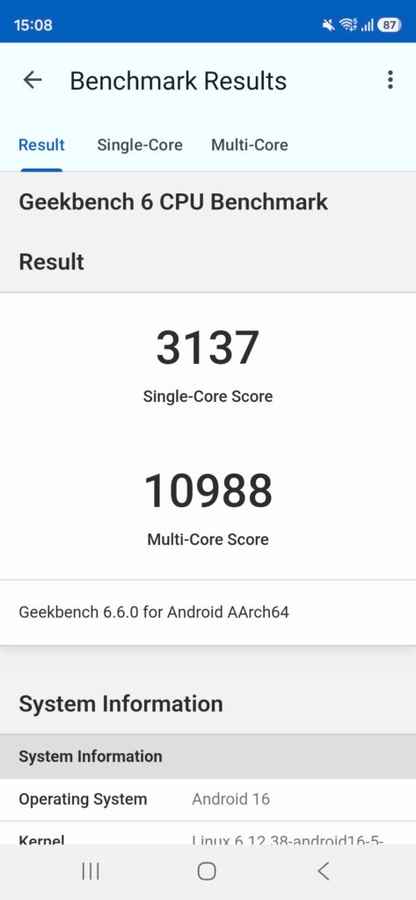
In Geekbench 6, the difference becomes even more interesting. The Galaxy S26 scored around 3,137 in single-core and over 10,000 in multi-core, while the iPhone 17 actually beats it in single-core with 3,770, and comes close in multi-core at 9,657. This tells, for the general stuff, the iPhone 17 is slightly better. But for multi-core heavy tasks, the Galaxy S26 is tuned to handle them better.
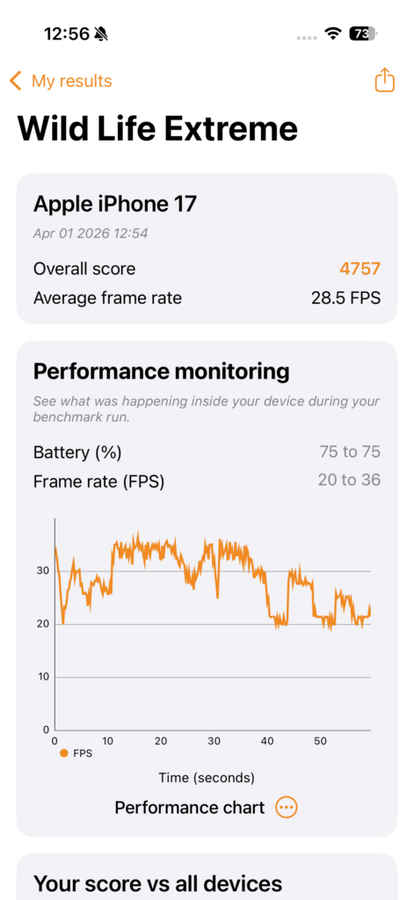
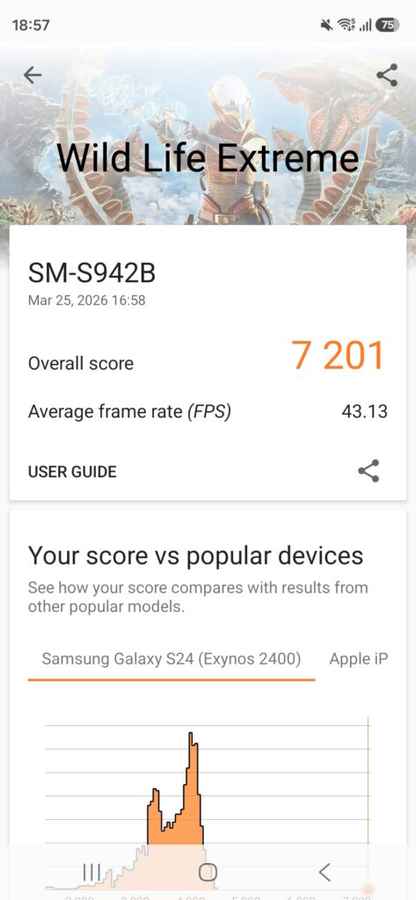
GPU performance also leans towards Samsung. In the 3DMark Wild Life Extreme test, the Galaxy S26 scored 7,201, while the iPhone 17 managed 4,757.
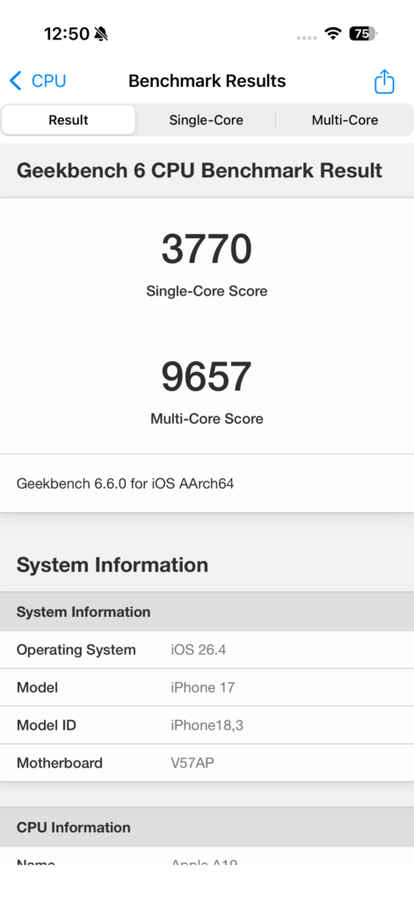
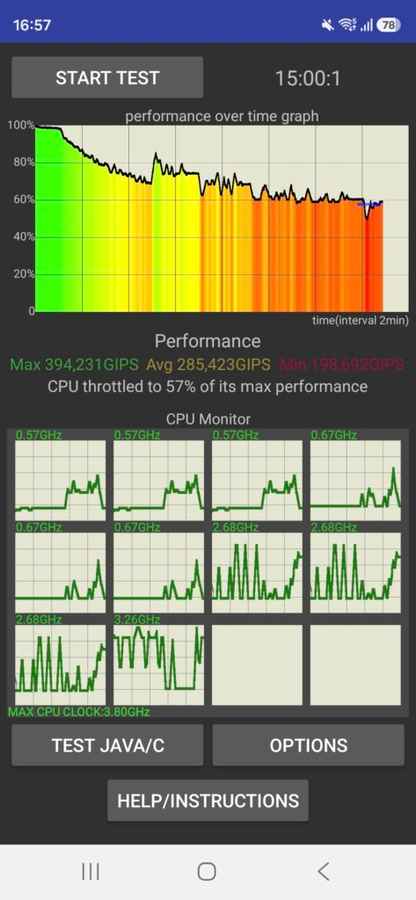
But here’s where things change. While running benchmarks on a phone is fine, and they do give you an idea of what kind of performance to expect from the hardware, what matters most is real-world use. And to me, in actual day-to-day usage, the iPhone 17 feels more consistent. Remember the Geekbench 6 score in single-core? App launches, animations, app-switching, stuff that creates the basic premise of how you use your phone, feel faster on the iPhone. Naturally, once you open that big video editing app and export a 4K video, the S26 will give you the output at a faster rate. You need to figure out your priorities in a phone. For a power user, the S26 may be a better option because of how the hardware is tuned. But, for the general user, the iPhone 17 will do everything almost as well as the S26.
That said, when it comes to gaming, despite the GPU hardware being better on the S26, I found the iPhone 17’s performance to be more consistent here. Sure, the S26 has the raw hardware, but in the long haul, the phone tends to get warm while gaming. The good thing is that both phones support up to 120fps gameplay on BGMI and COD: Mobile. However, if you are a fan of Genshin Impact, sadly, the S26, just like other Android phones, only supports up to 60fps gameplay. Meaning, if you want that 120fps Genshin Impact experience, you have to go the iOS way.
Camera performance
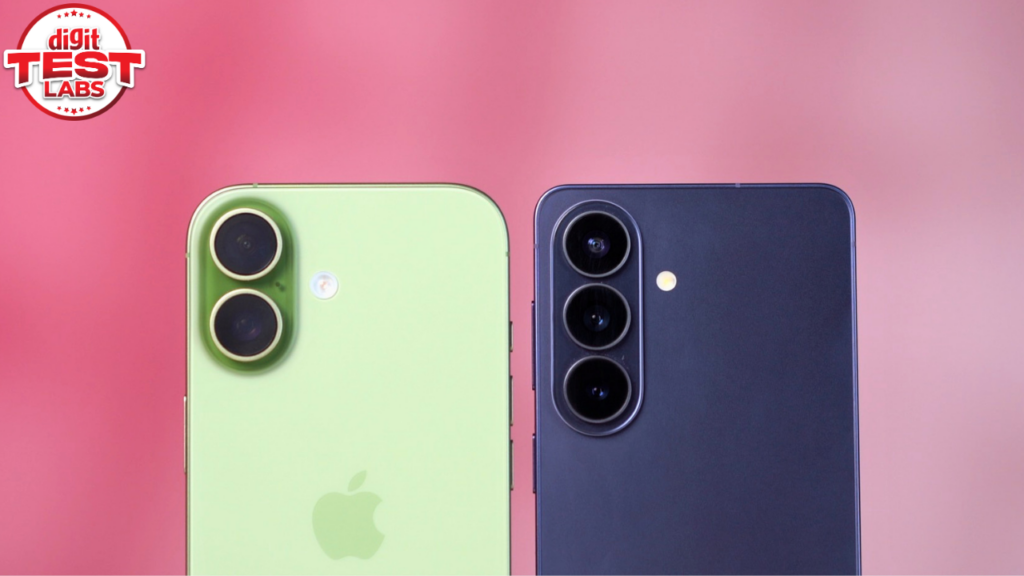
Just like its predecessors, the iPhone 17 still uses a dual-rear camera setup. However, both the primary and ultra-wide sensors are now 48MP. By default, you also get the option to click 12MP, 24MP or 48MP shots.
The Galaxy S26, on the other hand, offers a more versatile triple-camera setup, including a 50MP main sensor, a 12MP ultra-wide, and a 10MP 3x telephoto lens.
Let’s talk about the photos now, shall we?
In good light, the iPhone 17 produces sharper images with better detail retention, especially in textures. However, it leans slightly towards warmer tones. Samsung’s images are more vibrant and tuned for social media, though sometimes this comes at the cost of fine detail, particularly in elements like hair texture and details.
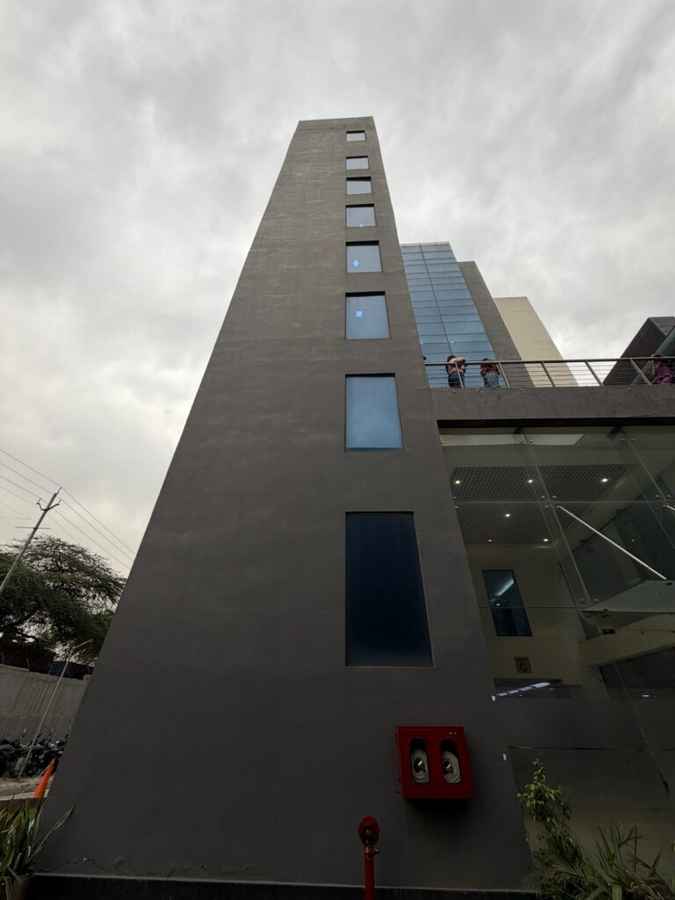
(Above are the photos taken with the iPhone 17, and below are the ones taken with the Galaxy S26. You can see a detailed comparison in our full comparison video)








That said, low-light photography is an area where Samsung takes it away from the iPhone. The Galaxy S26 captures more detail and handles darker scenes more effectively. Also, I like the fact that it didn’t try to artificially make the sky ‘bluer’.

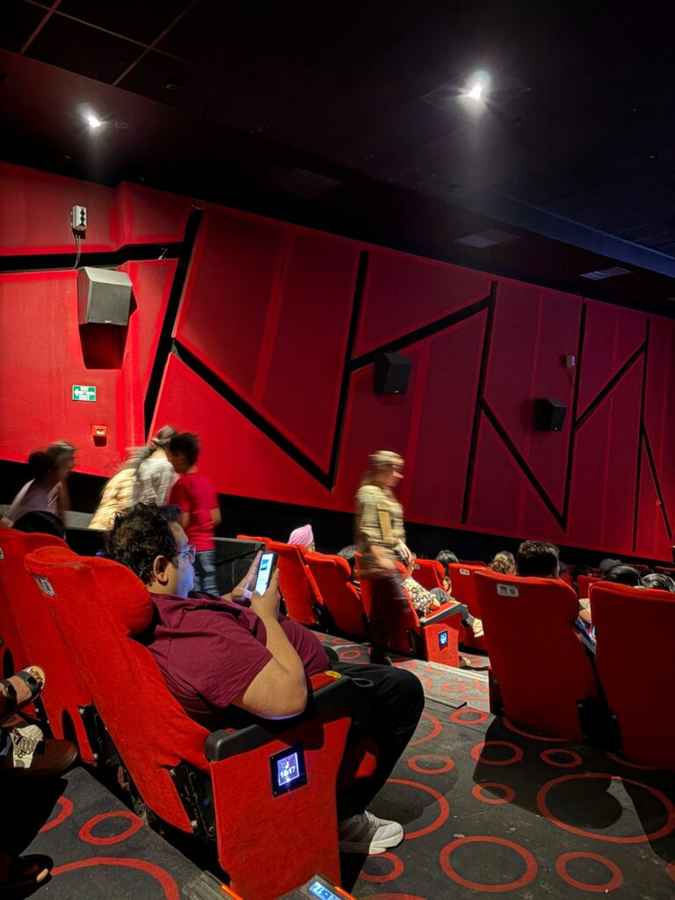


Additionally, the biggest advantage for the Galaxy S26 is in zoom and portraits. The dedicated 3x telephoto lens allows for better framing, more natural background blur, and greater flexibility. As a result, portraits look better and background blur is more natural.






However, when it comes to the ultra-wide camera, this is a major improvement on the iPhone 17 this year. In comparison, I found the ultra-wide images taken on the iPhone to be sharper. Edge distortion was also pretty minimal, and the overall quality is great. Samsung’s ultra-wide camera is also good, but again, the iPhone does it slightly better.


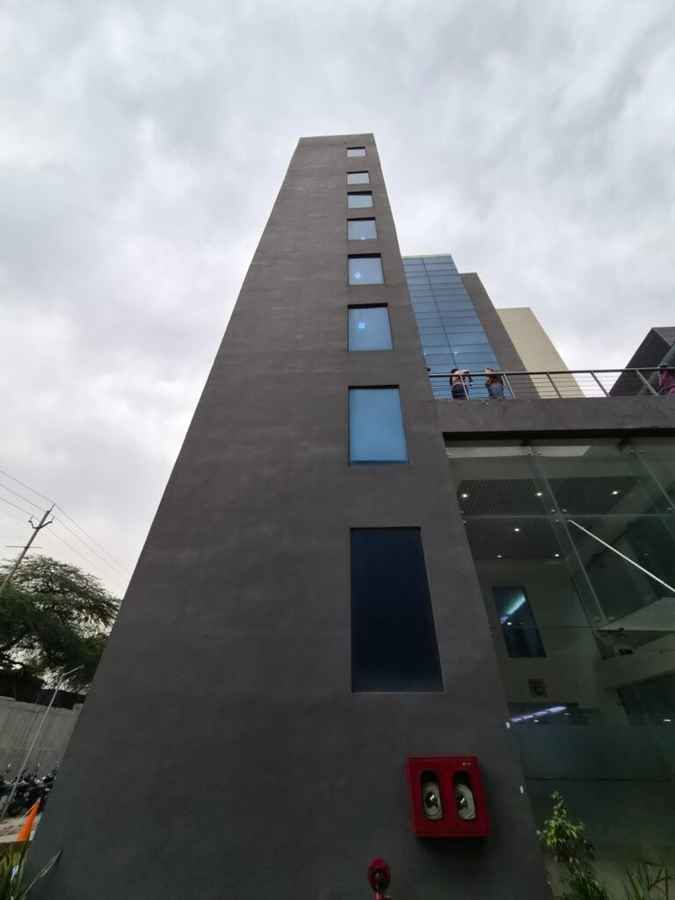


For selfies, the iPhone 17 produces more natural-looking results with accurate skin tones. However, the Galaxy S26 is better at handling HDR. Where I would give the iPhone 17’s selfie camera an edge is in the fact that it is CentreStage this time. This means, it gives you the versatility to fit more into the frame. That said, overall quality wise, despite the iPhone producing more natural results, the selfies taken on the S26 look more appealing.






Finally, video recording is one area where Apple still remains the undisputed champion. Stabilisation, colour accuracy, and overall consistency are still better on the iPhone, even though Samsung offers higher resolution options like 8K recording, while the other lenses support 4K at 60fps.
Software and AI
The iPhone 17 runs iOS 26 with Apple Intelligence, and the first thing you notice is how polished everything feels. The new Liquid Glass design looks clean, animations are smooth, and the overall experience is very controlled. Apple Intelligence brings features like Live Translation, Visual Intelligence, and Image Playground. They work well, especially if you’re already inside Apple’s ecosystem, but right now they feel more like helpful additions rather than something you rely on every day.
However, on the Samsung side of things, the Galaxy S26 runs One UI 8.5 based on Android 16. This one also gets you its own suite of AI features, aka Galaxy AI. In fact, it’s not even about Apple right now. If there’s a phone company that’s actually giving you practical AI features, it’s Samsung.
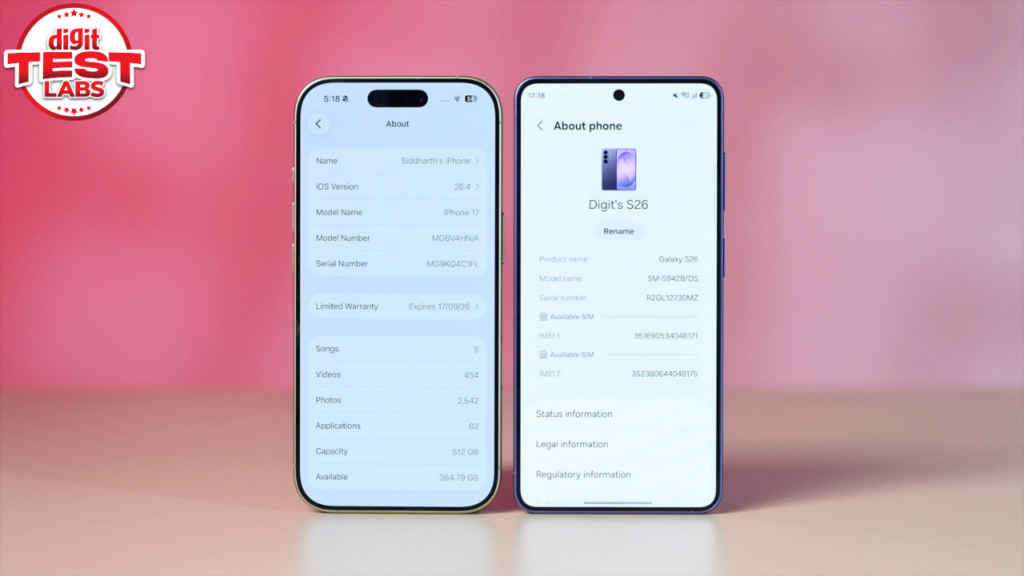
Features like Now Brief give you a summary of your day, weather, schedule, and reminders, all in one place, without you having to open multiple apps. Then there’s Now Nudge. It actively looks at what you’re doing and suggests actions in real time. For example, if you’re checking a location, it might suggest navigation. If you’re browsing something, it might surface related tools or shortcuts. But this is just the start.
Google also improved its Circle to Search for the Galaxy S series, where you can now identify multiple objects in one go instead of repeating the process. Speaking of Circle to Search, it reminds me of AI Select, which is Samsung’s own take on the feature, but this one’s on steroids. Once you select something on the screen, you can interact with it in so many different ways that Circle to Search just can’t.
Even in image editing, Samsung’s AI tools are so much more practical than the competition. Object removal, adjustments, and quick edits are faster and more flexible compared to Apple’s current implementation.
Finally, in terms of software updates, Samsung promises 7 years of support. As for the iPhone 17, while Apple doesn’t give a number, historically, iPhones have always received updates for around 7 years, and the iPhone 17 should be no different. Either way, you are covered.
Battery and charging
Battery performance is where expectations are usually high with flagship phones. But, since these are ‘compact’ flagships, especially with 120Hz displays and AI features, your mileage will vary depending on what kind of user you are.
The iPhone 17 features a 3,692mAh battery, which may sound underwhelming at first, but in actual usage, it performs surprisingly well. The main reason for this is the fact that iOS is not as resource-hungry as Android.
In my testing, the iPhone 17 delivered around 22 hours of video playback, which is excellent. In daily use, with a mix of social media, camera, and streaming, I was getting around 6 to 7 hours of screen-on time, especially when charging up to 80 per cent.
On the other hand, the Galaxy S26 comes with a larger 4,300mAh battery, and that shows in consistency. If you use your phone moderately, it will comfortably last a full day, and by the time you are in bed, you will still have around 10 per cent battery left.
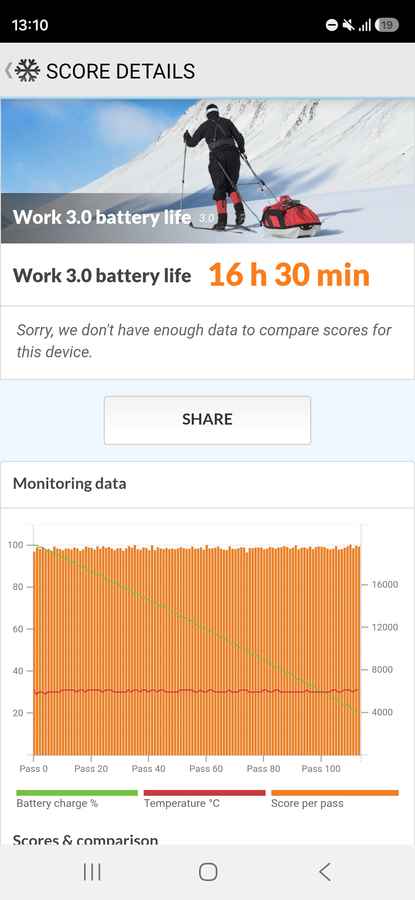
For those who care about numbers, in the PCMark battery test, the Galaxy S26 got 16 hours and 30 minutes of screen-on time, which is solid, given its size.
As for the charging, both phones support 25W wired charging, and in my testing, both took roughly 1 hour and 15 minutes to go from 0 to 100 per cent. Wireless charging is also available on both, but the iPhone 17 gets faster speeds at 25W with proper MagSafe compatibility. While the Galaxy S26 only get 15W wireless charging speed with no MagSafe support.
Galaxy S26 vs iPhone 17: Which one should you pick?
The choice between an iPhone and a Galaxy has never been easy. But, at least, for the first time in years, this comparison feels genuinely balanced. I would say the standard iPhone is no longer just a ‘safe’ option. In fact, if you get the iPhone 17, this one is a complete flagship with strong optimisation, reliable cameras, consistent performance, and finally, a 120Hz display.
The Galaxy S26, however, still offers more in terms of features. It has a brighter 120Hz display, more versatile cameras, higher peak performance, and more capable AI features.
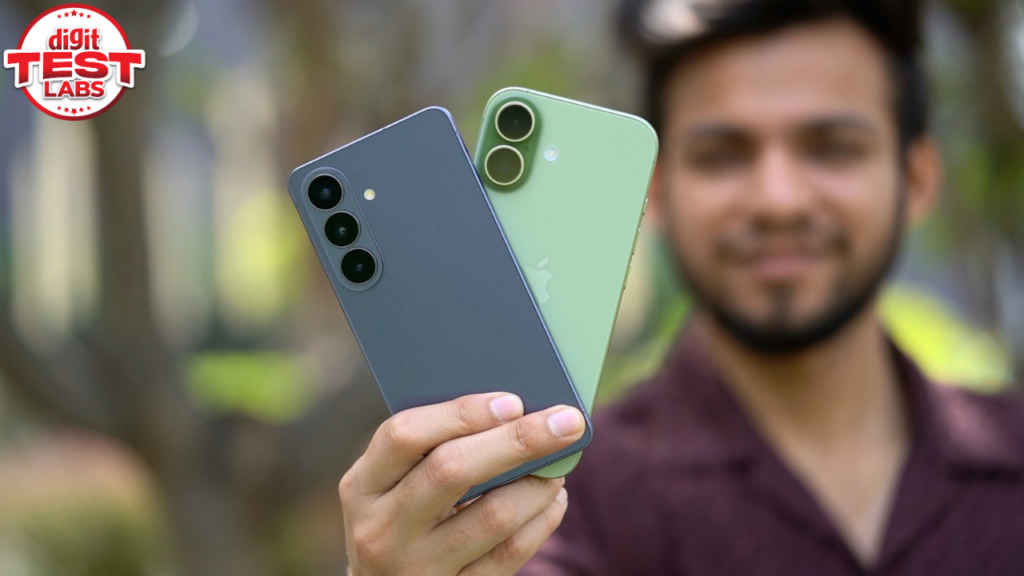
So, let me put it this way for you. If you want a phone that feels stable, refined, and consistent every day, the iPhone 17 makes more sense. But, if you prefer more power, flexibility, and features packed into a compact flagship, the Galaxy S26 is the better choice.
Basically, it’s not at all about which one is better overall; it’s about which approach suits you more. Either way, you won’t be disappointed with your purchase.


