
Best phones with periscope camera to buy in India in 2026: Vivo X300 Ultra, iPhone 17 Pro and more
 Follow Us
OPPO Find X9 Ultra becomes the first smartphone with a dual-periscope camera system, offering up to 10x optical zoom and 120x digital magnification.
Vivo X300 Ultra packs a 200MP ZEISS APO periscope lens with gimbal-grade stabilisation and support for an optional 400mm telephoto extender.
Samsung Galaxy S26 Ultra, iPhone 17 Pro, and Google Pixel 10 Pro XL take different approaches with advanced optics, AI-enhanced zoom, and professional-grade video features.
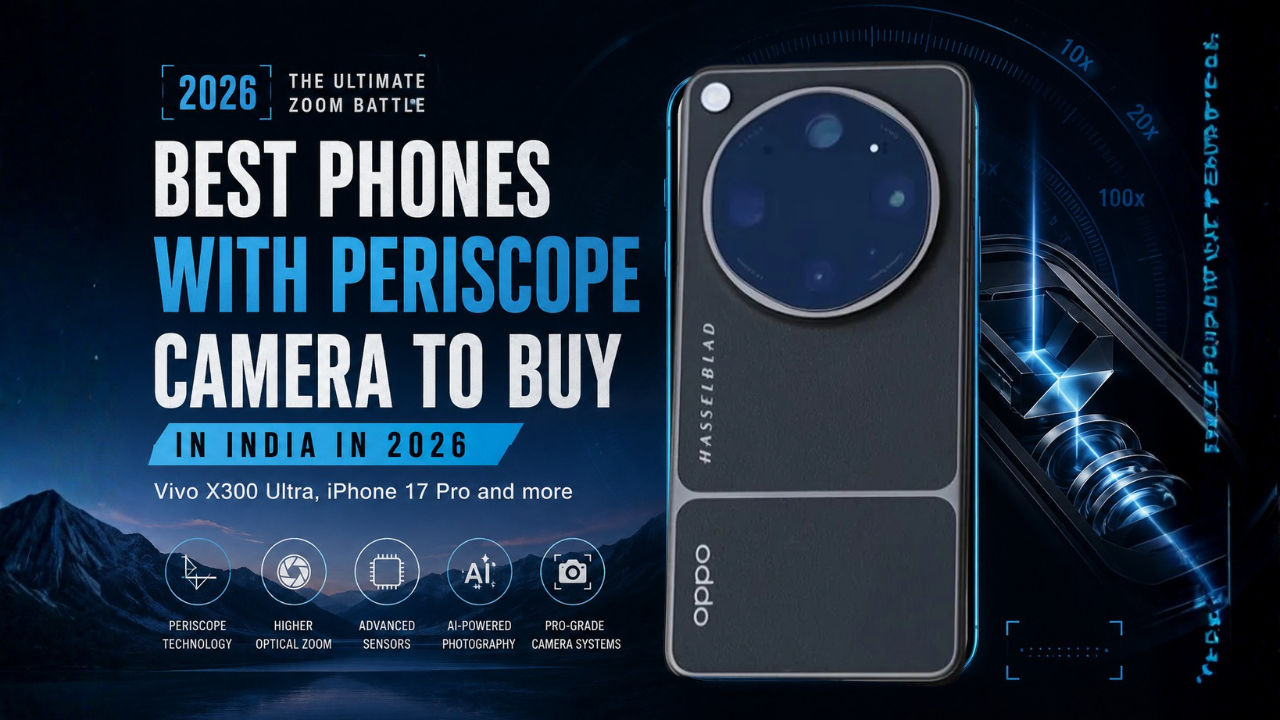

Periscope cameras have now become an important factor, or should I call it a big differentiator, specifically for the flagship segment. As a result, we are seeing all the brands pushing from the conventional camera setup to better optical engineering, stabilisation systems, AI-enhanced zoom, sensor sizes and modular lens attachments.
 Survey
Coming to 2026, manufacturers have already taken different routes to improve the zoom performance. Some of them are relying on larger sensors and advanced optics, while others are using AI driven image processing to extend reach. Oppo came up with dual periscope setup with Find X9 Ultra, Vivo now offers a giant 200MP ZEISS-powered telephoto camera with X300 Ultra, Apple offers a redesigned tetraprism lens and Samsung’s new ALoP architecture and that shows there is no single formula for success.
So, if you are looking for a camera phone and zoom photography is your priority, check out these best smartphones with periscope cameras available in India.
Oppo Find X9 Ultra
The Oppo Find X9 Ultra comes at the top for me. It offers two dedicated periscope telephoto cameras and is developed alongside Hasselblad. As a result, you can cover multiple focal lengths without relying on digital zoom.
The first one uses a 200MP sensor in a 1/1.28-inch format paired with a 70mm-equivalent focal length and f/2.2 aperture. It offers close focusing at 15cm, allowing it to double as a macro. The second one is a 50MP sensor, 230mm-equivalent focal length and f/3.5 aperture. This translates to the first ever 10x optical zoom that can capture great quality zoom shots.
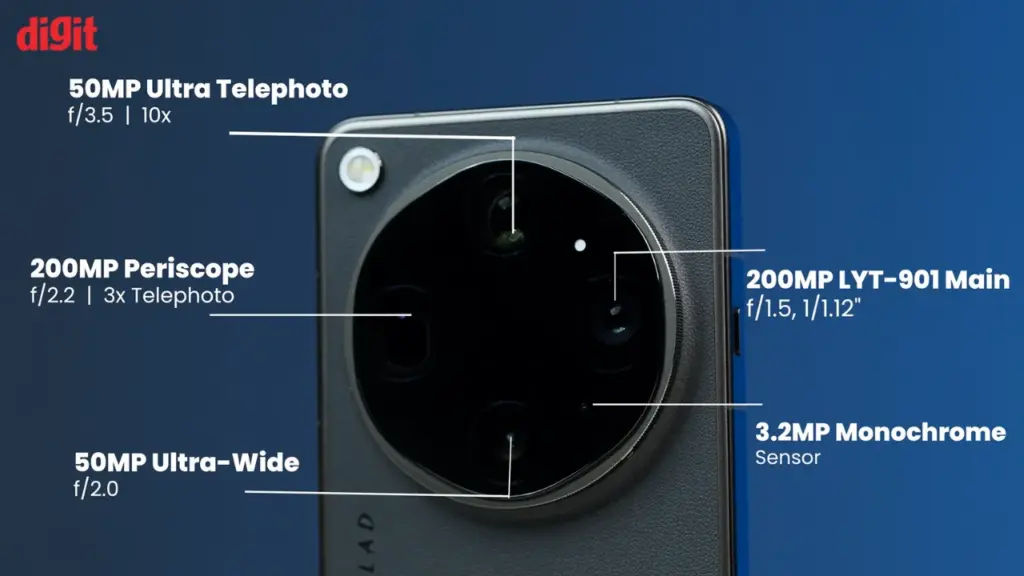
The company has also added anti-reflective coatings that block 99.999 percent of stray light, sensor-shift optical stabilisation and LUMO Image Engine. The rear setup also includes a 200MP Sony LYT-901 primary camera, a 50MP Sony LYT-600 ultra-wide sensor and a 3.2MP multispectral colour sensor. Selfies are handled by a 50MP Samsung ISOCELL JN5 camera with autofocus.
Vivo X300 Ultra
This one does not have two telephoto cameras but focuses on a single high-resolution periscope lens. The Vivo X300 Ultra features a 200MP ZEISS APO Periscope camera based on Samsung’s ISOCELL HP0 sensor in a large 1/1.4-inch format. It offers 85mm equivalent focal length with an f/2.7 aperture. The company has integrated ZEISS APO optics to minimise chromatic aberration and improve colour accuracy. Additional ZEISS T coatings and Super Blue Glass help reduce internal reflections and lens flare.
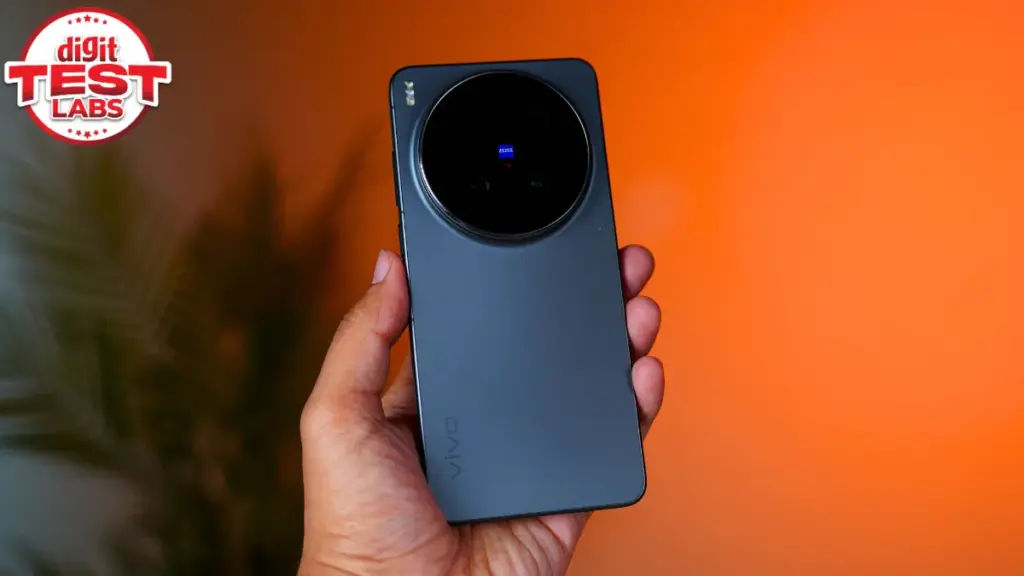
Vivo also claims that the camera offers a 3-degree gimbal-level stabilisation angle and meets the CIPA 7.0 standard. It also claims that it can also track moving subjects at 60fps. The X300 Ultra also supports a modular ZEISS Telephoto Extender accessory. When attached, it effectively converts the camera into a 400mm optical system, with further digital extension reaching 1600mm.
The device also features a 50MP Sony LYT-901 primary sensor with a 35mm equivalent focal length, a 50MP Sony LYT-818 ultra-wide camera with optical stabilisation and a 5MP multispectral sensor. It can record 4K 120fps Dolby Vision and Log video recording through the periscope lens.
Apple iPhone 17 Pro
The Apple iPhone 17 Pro takes a different approach. Instead of extending optical reach further, it wants to make the zoom range more practical for everyday use. It comes with a 48MP sensor that is 56 percent larger than the previous generation and offers 100mm equivalent focal length with an f/2.8 aperture.
Apple has redesigned the tetraprism structure to reduce the size of the folded optics module while introducing a three-axis sensor-shift stabilisation system. The telephoto camera also supports 4K 120fps recording in Apple Log 2 and ProRes formats.
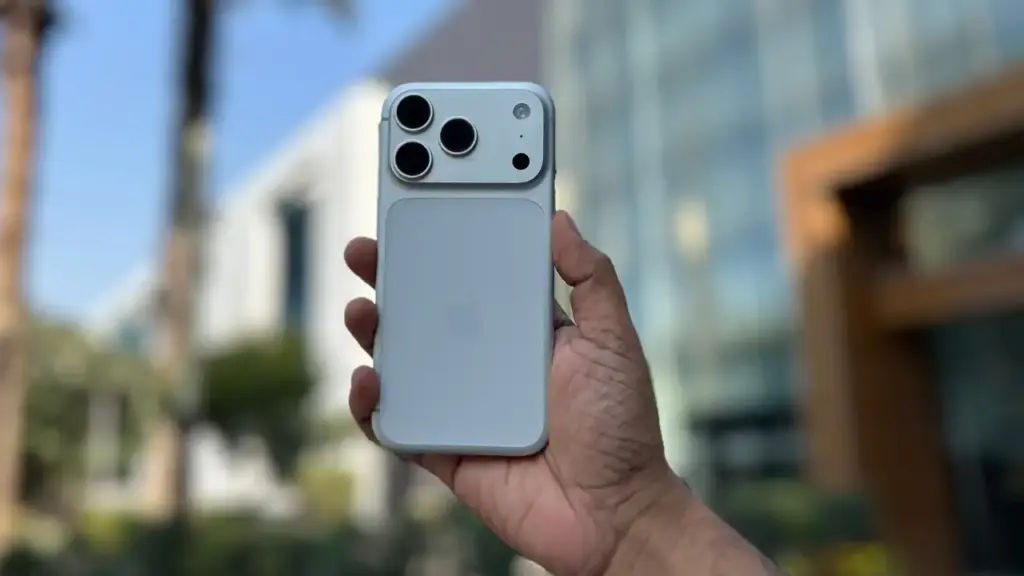
It also offers a 48MP primary camera, a 48MP ultra-wide camera with macro capabilities and an 18MP front-facing camera with Center Stage support. LiDAR supports depth mapping and Spatial Video capture.
Samsung Galaxy S26 Ultra
Samsung, with its Galaxy S26 Ultra, now offers an Advanced Lens on Sensor (ALoP) design instead of a traditional prism-based setup. This arrangement brings the lens horizontally in front of the sensor, making the lens thinner. And even after the slimmer design, Samsung retains a 5x optical zoom camera based on a 50MP Sony IMX854 sensor.
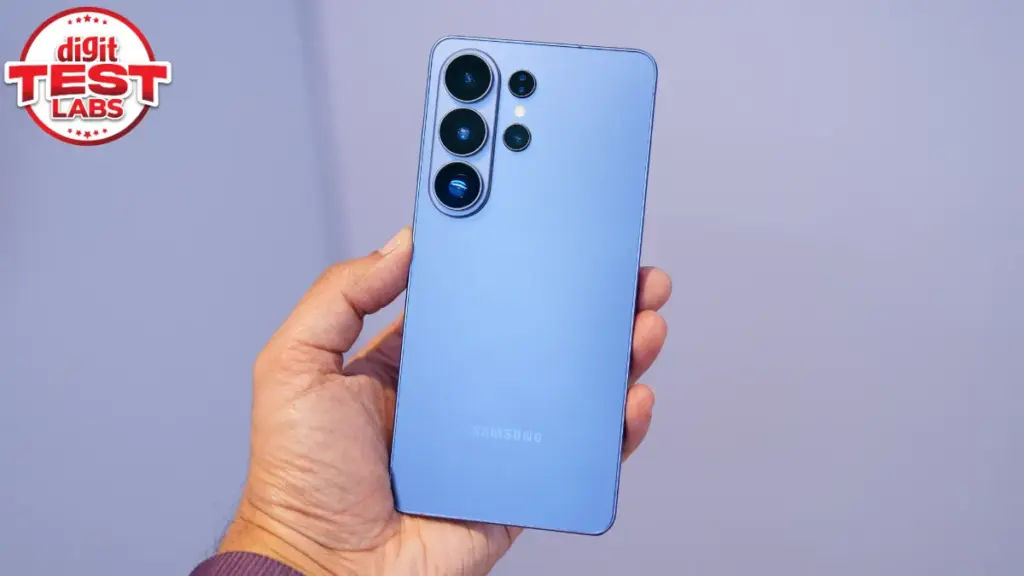
The camera offers a 111mm equivalent focal length and a brighter f/2.9 aperture. The sensor also enables a lossless 10x crop mode, while Galaxy AI powers zoom levels up to 100x. It also offers AI tools like image enhancement, object removal and reflection reduction directly within the camera workflow. Video recording extends to 8K at 30fps and 4K at 120fps. Other cameras include a 200MP primary sensor, a dedicated 10MP 3x telephoto lens and a 50MP ultra-wide camera. Selfies are handled by a 12MP front camera.
Google Pixel 10 Pro XL
Google Pixel 10 Pro XL also offers a cool periscope camera. It offers a 48MP periscope camera featuring a 5x optical zoom range equivalent to roughly 110-128mm. It uses a Quad PD sensor paired with optical stabilisation and phase-detection autofocus. While the hardware may not look aggressive, Google’s AI processing does a good job.
The company’s Pro Res Zoom system uses the Tensor G5 chipset to improve image quality at higher zoom levels. Zoom Enhance can also apply additional detail reconstruction after an image has already been captured.
The remaining cameras include a 50MP primary sensor, a 48MP ultra-wide camera with macro support and a 42MP front-facing camera capable of recording 4K 60fps video.
Which phone should you buy?
So, if you would ask which one wins? There is no universal winner in the periscope camera segment this year because every manufacturer is solving the zoom photography challenge differently.
The Oppo Find X9 Ultra’s dual-periscope arrangement makes it one of the most versatile optical zoom systems available. The Vivo X300 Ultra works on sensor size, stabilisation and professional grade optics. The Apple iPhone 17 Pro also works on practical focal lengths and video recording. On the other hand, Samsung Galaxy S26 Ultra offers capable hardware with AI Zoom enhancements, while Google Pixel 10 Pro XL still maintains the lead in computational photography and post processing capabilities.


