
A legacy name, a new display, and no loud marketing: Story of Alcatel’s India comeback
 Follow Us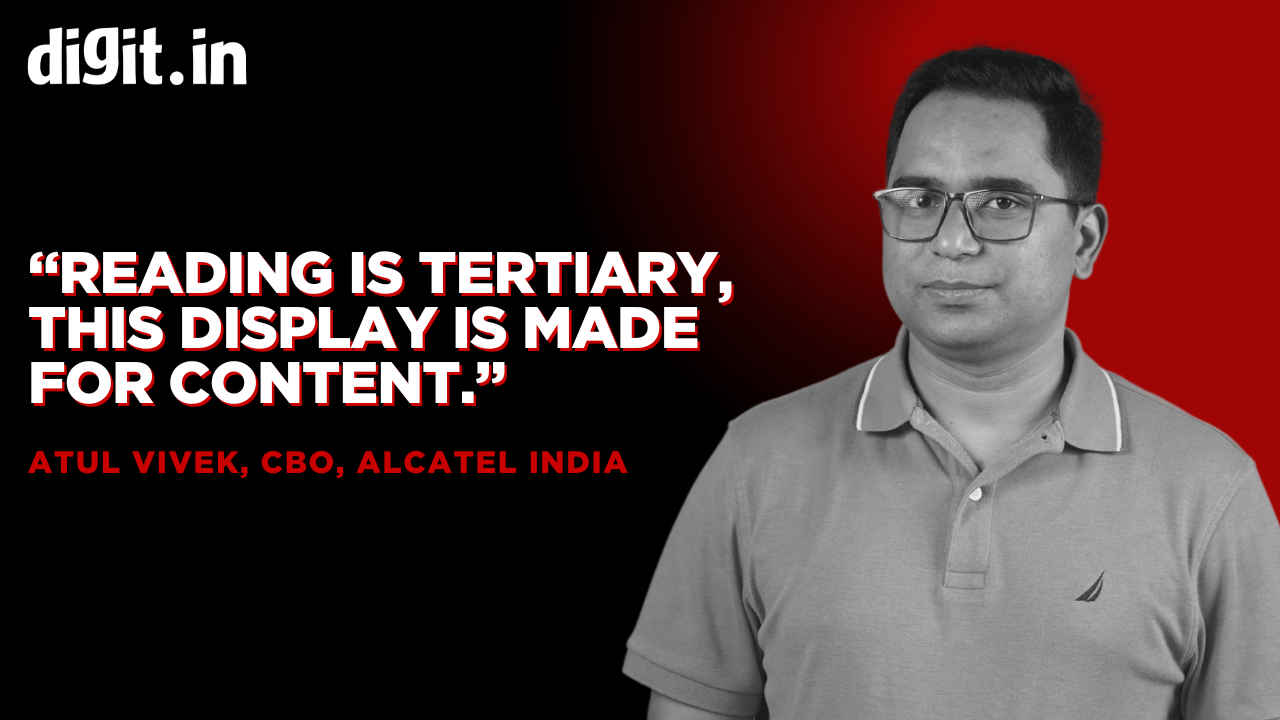

Alcatel is like MG Motors in India. It is a legacy brand worldwide that has made a comeback in India. Many might not know about the brand in the country, but this French consumer electronics brand is trying to find its niche in the huge Indian tech market. The comeback is being headlined by a very interesting product – the Alcatel V3 Ultra, a sub-Rs 20,000 smartphone. As per the brand, the device blends ergonomic design, local manufacturing, and a unique “nxtpaper” display aimed at eye comfort. But in a segment teeming with competition, what exactly is Alcatel betting on?
To find that out, Digit had an exclusive chat with Atul Vivek, Chief Business Officer at Alcatel India (Nxtcell India). He shared details about why the brand decided to make a comeback in India after so many years, and what their strategy is.
 Survey
V3 Ultra: What’s in a name?
Before heading into any of the details, we were curious to know what went behind the naming of the debut product, “Alcatel V3 Ultra”. Naming conventions in the smartphone world are crowded; most alphabets have already been taken, laughs the executive.
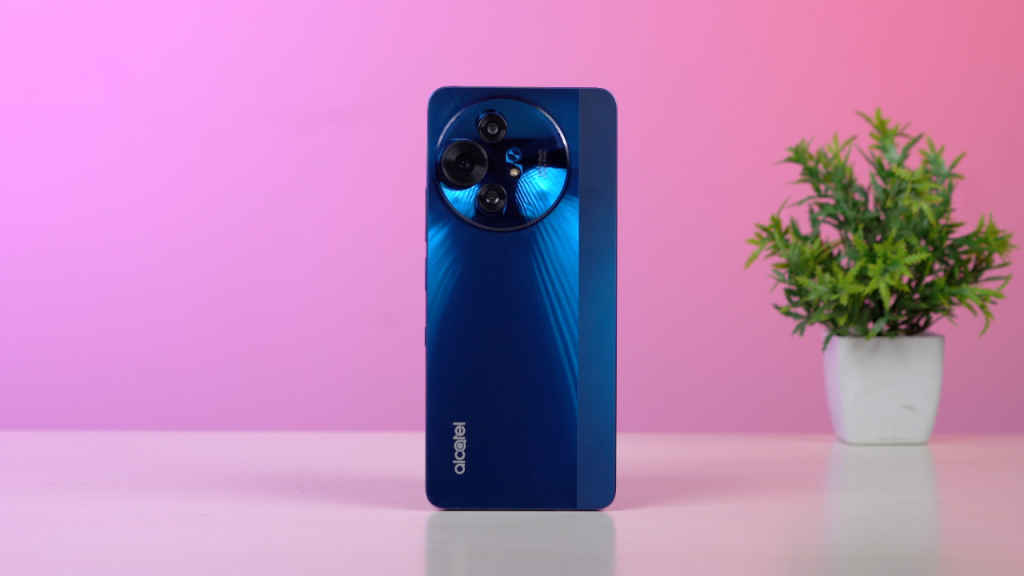
Alcatel leaned into its legacy to name the V3 Ultra. The “V” comes from a phonetic familiarity and the feeling of community, while the “3” is a subtle callback to Alcatel’s earlier “OneTouch” series. The word “Ultra” is not about flagship specs, but rather refers to the stylus and the phone’s standout display tech, as per Vivek.
Nxtpaper display: Niche or gamechanger?
The V3 Ultra’s calling card is its unique nxtpaper display. While it might appear as a “reading-first” display, the team was quick to clarify that the tech is designed for multimedia and extended usage. “Reading is secondary, maybe tertiary,” says the CBO. “The main focus is to deliver vibrant content while significantly reducing eye strain.”
Unlike OLEDs that rely on software-based grayscale or blue-light filters, the nextpaper display features five hardware layers to achieve contrast along with colour control. “It’s not a coating or software trick. It’s built into the screen,” he explains. With a contrast ratio of 1500:1, the panel promises deep blacks and rich visuals, while an anti-reflective layer makes it ideal for outdoor use. “Because it doesn’t reflect much light, what you see is what you get, even in sunlight,” he says.
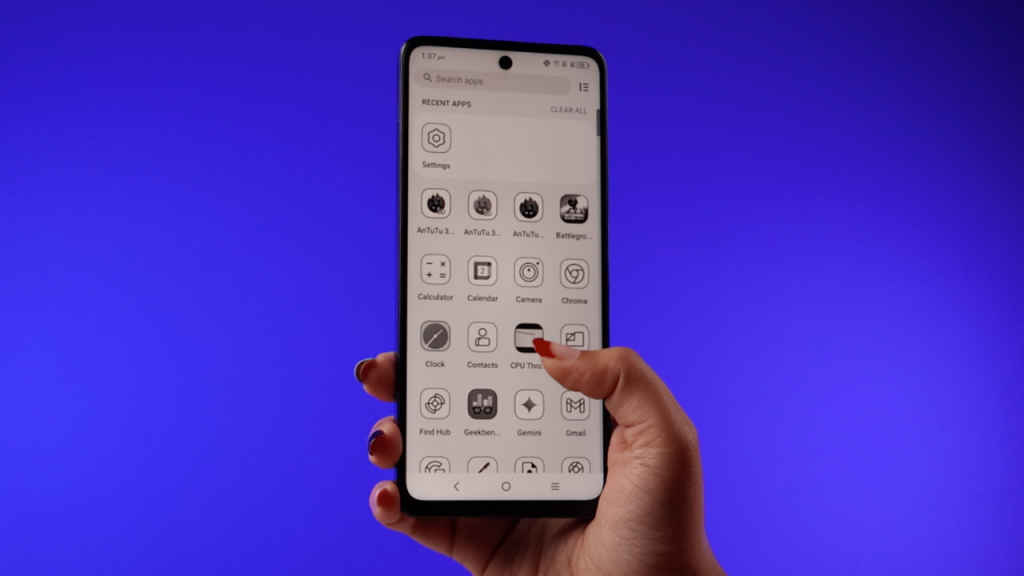
The screen also carries TÜV Rheinland and SGS certifications for eye safety. “The average Indian spends more than five hours daily on their phone. The organ that suffers most is the eye. Our display is designed to protect that,” he emphasizes. “And we’re not just saying it. We have third-party certifications to back it.”
Sub-Rs 20,000: The new mass segment
Alcatel is placing its bets on the Rs 10,000 to Rs 20,000 segment, which accounts for nearly 87% of India’s smartphone market. This bracket is now considered the new “mass” category as consumers move beyond entry-level phones into their second or third device. Easy digital credit options have further accelerated this shift, allowing users to own better smartphones.
“Less than 10K used to be the mass segment, but that has shifted,” says the executive. “Now people are buying their second or third device, and they want something better. A 15K or 20K phone is the natural upgrade.”
“We want to appeal to consumers who care about their health, want something unique in design, and appreciate quality, all without spending a fortune,” he adds.
No celebs, just credibility
In a bold move, Alcatel is steering clear of brand ambassadors and flashy ad campaigns. The brand is instead focusing on authenticity and credible reviews. “People no longer believe an ad just because a celebrity says it. We want users to experience the product, talk about it honestly. That’s our marketing strategy,” he says.
The company is leveraging media reviews and digital outreach over traditional brand campaigns. “We’re not chasing visibility through stardom. We want trust, and that comes from real experiences,” he says.
The bigger picture: An ecosystem in the works
When asked whether we can expect a flagship device featuring Nxtpaper technology, Vivek was quick to respond with a ‘yes’. Currently, they are exploring other devices, and we might get to see a flagship smartphone with the Nxtpaper tech. He further added, while smartphones are the starting point, Alcatel has its eyes set on a larger tech ecosystem. The nxtpaper tech, the team believes, would be a great fit for tablets, smartwatches, and more. “Today only someone from our team said, imagine this tech on a tablet, it would be amazing,” the CBO shares.
They’re already exploring product extensions that maintain the same focus on eye comfort and user health. “The future isn’t just about phones. It’s about building an ecosystem that genuinely improves daily life,” he says.
As Alcatel makes its return to the Indian smartphone race, it’s betting on more than just specs. With an eye-care-first approach, a pricing sweet spot, and a strategy rooted in authenticity, whether the V3 Ultra is able to achieve a spot for Alcatel in India or not, we’ll have to wait and see.


