
Googlebooks vs Chromebooks: How are two different and which should be your next laptop
 Follow Us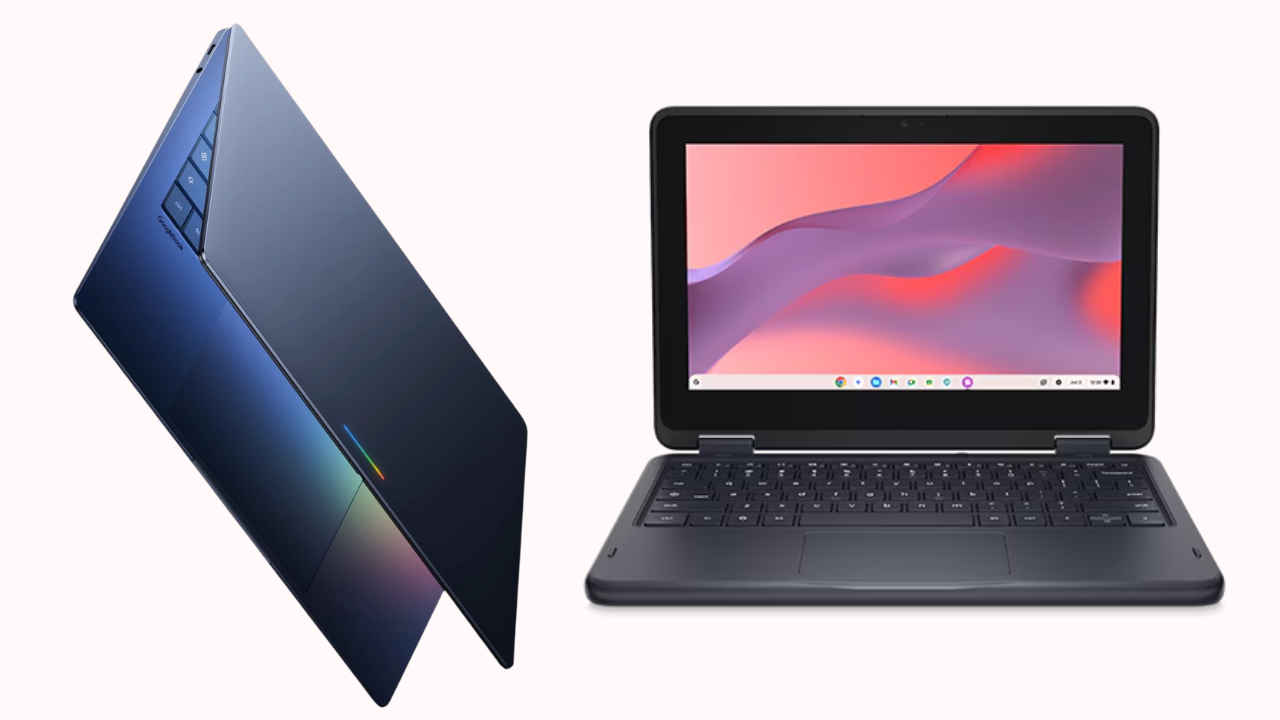

In 2026, every laptop out there is promising to be ultra-powerful, ultra-slim, and whatnot. And while this might excite many users, there still are people who just want a simple and reliable laptop which just does its job well. And in this space, Chromebooks have earned a reputation for years.
 Survey
These are affordable devices that slowly became the default recommendation for students and those users that just want a machine that can browse the web and handle everyday tasks without slowing down. But now, Google has introduced a new toy in town – the recently-unveiled Googlebook.
Unlike Chromebooks, which were designed around a cloud-first experience, Googlebooks are being built around Gemini Intelligence. Google says these laptops combine the best parts of Android and ChromeOS into a new experience that feels more connected, smarter, and more personal.
Now when you first think about Googlebooks, it might sound like these simply are upgraded Chromebooks. But that is not the case. Let’s delve a little deeper into how these two are different.
Also read: This HP keyboard doubles as a mini PC and I tried it
Chromebook vs Googlebook: What exactly is different?
The first and most obvious difference is how the laptops are targeting two different types of users. Chromebooks have always been known as a simple and affordable choice perfect for students and casual users who just need a no-nonsense device.
But with Googlebook, the story is different. This is a premium laptop that is all about AI features. Instead of simply being faster and taking care of the basics, the Googlebook wants to actively assist users as they work. For example, features like Magic Pointer and Create your Widget will try and make your life easier.
In addition to this, the software of both laptops is also different. Chromebooks run ChromeOS, which is still heavily tied to the Chrome browser and cloud-based workflows. Googlebooks, meanwhile, are combining Android and ChromeOS technologies together. This means Android apps and phone integration are expected to feel much more natural and seamless on these devices.
The two laptops also differ as far as the price range is concerned. Even though we still don’t know the official price of Googlebooks, they are being positioned as premium devices already. Google says brands like Acer, ASUS, Dell, HP, and Lenovo will build the first Googlebooks using ‘premium materials and designs’. These laptops will also feature something called a Glowbar, which Google describes as both functional and visually distinctive.
On the other hand, Chromebooks have existed in the budget and mid-range category since the beginning. Only now, Chromebook Plus models which are slightly more expensive have begun to surface.
What should be your next laptop?
Coming to the question that might be on several users’ minds, which laptop should you consider? And the answer here depends on how you plan on using your device.
If you have budget constraints and mainly use your laptop for simple tasks like browsing the web, attending some online classes or meetings, binge-watching OTT content, and so on, a Chromebook is a decent option. It is affordable, easy to maintain, and easier on your pocket.
But, if you are looking for a more premium experience and are deeply connected to the Android ecosystem, Googlebook becomes an exciting option. The laptop promises better Android phone integration, access to AI-powered tools, and a premium appeal.
At the same time, it is worth mentioning that Googlebooks are still quite new. Real-world performance, pricing, battery life, and long-term reliability remain unknown right now. Google also hasn’t shared much details on the upcoming laptops and we will only get to know about them as time passes by. So if you need a reliable laptop today, Chromebook is a safe choice. But if you want to experience where Google believes the future of laptops is heading, waiting for Googlebooks might actually be worth it.
Also read: HP launches OmniPad 12, new Omnibook and Elitebook laptops in India: All you need to know


