
Googlebook vs Windows and macOS: How will Google’s new laptop platform stack up
 Follow Us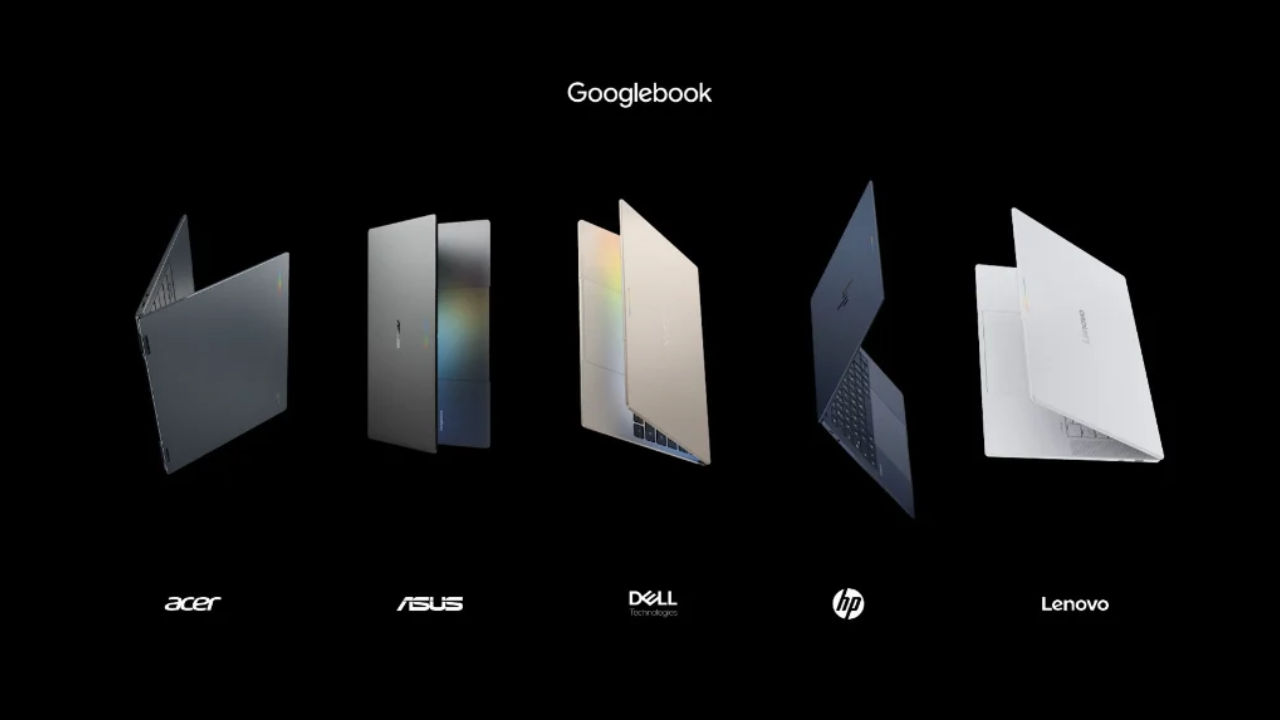

Google finally made a date. Pre-ordering for its rumored Googlebook laptops is set for September 21, with partnerships established with computer manufacturers such as Acer, ASUS, Dell, HP, and Lenovo, this would be Google’s biggest hardware bet since the release of its Chromebook a decade ago. However, the angle that they are taking is not the same as in the past, as the Googlebook laptop will be seen as more than just an affordable option compared to a regular computer and an alternative laptop in schools; it is seen as competing with Windows and macOS.
 Survey
Also read: Apple iPhone 18 Pro: Top 5 features you must know before buying it
What Googlebook actually is
Unlike ChromeOS, which is made redundant by Googlebook, the new platform leverages the technological infrastructure of Android, combining desktop productivity with an app ecosystem that exists in the billion plus Android handsets. The central element of the experience is Gemini, delivered through features such as Magic Pointer, which enables the user to point to anything on the screen and query Gemini for analysis or action on the content without moving into a chat interface, and Create My Widget, which creates desktop widgets based on text instructions, drawing information from Gmail and Calendar.
In fact, there is a confirmation of this hardware directly by Intel: the Googlebook laptops from Acer, ASUS, and Lenovo would be equipped with Intel Core Ultra Series 3 processors with a code name Panther Lake produced using the Intel 18A process node. The models include Acer’s convertible Googlebook 14, ASUS’ Googlebook 14 ultralight, and Lenovo’s Googlebook 15. They would hit the market since October 5, 2026, in the US, Canada, UK, Germany, France, Australia, and New Zealand, but no date in India is announced so far.
It does not seem to be an attempt to build a cheap model. Google aims to create something that could stand side by side with a MacBook Pro and feel good there supported by the confirmation of the partnership with a chip maker for once.
Why history isn’t kind to this bet
Google has attempted to venture into the world of high-end hardware before, but the results were less than impressive. The company’s Android tablets were no match for the dominance of the iPad since the app ecosystem that came along could not keep up with the hardware ecosystem. Chromebooks did manage to find a foothold in the realm of education and cheap computers but failed to penetrate the market of premium hardware, where Windows and macOS had an unbreakable grip.
Also read: Control Resonant review: Creepy, confusing and super addictive
The basic issue has remained unchanged all along – operating systems triumph thanks to ecosystems. Windows has a whole three decades of enterprise software and drivers behind itself. macOS boasts tight hardware-software integration and its creative and professional dominance. Googlebook, no matter how many Gemini abilities it may have, is about to enter a market full of sunk costs and deeply rooted habits.
Where Google might actually have an edge
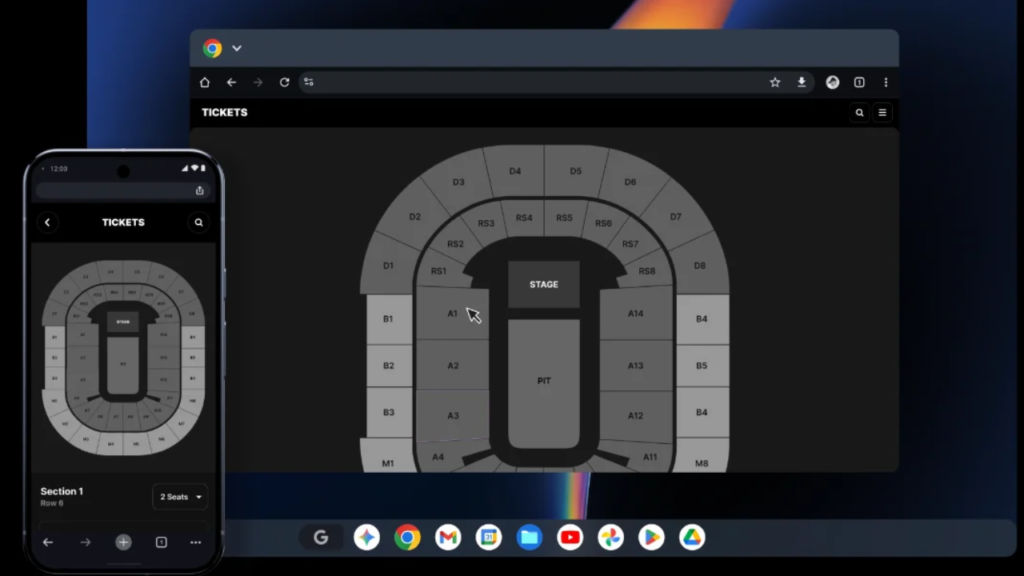
Nonetheless, there are clear differences between what Googlebook is trying to achieve and failed attempts before it. For instance, the Android integration is a strategy that sets Googlebooks apart from Windows or macOS because of specific aspects such as Cast My Apps (ability to run phone apps on the laptop) and Quick Access (ability to access files stored on Android phone without manually transferring files). This aspect takes advantage of the massive installed base of Android across the world, especially in countries such as India where the market share of Android phones is higher than iOS.
If Google can make “your phone and your laptop are basically one device” work as seamlessly as Apple has made Handoff work for them, this will definitely work.
The bigger question
The true challenge for Google is not about how brilliant Magic Pointer is or if the hardware measures up. The challenge lies in whether Google can persuade software developers, business enterprise buyers, and end-users to justify the cost of making yet another switch to a third OS ecosystem when Microsoft (Copilot + PCs) and Apple (Apple Intelligence) are also trying to claim their stake in the race to make “AI-native” the default selling proposition for a new computer.
Google has an AI model that is considered the top-of-the-line in Gemini. Google also has partners who have the manufacturing clout. What Google doesn’t have, in the past at least, is the execution needed to transform a promising launch into a viable platform. Price, availability, and release date are all yet to be announced. It will not matter if Googlebook matches or beats Windows and Mac OS on September 21 but in the eighteen months thereafter.
Also read: Best monochrome printers in India: Top 10 picks for homes and offices


