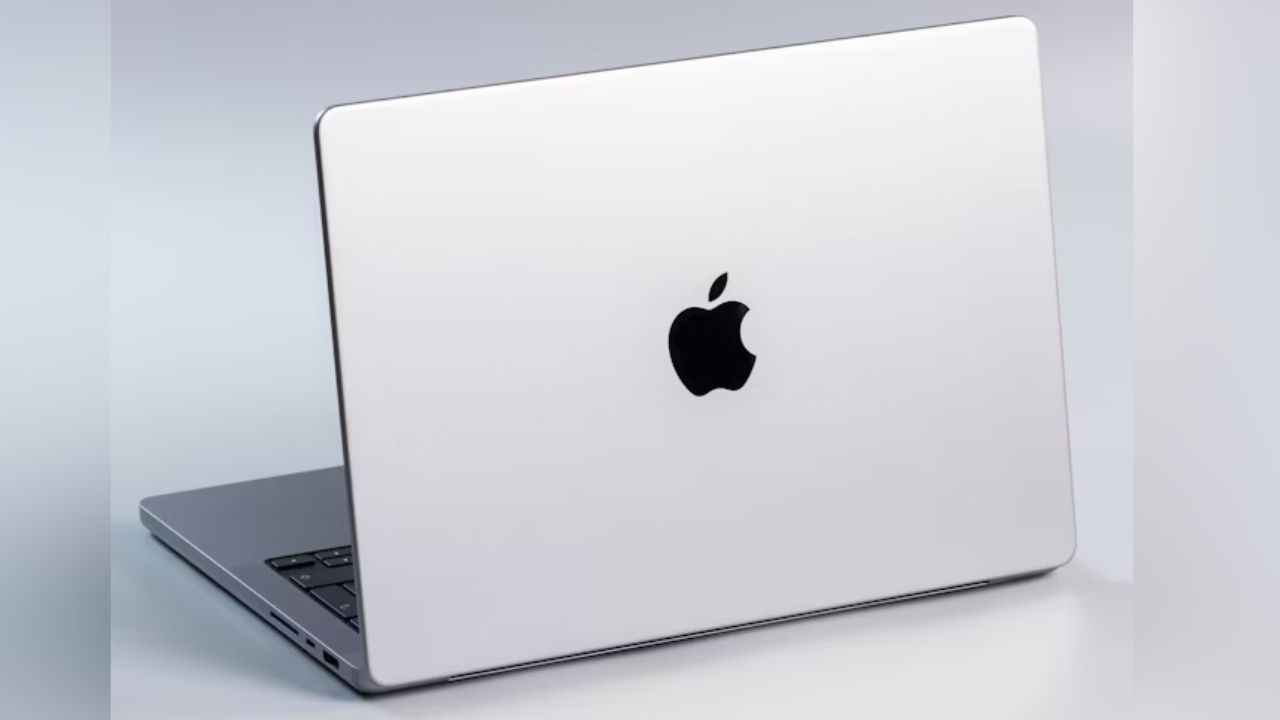
It was a busy day for tech journalists across the globe yesterday. OpenAI had just launched its web browser, ChatGPT Atlas, for Mac devices, and everyone was busy talking or writing about it. From the fear of FOMO, I hurried to install Atlas on my MacBook as well, only to discover that the DMG file wouldn’t open. Panic briefly set in, until I realised with a laugh that I wasn’t even using my MacBook that day; it was instead a Dell 14 Plus 2-in-1, a machine that looks strikingly similar to a MacBook. For a moment, I had forgotten it wasn’t my usual device, which is an M3-powered MacBook Air.
 Survey
This is the quiet power of Apple’s design. It feels familiar, intuitive, and just right. Perhaps that is why the company hasn’t redesigned the MacBook in a long time.


For those who don’t know, Apple unveiled their latest MacBook Pro with the M5 chip last week. Sporting a 14-inch screen and compact form factor, the device is new but familiar. Even though performance has taken a major leap, the design remains the same. You will find the same aluminium shell, a large trackpad, the same hinge geometry, and the port layouts that we have gotten used to over the years.
Now, for those expecting a radical makeover, this may feel underwhelming. But for anyone who understands the value of thoughtful design, the decision feels entirely sensible. Apple’s message is clear: innovation does not always require reinvention.
A design that doesn’t change with trend
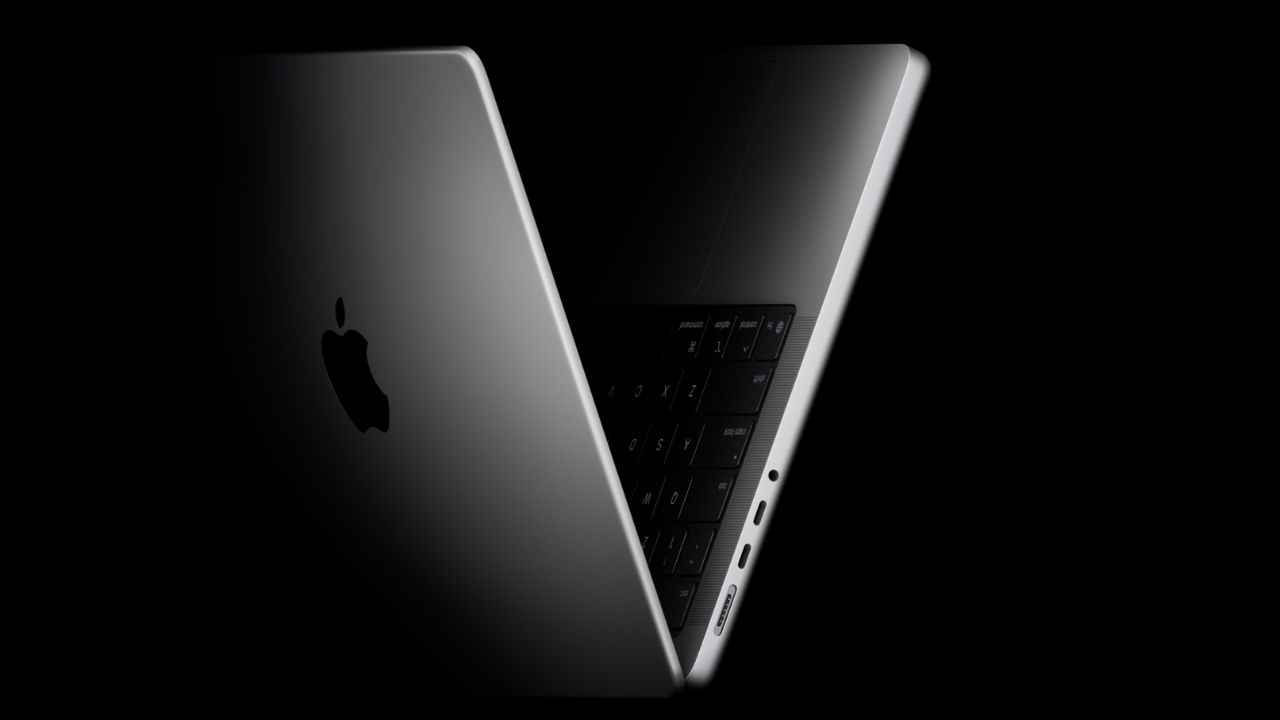
Many laptop brands try to do something different each year. Be it experimenting with colour options, different form factors, trackpads, and so on. But the MacBook is different. Apple refuses to redesign the machine, and if you trace the MacBook’s visual DNA, you will see the logic. The unibody aluminium chassis that Apple popularised more than a decade ago was not a momentary flourish. It was a considered answer to problems designers had been wrestling with for years: how to make a laptop feel solid but light, stylish but durable, minimal yet tactile.
Even small details, like the soft chamfer on the lid or the precise edge where the keyboard meets the shell, make the machine feel cohesive rather than trendy. That design grammar still reads as modern today.
Refinement, not reinvention
Apple’s approach has always been about refinement rather than reinvention. Over the years, the company has kept the major cues intact while quietly fixing small annoyances.

The return to more useful ports and MagSafe was not an indulgent nostalgia act. It was a recognition that removing those elements in the pursuit of shaving fractions of a millimetre had damaged usability for professionals.Thus, even though form matters, function matters more.
Part of why the MacBook’s look still matters is that other manufacturers have learned from it. Some mainstream laptops, many premium ultrabooks, and even some accessories all speak the same visual language- metal finishes, tapered edges, black bezels, and generous trackpads.
When a design becomes the de facto way you expect a laptop to feel, it shapes the whole industry. Competitors chase the MacBook not to imitate Apple, but because the form factor has been proven useful in daily life.
Another ingredient baked into Apple’s restraint is ergonomics. The large glass trackpad and Magic Keyboard are not glamorous selling points, but they are why many people type faster and why gestures feel natural without thinking.
Sustainability, performance upgrades and more

Sustainability also seems to sits behind Apple’s decision not to chase novelty every year. A MacBook that looks the same across generations circulates more easily in the second-hand market and is seen as a long-term purchase.
Strong resale value, long software support, and durable build combine to make the high upfront cost feel reasonable. Many MacBooks still work beautifully years after purchase, proving that restraint can also be practical.
The 2025 M5 update is the kind of performance upgrade that changes how a machine feels over months of use. Faster neural engines, more memory bandwidth, and improved thermal headroom are not flashy to look at, but they reduce friction: files open faster, video exports finish sooner, and fans stay quiet.
Finally, Apple’s choice to hold the look steady could also be a brand decision. When everyone else chases novelty, staying still feels like confidence. It allows Apple to focus on what truly matters: display quality, battery chemistry, internal chips, and software features.

The M5 MacBook Pro may look familiar, but it promises to wake up instantly, last longer when unplugged, and promises to run demanding software better than ever. In other words, the change is invisible – and that is the point.
So, the next time you see someone reach for a MacBook in a cafe, look past the lid. The design that looks familiar didn’t happen by accident. Years of small, thoughtful choices add up to a machine that still feels right in the hand and across a career. Apple didn’t redesign the MacBook Pro in 2025, and for many of us, it didn’t need to.
Also read: MacBook Pro with M5 chip goes on sale: How to order, India price and other details
 Follow Us
Divyanshi Sharma
Divyanshi Sharma is a media and communications professional with over 8 years of experience in the industry. With a strong background in tech journalism, she has covered everything from the latest gadgets to gaming trends and brings a sharp editorial lens to every story. She holds a master’s diploma in mass communication and a bachelor’s degree in English literature. Her love for writing and gaming began early—often skipping classes to try out the latest titles—which naturally evolved into a career at the intersection of technology and storytelling. When she’s not working, you’ll likely find her exploring virtual worlds on her console or PC, or testing out a new laptop she managed to get her hands on. View Full Profile


