
Zenith H1 robot is already working in hotels: Specs, features, price revealed
 Follow Us
Zenith H1 robot enters hotels with real production, pricing, deployments
China’s Zenith H1 shows humanoid robots are shipping, not demos
Wheeled humanoid robots signal scalable robotics adoption in hotels by 2026
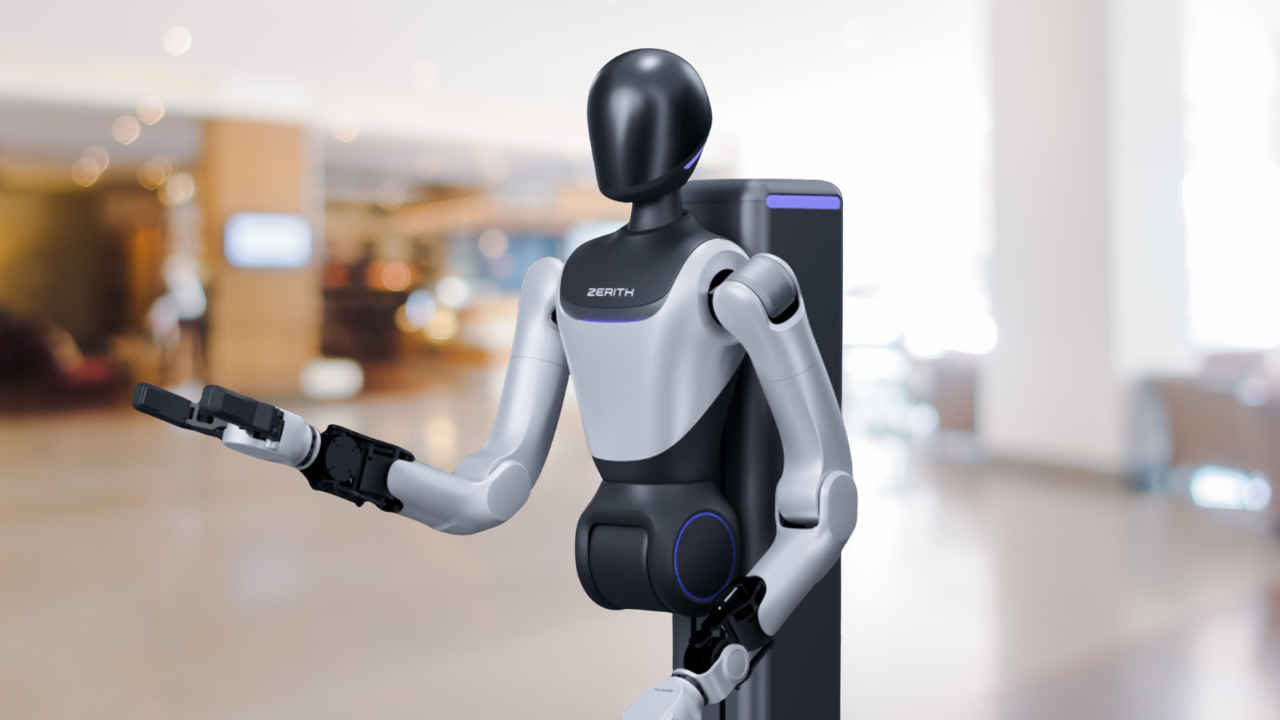

When a robotics startup says it’s going into production, it usually leads to a shiny hype demo video, followed by a pilot program announcement at best. Zerith Robotics is trying to skip that phase.
 Survey
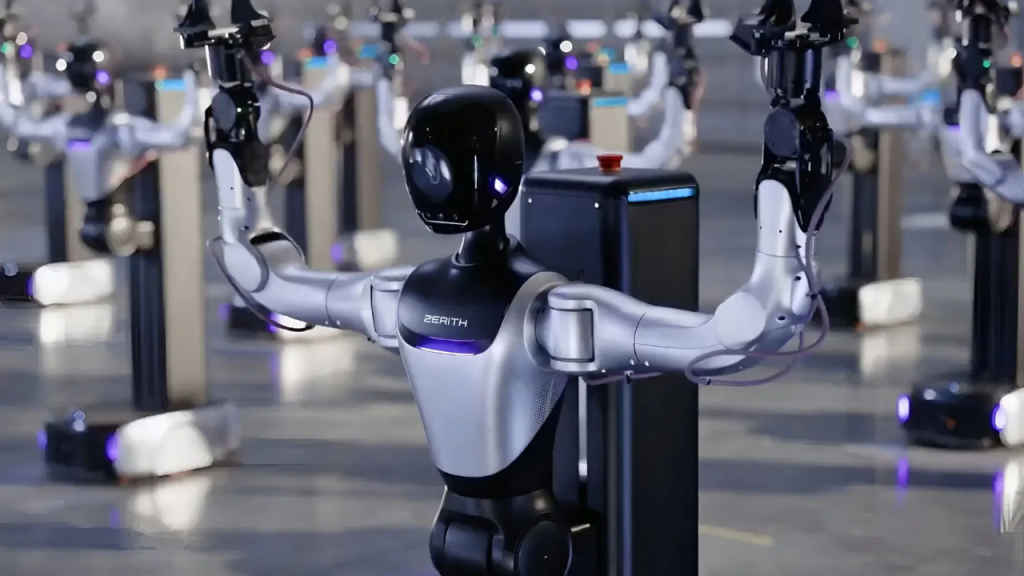
Recent reporting suggests Zerith has ramped its Zerith H1 “robot butler” into genuine manufacturing, with as many as 100+ units being produced per month, less than a year after launch. The price is equally aggressive – around RMB 99,000 (about $13,600) – and orders have reportedly already crossed RMB 100 million, with deployments across major Chinese cities including Beijing and Shenzhen.
That combination – throughput, pricing, and purchase orders – is crucial in terms of what the Zerith H1’s deployment indicates. This isn’t just a robotics startup asking all of us to look at what their robot can do. This is them actually shipping it to large scale paying customers.
Also read: Google predicts a 2026 robotics boom, Elon Musk and Altman agree
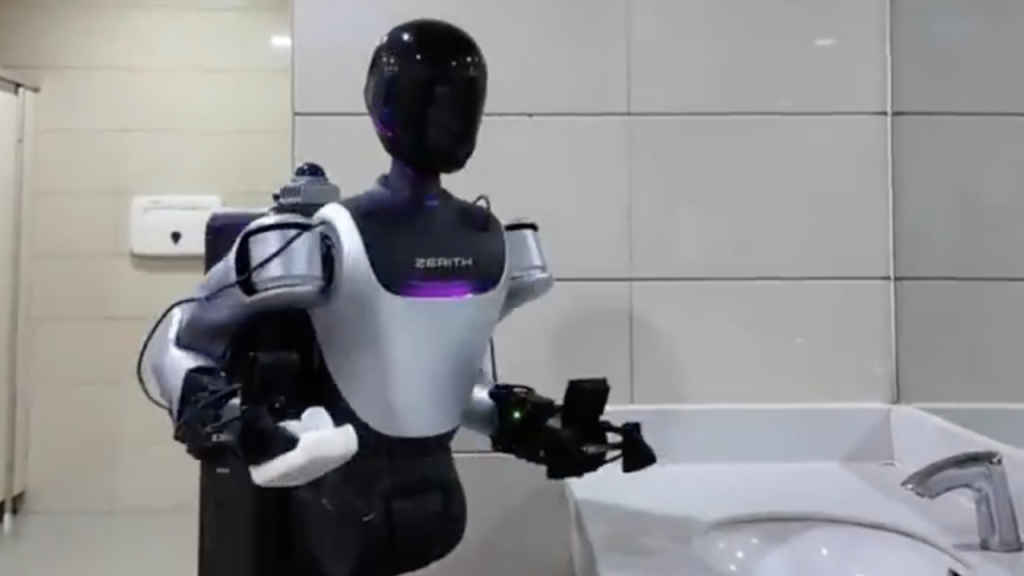
The H1 is also being discussed in scenarios that showcase how it has hit the ground running, so to speak. Operating in malls, hotels and other indoor public facilities, doing cleaning and sanitation work rather than stage-managed demos.
The robot: A humanoid that doesn’t bother walking
Here’s the key design choice by Zerith Robotics that makes its robot different from the likes of Tesla Optimus. The H1 is a wheeled humanoid, not a biped. It keeps the humanlike upper body – so it can use tools, reach sinks, and work with the vertical world – but sits on an omnidirectional base for stability and long indoor runtimes.
Also read: World’s smallest programmable robot: 5 crazy things it can do
Manufacturer-verified listings describe a height-adjustable body (about 1.3m to 1.8m), roughly 55kg, and two articulated arms meant for cleaning tools and basic manipulation. Navigation is handled by a sensor stack built for indoor autonomy – LiDAR, depth cameras, and additional proximity sensing – and the software stack is described as ROS2-based.
Compute is listed as dual Intel Core i7-1265U processors, with a quoted max operating time of around 240 minutes (four hours) per charge.
That’s not a “do everything” spec sheet. It’s a specialist built to survive corridors, bathrooms, and the daily indignity of scrubbing a toilet for a living.
What it means for 2026 and robots
The disruptive bit isn’t that the H1 looks vaguely human. It’s that it’s priced and produced like a product. That’s where the humanoid market is bending from the looks of it – toward cost curves, manufacturing scale, and task-focused deployments.
China’s Unitree, for example, has pushed humanoid pricing down hard – launching a bipedal R1 at 39,900 yuan and attributing the drop to declining manufacturing costs.
Put those trends together and 2026 starts to look less like a robot in every home, and more like a lot of robots in a lot of businesses. Hospitality and facilities management are obvious early wins: repetitive workflows, measurable standards, and chronic staffing pressure. But once a wheeled humanoid can clean, restock, and navigate safely, adjacent industries line up fast – retail after-hours maintenance, airports and stations, hospitals (non-clinical sanitation), even convention centers.
Also read: Unitree R1: The $5,900 humanoid robot that may change everything


