
WhatsApp message encryption explained: What is the Signal protocol?
 Follow Us

The recent bombshell lawsuit filed in San Francisco has sent ripples through the tech world, fueled by whistleblower claims that Meta’s “end-to-end encryption” might have a secret backdoor. While Meta dismisses these allegations as “frivolous fiction,” the controversy has many users asking: How does WhatsApp actually protect our messages, and what is the Signal Protocol that supposedly makes them unreadable?
 Survey
The core of the legal battle centers on a stark contradiction. Whistleblowers and former security insiders allege that Meta engineers can view private chats via internal “task” requests, seeing messages in real-time on a workstation widget. On the other side stands the Signal Protocol – the mathematical gold standard of cryptographic security. If the protocol is working as intended, even Meta shouldn’t have the keys to your digital front door. The head of WhatsApp made a statement on X in response to Elon Musk trying to sway users to X chat claiming that the lawsuit holds no merits and that WhatsApp is still a safe option.
Also read: Do we really need AI PCs? What engineering students said at Nvidia RTX AI PC day
What is the Signal Protocol?
Developed by the Signal Foundation, this protocol ensures End-to-End Encryption (E2EE). It means your data is scrambled the moment it leaves your device and only unscrambled when it reaches the intended recipient.
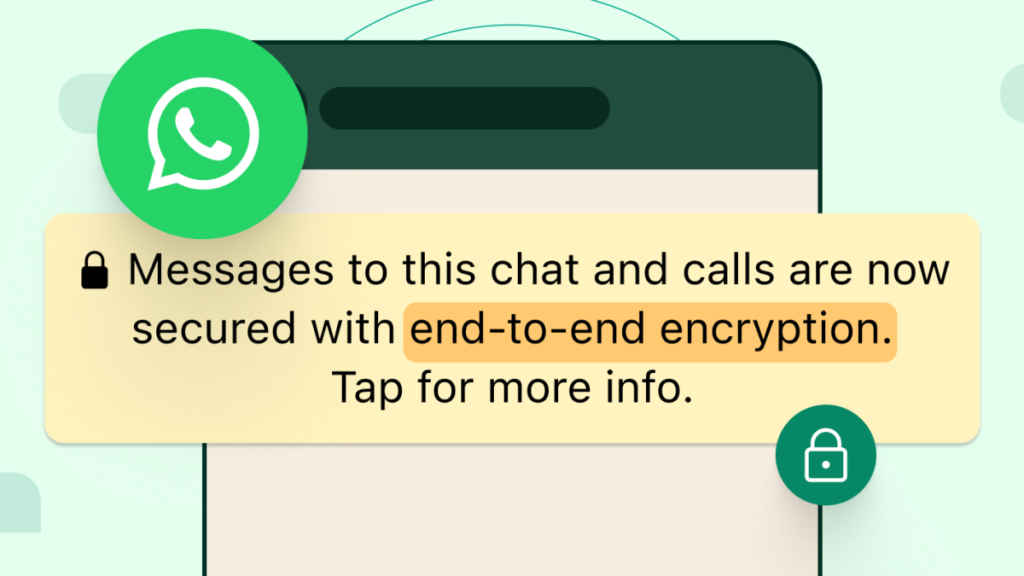
Every message has its own unique “session key.” If a hacker steals a key today, they cannot use it to decrypt messages you sent yesterday. The protocol constantly “heals.” If one key is compromised, the system immediately generates new ones, limiting the window of exposure.
Also read: Do we really need AI PCs? What engineering students said at Nvidia RTX AI PC day
The secret sauce of the Signal Protocol is the Double Ratchet Algorithm. Imagine a locksmith who changes your house locks every single time you turn the key. When you first message someone, your phones perform a “Diffie-Hellman” exchange. They create a shared secret key without ever actually sending that secret over the internet. For every single message, the “ratchet” turns, generating a brand-new encryption key. Once that message is sent, the specific key used to lock it is destroyed.
Why the lawsuit is significant
The lawsuit claims Meta can “store, analyze, and access” communications. For this to be true, Meta would have to bypass the Signal Protocol entirely. This usually happens in one of two ways:
- Ghost Users: Secretly adding a hidden “third party” to a chat so they receive a copy of the decrypted message.
- Endpoint Vulnerability: Accessing the message on the device itself before it is encrypted or after it is decrypted.
The Signal Protocol is mathematically sound, but as these whistleblower reports suggest, the ultimate security of a platform depends on the integrity of the company managing it. If Meta has built a “workstation widget” to peek at your chats, the strongest locks in the world won’t matter if the landlord kept a master key.
Also read: Epic Games settles with Google: The $800M Android and Unreal Engine pact explained


