

Scroll, click, trap: Why young Indians are prime targets for cybercrime
 Follow Us
India’s mobile-first youth face rising cyber scams and digital exploitation
From fake apps to sextortion, cybercrime targets young users relentlessly
Low cyber awareness leaves Indian youngsters vulnerable despite growing online risks


India’s youth is plugged into smartphones; from entertainment and social connections to financial services, all their needs are served by their mobile device. But with the growing connectivity comes the real danger. Cyberthreats are now targeting young mobile users with scale and sophistication, and their mobile devices are the origin of these attacks.
 Survey
Mobile phone and internet usage among youngsters in India has skyrocketed. The recent Comprehensive Annual Modular Survey (CAMS) highlights that nearly 97% of Indians of the age group 15-24 own mobile phones and are present online. This number is far outpacing older age groups and indicates that the everyday life of the youth is now mobile-first.
From convenience to risks: Is our youth cyber aware?
The rapid adoption of e-commerce, online banking, and social media has increased convenience but also heightened cyber risks for young users. Many share personal data, reuse passwords, and rely heavily on smartphones for payments, often without adequate cybersecurity awareness or safe digital practices, making them easy targets for fraud.
Scams and frauds

Also read: Hackers trick ChatGPT and Grok to install malware onto devices: Report
Cybercriminals are exploiting everyday tools such as WhatsApp, Telegram, and Reddit to target youngsters. Fraudsters have been luring young people to install malicious APKs that drain bank accounts and hijack devices, leading to loss of personal information as well as financial credentials. We witnessed a recent case where a 19-year-old lost ₹1.6 lakh after downloading a fake “PM Kishan Yojana” app sent via WhatsApp.
Scams have become detailed and are engineered to look exactly like trusted platforms. They are extremely dangerous and can lead to major financial loss. Hackers combine psychological manipulations such as honey traps, lures via phishing links, and even impersonation to target young users.
The growing malware threats
Smartphones are also gateways for malware and malicious applications. Through phishing links, fake downloads, and social engineering tactics, malicious apps are shared, often disguised as games, filters, or study tools. Once installed, they can access private chats, photos, contacts, and even intercept messages.
Cyberbullying, sextortion, and psychological risks

Also read: Bengaluru techie gets duped in digital arrest scam, loses Rs 34 lakh to cyberfraudsters
Beyond financial fraud, India is seeing a sharp rise in sextortion and cyberbullying, where private content is weaponized for blackmail and reputational harm. Maharashtra alone reported losses of ₹21 crore between 2022 and 2025. These crimes inflict deep psychological trauma, yet awareness and response mechanisms remain weak. This reality is starkly reflected in Netflix’s Adolescence, which portrays how unsupervised internet access can expose children to manipulation, exploitation, and emotional harm, often without parents realizing the risks until it’s too late.
Lack of cybersafety habits
Despite rising digital engagement among young Indians, cybersecurity awareness remains worryingly low. The APAC Consumer Cybersecurity Survey reveals that only 25% of Indian internet users use security apps, most parents never discuss online safety with their children, and fewer than one in five people know how to report a cybercrime.
Although initiatives like CyberJagrit Bharat, the National Cyber Crime Reporting Portal, and the 1930 helpline exist, usage remains limited. Addressing this requires a multi-layered approach, combining public and private awareness efforts with individual action, where mobile users actively adopt safe digital habits to protect their data, money, and well-being.
Way forward
As India moves rapidly toward a digital-first future, protecting young users online is essential, not optional. Convenience must be balanced with awareness and action.
Click safely, pay safely, talk safely
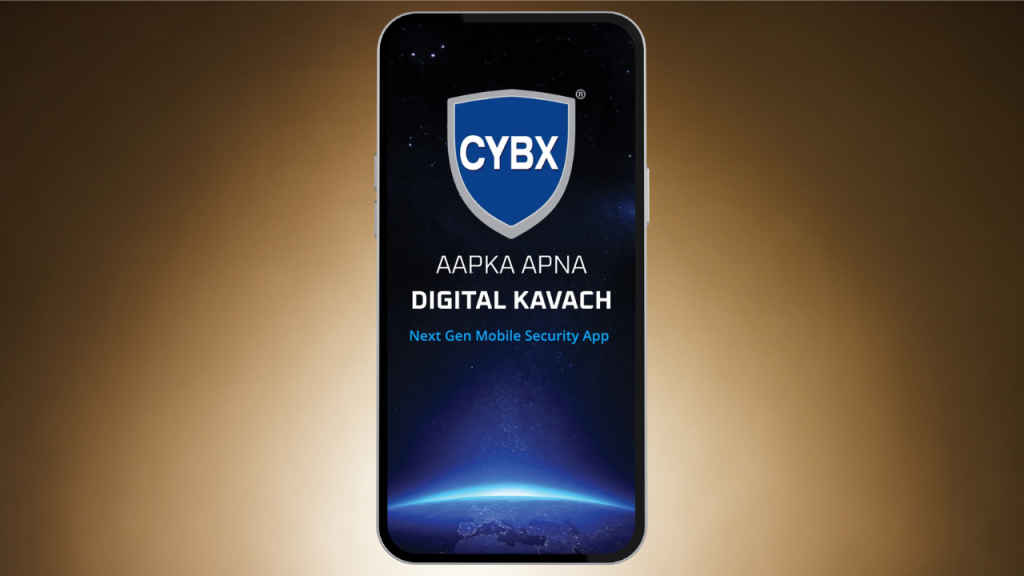
In this always-connected world, CYBX serves as a digital passport, carried everywhere to navigate the internet securely. It helps users detect phishing links, scan QR codes safely, and use protected calling to avoid fraud and impersonation. Much like oxygen sustains life, CYBX is becoming vital for a secure digital life. With built-in protection and mobile cybersecurity insurance of up to ₹10 lakh in CYBX embedded plans underwritten by ICICI Lombard GIC Ltd., it offers confidence, continuity, and peace of mind in an increasingly risky online ecosystem.
About the author: This article was written by Neehar Pathare, MD, CEO & CIO, 63SATS Cybertech
Also read: Makop Ransomware targets India: What the new attack means and how to stay safe


