OpenAI-backed Critterz reimagines animation, merging human storytelling with advanced artificial intelligence
Cannes debut for Critterz highlights AI’s disruptive role in modern film production
Faster, cheaper animation emerges as Critterz demonstrates generative AI’s cinematic potential worldwide
For decades, animation has been one of the most labor-intensive art forms in entertainment. Studios like Pixar and DreamWorks often spend years – sometimes close to a decade – perfecting every detail of their films, from storyboarding and character design to the complex rendering pipelines that bring digital worlds to life. But what happens when artificial intelligence can shorten that process from years to months? That’s exactly the question being tested with Critterz, the first AI-assisted animated feature film backed by OpenAI.
 Survey
Also read: Netflix and Disney explore using Runway AI: How it changes film production


Sketch to screen in nine months
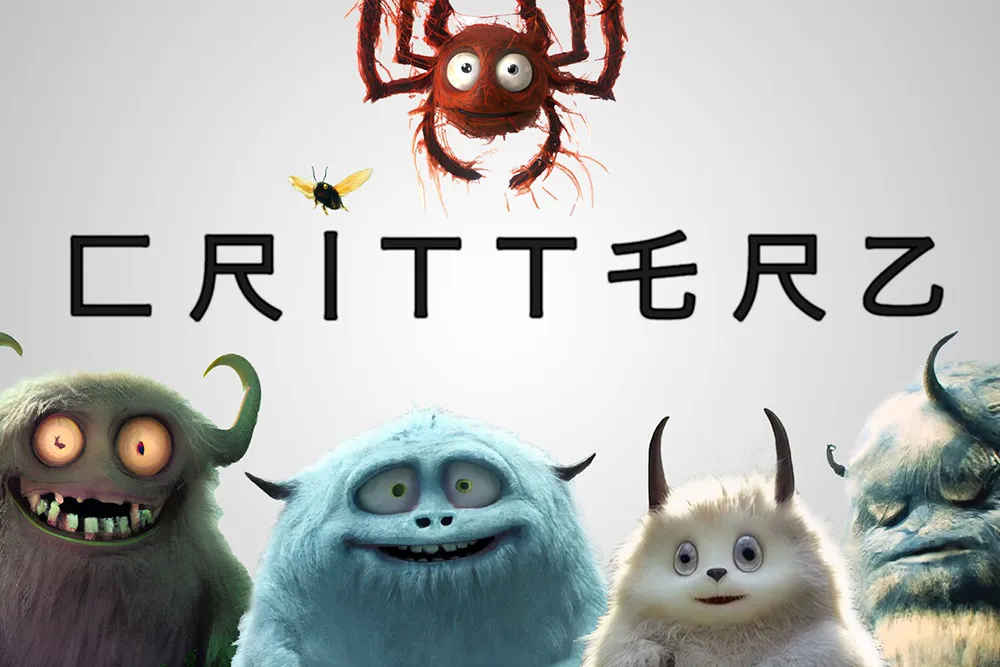
Critterz is not just another animated movie about quirky woodland creatures. It is a proof of concept that demonstrates how AI can be woven into the filmmaking process. Produced in only nine months, compared to the three or more years it typically takes to make an animated feature, the film blends traditional artistry with cutting-edge AI tools. Human writers and animators sketched out the story and characters, but artificial intelligence helped accelerate the process by generating script variations, producing visual concepts, and building out scene ideas. Professional voice actors still played a central role, ensuring that the emotional core of the film remained human-driven, while AI supported the production by reducing repetitive, time-intensive tasks.
OpenAI’s role here is not to transform itself into a movie studio but to highlight what its technology can do. By showing how AI can speed up production pipelines, cut costs, and expand creative possibilities, the company is offering a glimpse into a future where large-scale animation is no longer confined to billion-dollar studios. Critterz cost less than $30 million to produce, a fraction of the $100 to $200 million that major animated features typically require.
This kind of cost reduction has massive implications. Independent creators and smaller studios could soon compete with Hollywood giants. Storylines could evolve more dynamically, with AI quickly generating new concept art, storyboards, or even fully animated sequences. Instead of years of specialized training in animation software, creators may be able to use natural language prompts to bring their ideas to life.
Cannes as the testing ground
In this sense, AI could democratize animation much like YouTube democratized video publishing. What was once a medium dominated by a handful of powerful players could open up to a new generation of storytellers armed with affordable tools. Yet for all its potential, Critterz is still an experiment. The film is expected to debut at the Cannes Film Festival, giving it one of the most prestigious stages in world cinema. But despite the buzz, it does not yet have a distribution deal. That uncertainty reflects a larger question: will audiences embrace a film that so openly wears its AI origins?
Also read: What is Wan 2.2: Free AI video generation tool going viral right now
Reactions within Hollywood have been mixed. Some see the project as a bold step into the future, a sign that filmmaking will become faster, cheaper, and more accessible. Others are more cautious, worried about what this trend could mean for jobs in animation, visual effects, and screenwriting. There are also open questions around copyright and intellectual property, particularly concerning the data used to train AI models.
What comes next for AI in film
One of the most important takeaways from Critterz is that artificial intelligence is not replacing human creativity, at least not yet. The film still relied heavily on the work of artists, writers, and voice actors to give it depth and emotional resonance. AI acted as an accelerator, not an author. This hybrid approach points to a possible new era of filmmaking where humans remain responsible for vision and storytelling, while AI handles the heavy lifting in production.
If Critterz succeeds, it may mark the beginning of a seismic shift in how movies are made. Studios could begin using AI to prototype films more quickly before committing large budgets. Entirely new AI-native production houses might emerge, challenging traditional giants. Storytelling itself could evolve, with rapid iteration enabling new genres or even interactive experiences shaped by audience feedback in real time.
Of course, risks remain. Copyright disputes are already surfacing across creative industries, fears of job displacement persist, and the challenge of keeping human artistry at the center of AI-driven projects will only grow. Still, one thing is certain: Critterz is more than just a movie. It is a test case for the future of creativity in the age of artificial intelligence, and its reception will help determine whether AI becomes Hollywood’s newest co-star or its most controversial disruptor.
Also read: The Era of Effortless Vision: Google Veo and the Death of Boundaries
 Follow Us
Vyom Ramani
A journalist with a soft spot for tech, games, and things that go beep. While waiting for a delayed metro or rebooting his brain, you’ll find him solving Rubik’s Cubes, bingeing F1, or hunting for the next great snack. View Full Profile


