

Google wants you to wear AI: The 2026 glasses plan explained
 Follow Us
Google’s 2026 AI glasses lineup explained across three new categories
How Android XR and Gemini power Google’s upcoming wearable computing push
Google revives AR ambitions with display and XR glasses for 2026
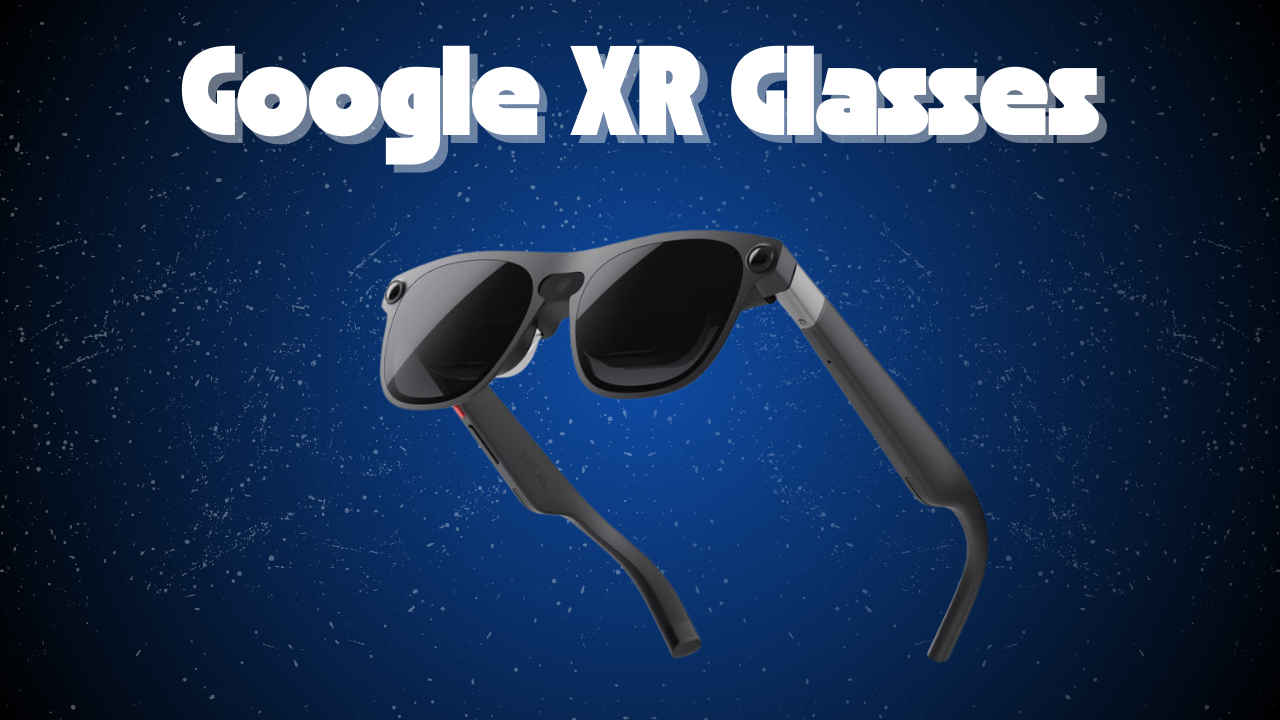

Google is preparing for a major shift in how people use technology, and the centerpiece of that plan is a new generation of AI powered glasses arriving in 2026. Backed by Android XR and Gemini, these devices are meant to take Google’s long delayed vision for ambient computing and finally make it practical. The company is no longer talking about a single product. It is building an entire lineup.
 Survey
Also read: Android Show XR Edition announces new Galaxy XR features and first look at Project Aura glasses
Three kinds of AI glasses
At the Android Show | XR Edition, Google outlined three categories of glasses it plans to support. The first is AI glasses without a display, a lightweight model that relies on a camera, mic, and Gemini for hands free assistance. These are meant for quick tasks: identifying objects, capturing photos, answering questions, and giving contextual help without projecting anything on the lens.
The second category is display AI glasses, which include a small in lens display for subtle overlays. These handle live translation, visual cues for navigation, and simple information prompts. Google wants these to be everyday wearable devices that stay out of the way until needed, not full AR headsets.
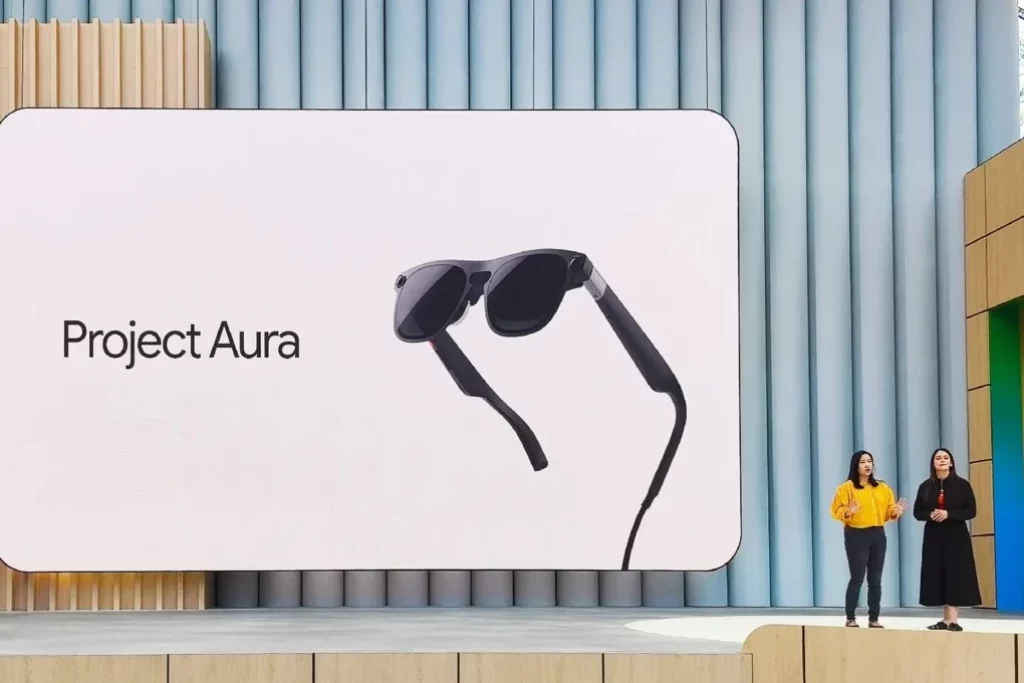
The third category is XR glasses, a more advanced, see through model that brings elements of spatial computing into a glasses form factor. These sit between a headset and traditional eyewear, offering richer overlays while remaining lighter than mixed reality hardware. This tier aligns closely with the long running internal effort once known as Project Aura, Google’s attempt to create an AR capable successor to Glass. The new XR lineup effectively carries that ambition forward with modern hardware, spatial interfaces, and Gemini at its core.
Built on Android XR
Also read: Nvidia CEO Jensen Huang on why he always wears a black leather jacket: Because of his wife
The foundation for all three devices is Android XR, the new platform Google introduced alongside Samsung’s Galaxy XR headset. Android XR supports both headsets and glasses under one ecosystem and lets standard Android apps run in spatial environments. Developers now get full XR SDKs, meaning navigation apps, messaging tools, creativity software, and productivity apps can all adapt to a mixed reality world without rebuilding from scratch.
Gemini integration is the key layer that differentiates these glasses from older attempts. The glasses can recognize what you are looking at, summarize text in view, translate conversations, offer directions in space, and respond to natural language queries. Lightweight tasks run on device for privacy and speed, while heavier workloads move to the cloud. Google also emphasized visible camera indicators and privacy safeguards, a lesson learned from the original Glass backlash.
Why Google thinks 2026 will be different
A decade ago, Google Glass arrived too early and with too little capability. This time, the company believes AI maturity will drive actual usefulness. Display AI glasses handle everyday tasks without forcing immersive AR, while the XR tier offers spatial features for users who want more. By spanning three categories, Google avoids the mistake of betting on a single form factor and instead builds an ecosystem.
Whether people are ready to put technology on their face daily is still uncertain. Meta and Apple have explored similar visions with mixed success. Google’s bet is that ambient AI, delivered through glasses that feel like companions rather than gadgets, will finally bring wearable computing into the mainstream. If it works, 2026 could mark a major shift away from phone first interaction toward an era where AI sits quietly in your field of view.
Also read: Shopping suggestions in ChatGPT explained: Why OpenAI says they aren’t ads


