
Bill Gates’ daughter vs Google? She built an AI search engine worth Rs 1,615 crore
 Follow Us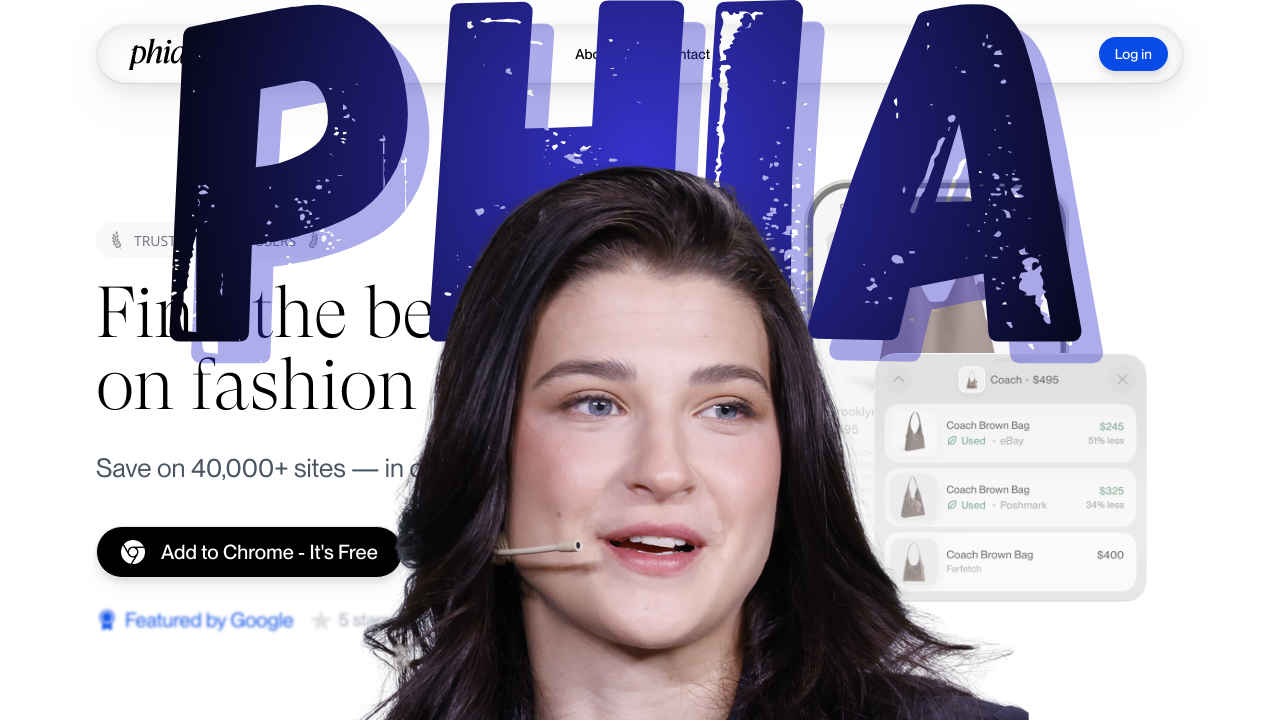

Phoebe Gates has stepped into a space most founders hesitate to touch. Search is dominated by one name, yet the 22-year-old cofounder of Phia has managed to create enough buzz to draw comparisons with Google itself. Her app is not a search engine in the traditional sense, but the idea behind it challenges how people look for products online. With fresh funding of about US$30 million and a valuation near Rs 1,615 crore, Phia signals a shift in how AI might reshape everyday discovery on the internet.
 Survey
Also read: Logitech CEO questions AI devices, calling them ‘solutions looking for problems’
A new kind of search rising from Silicon Valley
Phia began as a simple idea shared between Phoebe Gates and her Stanford roommate Sophia Kianni. Online shopping had grown messy. Too many tabs, too little clarity, and constant worry about better prices elsewhere. Their answer was an AI layer that sits above the internet’s usual portals. Instead of typing into a marketplace bar and scrolling for half an hour, users can ask Phia to find the best price, compare deals, and track discounts across platforms.
Investors saw potential in this idea. The celebrity-heavy backer list only amplified the attention, but the real traction came from the promise of a personalised search assistant that feels more like a smart companion than a browser extension. Phia wants to become a default tool for retail discovery, bridging convenience with algorithmic intelligence.
Why comparisons with Google are surfacing
Google built its empire by indexing the web. Phia is trying to interpret it. The comparison may sound bold, but it reflects a growing belief that the next generation of search will be task-based rather than link-based. Instead of delivering pages to sift through, agents will complete the task itself. In shopping, that means going straight to the best deal with context about quality, reviews, sustainability and budget.

This is the frontier where Phia positions itself. It does not threaten Google’s general search dominance, but it pushes into an emerging category that the big players are still learning to master. If personalised AI agents become mainstream, niche search layers could thrive without competing head-on with legacy engines.
A surge in valuation that surprised even Silicon Valley
Phia’s valuation reached nearly US$180 million faster than most consumer AI startups outside enterprise infrastructure. Much of this rise comes from the belief that consumer-facing AI is entering its breakout moment. Investors are betting that people want helpers rather than tools, especially in commerce.
Also read: Manus to Perplexity: AI apps win big in Microsoft Store Awards 2025, see full list
Phoebe Gates has repeatedly said her father’s wealth is not involved in this venture. That distance is part of the story. Phia needed to stand on its own for investors to take it seriously, and the brisk pace of funding suggests they did. The company moved from an eight-million seed round to a thirty-million infusion within months, giving it enough runway to build a robust engine and scale to new markets.
Challenges that could define Phia’s future
Rapid growth comes with scrutiny. Some reports have raised concerns about the amount of data collected by Phia’s extension, prompting questions about privacy and transparency. If the startup wants to mature into a trusted companion app, it will need clear boundaries around user data.
The second challenge is sustainability. AI search tools that rely on constant real-time scraping can be expensive to maintain. Profitability in this category depends on strong partnerships and well-optimised infrastructure.
Still, the surge in interest around Phia reflects a shift in consumer behaviour. People want fewer decisions, quicker clarity and greater value. If Phia can offer that consistently, comparisons with Google may continue, not because it replaces it, but because it reimagines what everyday search can become.
Phoebe Gates set out to fix the chaos of online shopping. In the process, she may have sparked a new wave of AI-driven discovery that nudges Silicon Valley toward a future where search looks less like a box and more like a personal guide.
Also read: Top 5 TWS earphones on sale now: AirPods Pro, Sennheiser Momentum TWS and 3 more


