
Amazon CEO says Ring cameras are helping find missing dogs with AI
 Follow Us
AI-powered Ring cameras help reunite missing dogs with owners
Amazon CEO praises real-world impact of community-based tech
Search Party feature already reunited 99 dogs in 90 days


When Amazon CEO Andy Jassy tweeted about “a good use case for AI,” he wasn’t trying to hype the latest and greatest AI breakthroughs on the cutting-edge of tech. He was simply talking about dogs, especially lost dogs.
 Survey
Specifically, a Labrador named Lainey. One fateful day, Lainey just jumped over her home’s fence and disappeared, Jassy wrote. But before long a nearby Ring camera pinged an alert that helped reunite her with her owner the same day. Sounds like some surveillance-based magic? It’s AI, wrote Jassy.
Welcome to Search Party, Ring’s AI-powered lost dog detection system, and one of the most quietly humane applications of AI in the wild (until Jassy’s tweet, that is).
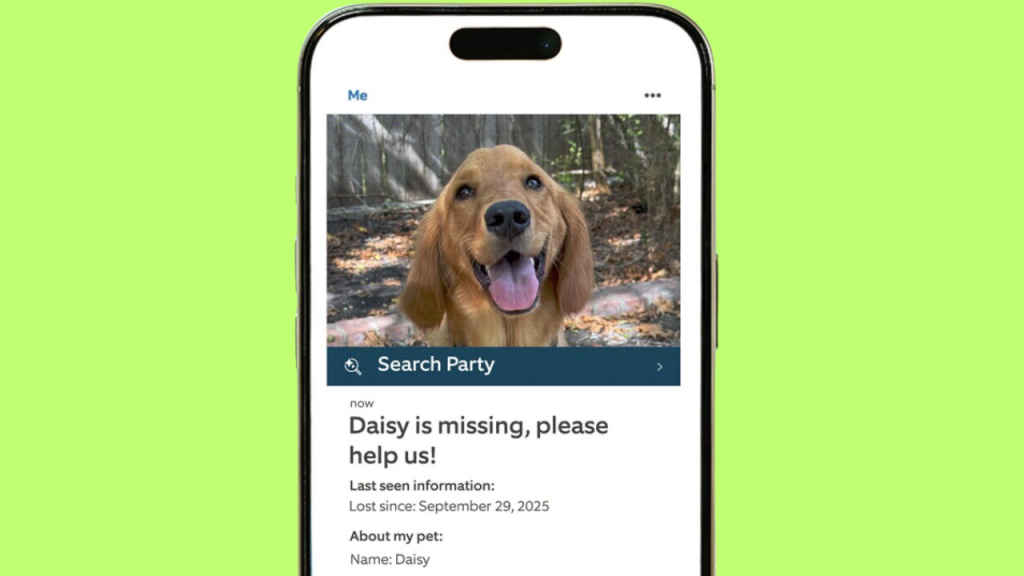
Launched in November 2025, Search Party is a feature inside the Ring Neighbors app, which turns it into a digital bulletin board for missing pets. Through the app, all pet owners need to do is upload a photo and activate the feature.
Behind the scenes, Ring’s computer vision model – trained on tens of thousands of dog videos – begins scanning compatible outdoor cameras in the area for possible matches. If a neighbour’s camera spots a visual match, the app nudges them with a clip and lets them decide whether to share it with the pet’s owner or not.
This altruistic feature, Search Party, needs no subscription to work. Just neighbourhood goodwill and next-gen object recognition.
Also read: Amazon MGM’s AI Studio explained: Generative video as a tool for film and TV productions
Of course, it raises eyebrows – as it rightly should. The system is opt-out, not opt-in, meaning it’s active by default on compatible devices – reviving old debates about Ring’s data-sharing practices and user consent. But the rollout included clear app controls to disable the feature entirely or filter notifications.
More importantly, the algorithm doesn’t flood owners with footage of multiple false positives, according to Andy Jassy. It’s tuned to look for specific, unique dog traits, and only flags video if there’s high visual confidence.
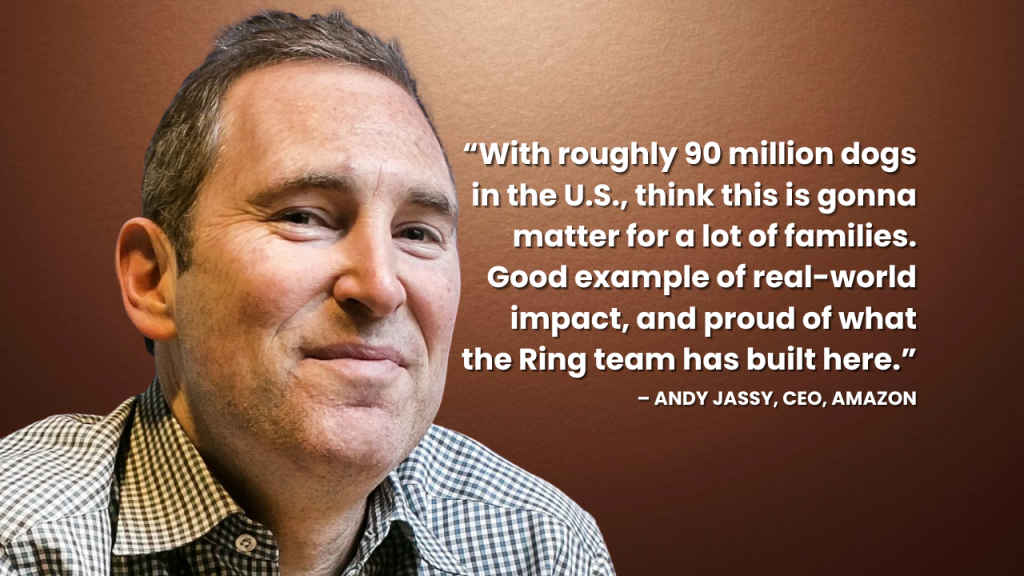
How effective is Search Party, I hear you wonder? According to Andy Jassy, CEO, Amazon, within the first three months alone, Search Party helped reunite 99 lost dogs with their humans – more than one a day. The emotional return loop is instant and tangible.
Yes, all the trepidation around camera-based surveillance is well-founded. But at its core, this Search Party feature feels like it’s about something deeper. It uses AI not to predict our shopping habits or throw contextual ads on our screens, but to facilitate small acts of kindness and goodwill – every time someone checks their Ring camera for a stranger’s missing dog. It’s AI not trying to sound like a human, but helping us act like better ones.
Also read: Yoshua Bengio’s new safe AI vision cuts AI’s biggest risks by rewarding truth


