
Valorant turns 5: How Riot is building a made in India gaming ecosystem
 Follow Us
Riot’s Valorant Challengers South Asia circuit is positioned as a gateway for Indian teams to reach global esports platforms.
Cultural authenticity is central to Riot’s India approach, reflected in community campaigns, character design, and localised storytelling.
Future plans include college leagues, new titles like 2XKO, and a stronger focus on low-latency infrastructure and inclusive community engagement.

Just a few years ago, PC gaming in India was thought to be on life support, having been overshadowed by the meteoric rise of mobile games such as BGMI. Then came Valorant. Riot Games’ tactical first-person shooter, released in 2020, gained unexpected and long-term traction among Indian gamers. According to ActivePlayer.io, the game has over 2.9 million daily players globally. Now that Valorant has been in operation for five years, the conversation has shifted from the gaming experience to Indian esports and its scale.
 Survey
In an exclusive interview with Digit, Arun Rajappa, Country Manager, India and South Asia at Riot Games, discusses how Riot is rewriting the playbook for India, not just by localising global hits, but also by cultivating a self-sustaining ecosystem based on community, culture, and competitive ambition.
A Player-First Path to Esports Glory
The rise of Valorant in India has also contributed to broader interest in esports as a viable career path. While formal infrastructure around competitive gaming in India remains uneven, Riot is attempting to lay foundations through initiatives like the Valorant Challengers South Asia circuit.
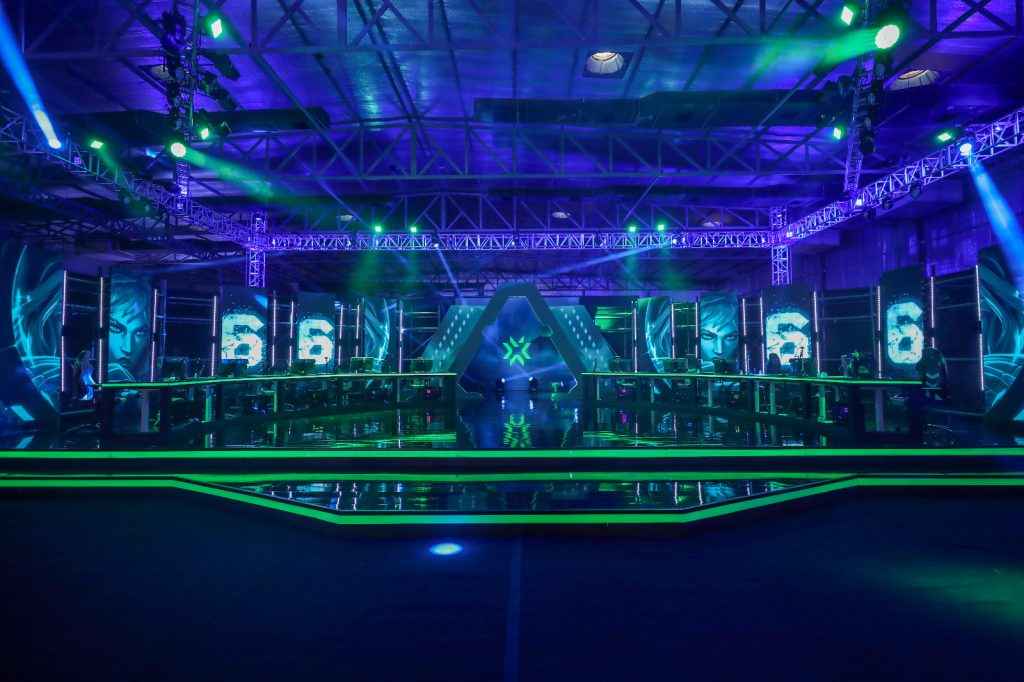
“The Valorant Challengers South Asia circuit is more than a tournament, it’s a launchpad,” Rajappa noted.
The circuit provides regional teams with access to VCT Ascension Pacific and, potentially, international-level play. Earlier this year, Indian esports outfit Global Esports qualified for VCT, a milestone Rajappa sees as a proof point.
“Global Esports making it to the international VCT showed us what’s possible when local talent is nurtured and supported,” he said.
Riot’s current focus includes higher-stakes LAN events, more structured scrimmages, and support systems around coaching and mental preparation. “We believe Indian teams can not only participate on the global stage but compete for the top,” he added.
Mobile, Inclusivity, and What’s Next
With Valorant Mobile still under wraps, expectations remain high in the mobile-first Indian gaming market. While specifics are yet to be confirmed, Riot is closely tracking the conversation.
“We’re listening closely to player demand in India,” Rajappa said, encouraging fans to “stay tuned.”
Inclusivity, meanwhile, continues to be a core focus for the company’s South Asia team. Riot has supported initiatives aimed at improving representation in esports and content creation. One recent example is an all-women Valorant roster from India.
“Gaming should be a space where everyone, regardless of gender or identity, feels seen, supported, and safe,” Rajappa said.
Ongoing efforts include the Game Changers tournament circuit and partnerships with female-led creator communities.
From Localisation to Cultural Ownership
The company’s strategy is no longer about mere representation but co-creation. “Cultural relevance goes beyond gameplay. It’s about music, storytelling, language, and events that feel authentic. When we introduced Harbor, our first Indian agent in Valorant, we knew it had to feel real,” Rajappa explained. The company has been collaborating with local artists to be more relevant and capture the spirit, he added.
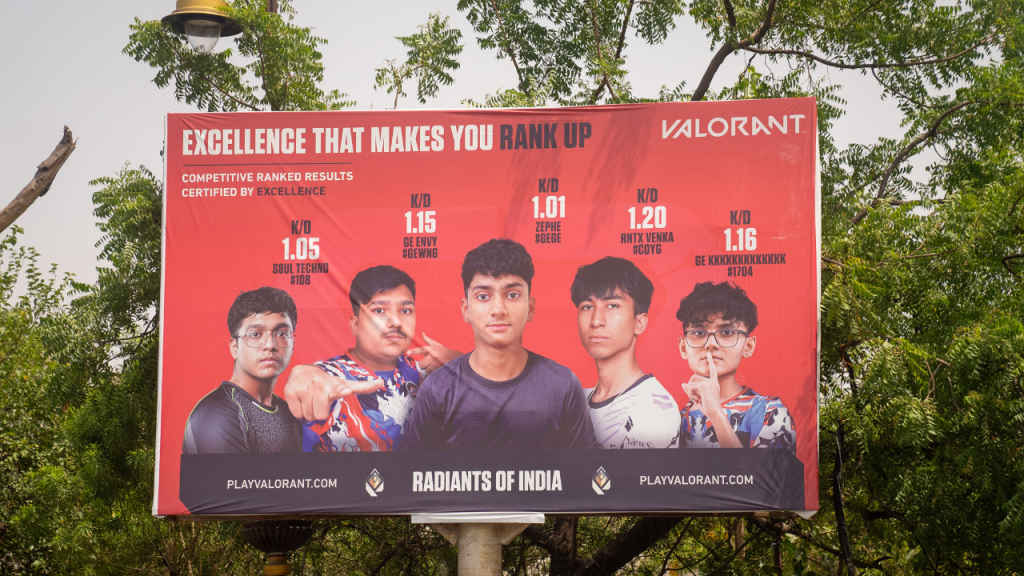
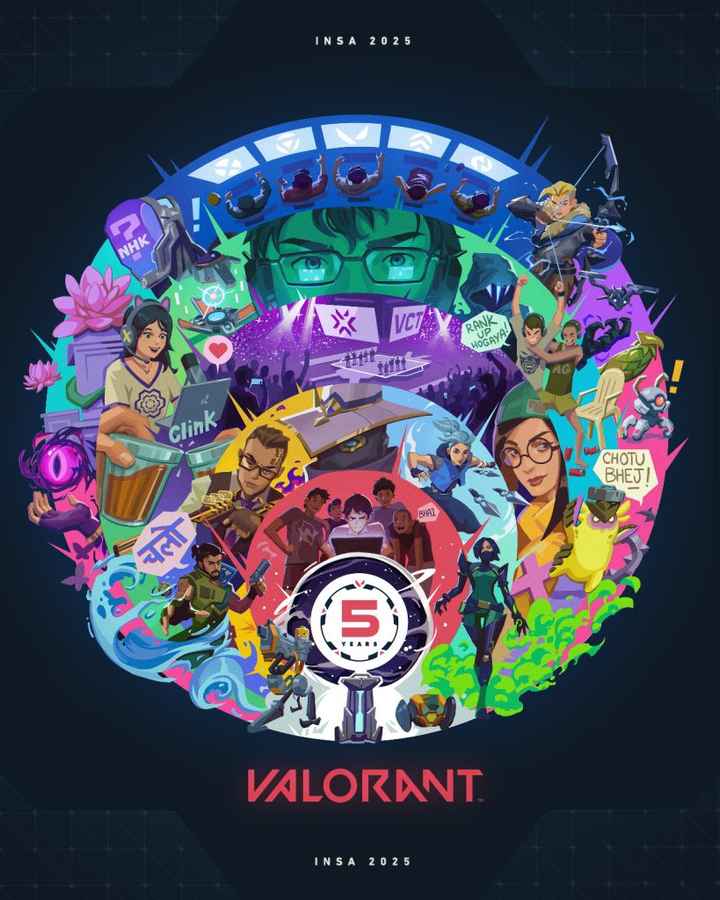
With this, the company is aiming to become one of the most culturally attuned gaming brands in India today, be it through in-game characters, grassroots tournaments and even public murals. Celebrating five years of Valorant, the company introduced the V5 campaign in Mumbai, Delhi, and Kota with hyper-local slogans like “Skin dede bro!” and “Kal aana kal”, which is crowdsourced from the community itself.
When Gaming Is Identity
In South Asia, the act of gaming carries cultural weight beyond the screen. It’s often a shared experience, shaped by domestic constraints, peer circles, and late-night routines.
“It’s not just about mechanics or wins,” Rajappa explained. “It’s about college LAN setups, chai breaks between rounds, and late-night Discord calls.”
With these values, the company has been consistently trying to organise offline activities, which include community-driven events, influencer game nights, and even campaigns involving in-game characters in civic activities, such as a Harbor-led beach cleanup in Mumbai.
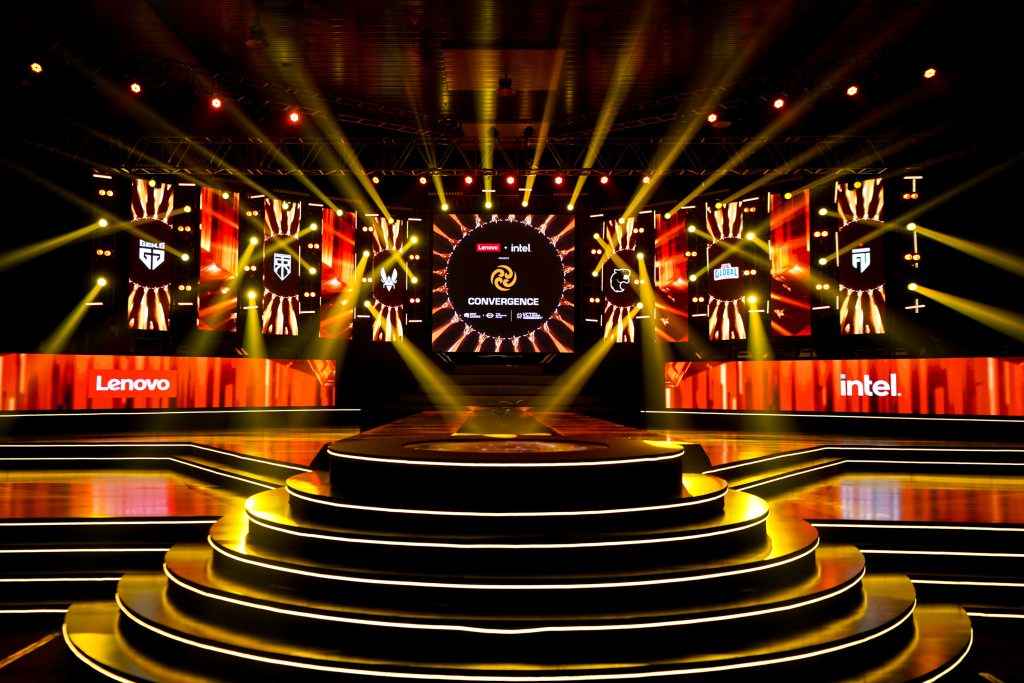
Riot Games upcoming plans:
Riot’s roadmap for India stretches well beyond the current player base. With new titles like 2XKO in development and an evolving esports infrastructure, the company is planning for longer-term engagement.
“We want Indian players to not just consume global experiences but shape them,” Rajappa said.
That ambition includes structured college leagues, regional story arcs, and improved technical infrastructure.
“Low latency, reliable matchmaking, and committed local support” are non-negotiables, he said, about future game rollouts.
The broader goal, as Rajappa summed it up, is to shift how India is seen in the global gaming ecosystem, not as a late-adopting consumer base, but as a creative and competitive force.
“The goal is to ensure every player, new or seasoned, feels safe, heard, and welcome every time they log in.”


