Third-party HDD and 2.5-inch SSD pools are back on 2025 Plus models with DSM 7.3.
M.2 SSD storage pools still require drives on Synology’s Hardware Compatibility List.
Advanced perks like auto firmware updates and deeper health telemetry remain Synology-drive exclusives.
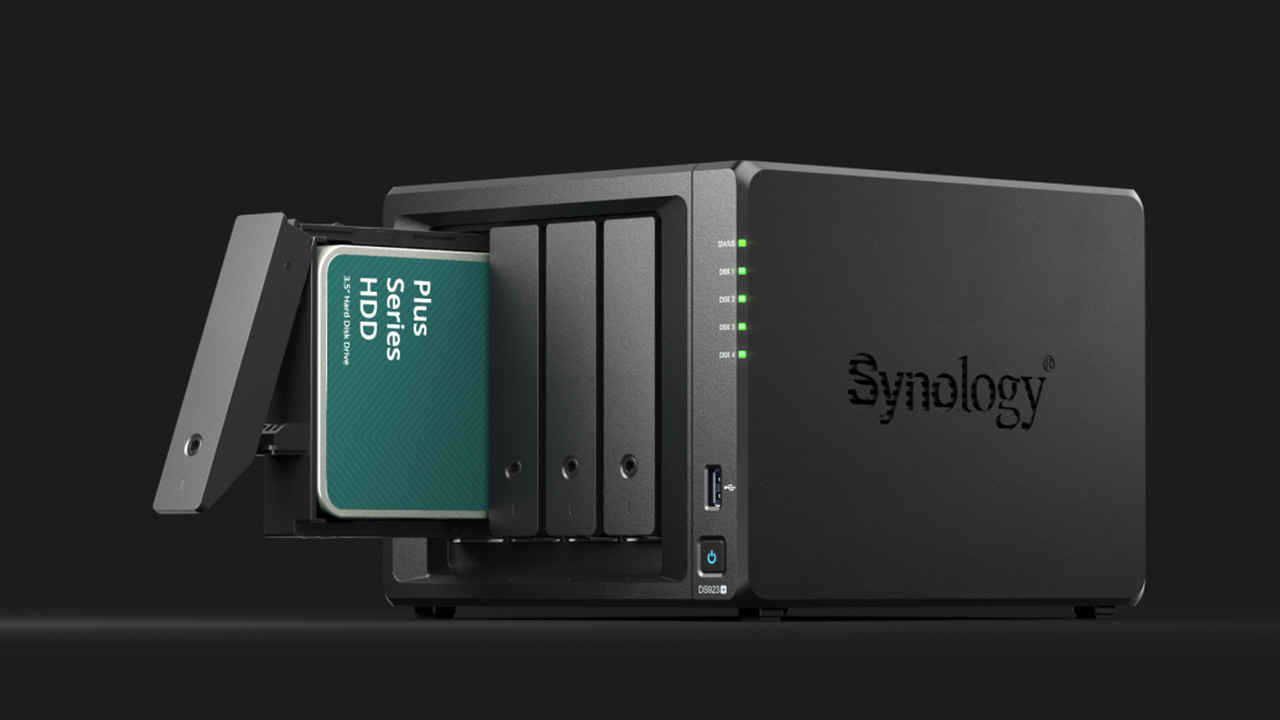
Synology has reversed course on its controversial 2025 drive policy by reopening third-party hard-drive support with the latest DiskStation Manager update. In practical terms, users of the 2025 Plus series, including the DS1825+, DS1525+, DS925+, DS725+, DS425+, and DS225+, can once again install non-Synology 3.5-inch SATA HDDs and 2.5-inch SATA SSDs and create storage pools, restoring the kind of flexibility the brand was historically known for. Independent coverage of DSM 7.3 notes that storage pool creation on third-party drives is back on these models, aligning Synology’s position more closely with its pre-2025 behaviour.
 Survey
The move is a notable retreat from Synology’s earlier stance this year, when the company said new 2025 Plus devices would require Synology-branded or certified drives for full functionality. That policy drew criticism from long-time users and prompted extensive testing and reporting that showed tangible limitations on using popular third-party disks for new pools on 2025 hardware. Today’s update effectively removes the biggest practical restriction on everyday setups, although Synology still stresses ongoing collaboration with drive makers to expand a formal list of certified media for reliability.


There remain caveats that matter to power users. Synology says M.2 SSD-based storage pools will continue to require drives on the official Hardware Compatibility List, which mirrors existing documentation that restricts M.2 pool creation to Synology’s own validated NVMe models. In other words, the leniency chiefly applies to 2.5-inch and 3.5-inch bays, while M.2 stays inside the HCL fence for now.
Synology is framing the change as part of a broader DSM 7.3 push to improve security, efficiency, and flexibility, while it works with manufacturers to widen the pool of explicitly certified drives. This effectively undoes the most frustrating aspect of the 2025 policy and will be welcomed by small businesses and home labs that mix capacities, reuse existing disks, or buy on deal cycles. That said, Synology is still reserving some software niceties for its own drives. Features such as automatic firmware updates, enhanced health telemetry and certain long-term stability assurances remain first-party perks. If you drop in a non-Synology drive, you regain storage pool creation and core functionality, but you may miss out on tighter firmware integration and some advanced analytics. Expect the official compatibility pages and knowledge base to evolve as the company adds back previously allowed third-party SKUs.
For context, the 2025 policy shift had attempted to push Plus-class buyers toward first-party disks, citing reliability and support efficiency. It triggered strong community reaction and detailed reporting that documented the limitations, from pool creation blocks to warning prompts. The DSM 7.3 reversal, while not a complete return to the old world for every feature, is a clear acknowledgement that customer choice and openness are important to Synology’s appeal in the prosumer NAS space.
 Follow Us
Mithun Mohandas
Mithun Mohandas is an Indian technology journalist with 14 years of experience covering consumer technology. He is currently employed at Digit in the capacity of a Managing Editor. Mithun has a background in Computer Engineering and was an active member of the IEEE during his college days. He has a penchant for digging deep into unravelling what makes a device tick. If there's a transistor in it, Mithun's probably going to rip it apart till he finds it. At Digit, he covers processors, graphics cards, storage media, displays and networking devices aside from anything developer related. As an avid PC gamer, he prefers RTS and FPS titles, and can be quite competitive in a race to the finish line. He only gets consoles for the exclusives. He can be seen playing Valorant, World of Tanks, HITMAN and the occasional Age of Empires or being the voice behind hundreds of Digit videos. View Full Profile


