
Motorola Edge 70 vs OnePlus Nord 5: Which phone has the better camera?
 Follow Us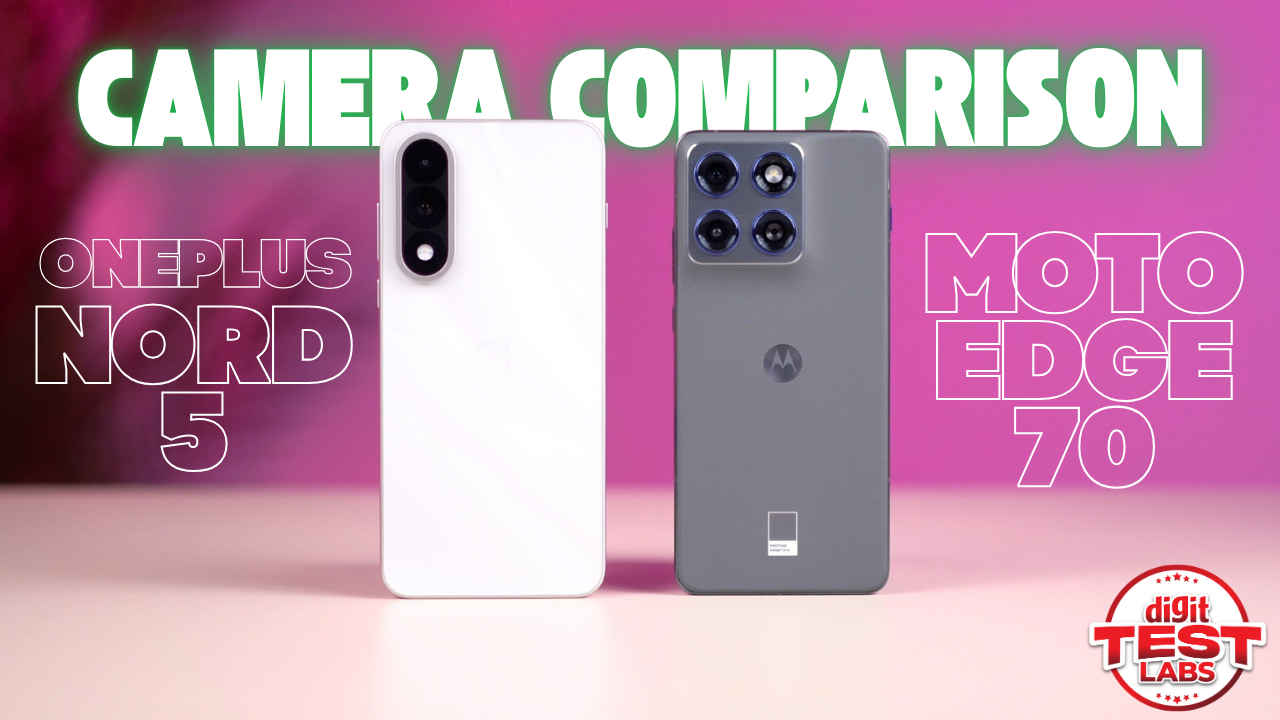

The Motorola Edge 70 and the OnePlus Nord 5 sit firmly in the same mid-range category, targeting buyers who want capable cameras without stepping into flagship pricing. On paper, the two phones look remarkably similar, especially when it comes to their camera hardware. Both devices rely on a 50MP primary rear camera, and both offer a 50MP front camera for selfies. At a quick glance, this alone is enough to suggest that the contest between the two will be closely fought. Dig a little deeper, though, and the differences start to emerge. While OnePlus complements its main camera with an 8MP ultra-wide sensor, Motorola takes a noticeably different route by opting for a much higher-resolution 50MP ultra-wide camera on the Edge 70. Motorola also adds a 3-in-1 ambient light sensor into the mix, hinting at a stronger emphasis on light detection and exposure accuracy.
 Survey
Based purely on specifications, Motorola appears to be taking a more aggressive approach, at least on paper. However, camera performance is rarely decided by numbers alone. What ultimately matters is how these cameras behave in real-world conditions, across different scenes and lighting environments. To see how these spec-sheet differences translate into everyday use, both phones were tested side by side across multiple lighting conditions, focusing on real-world results rather than promises.
Primary camera performance
In daylight scenes, the results from the main cameras of both the Motorola Edge 70 and the OnePlus Nord 5 are very close. In many shots, including the Secret Santa gift image, the differences are minimal enough to be easy to miss at first glance. Across most samples, both phones deliver a broadly similar output, with exposure and dynamic range landing in the same ballpark.


Where a distinction does begin to show, it largely comes down to colour handling. The Motorola Edge 70 tends to keep colours closer to a natural, more restrained look, while the OnePlus Nord 5 leans towards slightly higher saturation. This is not an extreme difference by any means, but it is consistent enough to notice once you start comparing images side by side.
In office shots, the gap remains subtle, but it becomes more apparent when you zoom into finer areas of the frame. Looking closely at the ground, the Motorola Edge 70 captures marginally more fine detail, with textures appearing a little clearer and less smoothed out compared to the OnePlus Nord 5.




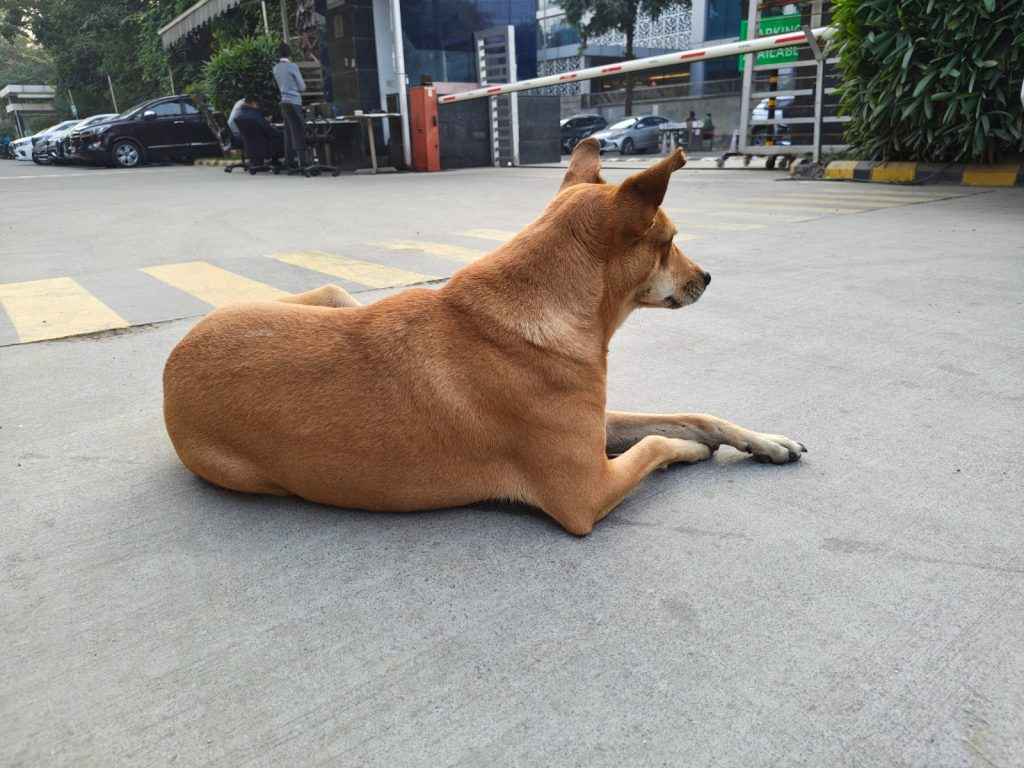
The same pattern continues in images of the dog. At a glance, both photos look almost identical, but closer inspection reveals clearer hair texture in Motorola’s shot. Fine details around the leg are also more visible, while the OnePlus Nord 5 tends to lose some of this texture, resulting in a slightly softer overall look.

Daylight show another small but noticeable difference in approach. The Motorola Edge 70 brightens faces slightly and produces a more pronounced background bokeh effect, which is not as evident on the OnePlus Nord 5. At the same time, this comes with a trade-off, as the Motorola softens facial details more aggressively. This becomes clear when zooming into the image, where skin texture appears less defined.


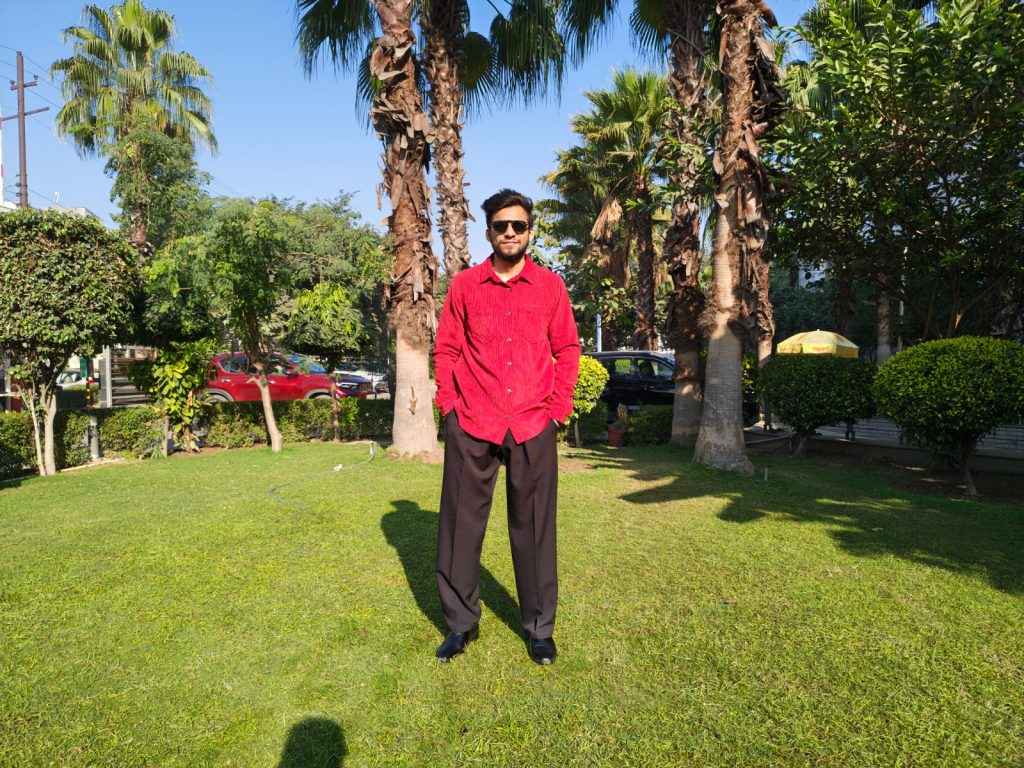

When shooting against the sun, the OnePlus Nord 5 has a tendency to crush shadows in darker areas of the frame. The Motorola Edge 70, by comparison, retains more detail in these regions, preserving information that the OnePlus often leaves behind.
Under harsh sunlight, both phones exhibit lens flare, which is expected at this price point. However, the OnePlus Nord 5 manages highlights slightly better, keeping brighter areas from blowing out as quickly as they do on the Motorola.




2x zoom performance
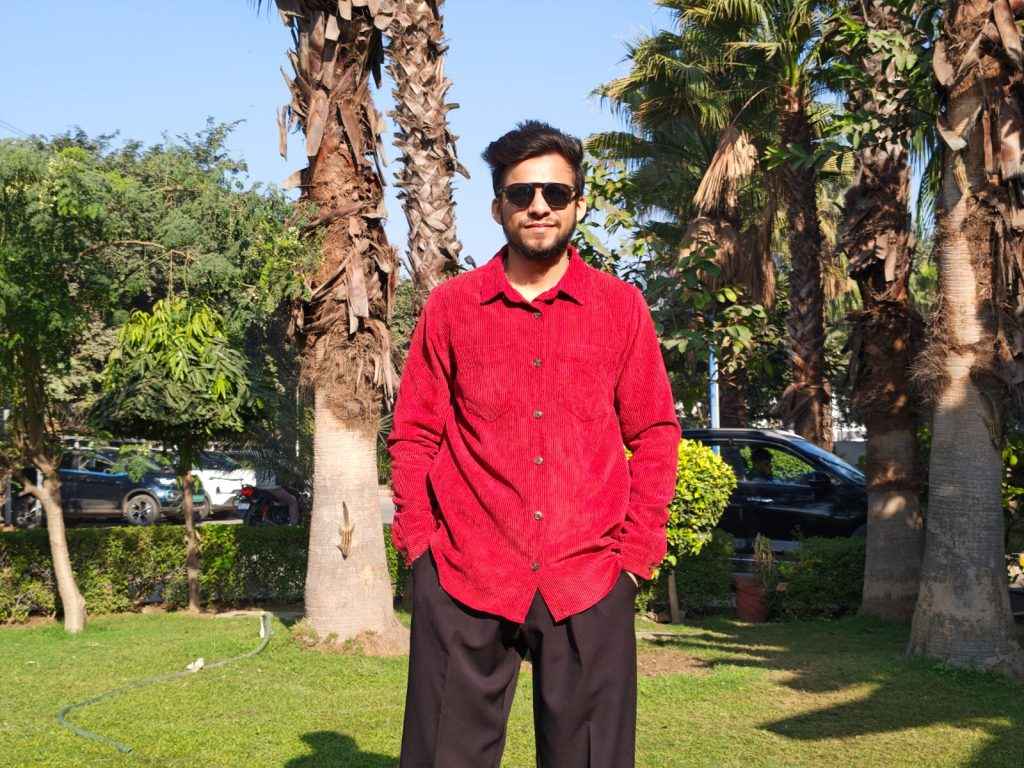
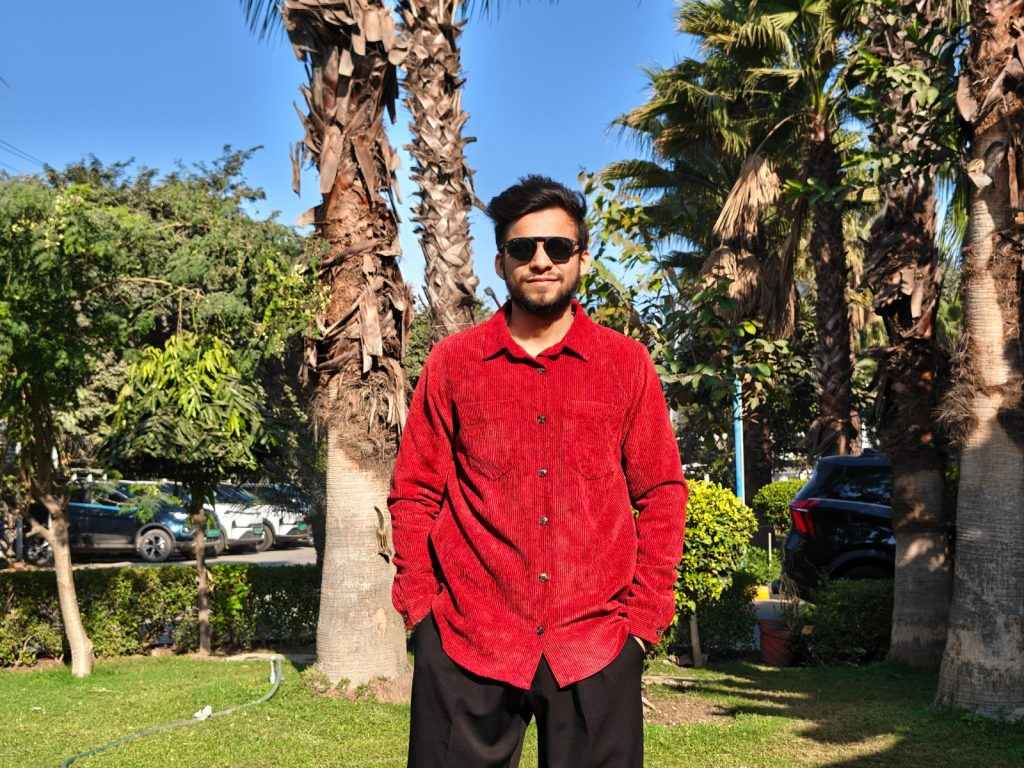
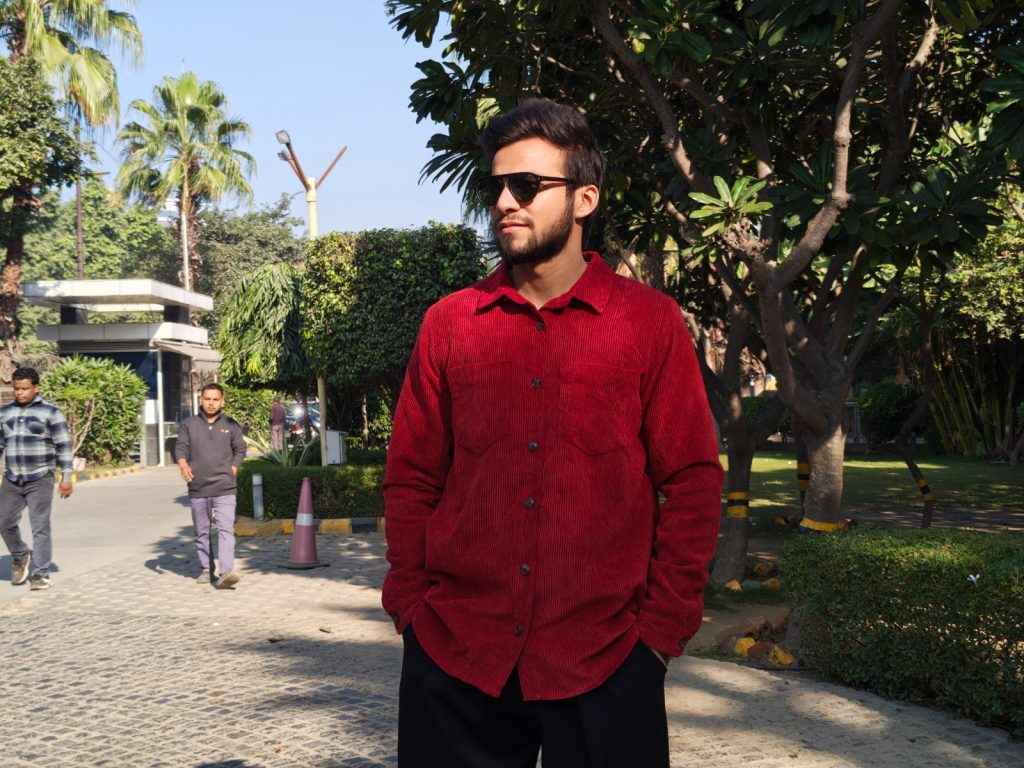
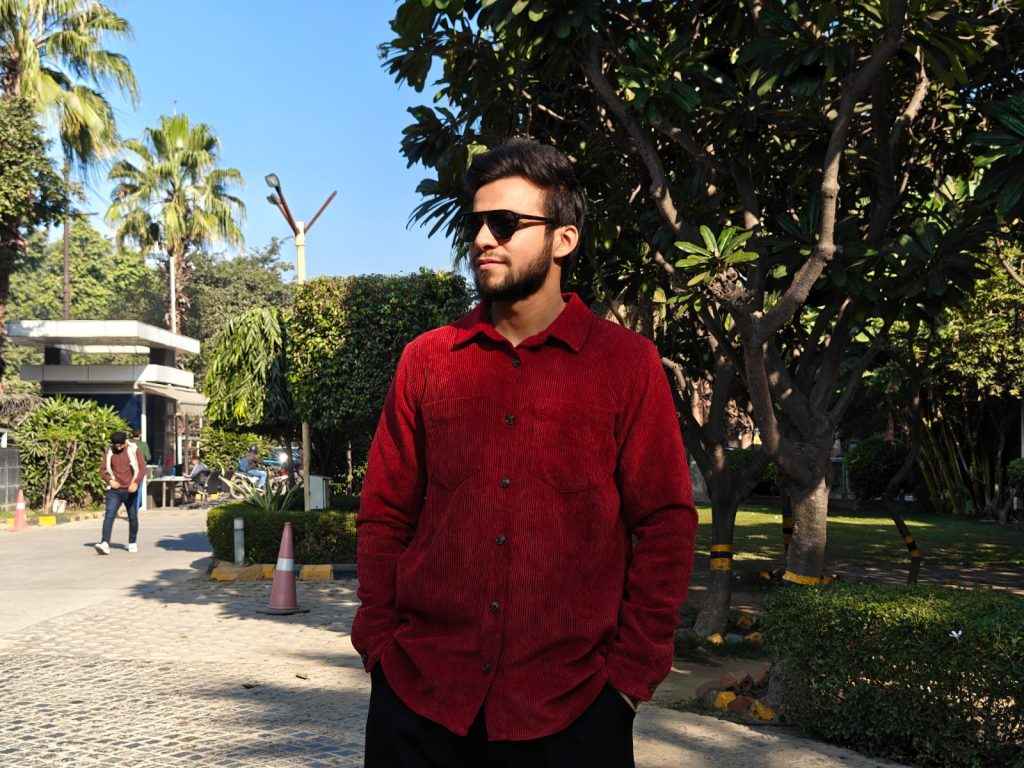
Both the Motorola Edge 70 and OnePlus Nord 5 support lossless shooting at 2x zoom, making this focal length particularly important for everyday photography. In the subject’s photo, the OnePlus Nord 5 leans towards more natural-looking colours while also adding a bit of extra contrast. The result is an image that feels more polished straight out of the camera, and arguably more ready for sharing on social media. In comparison, the Motorola Edge 70 renders darker clothing with slightly less accuracy, which becomes noticeable when the images are viewed side by side.


In another 2x sample, the difference becomes clearer. The OnePlus Nord 5 captures noticeably more facial detail, with sharper textures and better-defined features. This is not a one-off result either. The same behaviour repeats across additional shots, with the OnePlus consistently retaining more fine detail at 2x zoom. Over multiple samples, this gives the OnePlus a small but dependable edge at this zoom level, especially for portraits and close-up shots where detail matters more.
Portrait mode performance
Portrait mode is where the differences between the two phones become much easier to spot. All portrait shots in this comparison were taken at 2x on the OnePlus Nord 5 and at 55mm on the Motorola Edge 70. It is also worth noting that Motorola offers portrait shooting at three focal lengths, giving users a bit more flexibility when framing their shots.



Across multiple samples, the OnePlus Nord 5 shows a consistent issue with depth separation. In several images, it incorrectly blurs parts of the spectacles. This behaviour repeats across different shots and lighting conditions. To rule out the possibility of this being a one-off error, additional photos were taken under the same conditions, and the results remained the same.



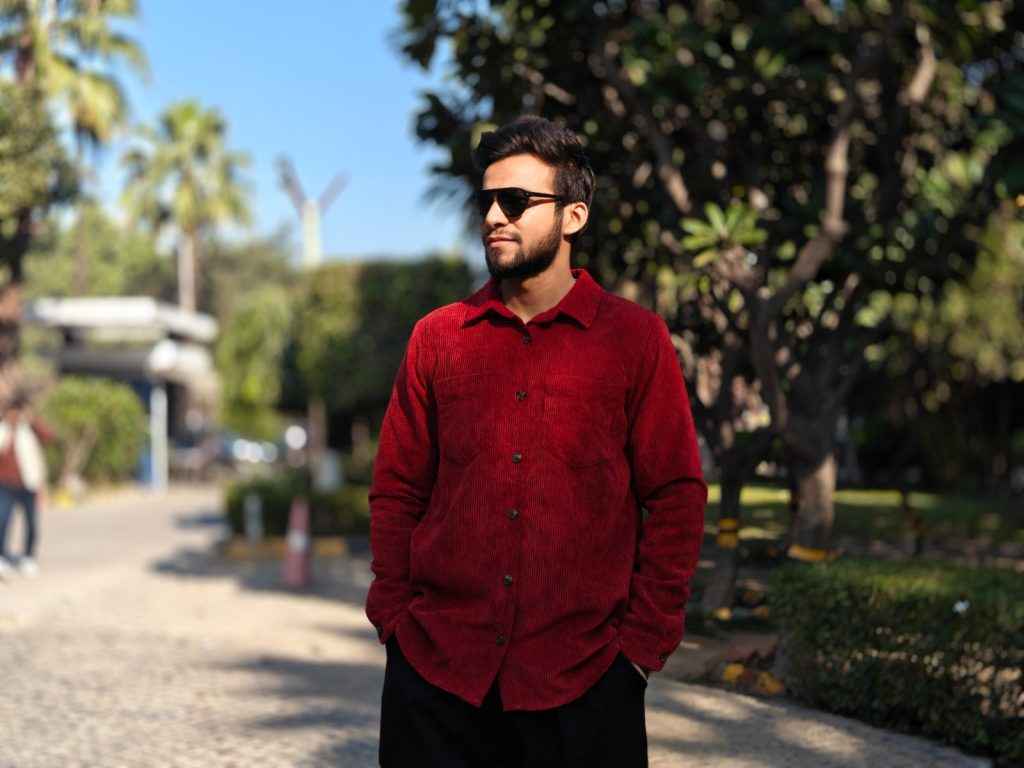
In similar scenes, the Motorola Edge 70 does a better job of separating the subject from the background. This advantage becomes even more noticeable in backlit situations. Against strong light sources, the Motorola correctly identifies background elements and applies blur where it should, while the OnePlus Nord 5 often fails to do so, leaving parts of the background unnaturally sharp.
The OnePlus Nord 5 does capture portraits with finer detail on the subject itself. However, this advantage is undermined when the background blur is inaccurate. When a phone struggles to separate objects properly, the overall portrait effect suffers, making the image look less convincing despite the extra detail on the face.


For a deeper look at the image comparison, check out the video linked below.
Low light performance
In low-light scenes, the Motorola Edge 70 pulls ahead by capturing more detail in photos overall. In billboard shots, facial details remain visible instead of breaking down into noise, and highlights are better controlled, preventing bright areas from blowing out too quickly. The difference is not dramatic at first glance, but it becomes clear once you start comparing images more closely.


In this train bogie shot, the gap becomes more apparent. Text appears clearer on the Motorola Edge 70, making signs and markings easier to read. Shadow areas also retain more information, avoiding the muddy look that often shows up in low light. Colour reproduction holds up better as well, with details like the blue section near the wheels remaining visible. On the OnePlus Nord 5, these colour details are more likely to be lost as the image processing smooths things out.


Ultra-wide camera performance
The ultra-wide camera shows one of the clearest differences between the two phones. The OnePlus Nord 5 tends to soften fine details, particularly in areas such as leaves and ground textures. While the overall image remains usable, it lacks the crispness seen in the Motorola Edge 70’s shots.
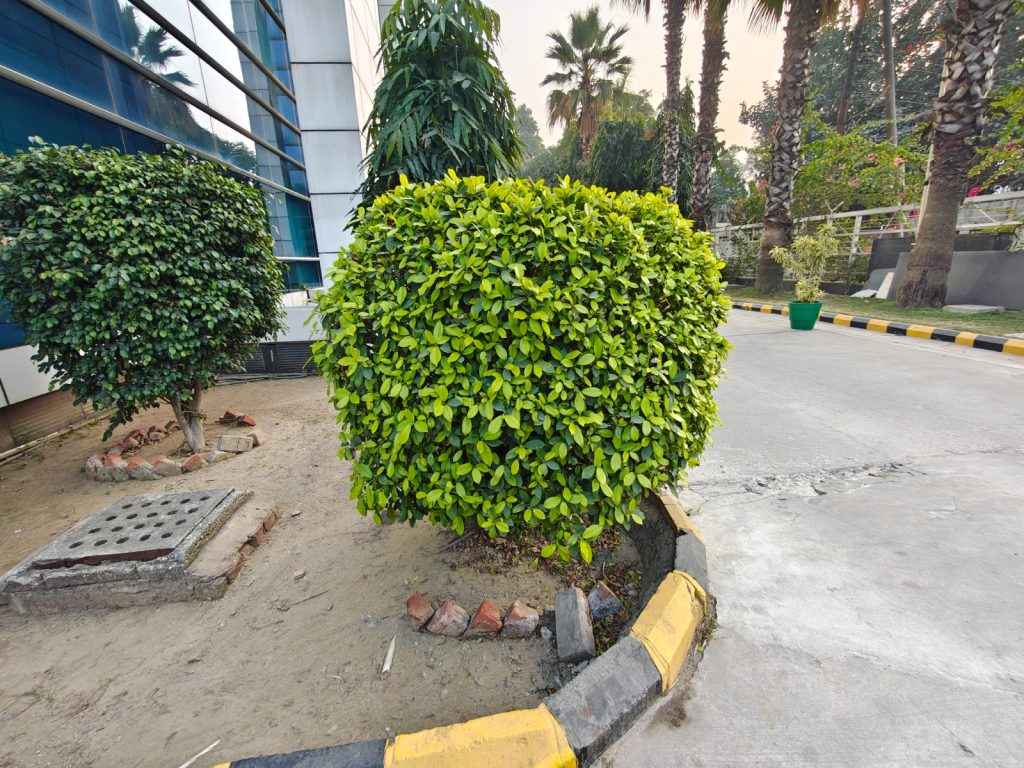

Across additional samples, this pattern remains consistent. Details like tree bark and small wrinkles on objects stay more defined on the Motorola. Under direct sunlight, the OnePlus also has a tendency to overexpose highlights, leading to blown-out areas that lose texture and depth. The Motorola handles these challenging lighting conditions more confidently, preserving detail across the frame.




Front camera performance
Selfie performance is closer to the rear cameras, but the differences are still consistent. The OnePlus Nord 5 retains more facial detail, giving selfies a sharper look overall. The Motorola Edge 70, on the other hand, shifts colours slightly, with red clothing often appearing closer to pink.




On closer inspection, the OnePlus captures more fine detail in areas such as the forehead, where skin texture is better preserved. This behaviour carries over into portrait selfies as well, with the OnePlus continuing to prioritise detail retention. Based on these results, the OnePlus Nord 5 performs better for selfies, particularly for users who value sharpness over colour accuracy.




Video recording
Both the Motorola Edge 70 and OnePlus Nord 5 support video recording up to 4K at 60 fps. In practice, however, the footage from both devices appears shaky, suggesting that stabilisation is not a strong point for either phone. The Nord 5 looks noticeably more jittery, especially during movement.
When it comes to colour reproduction in video, the Motorola Edge 70 delivers more accurate results overall. Colours look more natural and balanced, whereas the OnePlus sometimes pushes tones a little further than necessary. While neither phone stands out as a clear winner for video, Motorola’s more consistent colour handling gives it a slight edge.
Conclusion
This camera comparison makes it clear that both phones come with their own strengths and limitations. The Motorola Edge 70 performs better in low light, delivers more consistent results with its ultra-wide camera, and handles portrait separation more reliably. These strengths make a difference in challenging conditions, where accuracy and subject separation matter more than headline specifications.
The OnePlus Nord 5, on the other hand, stands out when it comes to detail retention at 2x zoom and delivers stronger selfie performance. Its ability to preserve fine detail gives it an advantage in everyday portraits and close-up shots, particularly for users who prioritise sharpness and social-media-ready images.
In the end, the final choice depends on which aspects of camera performance matter more to the user. Those who frequently shoot in low light or rely on portrait mode may find the Motorola Edge 70 better suited to their needs, while users who care more about zoomed shots and selfies are likely to prefer the OnePlus Nord 5.


