Gaming controversies 2025, GTA VI delay, Nintendo backlash, industry unrest
Five moments that exposed the growing disconnect in the gaming industry 2025
Why 2025 frustrated gamers with delays, broken launches, ownership and layoffs
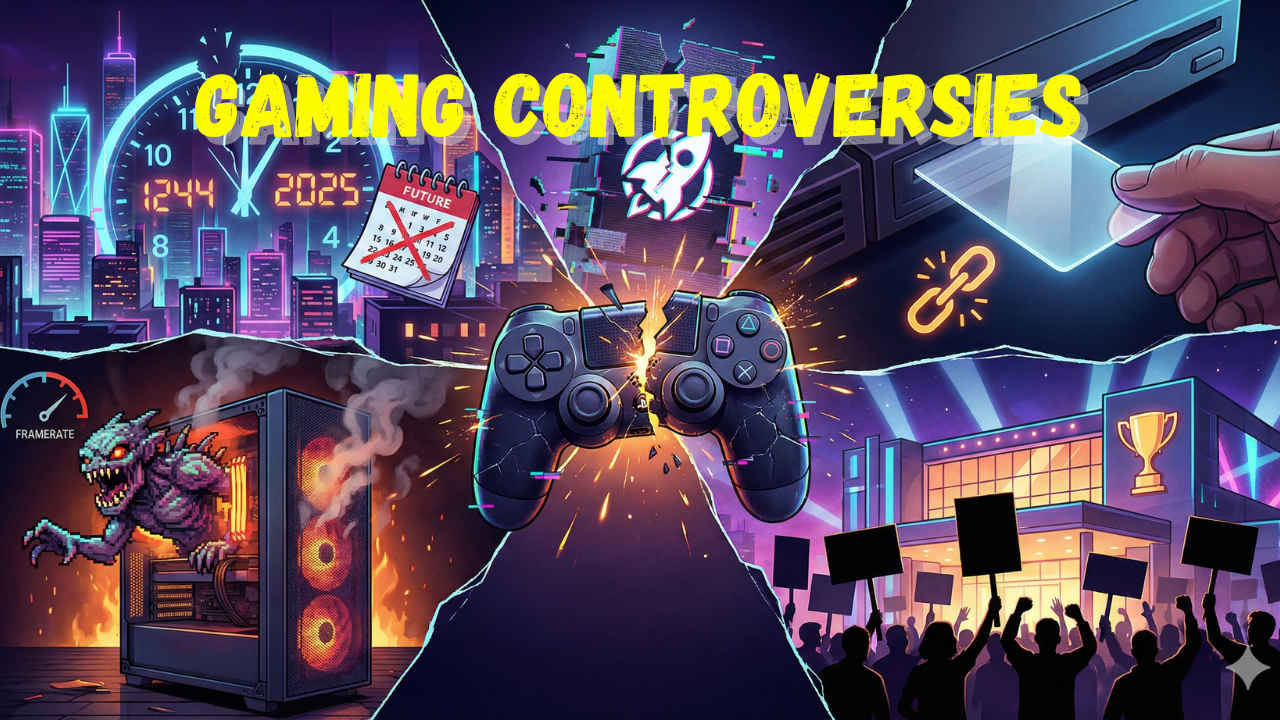
As the final hours of 2025 tick away, the gaming industry finds itself in a strange state of limbo. On paper, it was a year of recovery. We finally got the successor to the Nintendo Switch, PC hardware pushed new boundaries with the RTX 50-series, and esports viewership hit all-time highs. Yet, for the average gamer, 2025 will likely be remembered less for what we played, and more for what we didn’t – and the frustration that filled the silence.
 Survey
From shattered release schedules to the erosion of physical ownership, this year proved that the gap between corporate strategy and consumer reality is wider than ever. Here are the five controversies that shook the industry in 2025.


Also read: Zelda Breath of the Wild VR MOD: PC requirements and how to install
The Silence of Rockstar and the GTA VI Delay
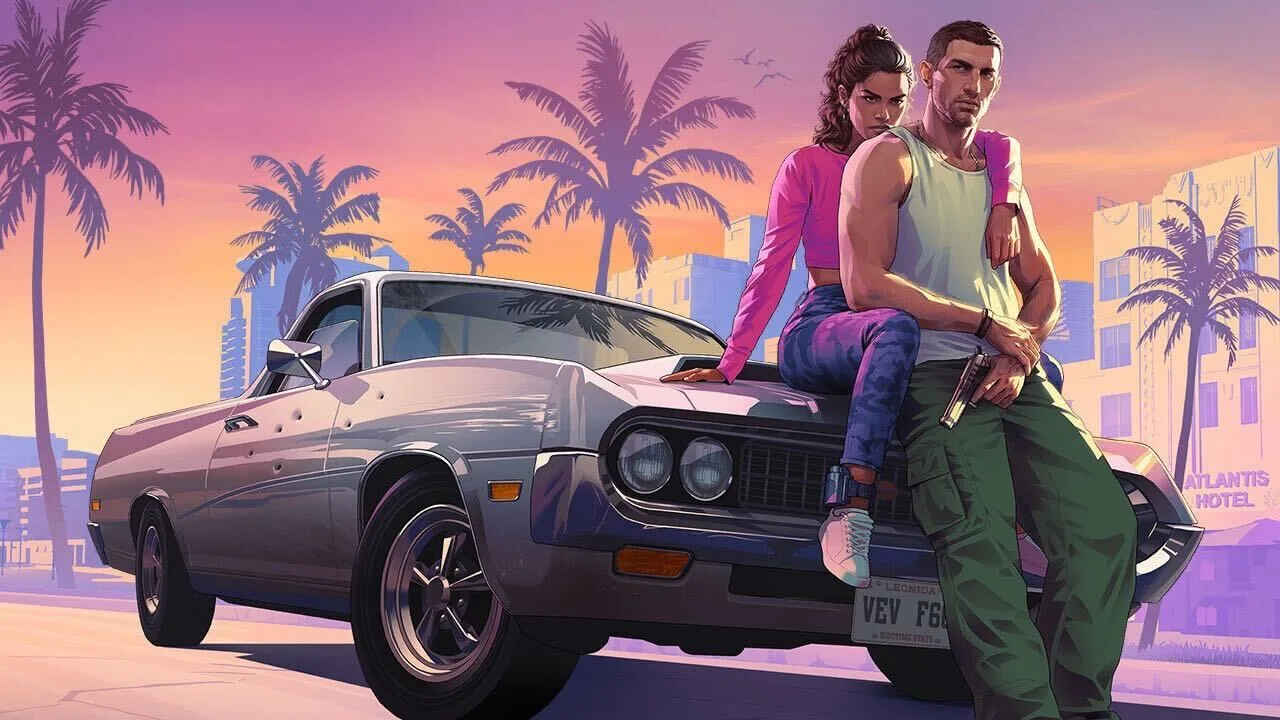
It was the “Save the Date” that never happened. For the better part of two years, the industry operated under the assumption that Grand Theft Auto VI would be the tide that lifted all boats in 2025. Analysts predicted record hardware sales; publishers moved their own release dates to avoid the blast radius.
Then came the silence, followed by the inevitable press release: Holiday 2026.
The delay itself isn’t unprecedented for Rockstar, but the fallout was unique. It exposed just how fragile the current gaming economy is. Take-Two’s stock tumbled, but more importantly, it left a massive vacuum in the release calendar that no other title was ready to fill. For gamers who purchased PS5 Pros and high-end PCs in anticipation, the delay felt like a bait-and-switch, turning what should have been a banner year into a waiting room for 2026.
Nintendo’s “Key Card” Experiment Sparks a Preservation Crisis
When the Nintendo Switch 2 finally arrived, the hardware was praised, but the media format sparked a firestorm. In an attempt to woo third-party developers concerned about cartridge manufacturing costs, Nintendo introduced “Game Key Cards” for select AAA titles – physical cards sold in stores that contained zero game data, acting merely as a hardware-level license to trigger a download.
Collectors and preservationists rightfully labeled this the “death of ownership.” It was a stark reminder that the console market is rapidly abandoning the idea of buying a game you can actually hold. Combined with a steep $450 console price point and the standardization of $70 games, the “Key Card” scandal chipped away at Nintendo’s long-standing image as the family-friendly, consumer-first alternative.
The “MindsEye” Implosion
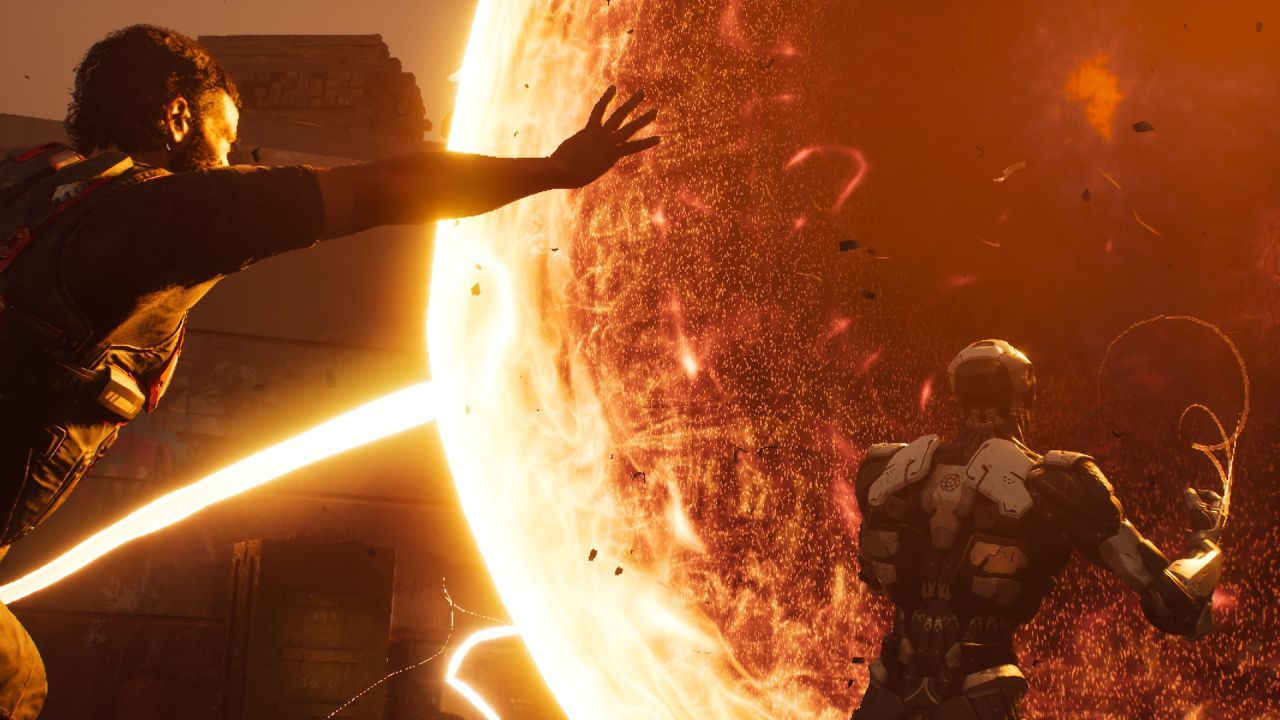
If there is a lesson to be learned in 2025, it is that “star power” is no substitute for a working game loop. MindsEye, the debut project from former GTA producer Leslie Benzies and his studio Build a Rocket Boy, was marketed aggressively as a “GTA Killer.”
Also read: Rainbow Six Siege hacked: How a massive security breach gave players billions of credits
What launched in June was a technical and creative catastrophe. Riddled with bugs and lacking the satirical bite of its inspiration, the game’s hollow open world became the subject of relentless ridicule. It wasn’t just a bad game; it was a high-profile failure that reignited the debate about budget mismanagement in AAA development. In a year where budgets are tighter than ever, MindsEye served as a cautionary tale: hype is not a gameplay mechanic.
Monster Hunter Wilds and the Optimization Myth
PC gamers have grown accustomed to unpolished ports, but Monster Hunter Wilds pushed patience to the breaking point. Despite stellar gameplay mechanics, the PC launch was marred by aggressive DRM and an over-reliance on upscaling technologies like DLSS and FSR.
The controversy highlighted a worrying trend for 2025: developers treating upscaling AI not as a bonus for aging hardware, but as a crutch for unoptimized code. When a game struggles to hit 60fps on an RTX 4080 without frame generation, the contract between developer and consumer is broken. The “Mixed” Steam reviews weren’t just about framerates; they were a rejection of the “release now, fix later” culture that refuses to die.
The Game Awards Protest
The year ended on a somber note. While The Game Awards aired its usual cavalcade of “World Premieres” and celebrity cameos, the real story was happening outside the Peacock Theater. Hundreds of developers – many representing the estimated 3,500+ workers laid off in 2025 – staged a protest that was impossible to ignore.
Carrying signs resembling tombstones for shuttered studios, the demonstrators forced a conversation that the industry often tries to drown out with trailers. It created a jarring split-screen effect: inside, executives celebrated record revenues; outside, the people who built those games fought for basic job security. It was a stark reminder that behind every “Game of the Year” contender is a human cost that the industry is still struggling to address.
Looking Ahead
If 2025 was a year of friction, 2026 promises to be the year of consequence. With GTA VI now looming on the horizon and unionization efforts gaining actual ground following the December protests, the industry is being forced to mature. The question for the coming year isn’t just “what will we play?” – it’s “how will the industry change to ensure we can play it?”
Also read: You can now experience the Stranger Things world in Minecraft, all details
 Follow Us
Vyom Ramani
A journalist with a soft spot for tech, games, and things that go beep. While waiting for a delayed metro or rebooting his brain, you’ll find him solving Rubik’s Cubes, bingeing F1, or hunting for the next great snack. View Full Profile


