Rainbow Six Siege hacked, billions of R6 credits flood player accounts
Ubisoft shuts Rainbow Six Siege servers after massive security breach
Rainbow Six Siege breach exposes risks in live service game economies
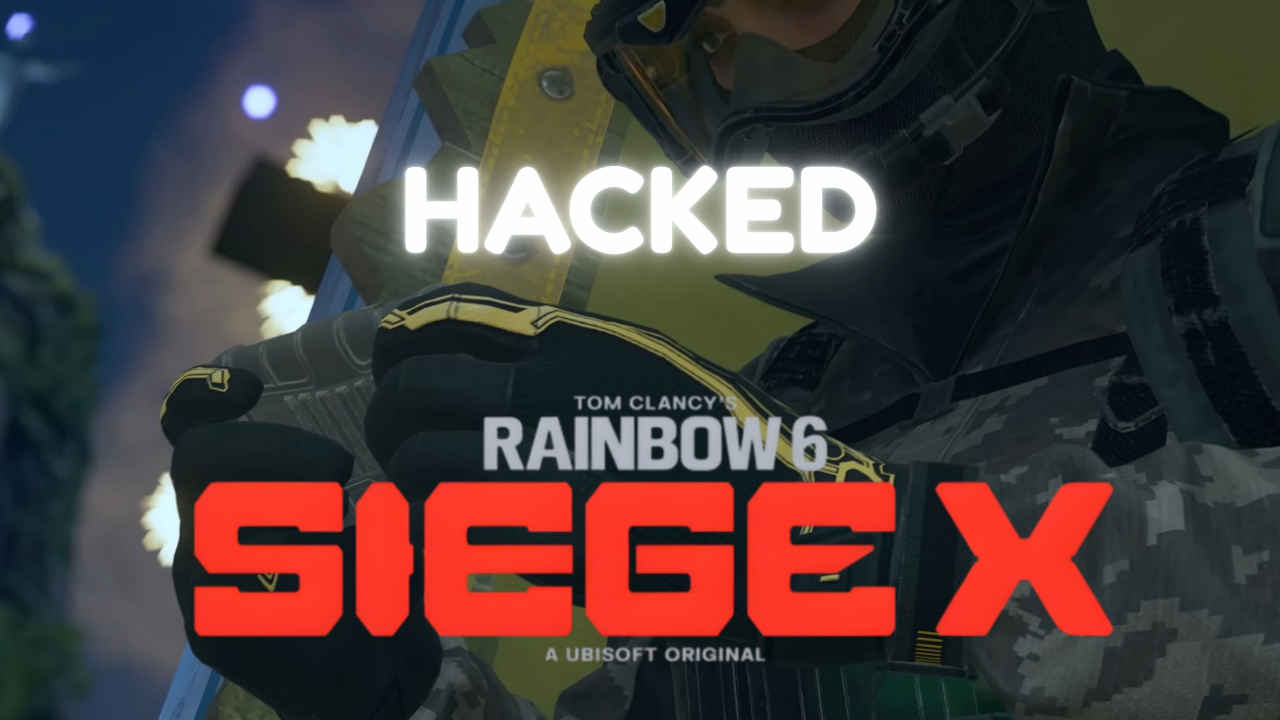
For a brief and chaotic moment in late December, the in-game economy of Tom Clancy’s Rainbow Six Siege effectively stopped making sense. Players logging in found their accounts loaded with billions of R6 Credits, rare and developer-only cosmetics unlocked instantly, and automated messages showing bans and unbans appearing at random. What initially looked like a strange glitch quickly became clear as something far more serious: a major backend security breach.
 Survey
Also read: Hall effect keyboards explained: Are they better than mechanical keyboards for gaming?


The scale of the incident forced Ubisoft to shut down Rainbow Six Siege servers globally, freeze the in-game marketplace, and begin a full investigation. For a live-service shooter that has run for nearly a decade, the breach exposed just how vulnerable even mature online games can be.
What players experienced
Reports surfaced almost simultaneously across regions. Many players received roughly two billion R6 Credits, the premium currency normally purchased with real money. Large amounts of Renown were also added, and access was granted to cosmetics usually locked behind limited-time events or internal developer tools.
Also read: Steam Winter Sale 2025: Top 5 games to buy before the offer ends
More concerning was the apparent control over moderation systems. Some accounts displayed ban notifications that vanished minutes later, while others showed all operators unlocked at once. The consistency of these reports suggested this was not a player-triggered exploit, but direct manipulation of Ubisoft’s internal systems.
Why the damage was serious
In normal circumstances, 15,000 R6 Credits retail for about $100. The amount of premium currency injected during the breach represented millions of dollars worth of virtual value. While the money was not real, it directly undermined the economy that funds Siege’s ongoing development, seasonal content, and esports ecosystem. Crucially, players did nothing to cause this. The breach occurred entirely on the backend, shifting responsibility away from users and toward infrastructure security.
Ubisoft’s response
Ubisoft moved quickly once the scope became clear. Servers were taken offline to stop further abuse, and the company confirmed that all in-game transactions after a specific cutoff time would be rolled back. Ubisoft also clarified that players would not be punished for receiving or spending the unauthorized credits, since the incident was outside their control. The rollback effectively erased the hacked economy, restoring accounts to their pre-breach state once services came back online.
Why this matters beyond Siege
Rainbow Six Siege is often cited as a model live-service game, built on long-term updates, cosmetic monetization, and competitive integrity. The breach shows how much power sits in backend systems and how devastating it can be when that control is compromised.
As games increasingly function like always-online platforms with complex economies, they also become more attractive targets. The Siege incident is a reminder that in modern gaming, security failures do not just cause downtime. They can temporarily collapse entire virtual worlds.
For players, the free credits were fleeting. For the industry, the warning is harder to ignore.
Also read: You can now experience the Stranger Things world in Minecraft, all details
 Follow Us
Vyom Ramani
A journalist with a soft spot for tech, games, and things that go beep. While waiting for a delayed metro or rebooting his brain, you’ll find him solving Rubik’s Cubes, bingeing F1, or hunting for the next great snack. View Full Profile


