
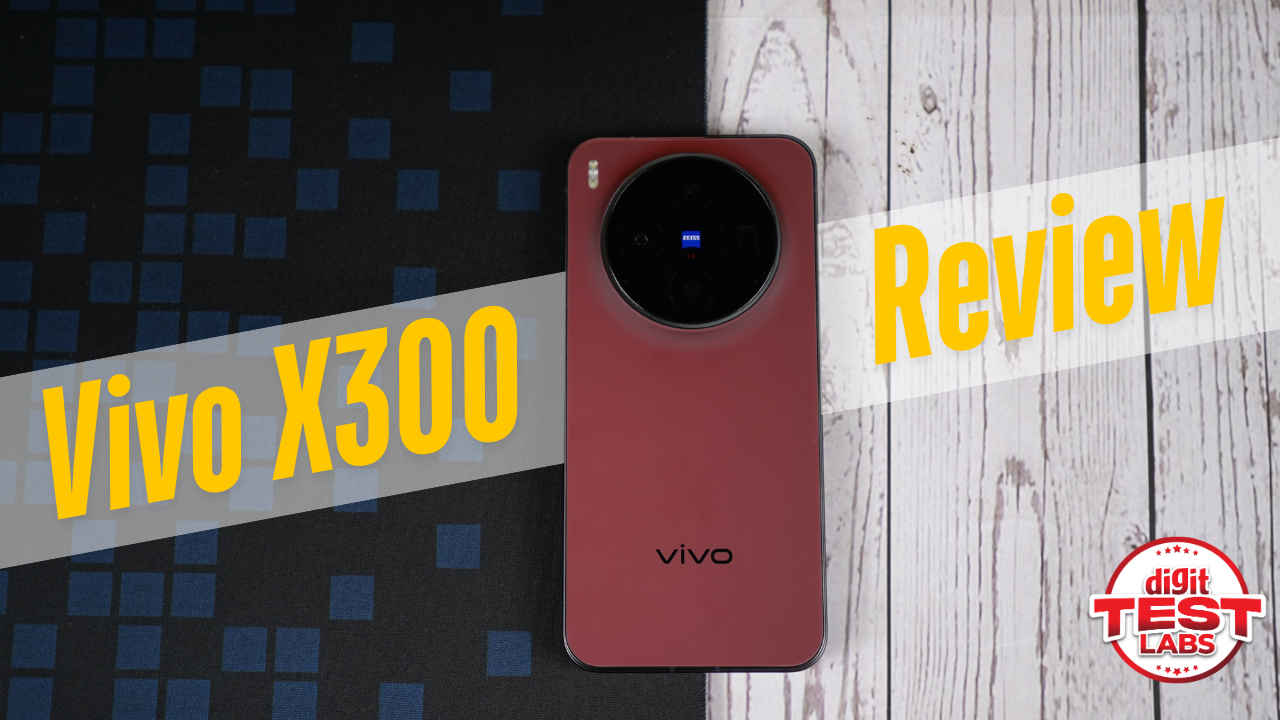
If there is one thing that still decides whether someone splurges on a flagship phone, that’s definitely the cameras. People usually want something that makes their photos look like a beautiful memory, and the serious buyers, who upgrade their phones once every two or three years, will not settle for anything less than what we call a ‘big upgrade’. For a long time, Apple and Samsung were the go-to options for those looking for high-quality camera phones. However, over the past few years, Vivo has quietly shifted the conversation with its Zeiss partnership, smarter AI and genuinely impressive camera optimisation.
That brings us to the Vivo X300. I’ve been using it for a while, and my first impression is straightforward: it looks fresh, feels sleek, and the camera system makes an immediate statement. However, the real question is not whether it looks good. The question is whether the X300 truly improves on the X200, and, more importantly, whether it can compete with the rivals. Here is what I think.
Vivo X300: Design
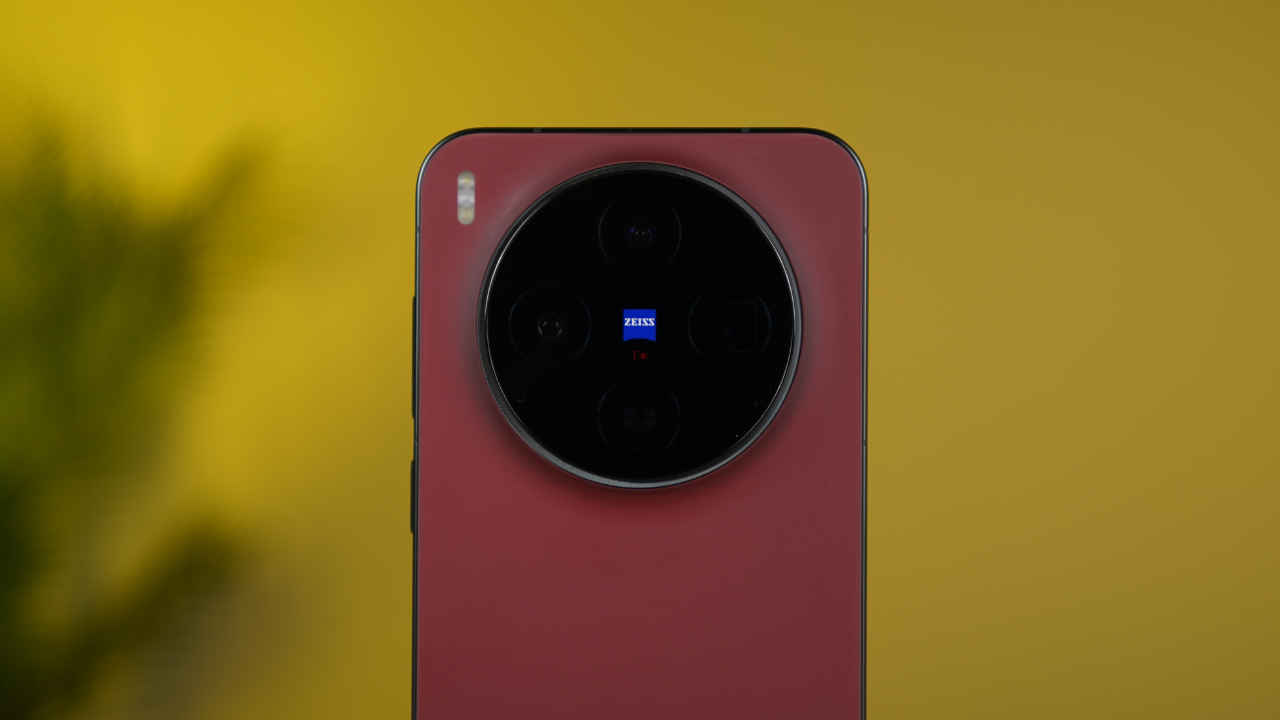
I got the Vivo X300 in Summit Red, and it’s one of those colours that draws attention without shouting. I carried it around Goa for a few days, and strangers repeatedly asked what phone it was and how much it cost. That pretty much sums up the first impression: this is a phone that stands out.
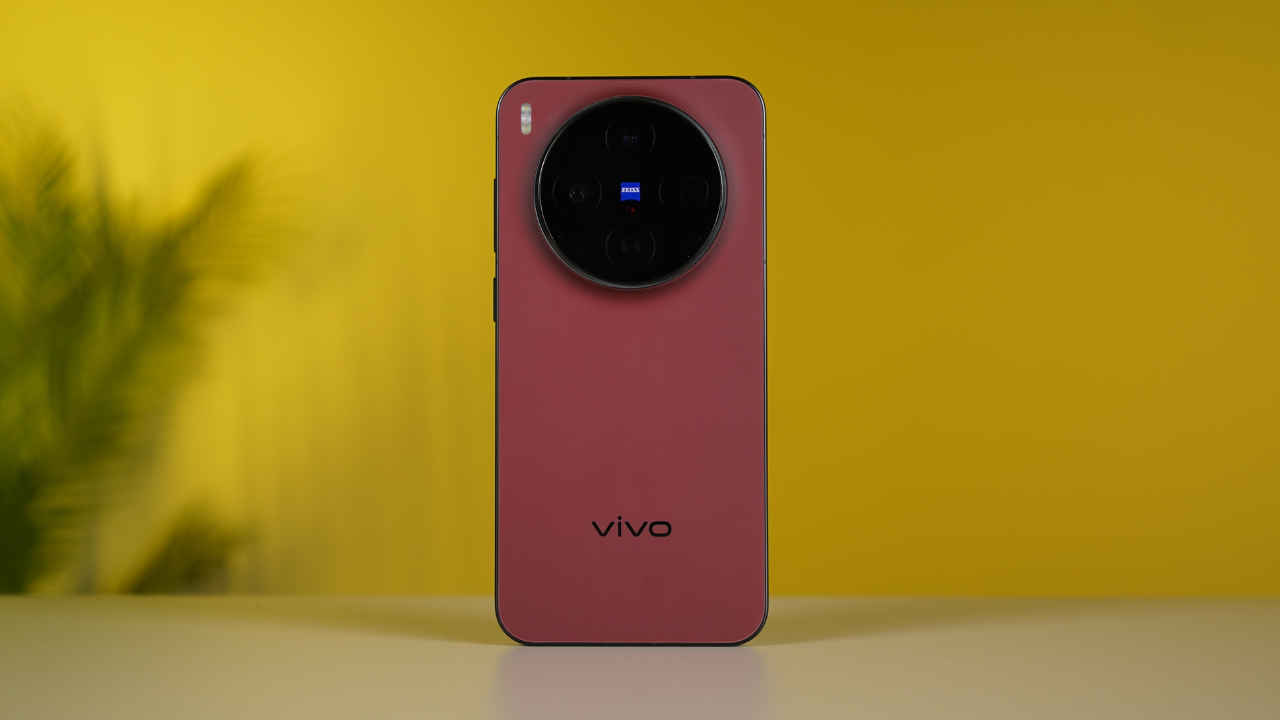
This year, Vivo has clearly refined its design. The X300 is 7 grams lighter than the X200 and only 7.99mm thick, and you feel that the moment you pick it up. It sits comfortably in the hand, the grip is secure, and the overall balance makes it feel more compact than the numbers suggest. At 190g, it hits a sweet spot: solid enough to feel premium while remaining light enough to avoid fatigue during extended use.
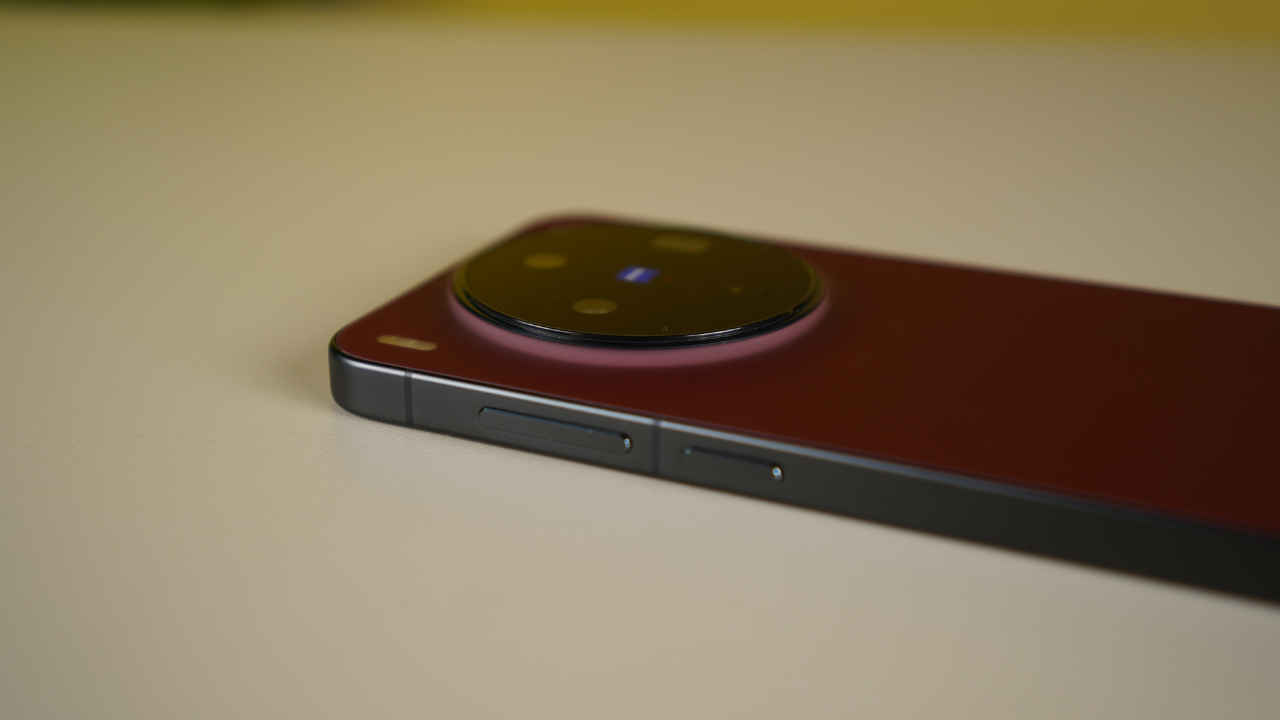
The build combines glass/glass fibre on the front and back with an aluminium alloy frame, giving the phone a sturdy yet elegant appearance. You also get IP68 and IP69 ratings, which mean it can withstand dust, rain, splashes, and even high-pressure water jets, something not every flagship can claim.
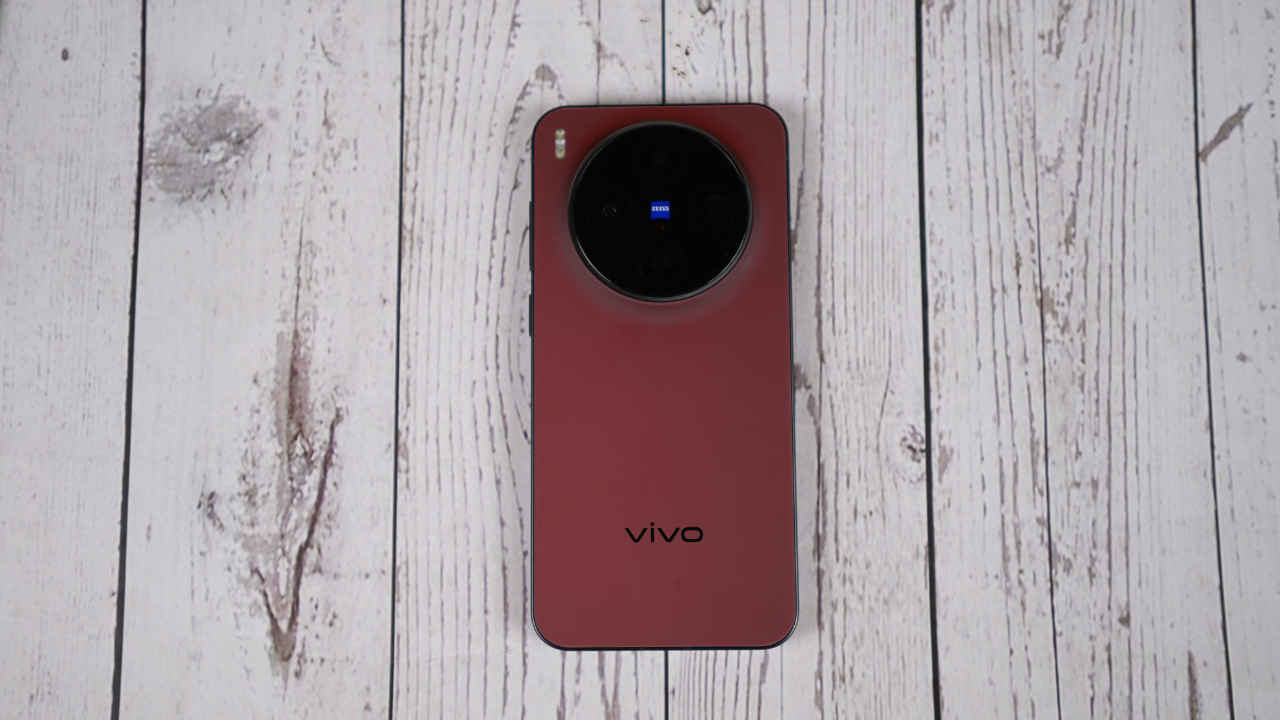
Vivo has kept the palette tight but distinctive, with options such as Elite Black, Mist Blue, and the new Summit Red. The small footprint measuring 150.57mm tall and 71.92mm wide, combined with ultra-thin symmetrical bezels around the 6.31-inch flat display, creates a minimalist, almost perfect look.
Vivo X300: Display
The Vivo X300 may appear compact on the outside, but its display performance is pretty impressive. This device features a 6.31-inch LTPO AMOLED panel with a resolution of 2640 × 1216, slim bezels and SCHOTT Xensation XT Core protection. Vivo has included all the flagship essentials, such as 120Hz refresh rate, 1B colours, HDR10+, HDR Vivid, and 2160Hz PWM dimming, and on paper, it looks complete.

If you hold it, the first thing that stands out is the visual punch. The colours are vibrant but not oversaturated, the viewing angles are excellent, and the screen feels crisp and expressive whether you’re scrolling through social media or reviewing photos. It’s fun to watch HDR content on YouTube or Netflix.
In our brightness test, we measured up to 995 nits manually and a massive 3,340 nits peak under adaptive brightness, which is more than sufficient for harsh outdoor visibility.

But the real story lies in the calibration. Using Calman and the SpectraCal C6 HDR2000 colorimeter, the X300 produced reference-level results:
Average DeltaE 2000: 0.8 (a near-perfect score),
Max DeltaE: 1.4,
Gamut coverage: 99.8%,
Contrast ratio: 107,385:1,
White point: 6621K, extremely close to the D65 standard.
Simply put, the display is so well-tuned that even professional creators will struggle to find flaws. Greyscale tracking is precise, RGB balance is consistent, and the gamma curve is nearly perfect, with just a hint of added contrast for a punchier look, something most users will prefer.

Photos look great on this screen, thanks to the X300’s excellent image capture and the panel’s ability to render them exactly as needed. It’s one of those displays where you click on a picture and immediately want to zoom in, examine the details and admire the clarity.
Vivo X300: Performance
The Vivo X300 packs MediaTek’s new Dimensity 9500 chipset, which is built on TSMC’s 3nm N3P process and features an all-big-core CPU layout. On paper, it promises major gains in efficiency and peak performance, and Vivo equips it with up to 16GB of LPDDR5X RAM and 512GB UFS 4.1 storage. This combination alone creates the conditions for quick app launches, faster photo processing, and fluid multitasking.
In everyday use, the X300 does exactly that. Scrolling through social media, switching between apps and taking photos while moving around the city all feel smooth. OriginOS 6 on top of Android 16 is well-optimised, and it’s clear that Vivo prioritised real-world responsiveness over spec-sheet numbers.
This new software is also a big shift for Vivo. After years of using FuntouchOS globally, the brand has finally brought its more refined OriginOS outside China, and it shows. The interface feels much cleaner and more cohesive, with menus, icons, and animations that flow together naturally. The modern visual style gives the phone a more premium character.
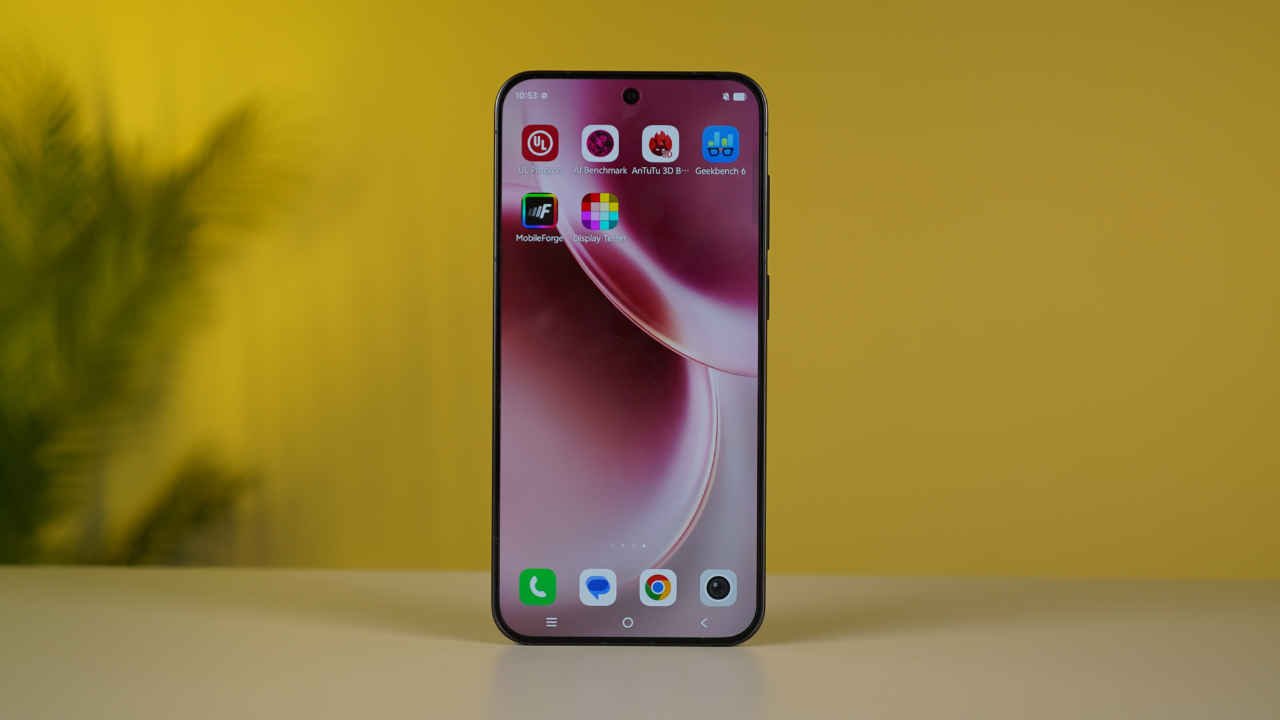
Also, it’s not just about looks, either. Vivo has fine-tuned the small details, the way gestures respond to touch, the smoothness of scrolling, and the way animations look and feel, all of which make the phone feel faster and more fluid in everyday use. Add to that the promise of five major Android OS updates and seven years of security support, and OriginOS 6 easily stands out as one of the most meaningful upgrades the company has rolled out in years.
However, coming back to numbers, here are some benchmark scores for those interested.
The X300 scored:
AnTuTu: 3,054,648
Geekbench 6: 3,204 (single-core), 9,314 (multi-core)
3DMark Wild Life Extreme: 7,137
PCMark Work 3.0: 14,571
These figures place it squarely in the flagship category and show an upgrade over the X200. Of course, while the numbers are slightly lower than what you’ll see on phones powered by the Snapdragon 8 Elite Gen 5, they’re still very much in top-tier territory. Apps launch quickly, animations feel fluid and even demanding tasks like video editing or high-resolution photography do not slow it down.


However, the problem becomes apparent during extended workloads. In our stress tests, the CPU throttled down to 71% of peak performance, and the phone’s temperature reached around 57°C. However, it quickly cooled down after that, but the heating is difficult to ignore, especially if you’re gaming or using the phone for an extended period.
On the gaming front, titles like BGMI and Genshin Impact ran without any major frame drops. The gameplay remains smooth, thanks to the GPU’s improved frame interpolation and Vivo’s thermal software management. However, the phone does run warm, which may be an issue for power users.
Vivo X300: Battery
The Vivo X300 comes with a 6,040 mAh battery and performs better than expected for a compact flagship. In PCMark’s Battery Life test, the phone lasted 17 hours and 45 minutes, which is impressive given the high-brightness LTPO display and powerful processor.
In everyday use, the X300 can easily last through a full day of mixed usage, including photography, social apps and navigation. Low-temperature drain is also handled better than many phones.
Charging is quick: the phone charged to 100% in 54 minutes in our tests. When you reach that one per cent, features like Battery Life Extender provide an additional layer of protection.
Vivo X300: Camera
Coming to the most interesting part, the camera. Vivo X300 may be a compact flagship, but its camera setup is far from modest. At the centre is a massive 200MP HPB sensor (1/1.14”, OIS, CIPA 4.5), paired with a 50MP JN1 ultrawide (1/2.76”, 119.4° FOV, AF) and a 50MP Sony IMX885 LYT-602 telephoto (1/1.953”, OIS, 3x optical zoom, CIPA 4.5). It’s a serious triple-camera array with ZEISS colour calibration, and you can feel its maturity every time you press the shutter.
In daylight, the 200MP sensor captures the clarity and micro-detail that you’d expect from expensive flagships. Colours appear natural, and the dynamic range is wide. Vivo’s tuning also avoids the overly punchy processing seen in older models. The sky retains gradients, foliage appears textured, and architectural shots are clean, with no haloing or edge artefacts. Even in high-contrast scenes, the phone consistently maintains a good exposure balance.
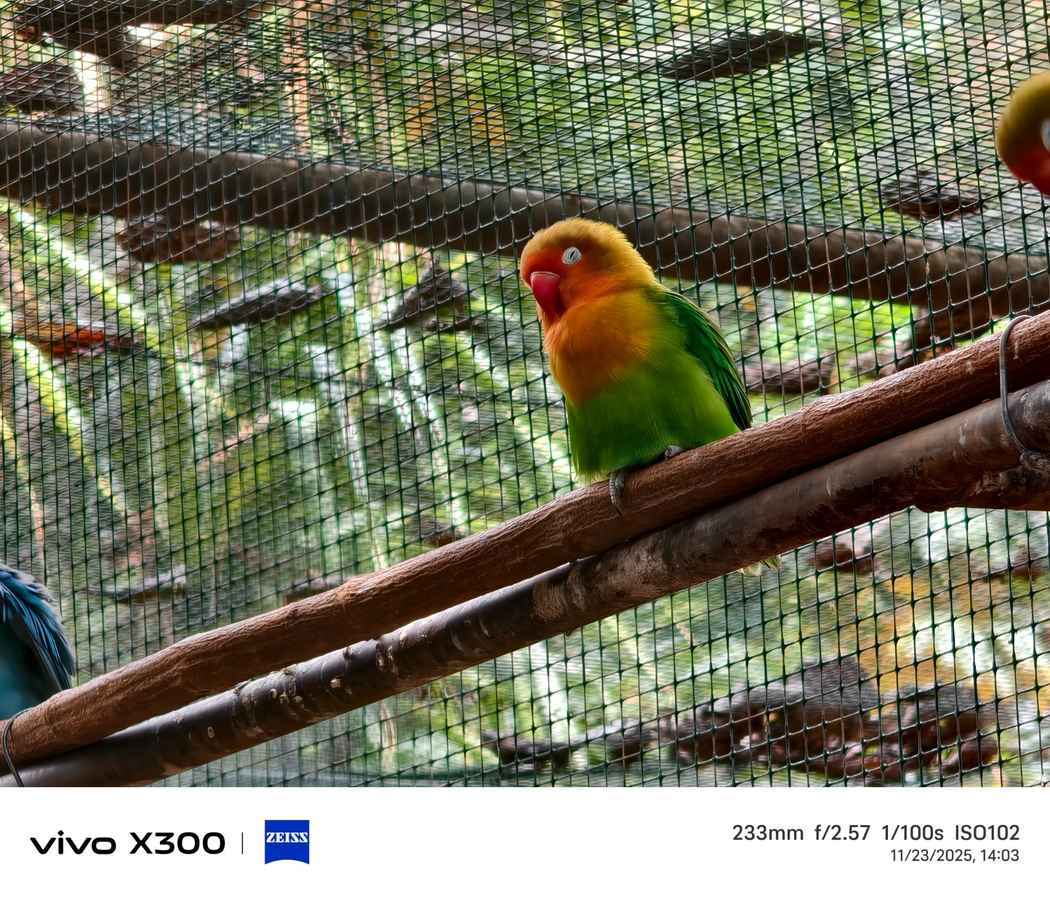


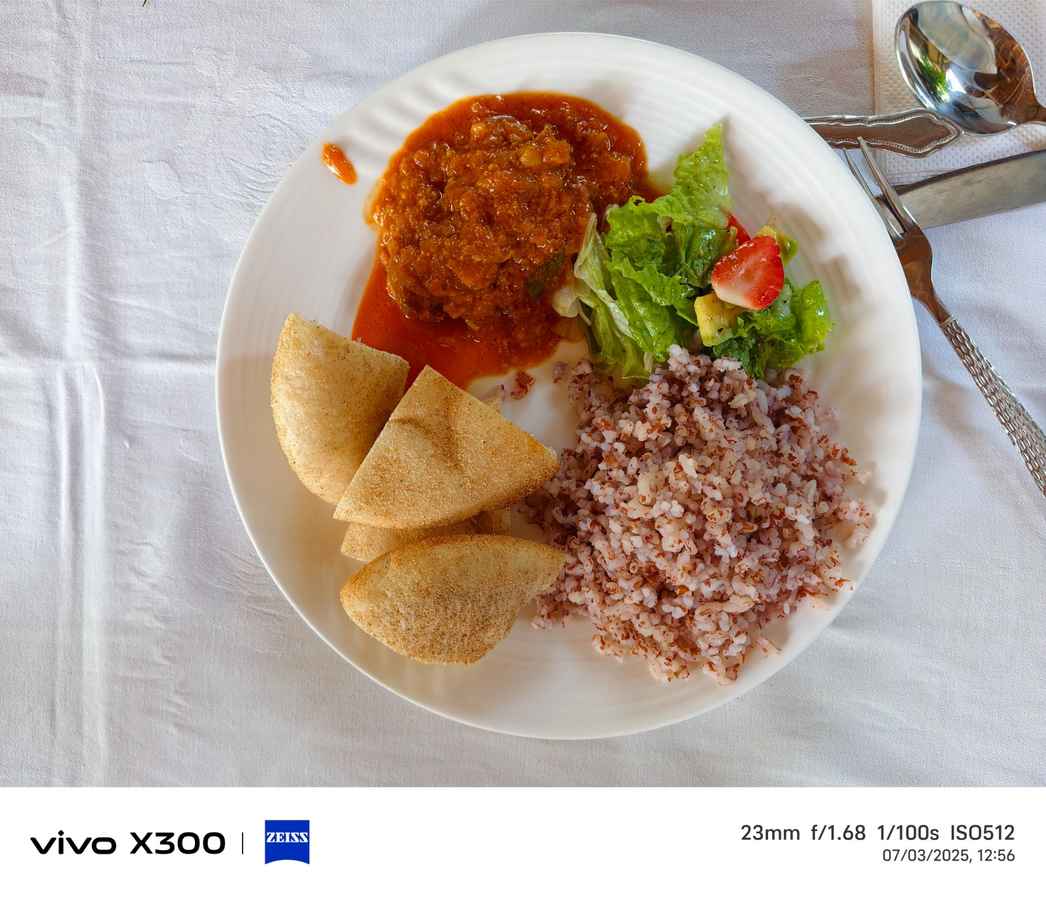

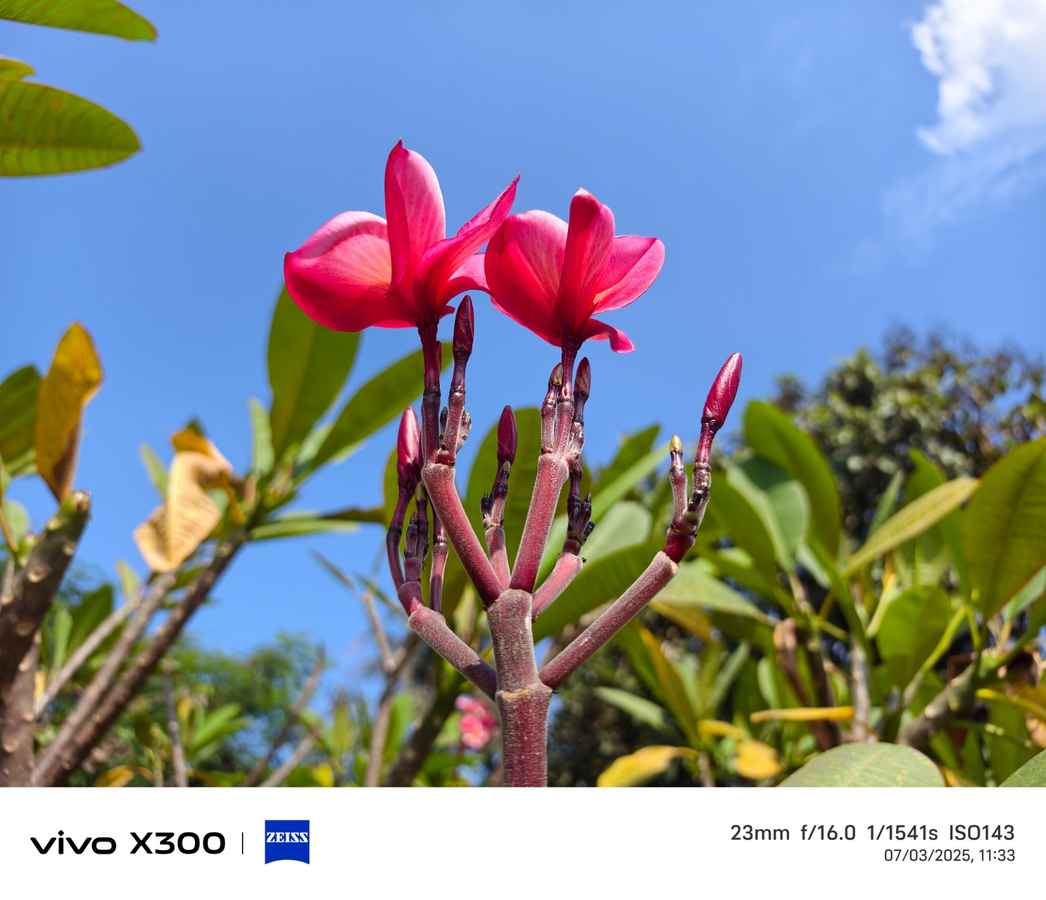
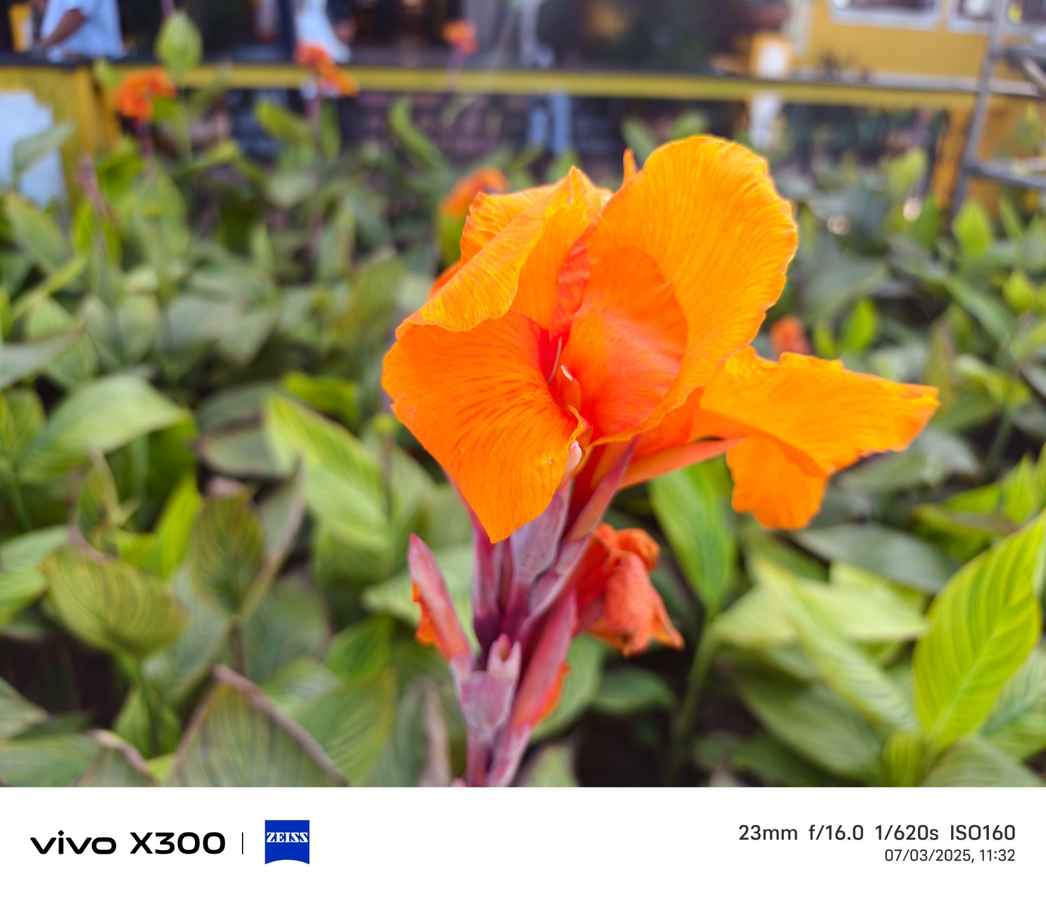


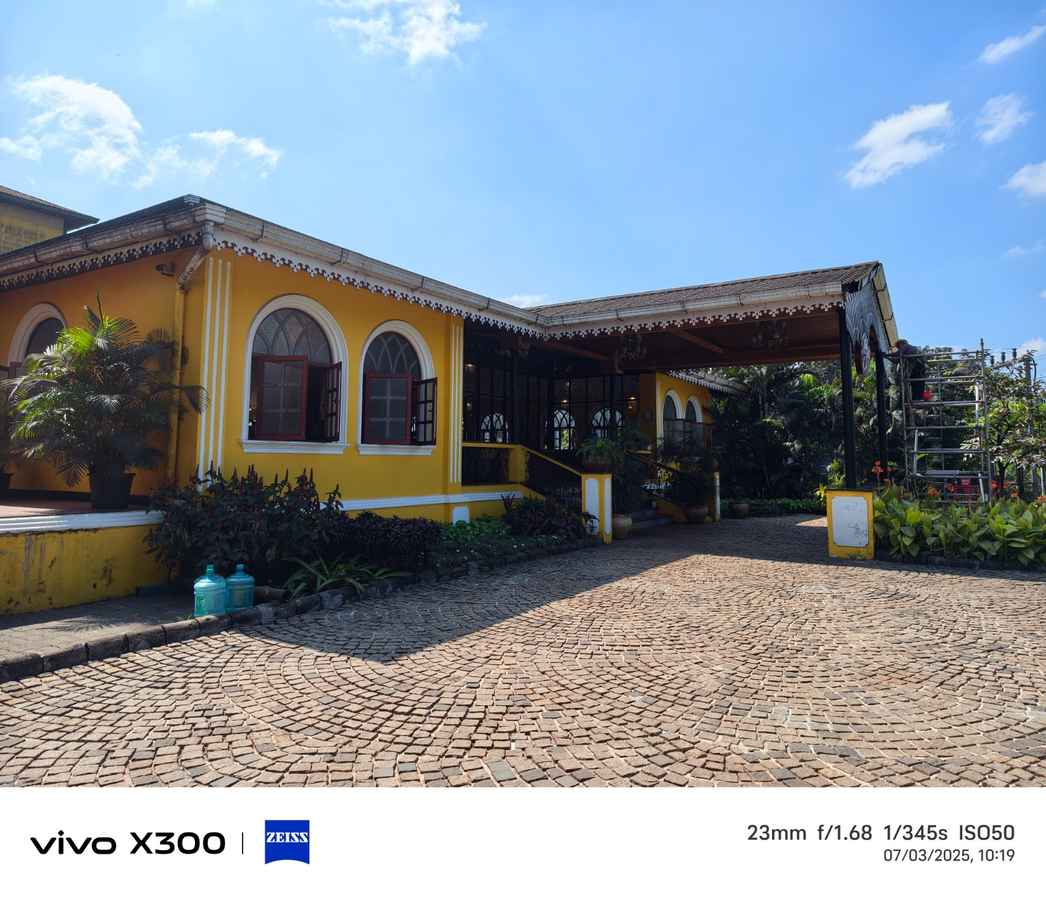



The LYT-602 telephoto lens greatly enhances portraits. The background separation is neat, the compression feels flattering at 3x, and the ZEISS bokeh modes actually add character without looking artificial. Human skin tones remain realistic in all lighting conditions, slightly warm yet pleasing, rather than smoothing them into wax.





The telephoto lens also helps the X300 punch above its weight in zoom shots. Images appear crisp and steady at up to 6x, and the 10x hybrid is still useful for capturing details at events or isolating objects outdoors, but don’t expect too much. The ultra-wide also performs well, with autofocus helping to keep interiors, group shots, and creative low-angle frames sharp.
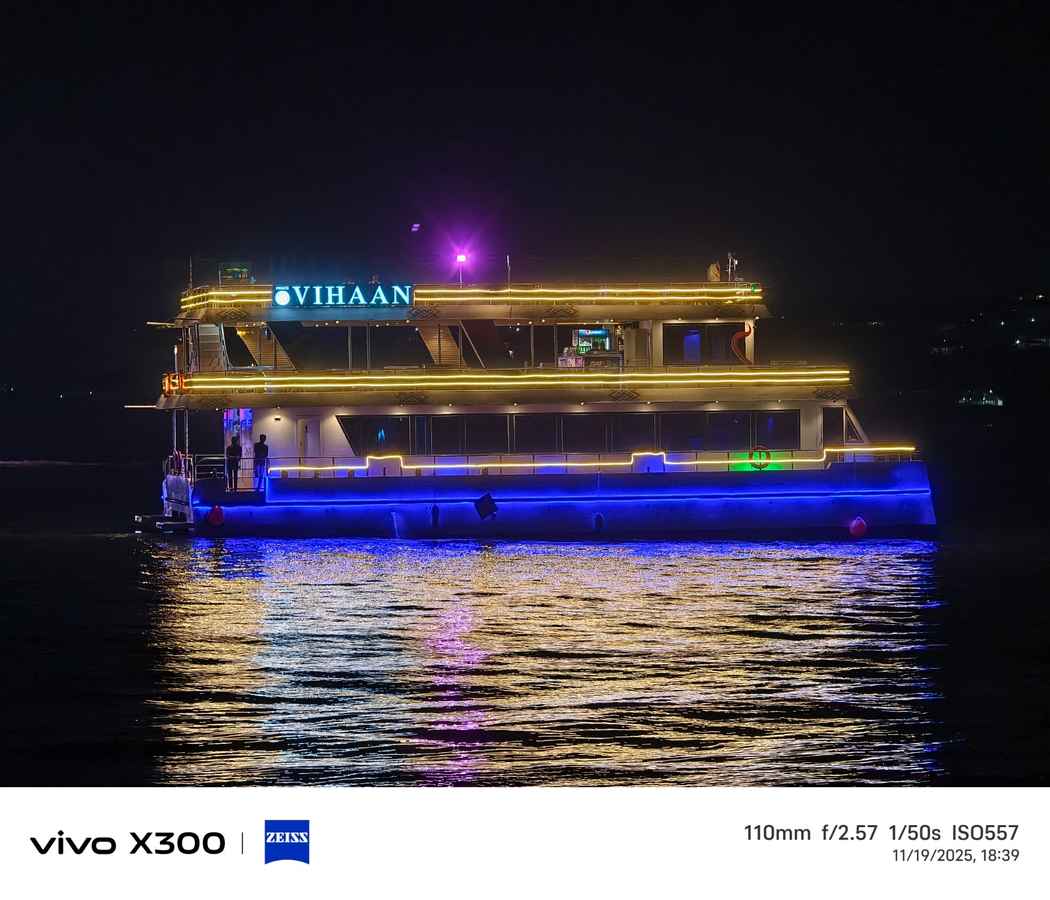
The camera also excels in low-light photography. It produces bright, clean images with well-controlled noise, and colours remain consistent even in mixed lighting. The telephoto lens is surprisingly effective at night, particularly for portraits lit by street lamps or indoor ambience.

Vivo X300: Verdict
The Vivo X300 is an attractive package, especially considering its price tag of Rs 75,999. It strikes a fine balance between performance, design, display, battery life and camera capabilities, without feeling forced. The design is sleek and lightweight, featuring a premium finish, IP68/IP69 protection and an ergonomically comfortable design that allows for all-day use. The 6.31-inch LTPO AMOLED display stands out not only for its brightness and vibrant colours, but also for its reference-level colour accuracy, making it ideal for both daily viewing and content creation.
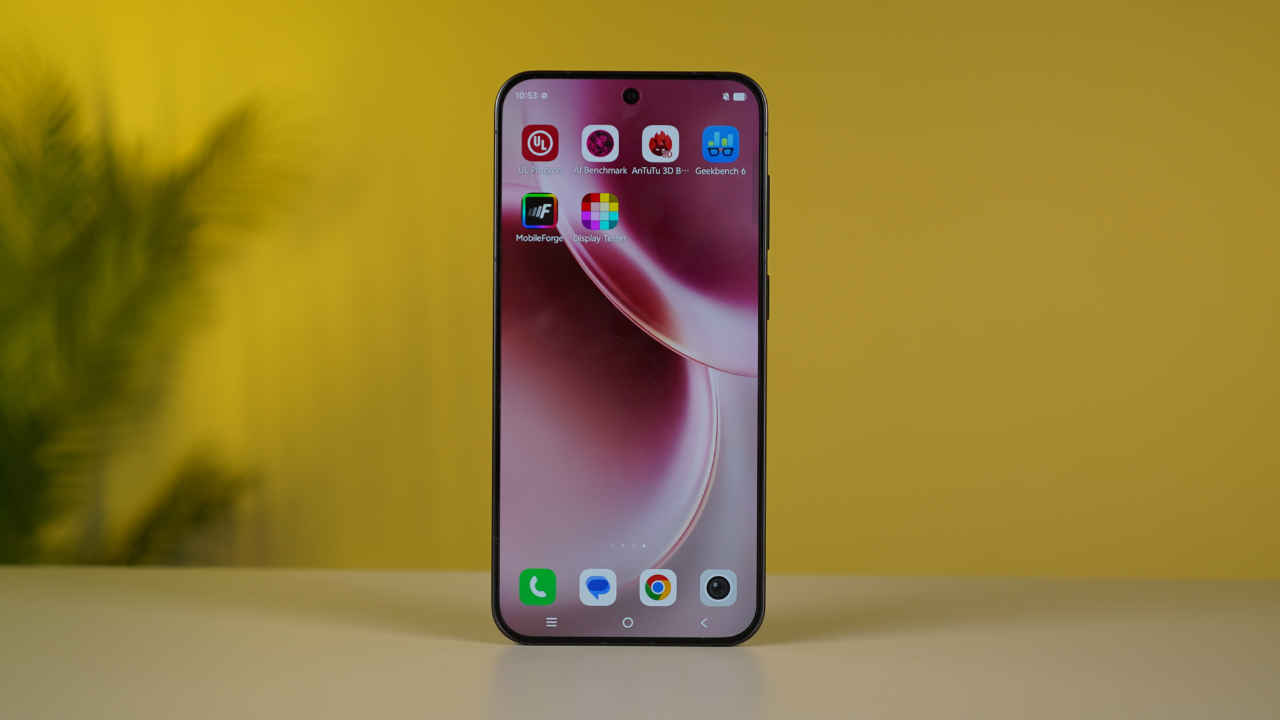
Performance is solid for daily use and multitasking, with the Dimensity 9500, up to 16GB LPDDR5X RAM, and 512GB UFS 4.1 storage delivering snappy responsiveness and smooth app handling. Benchmarks confirm flagship-level performance, but sustained workloads reveal thermal limitations that may be noticeable during extended gaming sessions. The battery life is similarly impressive, nearly 18 hours in PCMark, with a quick 54-minute charge, making it suitable for a full day of diverse use.
The camera system is the X300’s standout feature, led by a 200MP HPB main sensor. It also features 50MP ultra-wide and 50MP telephoto lenses with ZEISS optics. The camera setup excels at daylight, low-light, portraits and telephoto zoom, which means you can get images with clarity, colour fidelity and natural skin tones.
Overall, the Vivo X300 provides a compact, well-rounded flagship experience. While thermals and sustained performance under heavy load could be improved, it succeeds as a device that feels premium in the hand, performs reliably and produces standout photos and videos.
Vivo X300 Key Specs, Price and Launch Date
| Release Date: | |
| Market Status: | Launched |

Key Specifications
 Follow Us
Ashish Singh
Ashish Singh is the Chief Copy Editor at Digit. He's been wrangling tech jargon since 2020 (Times Internet, Jagran English '22). When not policing commas, he's likely fueling his gadget habit with coffee, strategising his next virtual race, or plotting a road trip to test the latest in-car tech. He speaks fluent Geek. View Full Profile


