Artificial intelligence has been hailed as a transformative force in healthcare, especially in radiology. Advanced AI algorithms can analyze medical images in seconds, detect subtle abnormalities, and sometimes even outperform human radiologists on benchmark datasets. Yet, despite these advances, AI is not replacing radiologists anytime soon. Human expertise remains central to medical imaging, as real-world challenges, regulatory constraints, and the multifaceted role of radiologists keep AI firmly in a supporting role.
 Survey
Also read: Mumbai teen’s KnowUrMedicine website helps those who can’t read: Here’s how it works


Benchmarks vs real-world performance
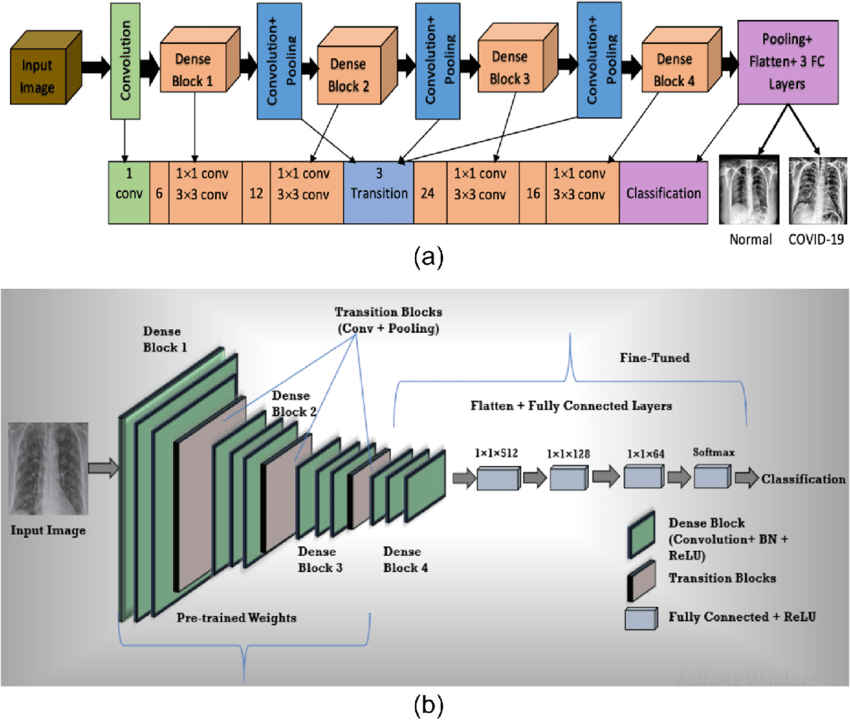
AI models such as CheXNet have shown excellent results on controlled datasets, often detecting conditions like pneumonia with high accuracy. However, those benchmark gains don’t always carry over to hospital settings. Differences in imaging equipment, patient populations, and the presence of rare or complex conditions can reduce model performance. Models trained on one dataset may struggle when exposed to images from different machines or populations, which is why human oversight and contextual judgment remain essential.
Regulatory and legal constraints
Even as AI technology improves, legal and regulatory barriers limit its autonomous use. Over 700 AI tools have received FDA clearance for radiology, but most are approved as assistive tools rather than replacements for clinicians.
Insurance companies and medical boards remain cautious, ensuring that a licensed radiologist validates any AI-generated findings. This framework guarantees accountability and patient safety, roles that AI cannot fully assume. In practice, AI serves as an advanced assistant rather than a standalone diagnostician.
Current AI models in radiology are highly specialized. Many focus on identifying a single condition or abnormality within a specific type of imaging, such as chest X-rays or CT scans. For comprehensive diagnoses, radiologists must consult multiple AI tools or rely on their clinical expertise to integrate AI findings with patient history, lab results, and other imaging studies.
Also read: Google DeepMind exec says AI-designed drugs are nearing human trials
This fragmented approach underscores a critical limitation: AI lacks the holistic perspective that human radiologists bring to patient care. While it can flag anomalies or suggest potential diagnoses, it cannot replace the judgment required to interpret complex cases.
Growing demand for human radiologists
Contrary to fears of widespread job displacement, the demand for radiologists is growing. In 2025, U.S. diagnostic radiology residency programs offered 1,208 positions, a four percent increase from the previous year. Radiology also remains one of the highest-paid medical specialties, reflecting both the expertise required and the critical role radiologists play in healthcare.
Human radiologists engage in much more than image interpretation. They consult with patients, collaborate with other clinicians, perform interventional procedures, teach medical students, and contribute to research. AI tools currently cannot replicate these responsibilities, highlighting the irreplaceable role of humans in medical imaging.
AI as a collaborative tool
The most promising use of AI in radiology is collaboration. By automating repetitive tasks, highlighting subtle anomalies, and providing a second opinion, AI allows radiologists to focus on more complex decision-making. Instead of competing with technology, radiologists are leveraging AI to enhance accuracy, reduce errors, and streamline workflows.
In practice, AI can act as a safety net, catching what might be missed in a busy hospital setting while leaving ultimate judgment to trained professionals. This synergy between human and machine ensures both efficiency and reliability.
AI has transformed radiology in significant ways, offering speed, precision, and analytical capabilities that were unimaginable a decade ago. Yet, human expertise remains indispensable. From handling complex cases to guiding patient care, radiologists provide judgment, context, and adaptability that AI cannot replicate.
The future of medical imaging lies not in replacing radiologists but in augmenting their work. When AI and human expertise work together, patients benefit from the strengths of both, creating a healthcare system that is smarter, safer, and more responsive.
Also read: Scientists have created AI-generated viruses that are killing bacteria: Here’s how
 Follow Us
Vyom Ramani
A journalist with a soft spot for tech, games, and things that go beep. While waiting for a delayed metro or rebooting his brain, you’ll find him solving Rubik’s Cubes, bingeing F1, or hunting for the next great snack. View Full Profile


