
Samsung’s first AI glasses launching in November with Gemini, no display: Report
 Follow Us
The glasses use a camera and microphones to capture information, with Gemini processing it through a connected Galaxy smartphone.
Samsung is focusing on a lightweight design, with reports suggesting it could weigh around 5 grams less than Meta’s 51-gram Ray-Ban Meta.
Meta currently dominates the AI glasses market, accounting for 94% of display-less AI glasses shipments in the first half of 2026.
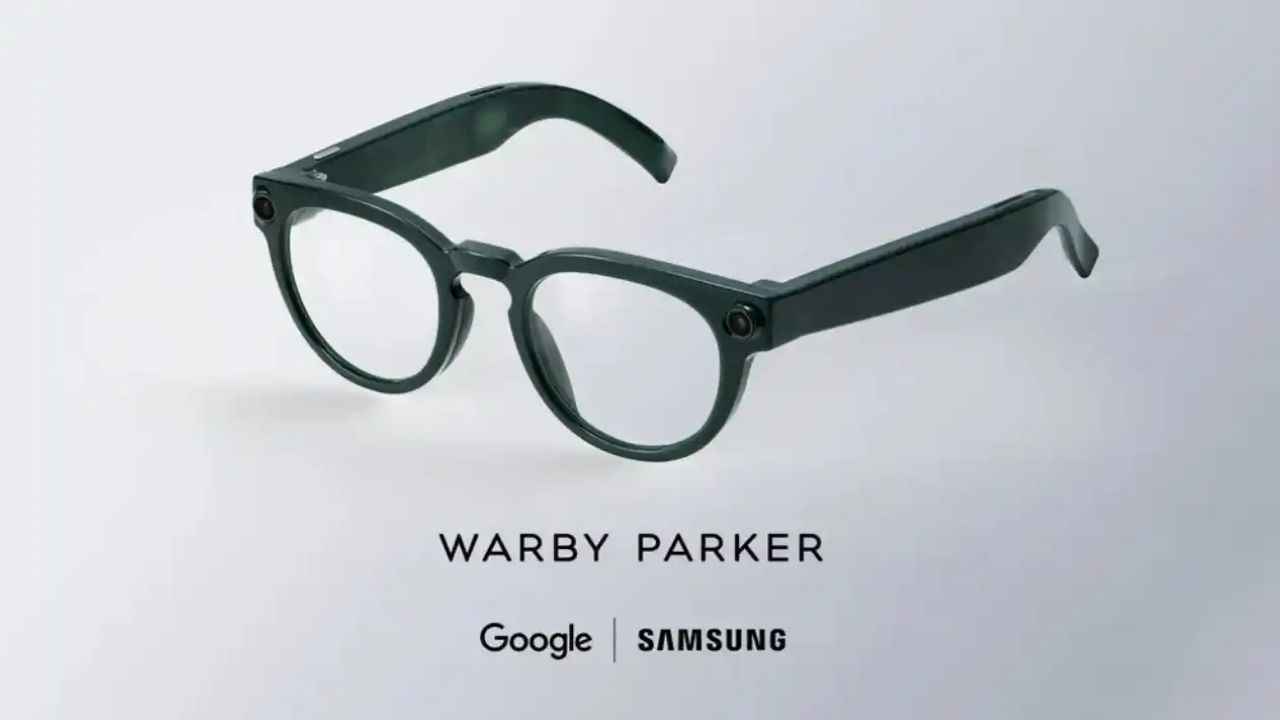

Samsung Electronics is reportedly set to enter the AI glasses market with its first Intelligent Eyewear in November. The company is developing the glasses with Google and eyewear brands Gentle Monster and Warby Parker as it now looks to compete with Meta. For the unversed, the company first showcased the Android XR based glasses with Google at the I/O in May, before revealing more details at Galaxy Unpacked in London in July.
 Survey
Now a report from Koreaherald citing anonymous Samsung officials claims that the wearable device will debut in November. However, the company is yet to announce the pricing and more details.
As per the reports, Samsung’s Intelligent Eyewear will not show information directly in front of the wearer. Instead, a camera and microphones will capture what the user sees and hears. Google’s Gemini will process the information through a connected Galaxy smartphone, with responses delivered through speakers built into the glasses.
Samsung focuses on lightweight design
During the July Unpacked event, the company said its glasses would be “lighter than most AI glasses”. Local reports suggest Samsung is targeting a weight up to 5 grams lower than Meta’s 51-gram base Ray-Ban Meta model, although the final weight has not been confirmed.
The launch comes as the AI glasses market expands rapidly. Counterpoint Research data cited in the report shows global AI glasses shipments rose 263 percent year-on-year in the first half of 2026. Display-less models accounted for 96 percent of shipments, while Meta held a 94 percent share of that segment.
Meta already dominating
Meta has already expanded its portfolio. At the Meta Connect on September 23, the company introduced Ray-Ban Meta Audio, a camera-free AI glasses model weighing 43 grams. It focuses on audio and AI features and gives users an option without a camera.
However, privacy has become an important issue for camera equipped AI glasses. Meta’s Ray-Ban Meta glasses have faced criticism over potential covert recording, although the company uses a visible recording light and disables the camera if the indicator is covered.


