

Apple iPhone Duo 2 prototypes feature under-display Face ID and other upgrades: Report
 Follow Us
Apple is reportedly testing under-display Face ID for the iPhone Duo 2.
The upgrade could offer a cleaner screen and easier unlocking.
An Action button may also arrive, but the features are not confirmed.
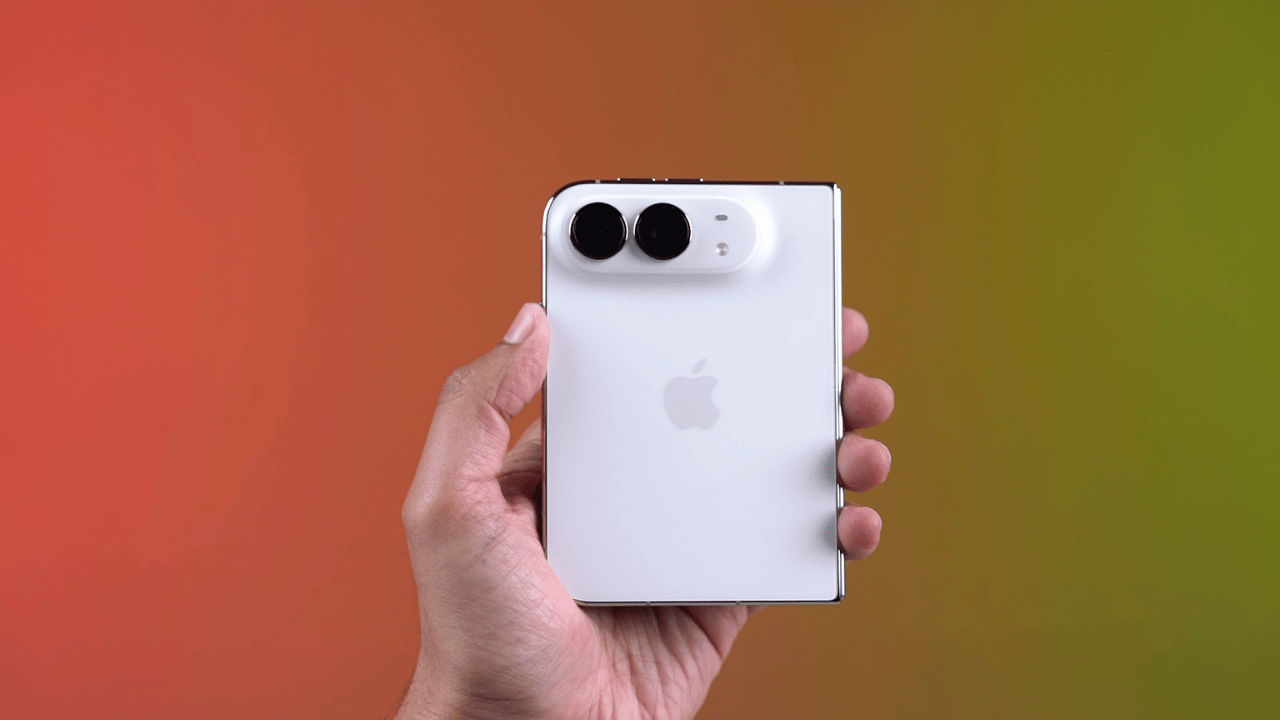

While the Apple iPhone Duo is currently in the spotlight with users testing and sharing their opinions about Apple’s first foldable device. A latest report suggests that Apple may be preparing to address one of the biggest complaints about its first foldable iPhone. The first iteration of the foldable device comes with a fingerprint sensor, but the Cupertino-based tech giant is reportedly testing Face ID beneath the outer display for the upcoming Apple iPhone Duo 2. If the reports are to be trusted, then the change could make unlocking the upcoming foldable easier while giving the outer screen a cleaner look. At the time of writing, the feature is still under development and is not guaranteed to arrive next year.
 Survey
iPhone Duo 2 could bring Face ID to the foldable
According to Bloomberg’s Mark Gurman, Apple is testing iPhone Duo 2 prototypes with a Face ID sensor and camera placed beneath the outer display. Speaking on his Power On podcast, Gurman said the company is testing the hardware for a successor expected next fall. If the report is to be trusted, then it would solve one of the biggest complaints from users, as the first-generation foldable has no Face ID at all and relies on Touch ID built into the side (power) button.
The key reason behind Apple shipping the iPhone Duo with a fingerprint sensor is the challenge of fitting the necessary sensors into the phone’s slim body. The company has been reportedly working to make Face ID components smaller and less visible, with its under-display infrared camera work on the iPhone 18 Pro pointing towards a possible path forward.
Apple could make the screen cleaner
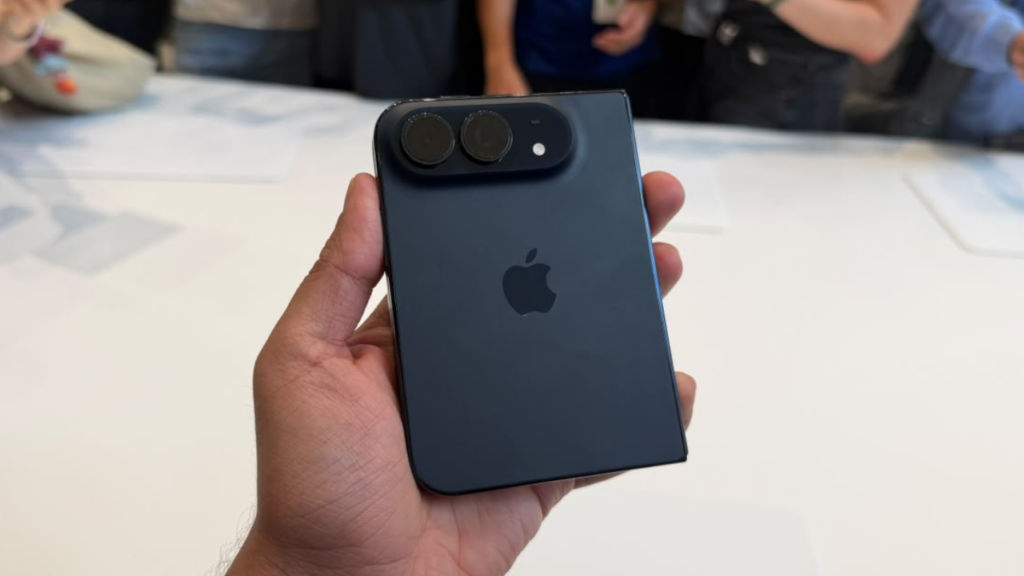
If development goes as planned, Apple could eventually place both the infrared camera and the flood illuminator beneath the display. These components help Face ID recognise a user’s face, even in different lighting conditions.
Moving them under the screen could reduce the space needed for visible cutouts, potentially making the display look more seamless. Similar changes may also be part of Apple’s plans for its twentieth-anniversary iPhone Pro.
However, testing a feature does not mean it is ready for a commercial product, and Apple has not finalized whether Face ID will ship in the device. Face ID may arrive with the iPhone Duo 2 next year, or Apple could delay it until a later generation if development takes longer than expected. Gurman himself said he expects the Touch ID-to-Face ID issue to be fixed with the first or second update, which could take two to three years.
Also read: BGMI Air India launch soon: Gameplay, minimum requirements, download size and more details
Action button under consideration
Aside from the above-mentioned, Gurman also pointed out that Apple employees have explored adding the Action button to a future iPhone Duo, which is missing on the current model. However, he appeared less certain about this change.
Moreover, whether Apple would remove Touch ID from the side button if Face ID arrives still remains unclear. The company could also retain both options, giving users different ways to unlock the phone while using either display.


