

Perseid meteor shower to dazzle sky this week: Date, time, location and how to watch
 Follow Us
Perseids occur when Earth passes through comet debris, creating bright meteors visible from Perseus constellation.
Peak was Aug 11–12, but darker skies from Aug 16–26 offer better chances, including rare fireballs.
Avoid city lights, find an open sky, and arrive 20 mins early for night vision adjustment.
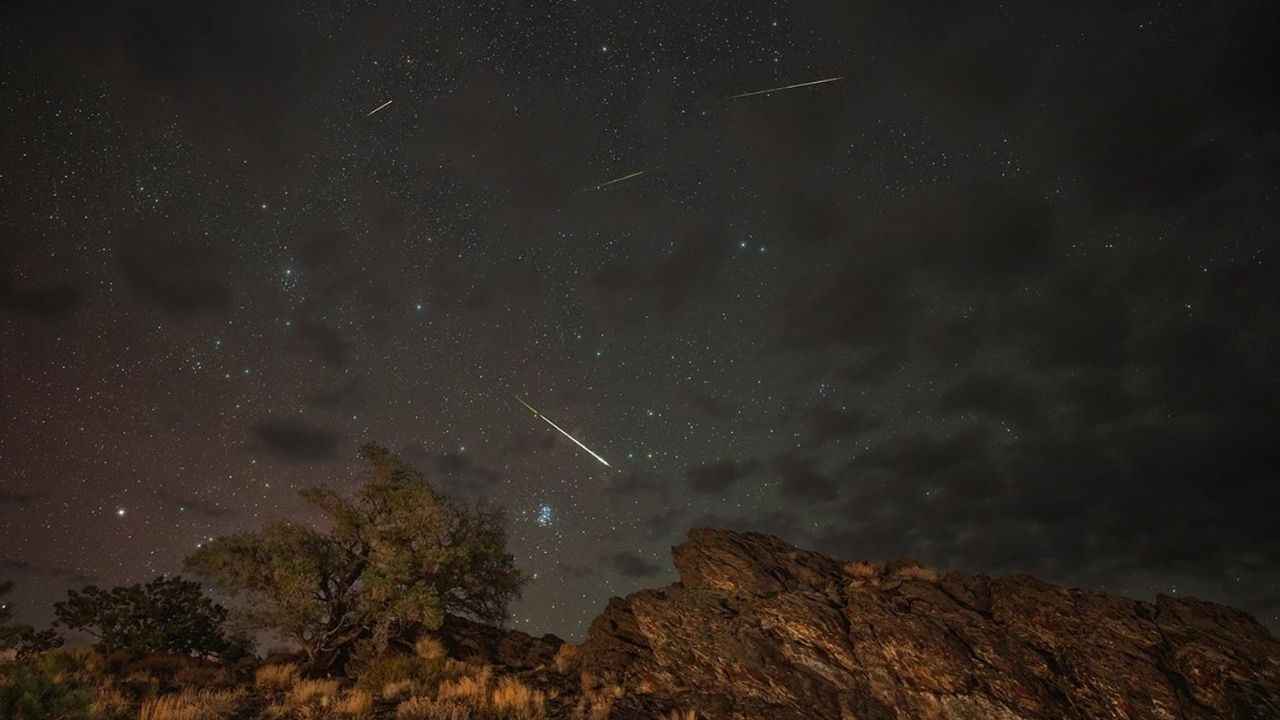

Stargazers are in for one of the year’s most anticipated celestial events, as the Perseid meteor shower has been dazzling the sky this month. Known for its bright, fast-moving “shooting stars,” the Perseids are a summer favourite for skywatchers around the world. This year, however, the shower’s peak coincides with the glow of the Sturgeon Moon, which reached full phase on 9 August and will still be bright enough to wash out the faintest meteors. Even though many have missed the celestial event, astronomers say there’s still plenty to see, including the occasional fireball that can outshine the moonlight.
 Survey
Here’s everything to know about the Perseid meteor and when and how to watch this event.
What is a Perseid meteor?
The Perseid meteor shower happens each year when Earth crosses the dust and debris left behind by comets or asteroids that circle the Sun every 133 years. As these tiny comet particles hit our atmosphere at about 59 km per second, they burn up in spectacular streaks of light, known as Perseid meteors. People have been watching the Perseids for nearly two millennia, with records dating back to ancient China. The shower gets its name from the constellation Perseus, where the meteors appear to originate.
Also read: Har Ghar Tiranga 2025 selfie campaign: How to join, upload and download certificate online
When and how to watch the Perseid meteor shower?
According to Finn Burridge from the Royal Observatory Greenwich, the best viewing this year was on 11 and 12 August, with activity highest after midnight and before sunrise. However, due to the full Moon night, it was less visible. “But you could still spot one or two fireballs an hour, which is worth the effort,” he said.
Between August 16 and 26, skies will be darker and the Moon will be less of a hindrance; hence, the meteor shower is likely to have better visibility. To have a better viewing experience, experts suggest heading somewhere far from city lights, finding an open view of the sky, and lying back so it can all be taken in. Additionally, it is recommended to arrive at the location at least 20 minutes in advance to adjust your eyes to the darkness. With a bit of luck and clear weather, the Perseids could still deliver some unforgettable summer sky experience.


