
OpenAI hits back at Apple trade secret lawsuit, says iPhone maker got key facts wrong
 Follow Us
OpenAI says Apple mistakenly emailed the wrong person and falsely claimed it had contacted the company before suing.
The AI firm released emails and iMessages, alleging Apple employees sought help from former staff after they left the company.
OpenAI defended former Apple executive Tang Tan and said it has no interest in using Apple’s confidential information.
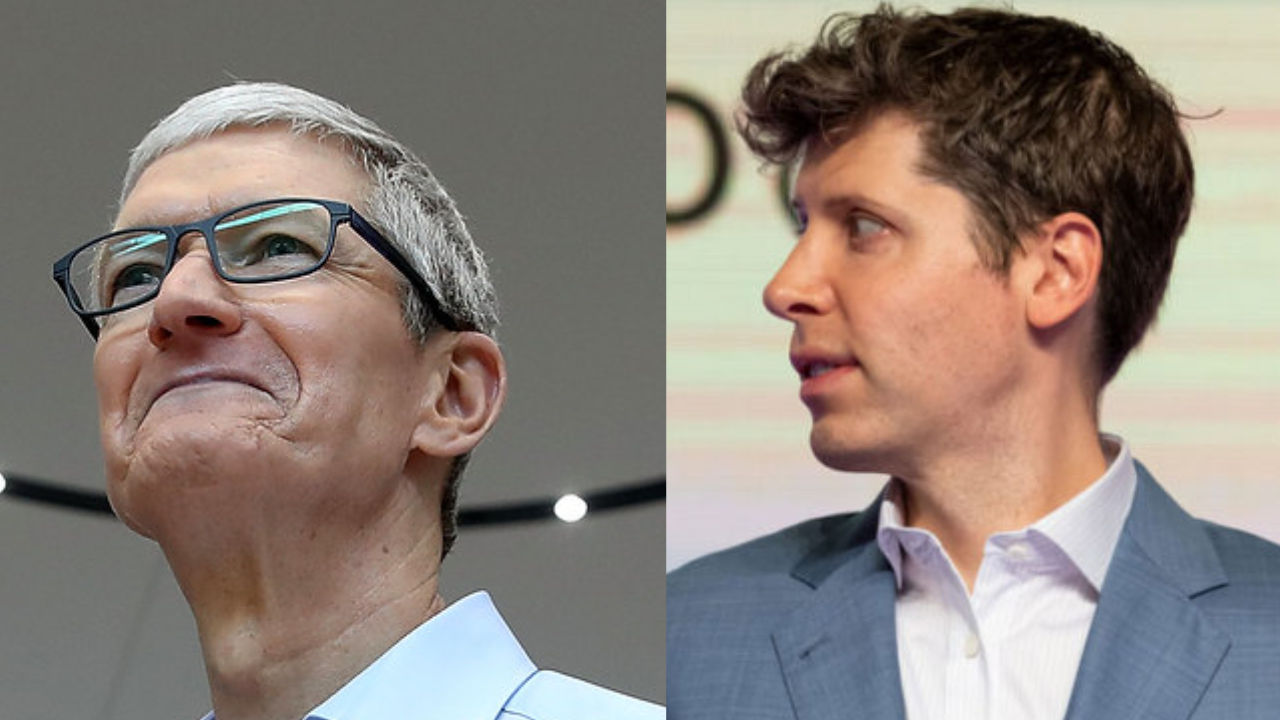

OpenAI has openly pushed back against Apple’s trade secret lawsuit accusing the iPhone maker of filing a case based on inaccurate claims and failing to engage with the company before taking legal action. In a statement, OpenAI described the lawsuit as careless and said it does not reflect Apple’s reputation for paying attention to detail.
 Survey
Among the key disputes, one of the major ones revolves around Apple’s claim that it contacted OpenAI in February regarding concerns over former Apple employees. OpenAI says Apple has now admitted that its outside legal counsel mistakenly emailed the wrong person after confusing two individuals with similar surnames. The company also rejected Apple’s assertion that its General Counsel had spoken with Apple’s lawyers stating no such discussion ever took place.
As per OpenAI, Apple never mentioned the specific allegation that later appeared in the lawsuit. Instead, the company claims Apple’s legal representatives indicated they were resolving the issue before remaining silent for nearly five months and eventually filing the case.
Also read: Samsung Galaxy S25 to get Rs 15,000 price cut on Flipkart Freedom Sale
The company also challenged Apple’s allegations against former Apple engineer Chang Liu. The company published screenshots of iMessage conversations that it says show Apple employees contacted Liu after he left the company, asking him to help locate files and answer technical questions related to ongoing projects. OpenAI argued that the continued access was the result of Apple’s own failure to revoke internal permissions after employees departed rather than any deliberate attempt by Liu to retain confidential information.
The AI company has also defended Tang Tan, the former Apple executive who joined OpenAI earlier this year. The company stated that Tan has repeatedly instructed employees not to bring confidential material from previous employers and noted that he spent more than 24 years at Apple, where he earned a reputation as one of the company’s leading product innovators.
OpenAI also stated that it has no interest in Apple’s confidential information and would have been willing to discuss the concerns before the lawsuit was filed. It also called Apple’s request for preliminary injunction as unnecessary. The company also released email exchanges and internal messages stating Apple’s legal team mistakenly contacted the wrong person and that former Apple employees were approached by Apple staff for assistance even after leaving the company.


