
OpenAI dots announced at DevDay 2026: How these always-on AI agents will handle tasks on your behalf
 Follow Us
OpenAI has announced dots, always-on AI agents designed to handle tasks on users' behalf.
OpenAI dots are powered by GPT-6 Astra.
Each dot has its own cloud computer and browser.
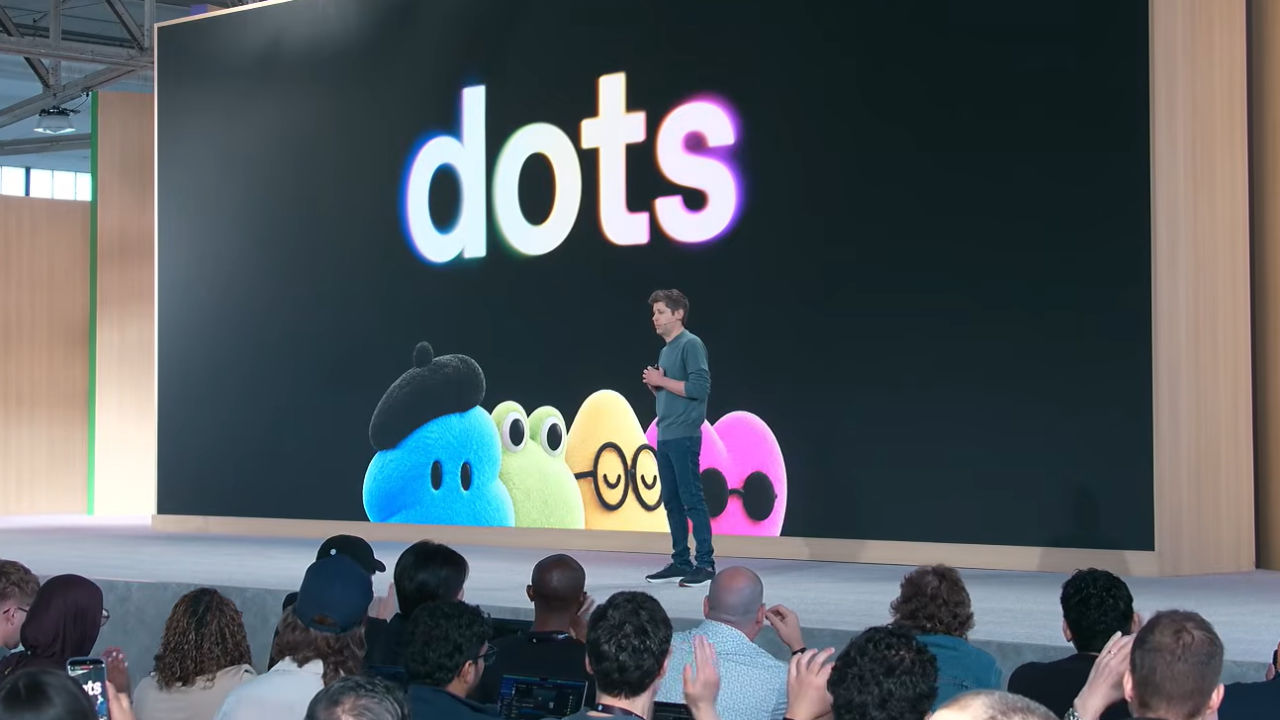

OpenAI DevDay 2026: OpenAI has announced dots, always-on AI agents designed to handle tasks on users’ behalf. The company describes dots as “remarkably capable, always-on agents built to handle everything.” They are powered by GPT-6 Astra and can work independently using their own cloud computer, browser and connected apps. Dots can learn from user feedback and understand preferences over time. They can also work in the background and keep users updated when needed. OpenAI says the goal is to give users more time by letting dots take care of important work on their behalf. Keep reading for details.
 Survey
OpenAI dots AI agents: How they work
Dots are designed to work more like an assistant than a chatbot. Users can give a dot a project or task and allow it to work on it without providing instructions at every step. Each dot has its own cloud computer and browser. It can also use apps that a user has connected. OpenAI says dots can connect to more than 4,000 apps through its plugin ecosystem.
Users can interact with their dots through ChatGPT on desktop, web and mobile. Dots can also be accessed through Slack and Teams. OpenAI says users will be able to carry the same context across these platforms.
dots.
— OpenAI Developers (@OpenAIDevs) September 29, 2026
An always-on agent with its own cloud computer and access to your plugins and context.
Powered by GPT-6 Astra, your dot proactively keeps your projects moving.
Here’s what developers can hand off to their dot:
– Triage recurring bug reports and feature requests across… pic.twitter.com/SP6riH9wm7
The company says dots can also work proactively in the background. It calls this feature “proactive research”. In this mode, dots can look through connected apps using read-only access to find information that may be useful. They cannot send messages or change content during this process.
Users remain in control of what dots can do. They can set custom rules, monitor progress and decide which actions need approval. OpenAI also says certain sensitive actions, such as changing a password, will always require the user to handle them.
“Dots can still make mistakes, so always review consequential work,” OpenAI said.
OpenAI is also testing specialist dots for businesses. These agents can have their own identity, credentials and access to company systems. They are being tested for tasks such as procurement, invoice processing, customer support and commercial contracting.
OpenAI dots AI agents: Availability
OpenAI has started rolling out dots to Pro and Business Premium users in eligible markets. Enterprise users, including Edu and Healthcare customers, can access the beta when their workspace administrator enables it.
The first dot is included with Pro and Business Premium plans at no additional cost. OpenAI says conversations with a dot will not count towards ChatGPT usage limits. However, tasks started through Codex or ChatGPT Work will continue to count towards the usage limits.
Users can create their first dot through the ChatGPT desktop app or desktop browser. After setup, they can also message the dot through the ChatGPT mobile app.


