
Poco M8 Power vs Motorola G77 Power: Which phone deserves your money under Rs 25,000?
 Follow Us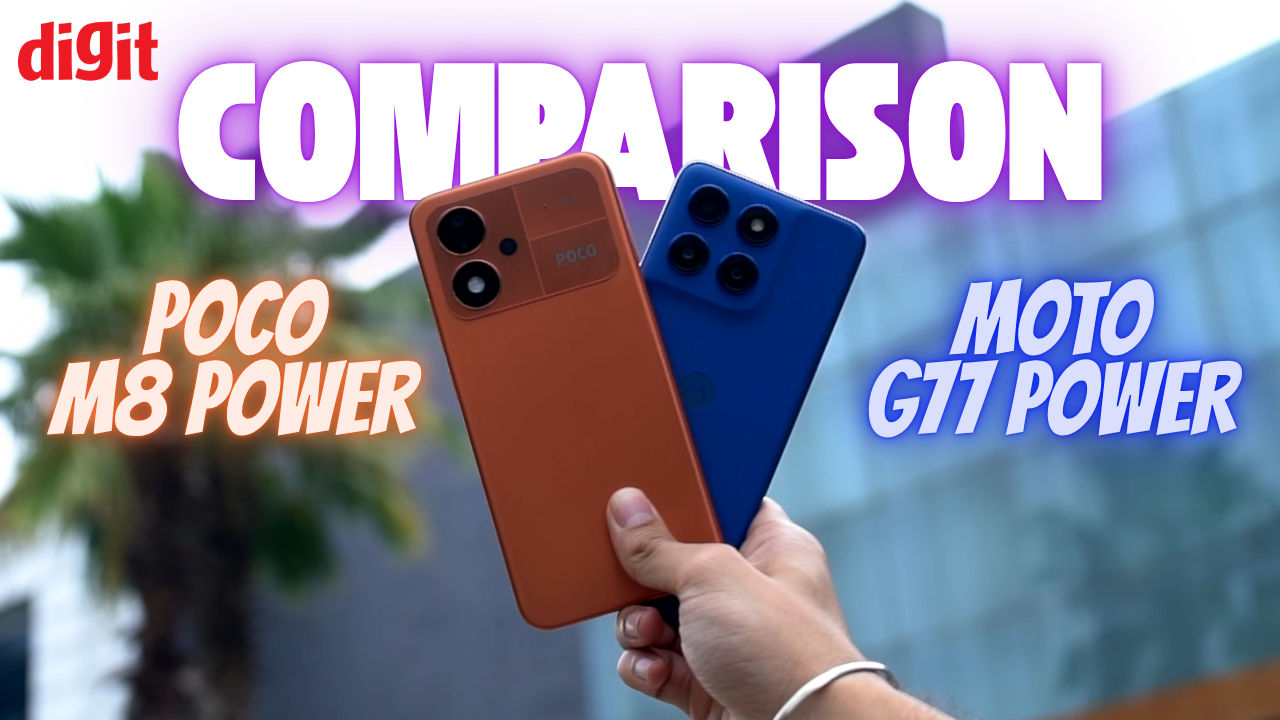

If battery life is one of your biggest priorities while buying a new phone, you must have definitely come across these two devices, the Poco M8 Power and the Motorola G77 Power. The M8 Power comes with a massive 8,000mAh battery, while the Moto G77 Power comes with a slightly smaller 7,000mAh cell. The Motorola also gets a Sony sensor for its main camera and a near-stock Android software experience for those who care. Both are really good phones on their own, which is exactly what makes choosing between them a bit harder than it should be.
 Survey
I spent two weeks with both, tested them at our Digit Test Labs, ran benchmarks, played games, checked their displays and cameras side by side, and also recorded their battery life. So, which among the two — Poco M8 Power or Motorola G77 Power — deserves your money? Let’s find out.

Poco M8 Power vs Motorola G77 Power: Battery and Charging
This is the reason most people would consider either of these phones in the first place. The Poco M8 Power leads with a massive 8,000mAh battery, while the Moto G77 Power runs a slightly smaller 7,000mAh cell. Both are built for people who’d rather not carry a charger, but the real question is whether that extra 1,000mAh actually makes a difference you’d notice.
In real life, it does. The Poco M8 Power simply does not give up. Even after a full day of gaming, watching YouTube and Netflix, and social media scrolling, there was always something left by the end of the day. On lighter use, a day and a half came easily, and stretching close to two days wasn’t difficult if you don’t do gaming on it.
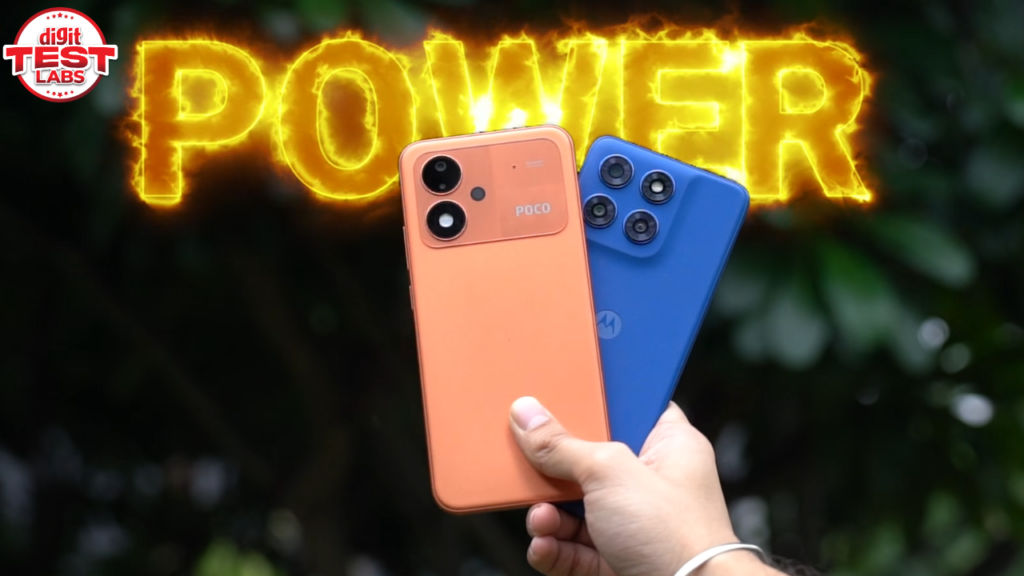
The Motorola G77 Power held up well, too. On a normal workday, calls, Instagram, YouTube, and messaging, it consistently ended the day with 40 to 50 per cent left. On lighter days, skipping a charge entirely still left over 30 per cent by the next evening.
In terms of charging, the Poco M8 Power supports 45W charging and went from 0 to 100 per cent in 1 hour 43 minutes. The Moto G77 Power comes with a lower-rated 30W TurboPower charger and a smaller battery, and it reached a full charge from 0 to 100 percent in around 1 hour 40 minutes.
Reverse charging favours the Poco clearly, 22.5W against the Moto’s 6W, though both are useful in different situations: with the Poco M8 Power, you can charge your friend’s phone. With the Motorola G77 Power, you can top up earbuds or do an emergency top-up.
Poco M8 Power vs Motorola G77 Power: Display
This is probably the biggest difference between these two phones after the battery itself. The Poco M8 Power features a 6.9-inch Full HD+ AMOLED panel with a 120Hz refresh rate, while the Motorola G77 Power uses a slightly smaller 6.72-inch Full HD+ LCD panel, also with a 120Hz refresh rate.
While watching content on both devices, you can clearly see the difference right away. The Poco’s AMOLED delivers deeper blacks, richer colour, and better contrast. Watching content on Netflix and Prime Video both look more immersive on it. The Moto’s LCD panel is genuinely one of the better LCDs I’ve tested recently; colours look accurate, but the moment you switch to darker scenes, the limitations show up. Blacks look closer to grey than true black, and in a dark room, you can spot slight backlight bleeding around the edges.
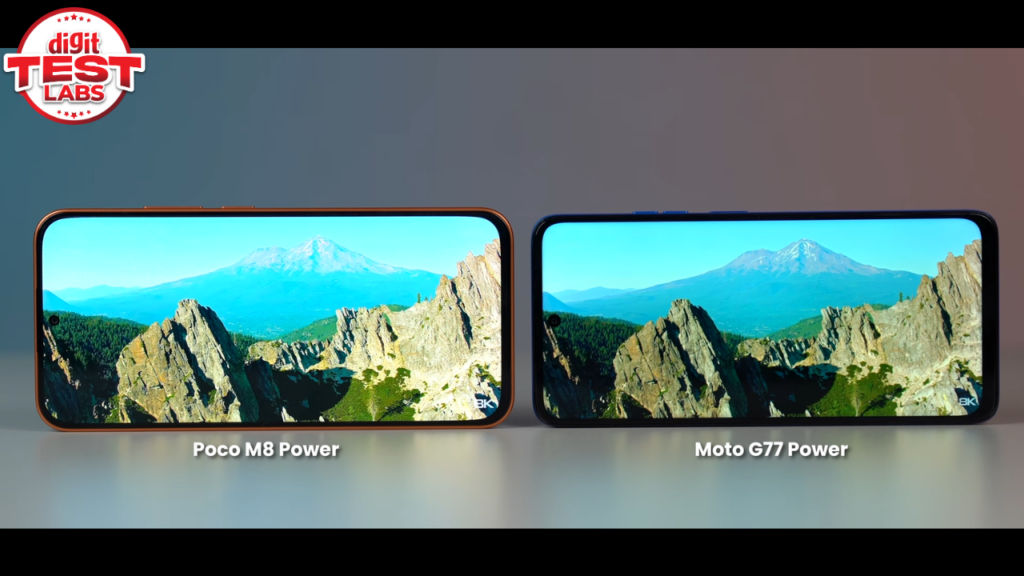
Motorola claims 1,050 nits of peak brightness, and in our testing at Digit Test Labs, we measured 1,040 nits, close to exactly what’s promised. Outdoor visibility is decent, though under Delhi’s harsh afternoon sun I still had to squint occasionally. The Poco claims 1,800 nits of peak brightness, and we measured close to 1,780 nits in High Brightness Mode. Now, that extra brightness is noticeable outdoors, which is why I never had an issue looking at the M8 Power’s screen even under direct sunlight.
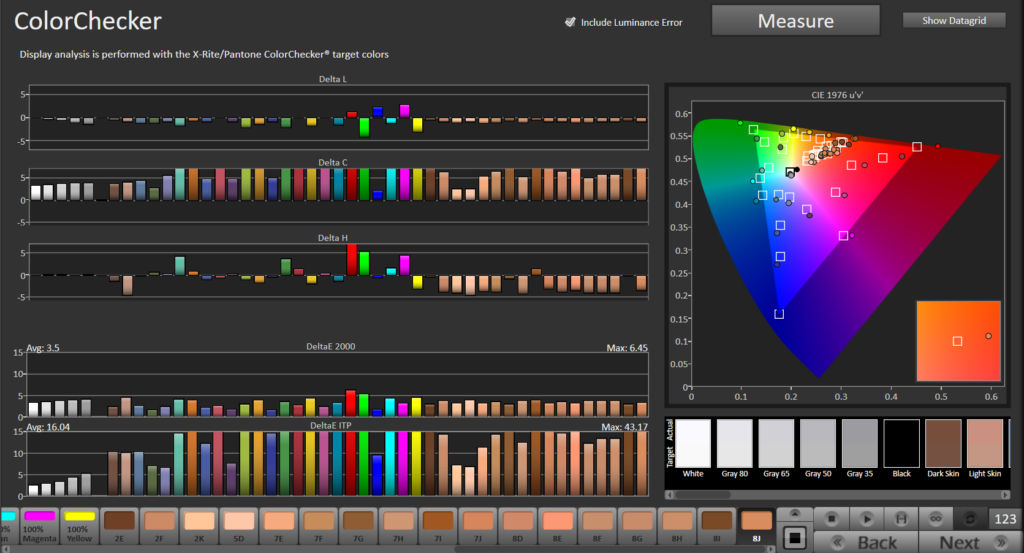
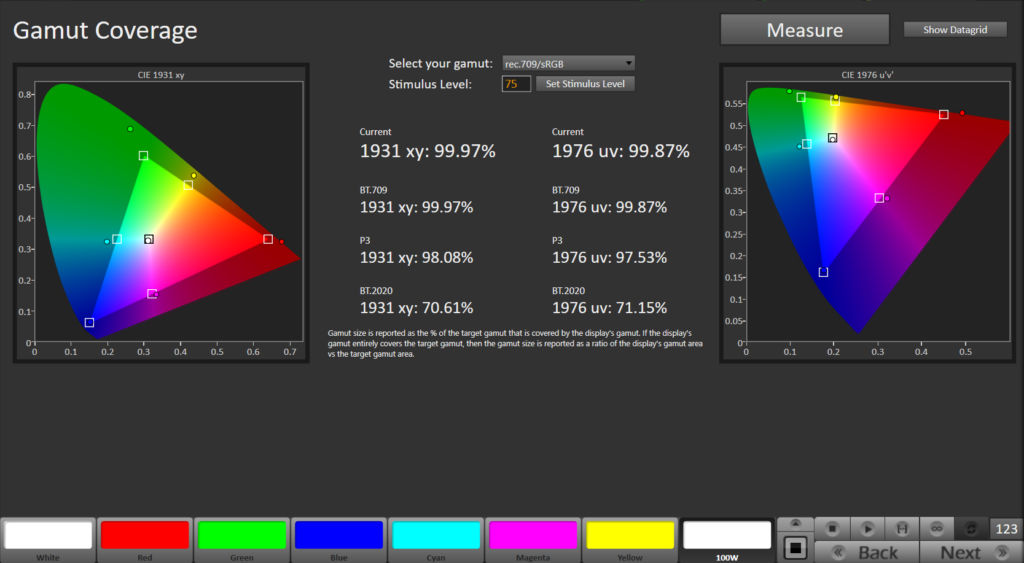
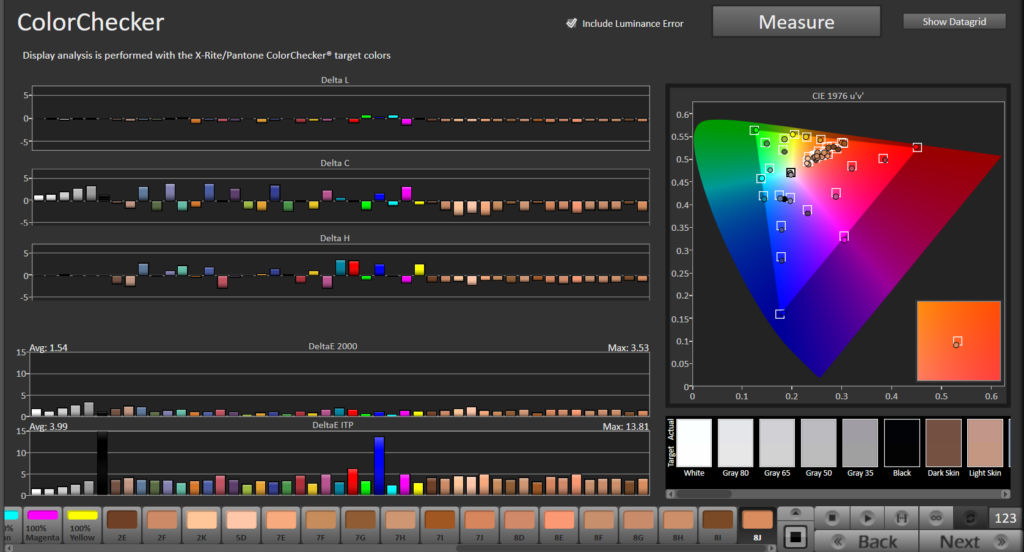
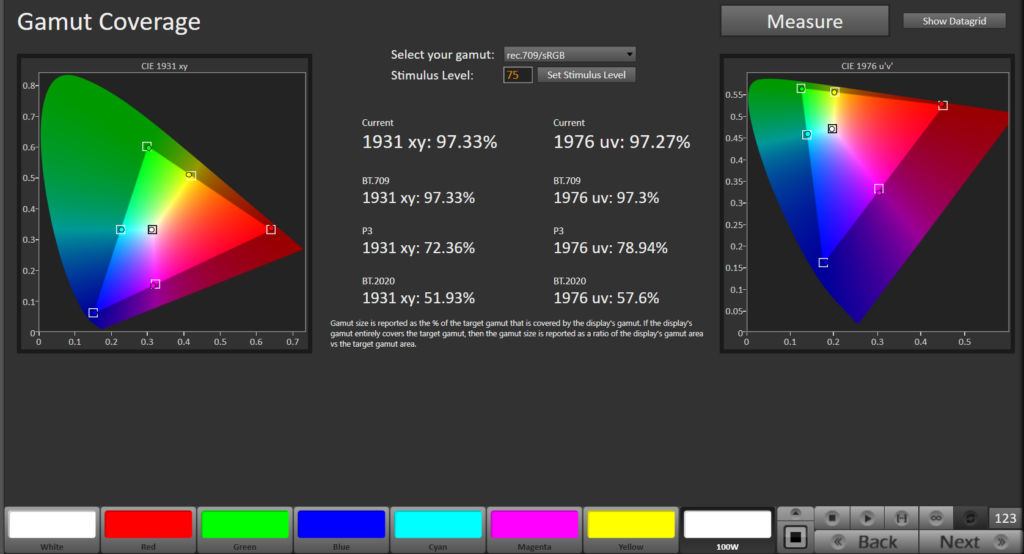
Colour accuracy test at our Digit Test Labs flips the story, though. The Motorola G77 Power posted an excellent Delta E of 1.54 alongside 97.3 per cent colour gamut coverage, making it the more colour-accurate panel of the two. The Poco M8 Power covers a wider gamut at 99.87 per cent, but its Delta E came in higher at 3.5.
Poco M8 Power vs Motorola G77 Power: Design
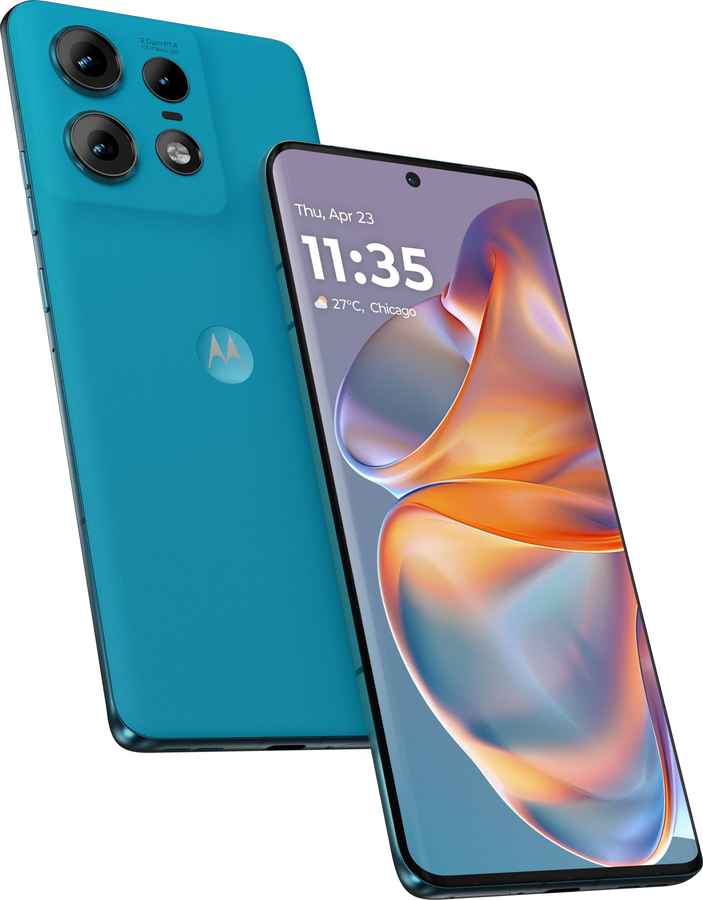
Both phones belong to the ‘Power’ series, built around bigger batteries, and that shows up immediately in how heavy each one feels. The Poco M8 Power weighs 225 grams, while the Motorola G77 Power comes in lighter at around 210 grams. Neither phone is compact, but the Motorola feels better balanced in hand, while the Poco leans towards the bulkier side and is harder to use with one hand.
In terms of materials, the Motorola G77 Power’s vegan leather back looks and feels more premium, and it grips well enough that I never felt the need to add a case over two weeks of use. The Poco M8 Power sticks with a plastic back. It is sturdy enough, but it didn’t feel that premium.
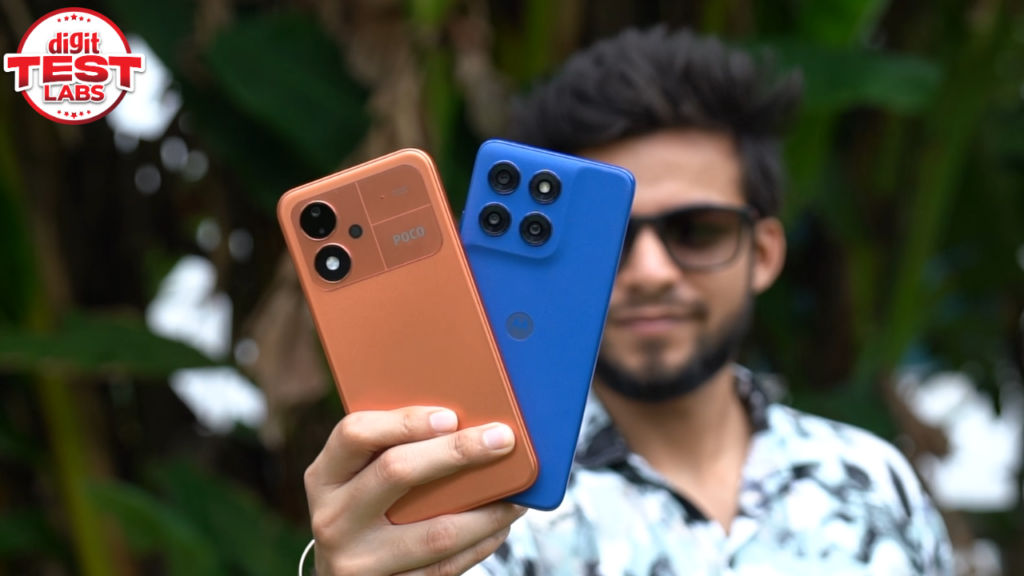
Both phones use Gorilla Glass 7i up front, so durability isn’t really a concern on either device. However, the G77 Power slipped from the cupboard, and its display got broken. So yes, glass is glass. Glass breaks.
The Poco M8 Power comes with an IP65 rating, while the Motorola G77 Power gets an IP64 rating for water and dust resistance. Alongside it comes MIL-STD-810H military-grade certification, but again, that didn’t save it when it fell off the cupboard.
Poco M8 Power vs Motorola G77 Power: Performance and gaming
The Poco M8 Power is the first phone in India to launch with the Snapdragon 4 Gen 4, while the Moto G77 Power runs MediaTek’s Dimensity 6400.
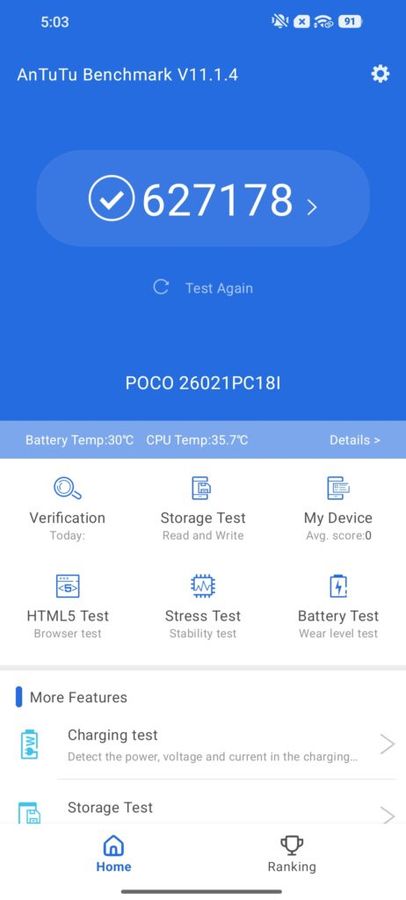
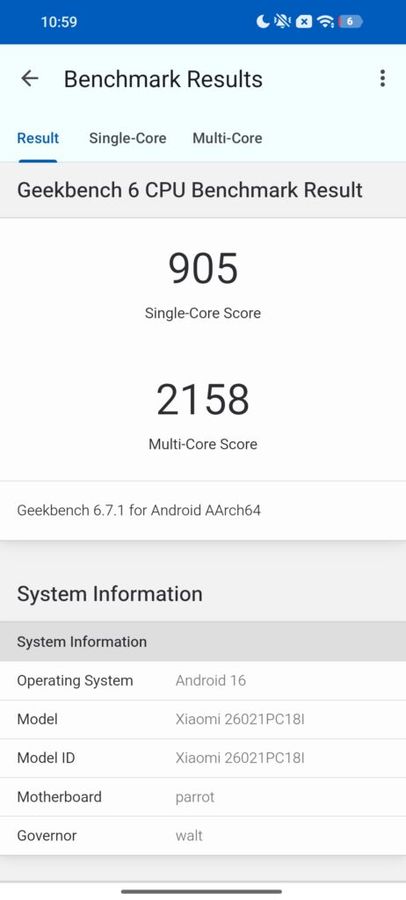
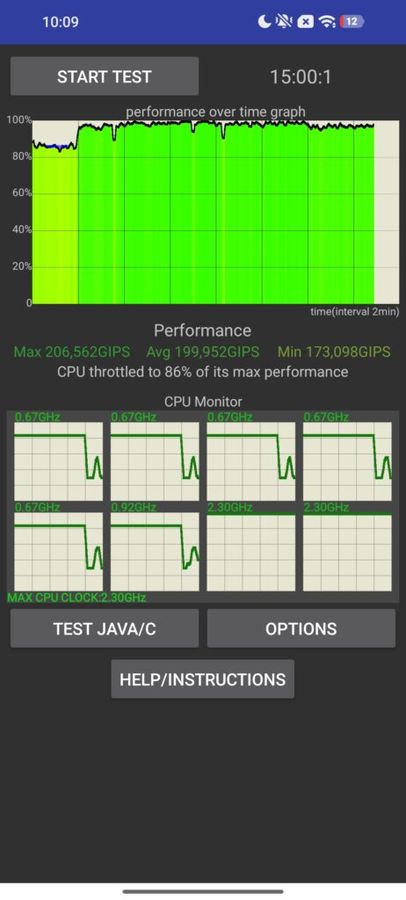
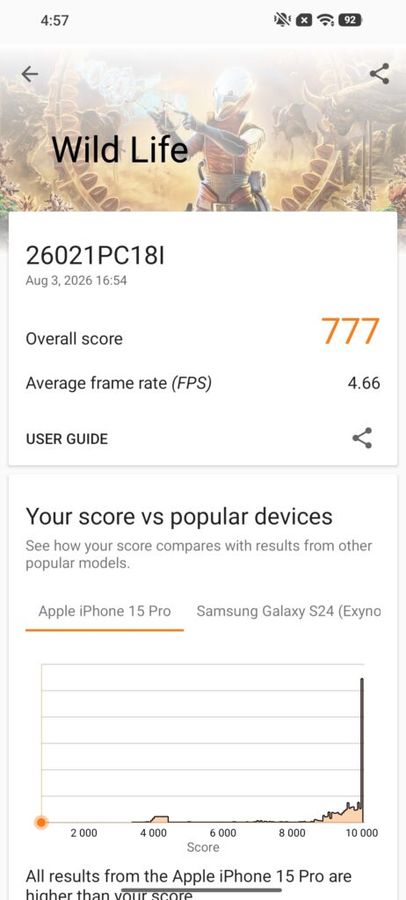
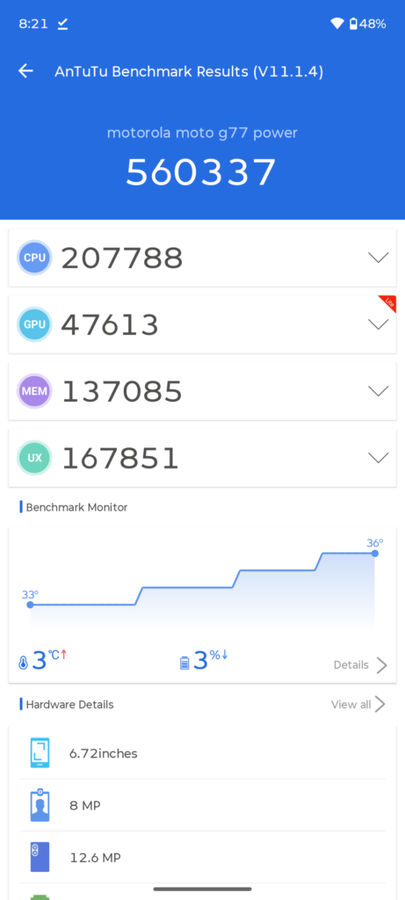
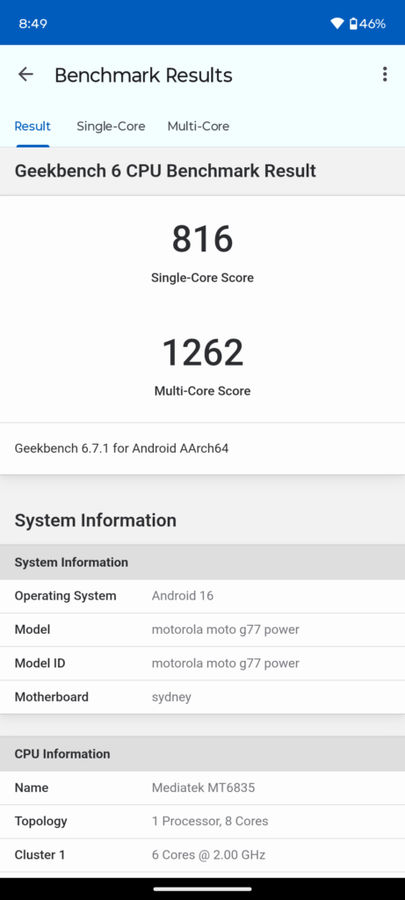
On the benchmarks side, the Poco M8 Power comes out ahead across the board. In Antutu, Poco scored 627,178 compared to 560,337 on the Motorola. In Geekbench, once again, the Poco outpaced the Motorola with a 905 single-core and 2,158 multi-core, respectively versus 816 single-core and 1,262 multi-core. The CPU Throttling Test came in close on both, 86 per cent for the Poco and 87 per cent for the Motorola, so thermal stability is nearly identical. Graphics performance again favours the Poco, with 777 on 3DMark Wild Life compared to 383 on the Motorola.
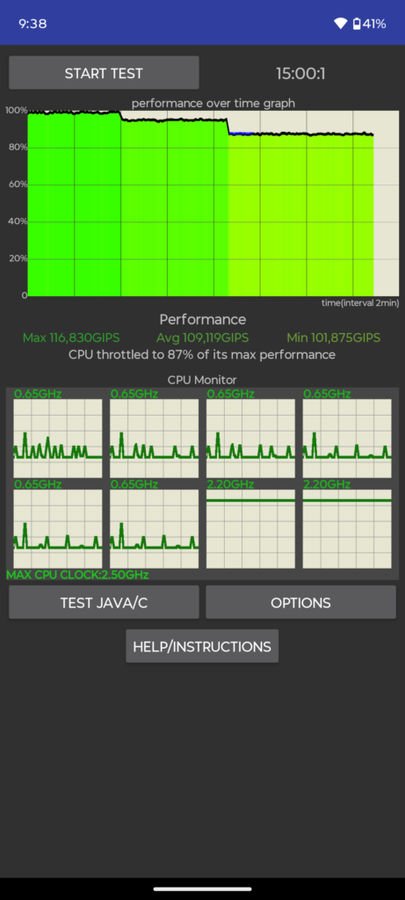
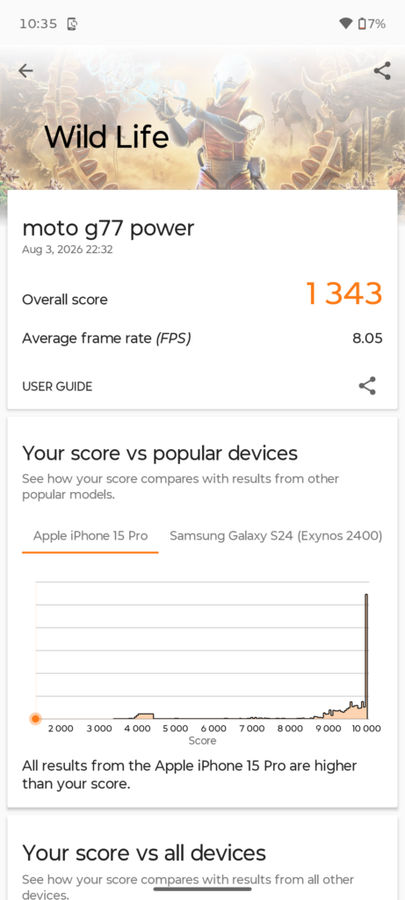
On paper, the Poco is clearly the faster phone. But in everyday use, the difference isn’t as noticeable as the benchmark scores suggest. The Poco M8 Power occasionally showed minor UI stutters when opening apps or navigating menus, mostly because of its slower UFS 2.2 storage. The Motorola G77 Power, despite the lower benchmark numbers, actually felt smoother day-to-day; animations stayed consistent, scrolling felt fluid, and I rarely ran into stutters.
Gaming is mostly close on both. Neither phone is built for serious gamers, but both handle casual gaming comfortably, with the Poco carrying slightly more overall power.
Poco M8 Power vs Motorola G77 Power: Cameras
The Poco M8 Power comes with a 50MP primary camera and a depth sensor, alongside an 8MP front camera. The Motorola G77 Power gets a 50MP Sony LYTIA 600 primary sensor with an 8MP ultrawide camera, and on the front you get a 32MP selfie shooter.
In daylight, the Poco’s 50MP main camera captures sharper, more detailed images with natural colours that don’t lean towards oversaturation. The Moto’s 50MP main sensor holds its own with good dynamic range, but there were some moments where a few shots came out slightly over-processed and softer than expected.
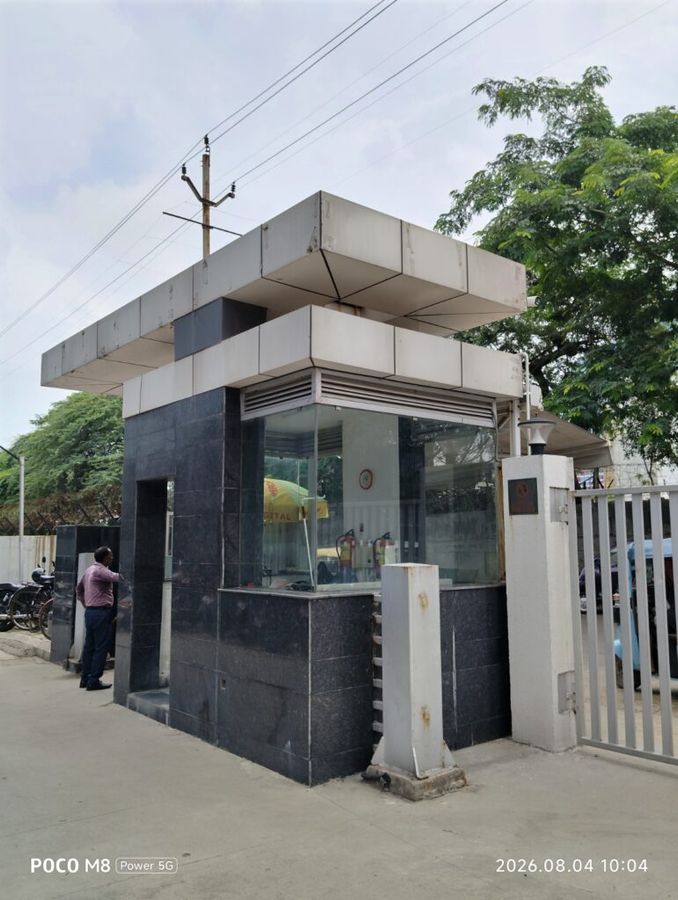
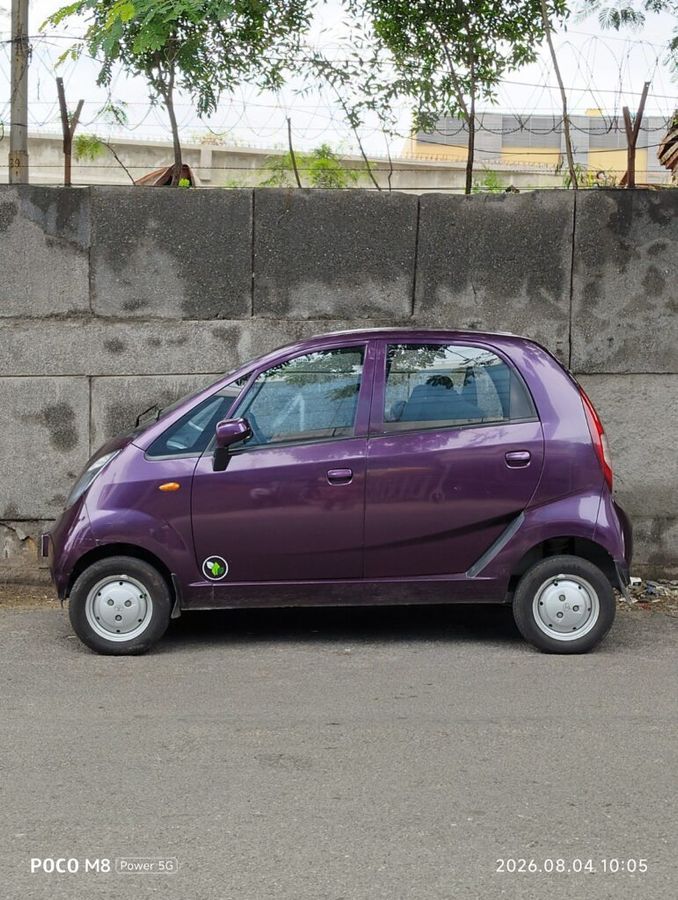




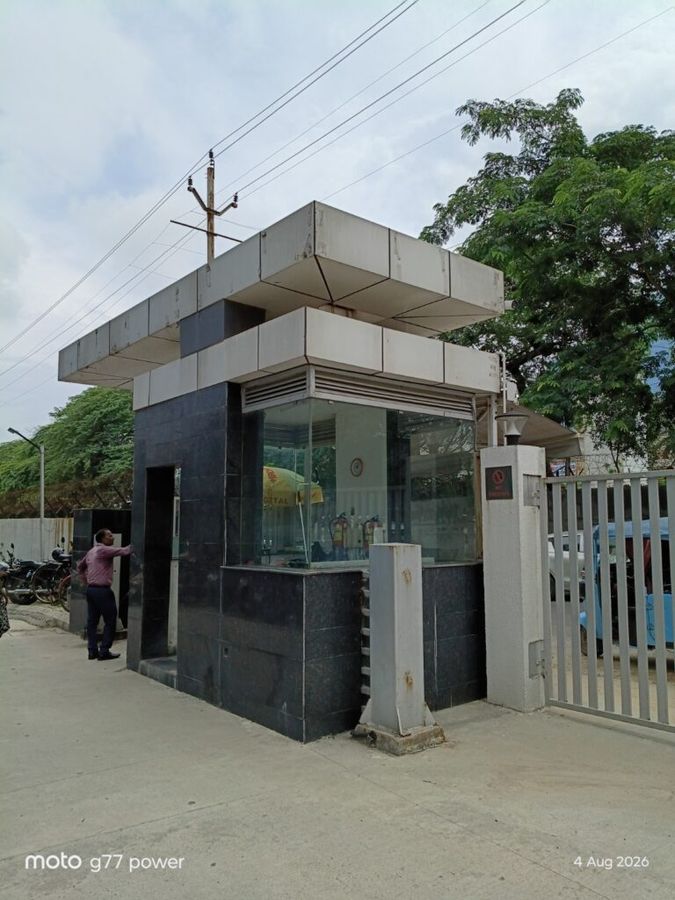
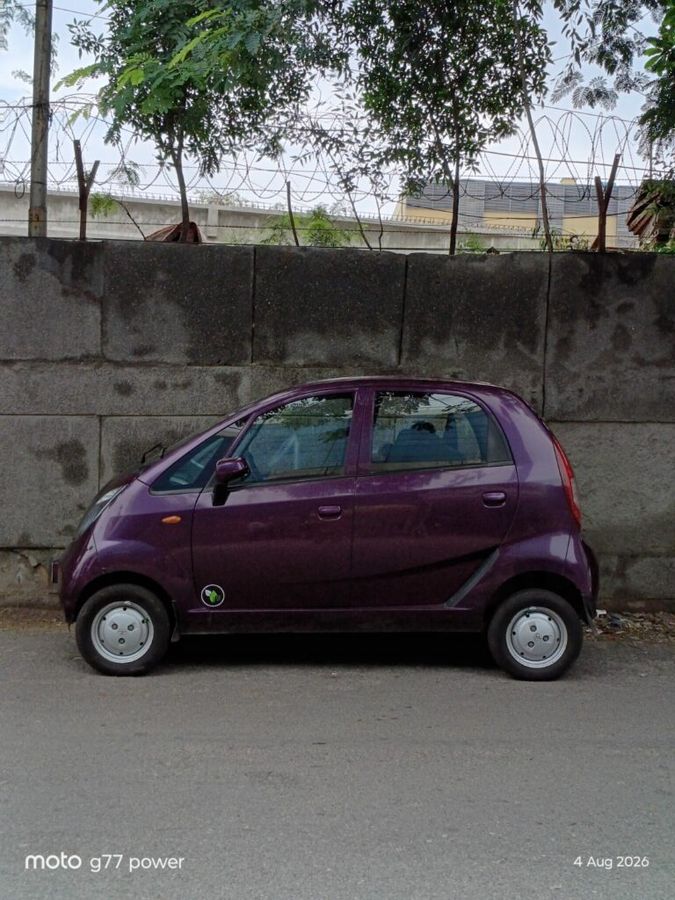




Portrait mode is a mixed bag on both; edge detection occasionally struggles on either phone, but the Poco delivers cleaner subject separation overall. In one shot, Poco managed to focus on my friend’s glasses while Moto completely blurred the glasses from the side. Also, the bokeh effect on the M8 Power looks more natural than what the Moto produces.








The Motorola G77 Power’s ultrawide camera is a real advantage, though, letting you capture landscapes and group shots that the Poco simply can’t.
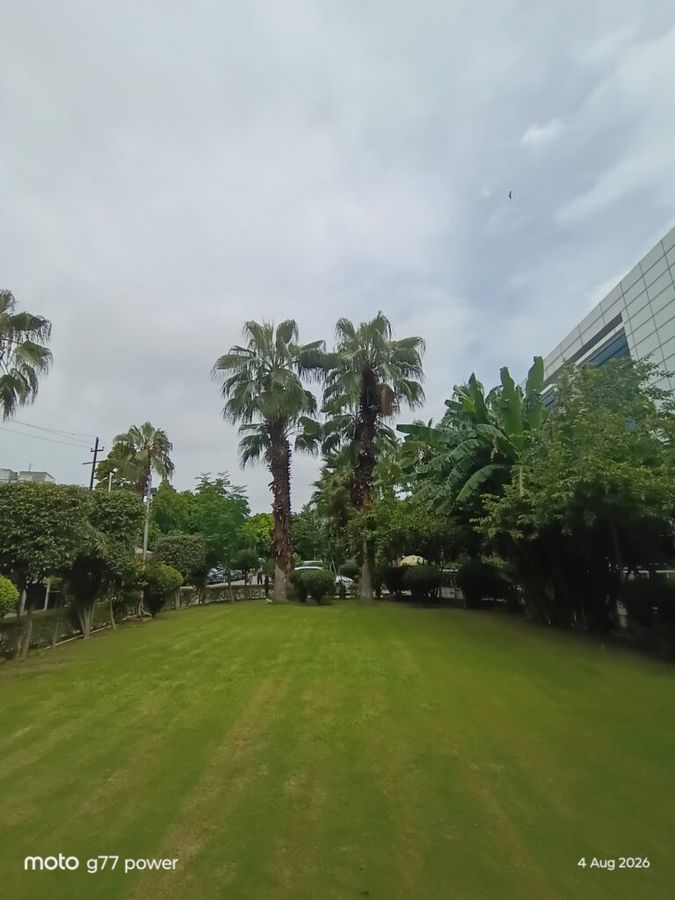


For selfies, the Motorola G77 Power’s 32MP camera captures noticeably sharper images with better facial detail. The Poco M8 Power’s 8MP front camera gets the job done, but results lean softer, and colours skew warmer than they should.








Poco M8 Power vs Motorola G77 Power: Software
Both phones run Android 16, but take very different approaches to get there. The Poco M8 Power runs HyperOS 3.0, loaded with features like Circle to Search, AI Magic Eraser Pro and HyperIsland, all of which work well. Poco backs this by promising four years of Android updates and six years of security patches, a genuinely strong commitment. The downside is occasional UI stutter when opening the app drawer or scrolling, along with some pre-installed apps, most of which can be removed.
The Motorola G77 Power runs Hello UI, which remains one of the cleanest Android experiences at this price. It stays close to stock Android, animations run consistently smooth, and across two weeks of testing, I didn’t run into any major stutters. Motorola also includes Moto Actions, Ready For, and Attentive Display. But the downside is that Motorola is only promising one year of Android updates, which means the phone is only eligible to get Android 17, along with three years of security patches. Meanwhile, Poco promises 4 major Android OS updates and 6 years of security patches for the M8 Power.
Poco M8 Power vs Motorola G77 Power: Verdict
Which one should you buy? That depends entirely on what you value most, and price isn’t really the deciding factor here. The Poco M8 Power starts at Rs 24,999, while the Moto G77 Power starts at Rs 25,999.
If battery life is the biggest factor you count on, the Poco M8 Power stands out clearly: a bigger 8,000mAh battery, a brighter AMOLED display, and faster reverse wired charging make it the choice for maximum endurance.
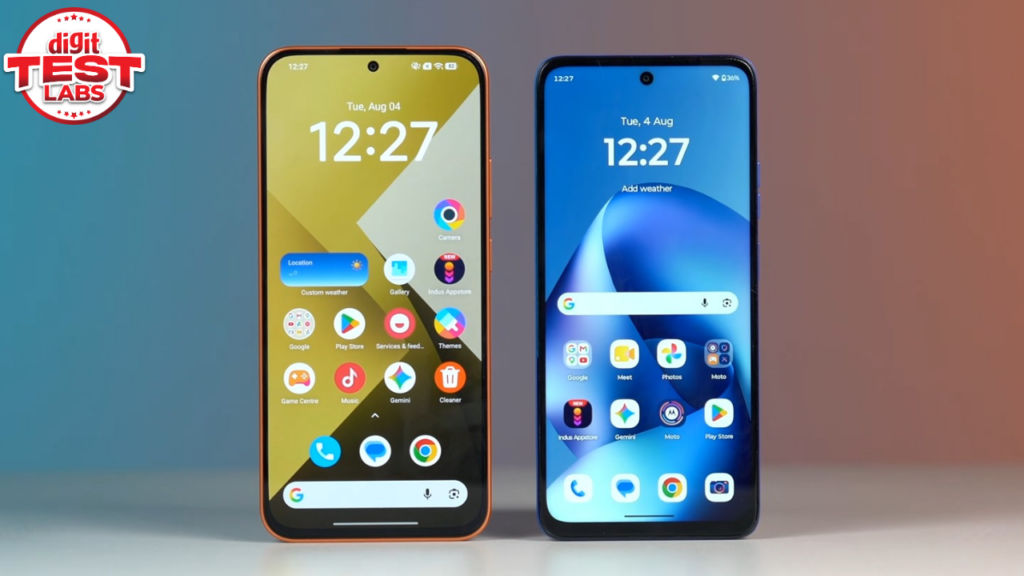
The Motorola G77 Power offers a more balanced experience overall. Cleaner software, smoother day-to-day performance despite lower benchmark scores, a more versatile camera system, better selfies, and a more premium design all work in its favour.
The good news either way is that both phones deliver genuinely strong battery life at nearly identical prices, so there’s no wrong choice here purely on endurance or budget. It comes down to whether you’d rather have the bigger number and stronger benchmarks or a more refined everyday experience built around a slightly smaller battery.


