OnePlus 15R vs OnePlus 13R vs OnePlus 13s: Which OnePlus Phone Should You Buy?
 Follow Us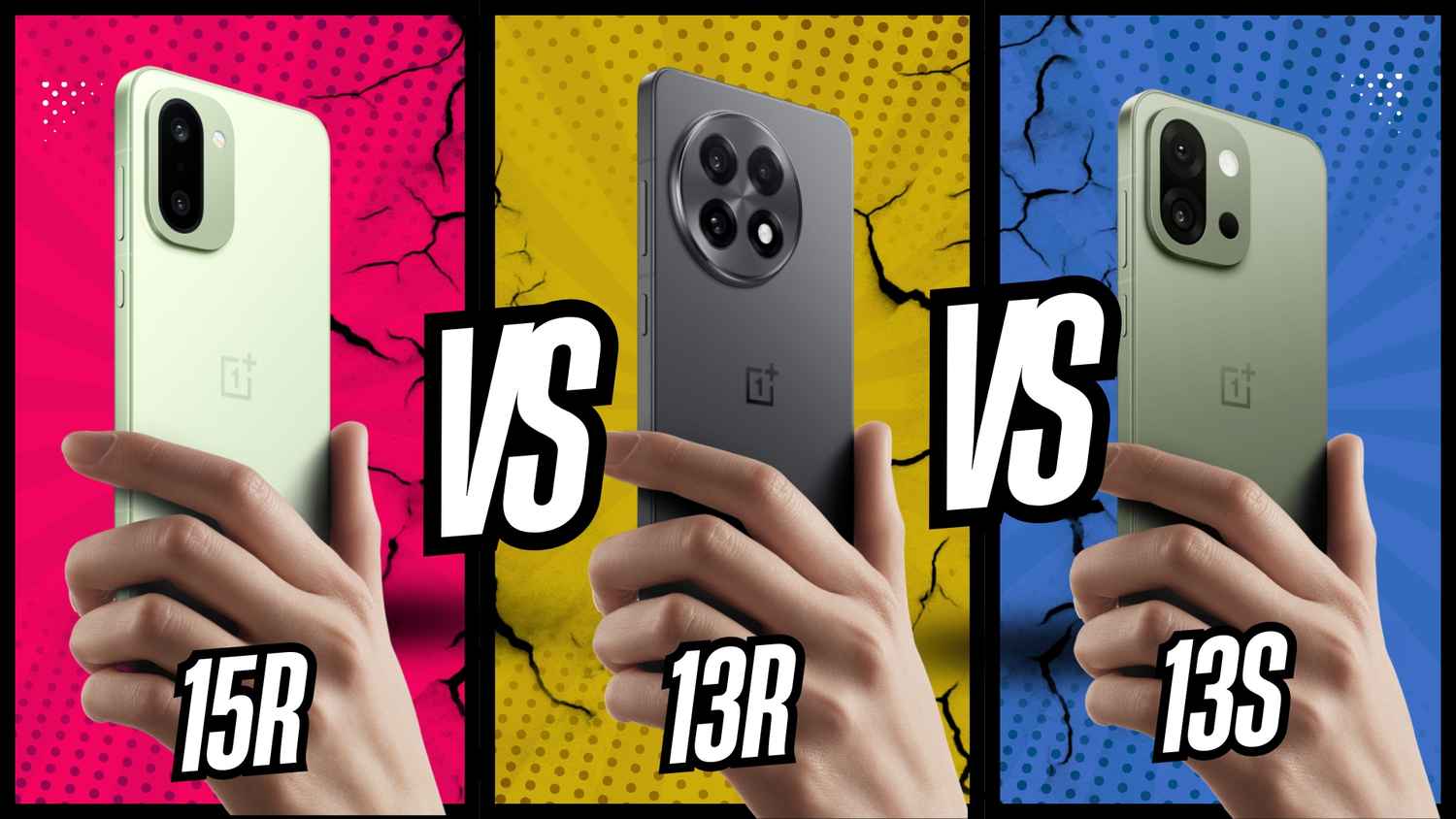

The easiest way to understand the OnePlus 15R is not by looking at it in isolation, but by placing it beside the OnePlus 13R and the OnePlus 13s. All three phones exist in the same ecosystem, share a lot of DNA and yet feel surprisingly different. This isn’t a case of the latest automatically being better. It’s about what OnePlus chose to fix, what it decided to preserve and what it deliberately left untouched. If you’re confused between the OnePlus 15R, OnePlus 13R and OnePlus 13s, this guide will help you make the right decision.
 Survey
Design and Build Quality
The OnePlus 13R feels like the most traditional of the three with a flat frame, glass back and familiar weight distribution. It’s solid, dependable, and instantly recognisable as an R-series device. There’s nothing wrong with it, but there’s also nothing that really challenges your expectations.
The OnePlus 15R builds directly on that foundation. The materials, the silhouette and even the camera layout feel evolved. When you pick it up after the 13R, you notice the finish is cleaner, the design feels more polished and premium, but visually it plays very safe. If you were hoping for a bold design shift, the 15R won’t surprise you.
The OnePlus 13s is the most different from the three. It’s compact, tightly balanced and immediately feels more ergonomic in the hand and one-handed use feels natural. After using the 13s, both the 13R and 15R feel larger than necessary to me, even if they’re still comfortable.
If design and ergonomics matter more than screen size, the 13s is the most distinctive phone here. The 15R, by contrast, is the safest.
Display
On paper, the OnePlus 13R’s display still impresses. Its colour accuracy is excellent, with an average Delta E of around 0.8, which is class-leading. The panel is accurate, pleasing, and well-tuned indoors.
The OnePlus 15R technically steps back slightly in pure colour accuracy, with a Delta E of 1.1. While that could sound like a downgrade, the moment you step outdoors, the 15R’s display feels brighter. Manual brightness reaches around 1320 nits and peak brightness spikes to roughly 3100 nits.
Side by side, the 15R is simply easier to use in harsh sunlight. Text stays legible, colours hold their shape and you don’t find yourself tilting the phone to fight reflections the way you sometimes do with the 13R. Colour coverage also improves slightly, reaching 99.%, and more importantly, it stays consistent.
The OnePlus 13s sits closer to the 15R in overall display feel. While its panel doesn’t chase extreme brightness numbers, its tuning and HDR performance feel more modern than the 13R. Watching HDR content, the 15R and 13s feel like they belong to the same generation but the 13R feels a step older.
Performance
The OnePlus 13R is powered by the Snapdragon 8 Gen 3, which is still a strong performer. Day-to-day usage is smooth, apps load quickly, and casual gaming is effortless. But under sustained load, especially with newer titles, you can feel it working harder.
The OnePlus 15R’s jump to Snapdragon 8 Gen 5 is not subtle. Benchmark numbers climb sharply, but more importantly, the phone stays composed under pressure. Extended gaming sessions don’t lead to erratic frame drops or aggressive thermal throttling.
In gameplay tests, BGMI averaged around 159 FPS over a 30-minute session on the 15R, with peak temperatures staying near 40.9°C. Genshin Impact ran at a locked 120 FPS average while maintaining a temperature of under 40°C. That kind of thermal stability matters far more than a single high score screenshot.
The OnePlus 13s with its Snapdragon 8 Elite, technically posts the highest GPU benchmarks. It’s a compact performance device. But the 15R holds its own remarkably well in real-world gaming, while offering a larger display and more relaxed thermal behaviour over long sessions.
If performance longevity matters to you, the 15R is a clear upgrade over the 13R and surprisingly close to the 13s in everyday feel.
Battery Life and Charging
All three phones deliver dependable battery life, but their priorities differ. The OnePlus 13R remains a strong all-day device. It gets you through most workloads comfortably, but heavy usage can push it into evening top-up territory.
The OnePlus 15R feels better balanced for its performance level. You can run navigation, social media, video streaming, calls and gaming without constantly watching the battery percentage. Lighter days easily spill into the next one. Charging from zero to full takes about 1 hour and 16 minutes, which is perfectly acceptable, even if it no longer dominates the segment the way OnePlus once did.
The OnePlus 13s, despite its compact size, punches above its weight in endurance thanks to efficient tuning. It’s proof that size no longer dictates stamina, but charging speeds and thermal comfort still feel more constrained compared to the larger 15R.
Cameras
The OnePlus 13R tends to favour contrast. Its images look dramatic, but that comes at the cost of shadow detail and highlight control. Backlit scenes often blow out skies or crush darker areas. It can look artistic, but it’s less reliable.
The OnePlus 13s improves on this with better exposure control and a dedicated 2x telephoto lens. Its hybrid zoom at 4x is genuinely useful, especially for statues, architecture, or distant subjects. If zoom matters to you, this is still the most capable phone here.
The OnePlus 15R, despite lacking a dedicated telephoto lens, delivers the most consistent overall camera performance. In daylight and HDR-heavy scenes, it balances exposure better than both rivals. Group selfies with bright skies are handled confidently, keeping faces bright without sacrificing background detail.
Portraits are where the 15R genuinely surprised. Its in-sensor zoom and processing produce natural-looking background blur, with cleaner edge detection than even the 13s in harsh sunlight. Blooming around hair and shoulders is less pronounced, proving that processing quality can outweigh hardware count.
At night, the 15R again feels the most controlled. Neon signs retain colour instead of turning white, highlights stay intact, and small light sources remain distinct. The 13s tends to brighten scenes aggressively, sometimes losing atmosphere. The 13R struggles the most with highlight management.
Verdict
The OnePlus 13R is still the value play. It offers versatile hardware, a dependable display and solid performance at a more accessible price point. It hasn’t aged badly, but its weaknesses are now more visible.
The OnePlus 13s is the specialist. It’s compact, powerful and excellent for users who prioritise ergonomics and zoom photography. It’s not trying to replace the R-series. It exists alongside it.
The OnePlus 15R is the most balanced phone OnePlus currently makes. It fixes the 13R’s biggest issues without overcorrecting. Display visibility improves, camera processing matures and performance takes a meaningful leap forward. It doesn’t chase spectacle. It chases consistency.
If you want the most complete OnePlus experience today, the 15R finally feels like the R-series done right.