
Android 17 is bringing foldable specific updates to the OS, here’s why it matters
 Follow Us

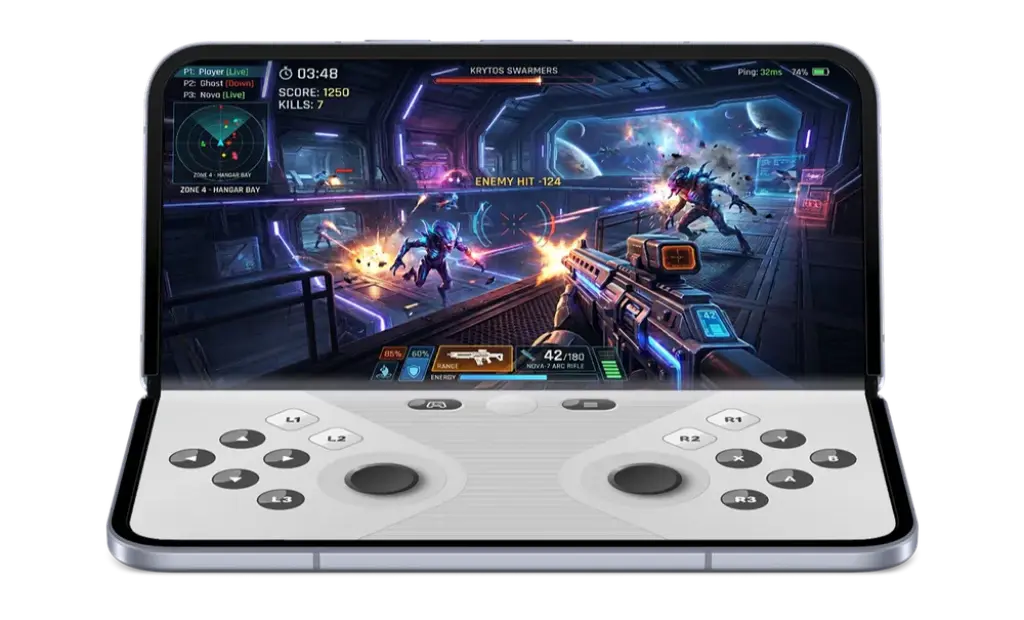
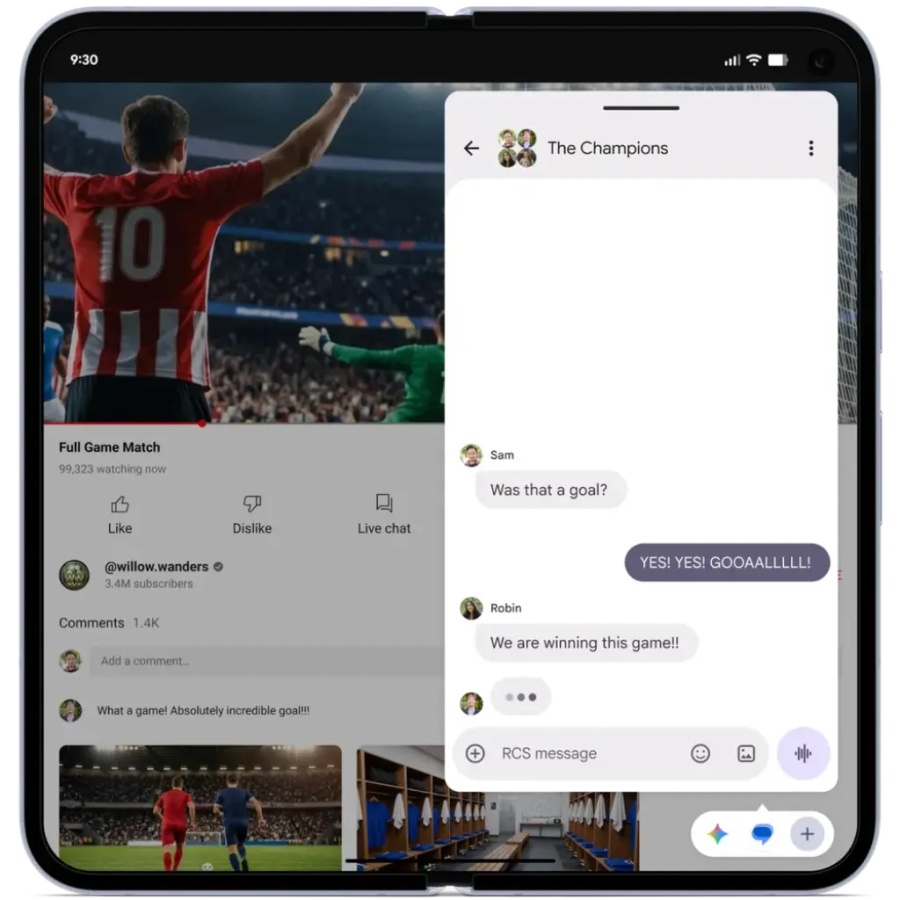
Android 17 does not position itself as a foldable-first operating system. There is little content allocated to optimizations for folding phones in the official feature list by Google. A gaming mode that equally splits the screen between a game display and the virtual gamepad interface. The ability to anchor a bubble bar dock at the bottom edge of larger screens. This is everything.
 Survey
Also read: Google June Pixel Drop is here: New AI features, how to download and more
But, to some extent, this is also the point.
When Google develops its approach to Android 17, it isn’t about the current state of mobile technology. It is about the next big step into the future. And in the context of the format that has been in constant uncertainty for quite a few years now, the importance of this point cannot be understated.
Support for foldables has been officially added to the native Android operating system since 2018 when the concept wasn’t even tangible yet. The two-column layout with a persistent taskbar and optimized split-screen functionality in Android 12L of 2022. The Pixel Fold device released in 2023 with Microsoft, Netflix, and Zoom supporting their apps natively on foldables. Yet, until recently, the optimization for foldables felt secondary to Google’s core OS development.
There is an aspect to Android 17 that makes it distinctive, although perhaps in subtle ways. For one thing, its foldable gaming mode involves more than simple changes to the display configuration – it involves posture awareness on the part of the operating system, with the device knowing what configuration it is in and adjusting for that, as opposed to simply changing the size. Similarly, the bubble bar as a separate UI component is also suggestive.
Also read: Android 17 update is here: What is new, how to download and how you access
What’s more significant about these changes beyond their impact on the user experience? They are indicative of the fact that the foldable market is reaching a turning point. According to IDC, shipments of folding devices are forecasted to grow by 30% YoY in 2026. Even though folding phones only make up 1.6% of smartphones as of 2022, according to Counterpoint Research, the category has become strategically important in terms of making profits from premium products. That single Galaxy Z Fold7 can generate revenue from 15 cheaper models.
It implies that manufactures have nothing but motivation to develop foldables. Apart from improvements in the hinge and glass components, what is required is an OS that would convince users why they should get a foldable smartphone. Running a scaled-up phone operating system on a foldable smartphone means having a smartphone of a larger size.
From Android 12L to Android 17, a trend emerges that can be traced in the gradual development of a solid foundation. Nothing out-of-the-box is seen in each step. It appears that the OS is preparing for something bigger. It is trying to catch up with hardware, which means that eventually the experience will catch up, too.
Also read: Apple Hide My Email privacy may weaken with future updates: Report


