
65 pct of Samsung’s flagship sales come from Tier 2 and Tier 3 markets, says JB Park on India’s foldable future
 Follow Us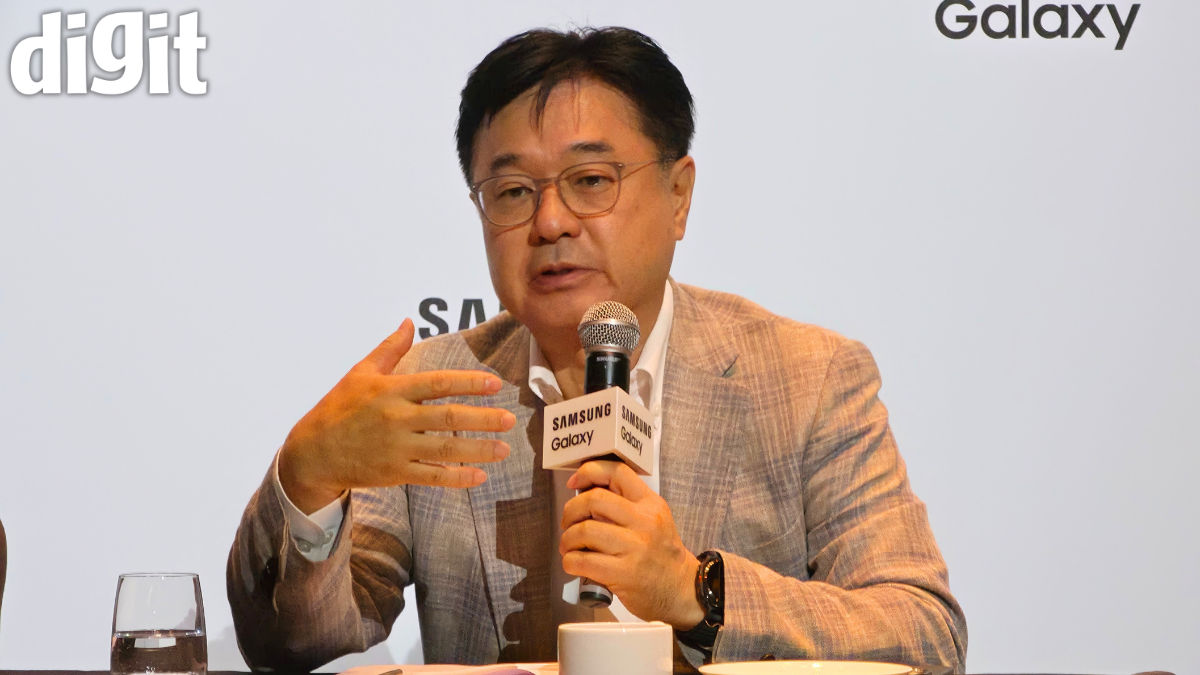

I have always believed the real test for any premium smartphone in India isn’t how well it sells in metropolitan cities, but how it performs in smaller towns and villages. Walk around the streets of Delhi, Mumbai or Bengaluru, and you’ll easily spot a foldable in the crowd. However, head towards the Tier 2 and Tier 3 cities, and the landscape changes quickly. So, during my roundtable with Samsung’s South West Asia President and CEO, JB Park, in London, I asked the question that had been on my mind for a while. What is Samsung actually doing to make foldables and Galaxy AI more accessible beyond Tier 1 cities, especially when prices continue climbing every year across the flagship segment?
 Survey
Also read: Samsung Galaxy Z Fold 8 Ultra display tested: The most colour accurate foldable screen
JB Park’s answer surprised me straight away. He pushed back on the assumption that Samsung’s flagship business is still largely concentrated in metro cities. According to him, around 65 per cent of Samsung’s flagship sales already come from Tier 2 and Tier 3 markets. He also claimed those markets are growing at a much faster pace than metros, making them an increasingly important part of Samsung’s premium strategy.
Even the early sales of Samsung’s latest foldables appear to support Park’s claim. The company says the Galaxy Z Fold 8 Ultra, Galaxy Z Fold 8 and Galaxy Z Flip 8 recorded more than 2.7 lakh pre-orders in India within just 72 hours of launch, with nearly 45 per cent of those coming from Tier 2 cities and below. If those numbers hold up beyond the pre-order phase, they lend further weight to Park’s argument that India’s appetite for premium foldables is no longer limited to the country’s biggest metropolitan markets.
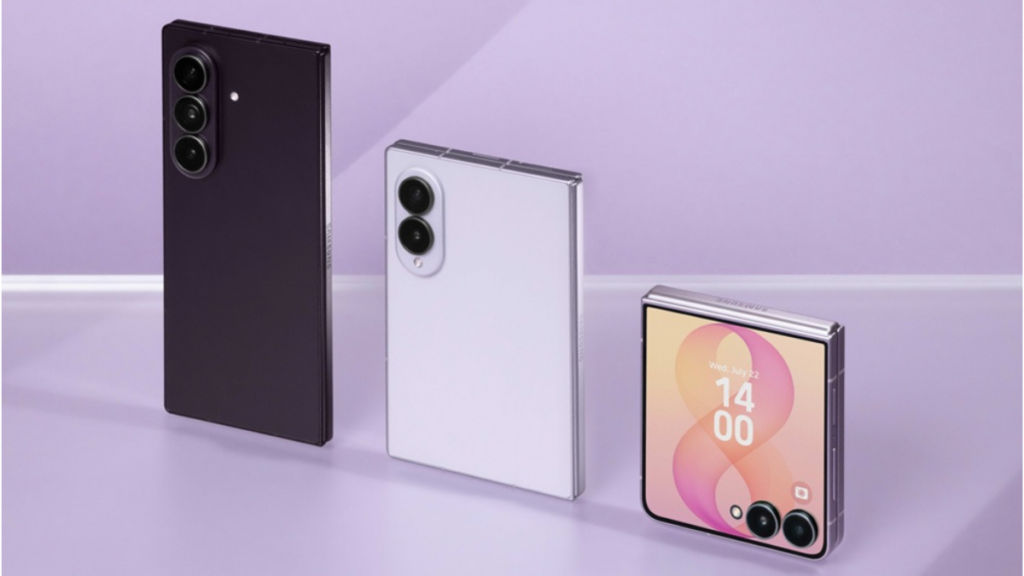
Interestingly, pricing was not the first thing JB Park spoke about. Instead, he focused on usage. His view is that buyers in these markets see clear value in a foldable because the larger display improves productivity, entertainment and social media. It is a fair point. After using foldable phones over the years, and having spent early hands-on time with the Galaxy Z8 series, I can understand the appeal. Watching a video, editing a document or reading an e-book simply feels more comfortable on a larger screen. Of course, the experience is different from using something like the Galaxy S26 Ultra or the iPhone 17 Pro Max, no matter how powerful those phones are.
What I found more interesting was Samsung’s strategy on the ground. Park said the company reaches customers through online channels across 18,000 postal codes, while its offline network includes more than 80,000 retail stores. On top of that, Samsung has around 20,000 promoters who actively demonstrate premium devices in Tier 2 and Tier 3 towns. Rather than expecting buyers to understand foldables on their own, Samsung wants people to experience them in person. That feels like a sensible approach because, even eight years on, foldables are still products that make far more sense once you actually hold one.
Also read: Samsung Galaxy Z Fold 8 early review: Lots to unpack!
That said, I still think affordability remains the elephant in the room. Foldables continue to cost well above what most buyers in smaller towns are comfortable spending. Park acknowledged that device prices are rising across the industry because of increasing component costs. Samsung’s answer, at least for now, is to absorb financing costs by offering interest-free EMI periods of up to 30 months instead of aggressively cutting retail prices. He also hinted that a more affordable Fold FE could eventually happen if consumer demand points in that direction, although there is nothing confirmed as of now.
Galaxy AI also came up during the discussion, and here Samsung’s messaging was a little more nuanced than I expected. Park explained that Samsung still wants the core Galaxy AI experience to remain free and focused on on-device features. More advanced cloud-based AI, however, could eventually involve paid tokens or subscriptions depending on how demanding those services become. For everyday users, he believes the basics will stay free, while professionals needing heavier AI workloads may end up paying for premium capabilities.
On a closing note, my biggest takeaway from this interaction with JB Park was that Samsung no longer sees foldables as products built only for buyers in metropolitan cities. Instead, the company is betting on awareness, financing and wider retail reach to grow adoption across India. I am still not convinced price will stop being the biggest hurdle, but if Samsung’s numbers are accurate, the next wave of foldable users may not come from India’s biggest cities. They could come from the places many brands have traditionally overlooked.


