
Vachana text-to-speech model explained, as part of India AI Impact Summit 2026
 Follow Us

At the India AI Impact Summit 2026, the conversation surrounding digital inclusivity reached a new milestone with the formal unveiling of Vachana TTS. Developed by Gnani.ai as a pivotal element of the India AI Mission, this foundational model is designed to transform how technology interacts with the diverse linguistic fabric of the nation. By moving beyond mechanical speech toward a more human-centric experience, Vachana represents a strategic leap in India’s journey to provide world-class, sovereign AI infrastructure for its billion-plus citizens.
 Survey
Sovereign speech synthesis
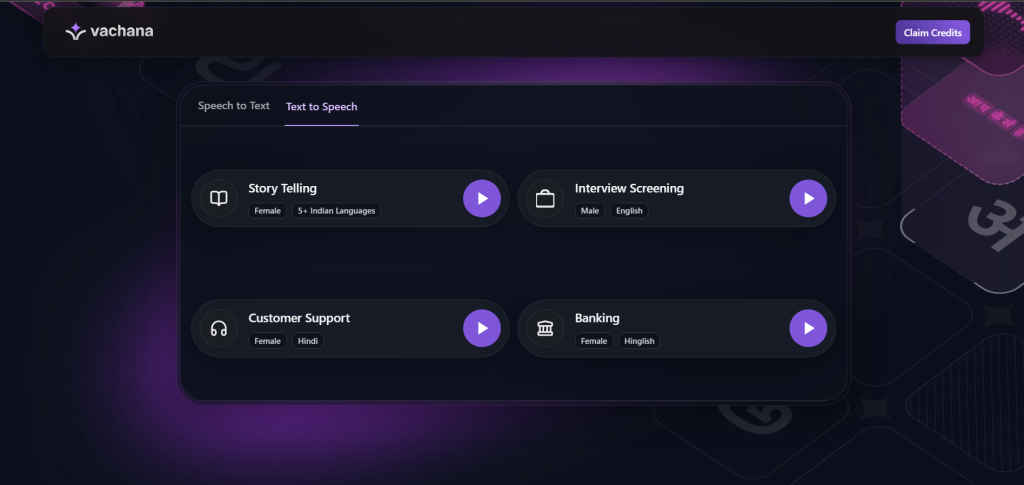
Vachana TTS distinguishes itself by supporting 12 major Indian languages, including Hindi, Bengali, Tamil, Telugu, and Indian English, ensuring broad regional coverage. Unlike many global solutions that struggle with local nuances, this model achieves a Mean Opinion Score (MOS) of 4.23 and a character error rate of less than 0.6%. These metrics translate to high-fidelity audio where proper nouns and domain-specific vocabulary are pronounced with natural prosody and rhythm, making the synthesized voice nearly indistinguishable from a human speaker.
Also read: Anthropic CEO Dario Amodei: India may benefit most from AI revolution
This technical excellence is reinforced by a commitment to national data security. Built, trained, and deployed entirely within Indian borders, Vachana ensures that all training data remains in domestic data centers to comply with strict localization requirements. By offering this high level of performance at a cost significantly lower than international alternatives, Gnani.ai has made it economically viable for government bodies and large enterprises like the Tata Group and Air India to deploy human-quality voice services at a population scale.
Zero-shot innovation
The most groundbreaking aspect of the model is its zero-shot voice cloning capability, which allows it to replicate a specific speaker’s unique persona using less than 10 seconds of reference audio. This technology captures the essential characteristics of a voice – including pitch, timbre, and speaking style – without requiring hours of professional recording. It effectively humanizes digital interactions by infusing synthesized speech with genuine qualities like warmth and empathy, ensuring that automated communications feel personal and trustworthy.
Furthermore, Vachana enables cross-lingual voice cloning, allowing a single vocal identity to be maintained across multiple different languages. This feature is particularly transformative for public services and global brands; a trusted official’s voice can deliver emergency alerts or educational content in various regional dialects while remaining instantly recognizable. Available via API and on-premises deployment, Vachana TTS is set to become the primary voice of India’s digital future, bridging the gap between advanced technology and human connection.
Also read: 5 things Sundar Pichai said at India AI Impact Summit keynote


