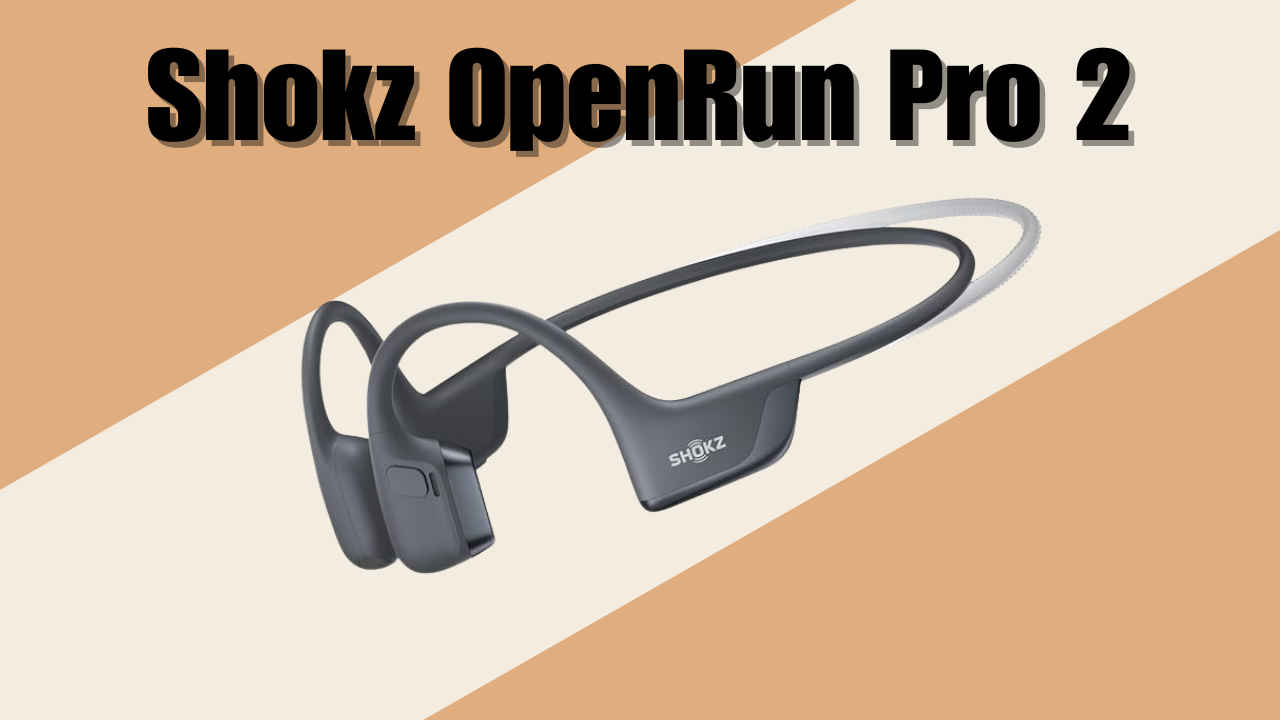
When it comes to headphones, most people look for two things: great sound and great noise cancellation. The Shokz OpenRun Pro 2 goes for a completely different idea altogether. This isn’t a headset that tries to shut out the world – it’s designed to let the world in.
 Survey
After weeks of using it across work, workouts, commutes, and even downtime, I’ve come to see it less as “just another pair of headphones” and more as a specialized tool. Its mission is singular: keep me connected to my environment without making me compromise too much on sound quality. For someone like me, who likes to go for an occasional run outdoors after a long work day in the office, this promise of hyper-awareness was too compelling to ignore.


So, after putting the Shokz OpenRun Pro 2 through its paces for the past two weeks, here is my unfiltered take on these bone conduction headphones.
Also read: Shokz announces Diwali 2025 offers on open-ear headphones in India
A newer take on bone conduction
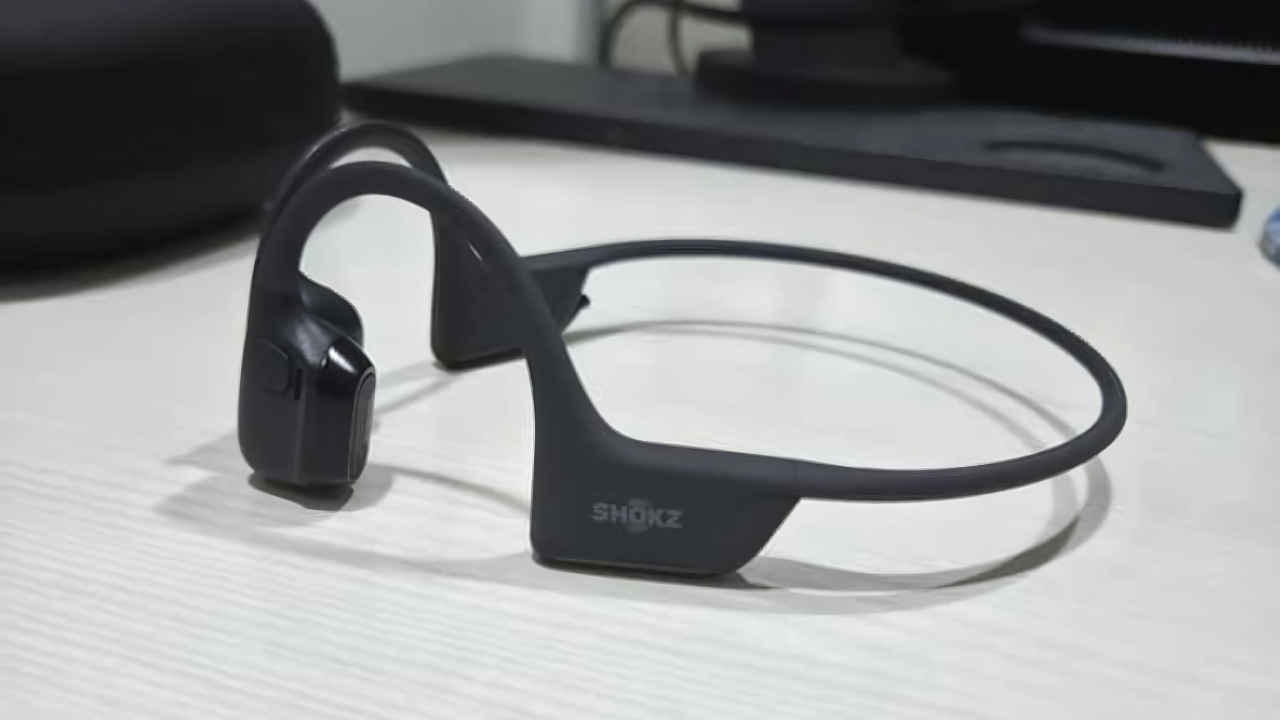
The core of the OpenRun Pro 2 is Shokz’s new DualPitch Technology, and it’s easily the biggest leap from earlier generations. Bone conduction headphones have always fascinated me in theory – you place them on your cheekbones, and they vibrate to send sound through your bones instead of your ear canal. In practice, though, they’ve always had issues. The biggest one for me: that annoying “tickle” when you turn up the volume, especially with bass-heavy music.
Shokz tackles this by pairing the traditional bone conduction driver with a tiny speaker that specifically boosts low-end frequencies. The effect is surprisingly transformative. Instead of pushing all the sound through my cheekbones, the headset lets the air speaker handle bass reinforcement, while bone conduction focuses on mids and highs.
The result? The vibration that I was dreading when I picked these up was practically not there. I now listen comfortably at 60–80% volume, and even when I crank it all the way up, the vibration is minimal. It feels more like listening to unconventional earbuds than some strange science experiment strapped to my face – at least when not using its “Classic Mode”.
Design
One of the things I appreciate about good headsets is that they are built with activity in mind, not style points. The OpenRun Pro 2 is no exception.
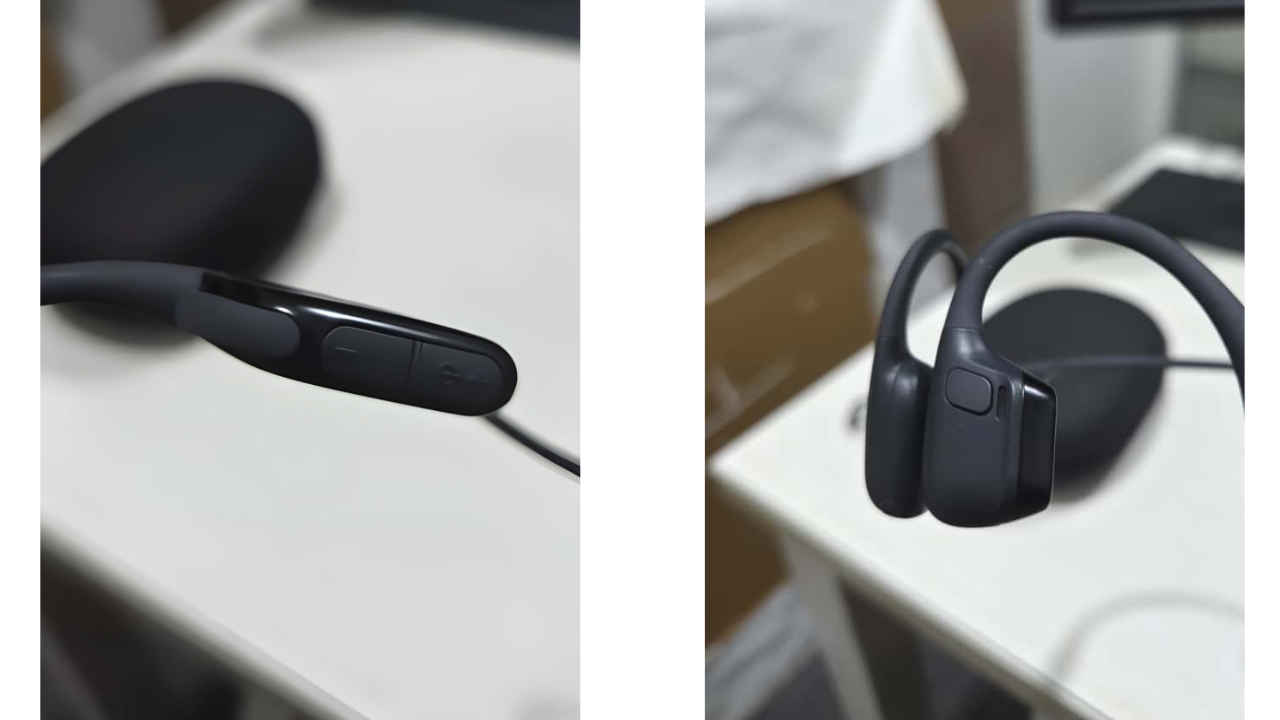
All the controls are tactile and easy to use on the move. On the underside of the band near my right ear are the power/volume buttons and the USB-C port. I like that Shokz finally embraced USB-C – no more hunting down a proprietary cable when the battery dies.
Also read: Rotimatic Next review: Can this smart roti maker redefine your kitchen?
On the left driver module is the Multifunction Button. One press pauses or plays music (or answers a call), two presses skip tracks, three go back. The placement is intuitive enough that I found myself controlling playback by touch alone within the first run.
The design isn’t flashy, but it’s thoughtful. At around 30 grams, the headset is featherlight, and the wraparound band has just enough give to feel comfortable but not loose. It’s not jewelry; it’s gear.
Battery Life and charging
Battery life is one area where I honestly expected a compromise – after all, an open-ear design with dual drivers must come at a cost, right? Wrong.
The OpenRun Pro 2 has been nothing short of phenomenal for me. I consistently get over 14 hours of continuous playback, which means I can go through a full workday, head to the gym, and still have juice left over. That reliability is a game-changer, because I never have to ration my usage.
And when it does finally need charging, it bounces back fast. I timed a full recharge from zero to 100% at just under 45 minutes. For me, that’s the difference between an inconvenient dead headset and a quick top-up during lunch. It’s the kind of charging speed that turns the headset into a near-always-ready companion.
Outdoor performance
Here’s where the OpenRun Pro 2 earns its stripes. I primarily use it for running, and in that environment, it’s just about perfect.
The headset stays glued in place, even on high-impact sprints or uneven terrain. Unlike some in-ear buds, which constantly worked themselves loose with sweat, these feel almost unshakable. The IP55 rating gives me peace of mind in the rain, and the silicone-encased titanium band shrugs off sweat without complaint.
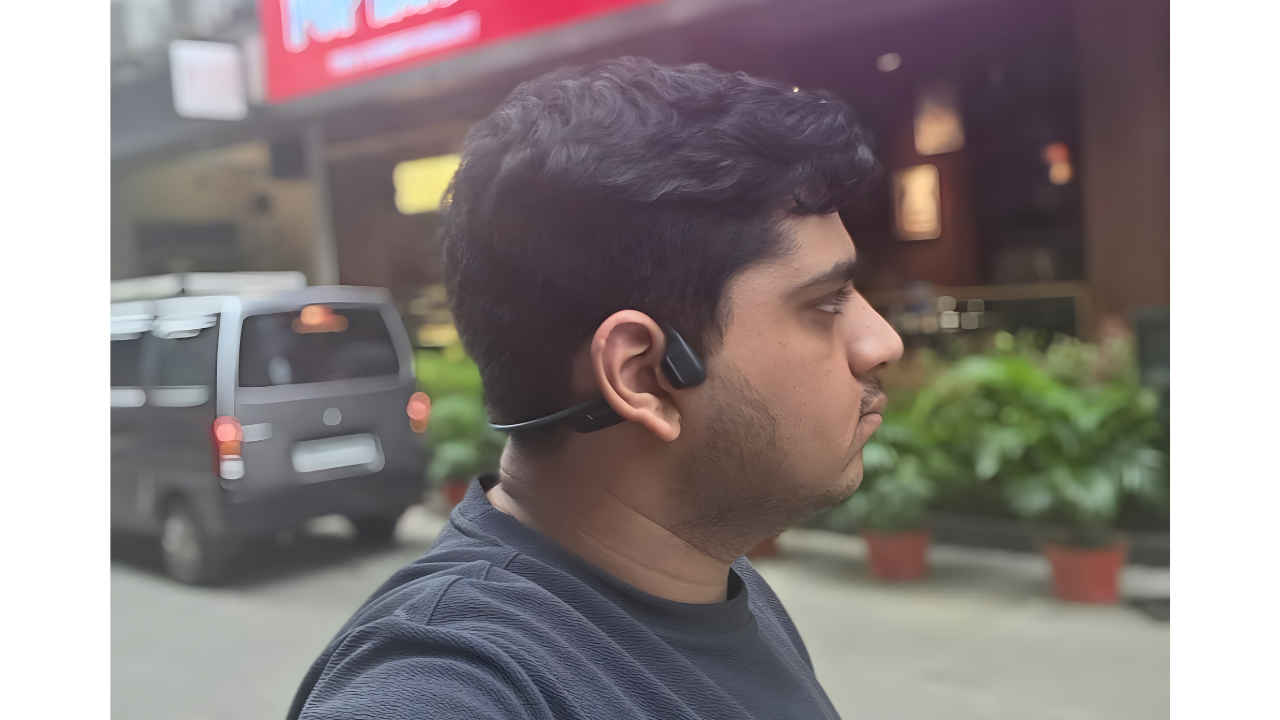
The biggest win, though, is safety. Running in a city like Mumbai has always been stressful for me – bikes coming from behind, cars pulling out of side streets, horns, sirens. With traditional earbuds, I either had to keep the volume really low or risk being blindsided. With the OpenRun Pro 2, my ears are completely open. I can hear music and my surroundings simultaneously. That alone makes me want to keep using them.
That said, the design isn’t perfect for every workout. The wraparound band becomes a nuisance for floor work. When I lie back for bench presses or crunches, the band pushes against the floor or bench, shifting the headset. It’s distracting enough that I don’t bother with them for horizontal exercises. And in a noisy gym, the lack of isolation means I’m at the mercy of clanking weights and blaring house tracks.
Sound quality and customisation
I’ll be honest – I went in with modest expectations. Bone conduction has never been known for great sound. But the OpenRun Pro 2 surprised me.
The midrange performance is excellent, which makes podcasts, audiobooks, and calls sound crystal clear. Music, on the other hand, is where I noticed the impact of the DualPitch system. With bass support from the normal drivers, EDM and rock tracks had genuine punch. Treble clarity was also decent, making vocals and cymbals pop more than I thought possible for this type of headset.
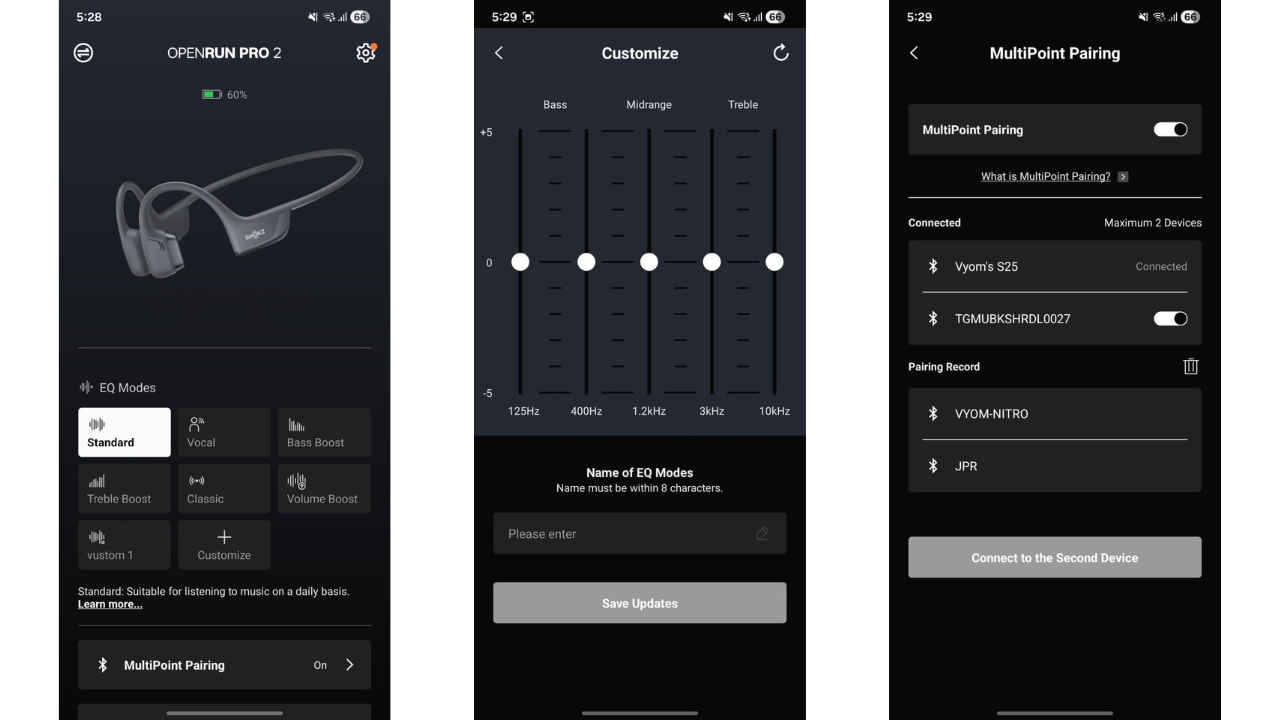
Through the companion app, there are 4 EQ presets in India – Standard, Vocal, Bass Boost and Treble Boost. You also have the option to set a custom EQ according to your sound preference if the presets don’t suit you. Here’s where I hit a weird snag: the “Volume Boost” and the so-called “Classic” mode isn’t available in India. I had to set my region to the U.S. to access it while registering on the Shokz app. Classic mode disables the air conduction speaker, leaving only bone conduction active. The result is way more cheekbone vibration, but the overall sound quality takes a noticeable hit. It’s interesting as a novelty, but I stuck with the DualPitch default. It just sounds better all around.
Work and productivity
I didn’t expect to like these for office work as much as I do. The biggest advantage is the same one that makes them great for running: awareness.
With traditional headphones, I either block out colleagues completely or end up sliding one earcup off awkwardly to hear what’s happening. With the OpenRun Pro 2, I can take a call and still hear someone speaking to me directly.
Multipoint Bluetooth support also deserves a shout-out. I keep them paired to both my laptop and phone, and the headset switches seamlessly between the two. No fiddling, no re-pairing. That alone saves me endless annoyance when switching between music and calls.
Microphone
The microphones on the OpenRun Pro 2 are solid, but they aren’t flawless. They use an AI-driven noise filtering system that usually does a good job of isolating my voice from the background. On regular calls in the office or while walking outdoors, people on the other end told me I came through clearly and intelligibly.
That said, I did run into some limits in harsher environments. In heavy traffic with lots of honking cars and bikes, especially on windy days, I noticed a dip in call quality. My voice sounded a bit too processed – almost robotic at times – and while the algorithm managed to reduce some of the noise, the loud honks still leaked through. It wasn’t unusable, but it was far from perfect.
Overall though, for everyday calls and typical background noise, the microphone performance is more than decent. It’s just not the headset I’d rely on for crystal-clear communication in extreme conditions.
The downsides
While the OpenRun Pro 2 is a strong performer in active and office environments, I found it entirely unsuitable for certain leisure activities.
Gaming: The Bluetooth-only connectivity immediately restricts console use. More critically, it exhibits noticeable high latency (audio lag) in the absence of a dedicated low-latency mode. This causes a distracting audio-visual mismatch in modern video games. The total lack of noise isolation makes discerning critical spatial audio cues in competitive games extremely difficult.
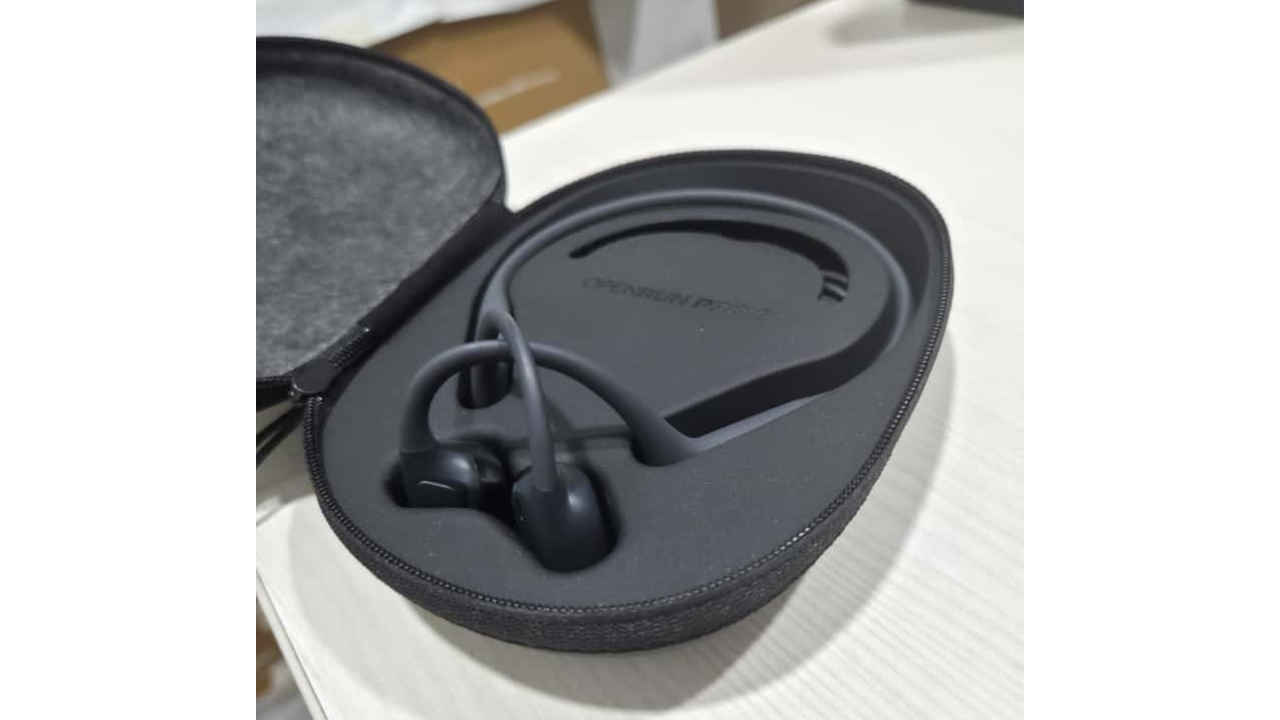
Travel: Despite the comfortable upright fit and durable case, the headset is a poor travel companion. The absence of noise isolation means loud, low-frequency ambient sounds (like airplane cabin din) are heard unimpeded, making my audio difficult to discern without using excessively high volume. Moreover, the rigid, around-the-neck band becomes an obstructive impediment if I attempt to lean back and rest my head against a seat-back.
Final verdict
The Shokz OpenRun Pro 2 is not an all-purpose headset. It doesn’t try to be. What it does, it does very well: deliver surprisingly good sound while keeping you acutely aware of your surroundings.
If your priorities are safety, stability, and all-day endurance, this is the headset for you. For runners, cyclists, and professionals who want awareness without sacrificing productivity, it’s an easy recommendation. But if you’re a gamer, a frequent flyer, or someone who just wants peace and quiet, look elsewhere. These aren’t for you.
It’s not flawless, but it’s the most reliable, awareness-focused headset I’ve ever used. And for that, I’m willing to deal with its quirks.
 Follow Us
Vyom Ramani
A journalist with a soft spot for tech, games, and things that go beep. While waiting for a delayed metro or rebooting his brain, you’ll find him solving Rubik’s Cubes, bingeing F1, or hunting for the next great snack. View Full Profile


