
It’s all AR: Formula 1’s new direction of car development tech explained
 Follow Us
Mercedes embraces AR to accelerate 2026 Formula 1 car development
Augmented reality boosts accuracy and speed inside Mercedes F1 test labs
New 2026 F1 regulations drive Mercedes adoption of cutting edge AR tools
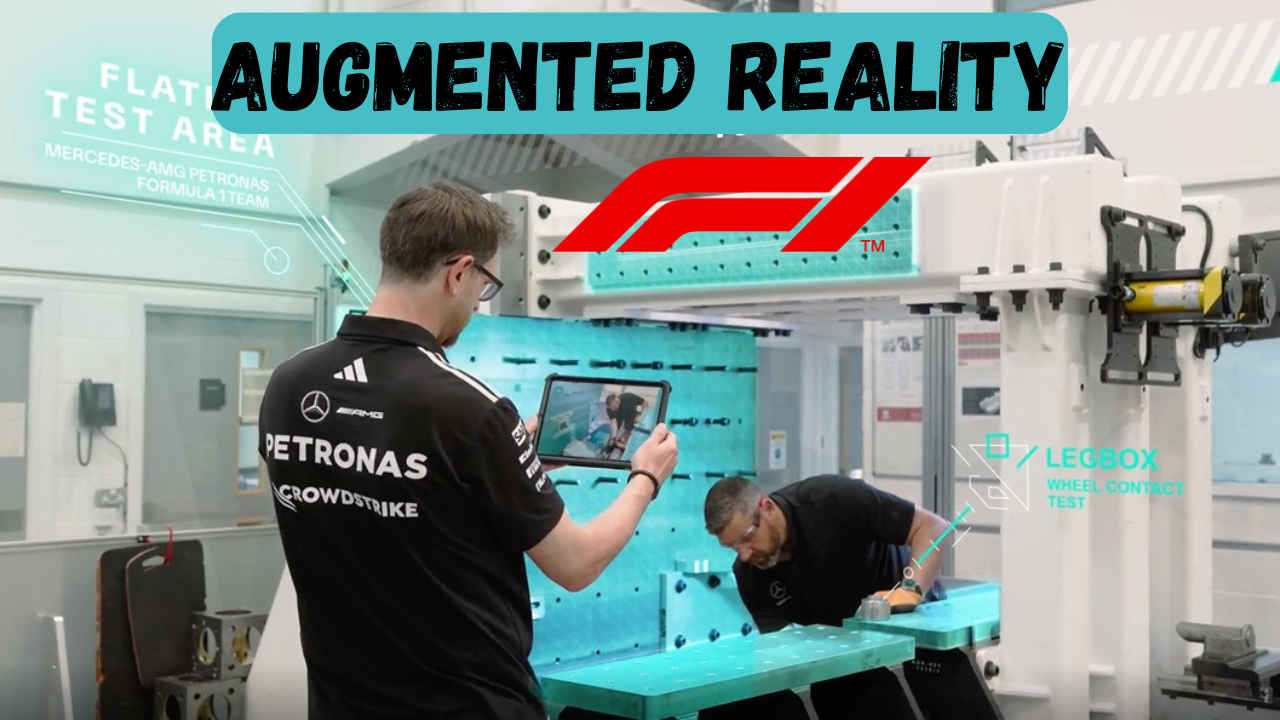

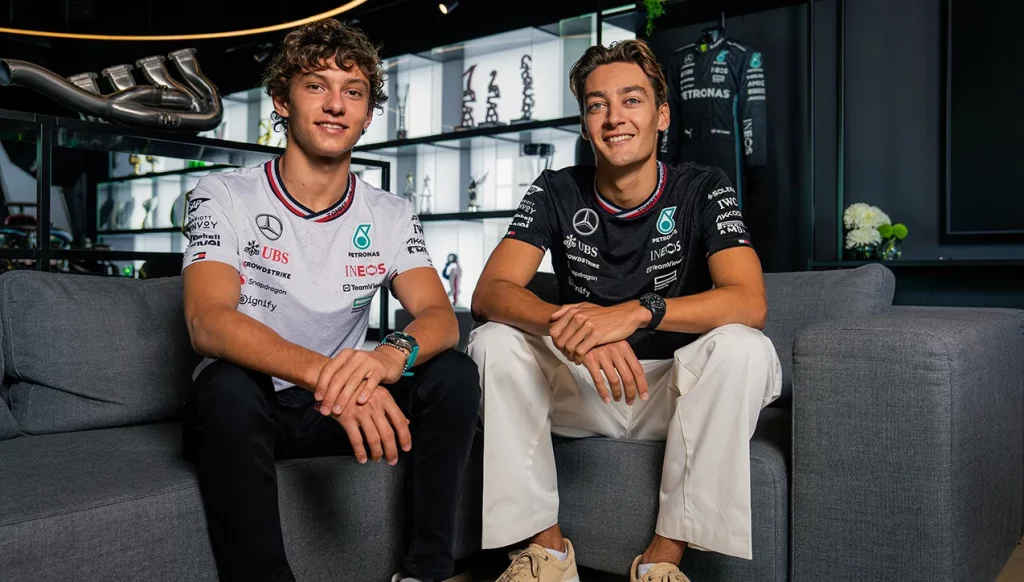
We love obsessing over the visible stuff in Formula 1. We stare at the front wings and argue about sidepod inlets or debate whether a floor edge looks illegal. But if you are a proper F1 nerd like me, you know the real race is often won in a windowless room in Brackley hundreds of miles away from the track. I am talking about the Test & Development Lab. This is where parts go to be tortured before they ever get near their drivers, George Russell or Kimi Antonelli.
 Survey
And right now, the Mercedes-AMG PETRONAS F1 Team is changing how that room works in a way that feels very sci-fi.
Also read: The Formula 1 Simulator: Where virtual precision meets speed and safety
The bottleneck in Brackley
I sat in on a digital roundtable with Steve Riley recently. He is the Head of IT Operations and Development for the team, and he walked us through a shift that is honestly long overdue. They are ditching the paper manuals and laptop screens for Augmented Reality.
Here is the problem they had. Imagine you are building a complex test rig. These are the massive hydraulic beasts that shake a suspension arm until it breaks to prove it is safe. In the old days (which was like… last year), a technician would have to look at the rig, turn around to check a printed drawing or a laptop on a desk behind them, turn back to the rig, and repeat. Steve Riley calls this friction. It is slow and it leaves room for interpretation errors.
And in F1, if you interpret a millimeter wrong, you have just wasted a very expensive day.
Ghost parts and tablets
So they brought in TeamViewer Frontline. But forget the image of engineers wearing goofy futuristic goggles. They are actually using tablets. The technicians hold the tablet up to the rig, and the software overlays the 3D CAD model right onto the real metal in front of them.
Daniel Markland, who is the Principal Test & Development Technician, explained that they can see “ghost” parts. They get animated assembly sequences on the screen that show exactly where a bracket or a sensor needs to go. It is basically the world’s most expensive, high-stakes LEGO instruction manual.
The 2026 factor
This matters because of what is coming in 2026.
Also read: AI boom causing global memory crisis, warn Dell, HP and Lenovo
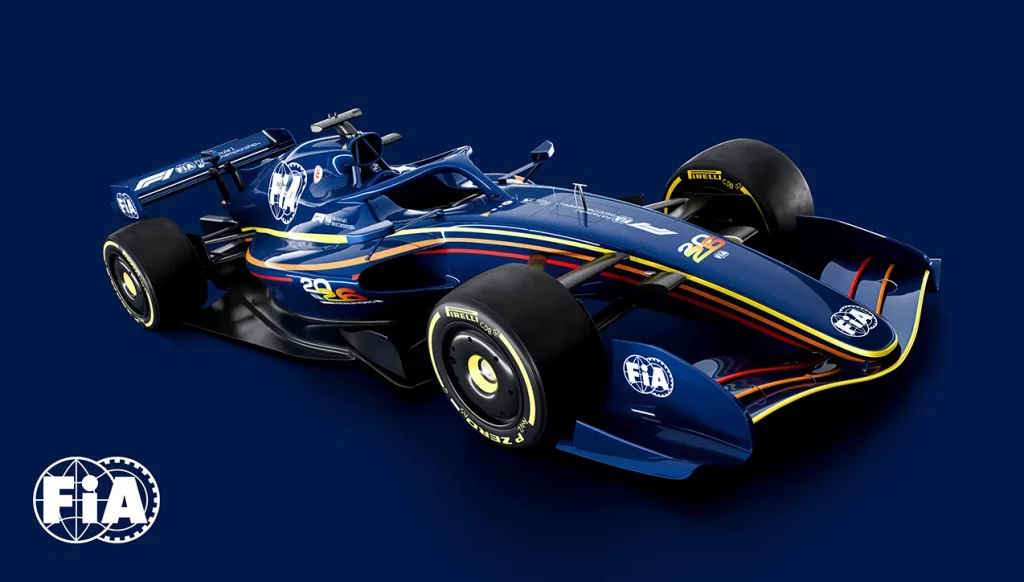
We know the new regulations are going to flip the sport on its head. The cars are changing massively, and the complexity is going to skyrocket. Steve Riley was pretty open about this. He said the team has already started preparations for 2026. They need to churn out thousands of new parts, and every single one of them needs to be validated. No team can simply afford to build a test rig twice because someone misread a 2D drawing.
From lab to lap time
The AR system gives them what Riley calls “fidelity”. It ensures that when they do those critical homologation tests, which are the legally binding safety checks for the FIA, the rig is 100% accurate before they push the button.
It is also about speed. Riley mentioned that shaving time off a build process frees up people to start the next test sooner. That efficiency compounds. If the lab is faster, the part gets approved faster. If the part gets approved faster, it gets to the track faster. And suddenly, that new floor upgrade is on the car for FP1 instead of sitting in a box in Northamptonshire.
It is a fascinating peek behind the curtain. We tend to think of F1 technology as just aerodynamics and horsepower. But sometimes, finding a tenth of a second comes down to giving a technician a tablet so they don’t have to turn their head to look at a laptop. That is the kind of marginal gain I live for.
Also read: Nvidia vs Google: Why Jensen Huang is attacking ‘inflexible’ TPUs


