
Resident Evil Requiem spoiler-free review: 11 hours of terror
 Follow Us

Lights off, curtains drawn, the biggest television in my home glowing against the dark, and a brand-new Resident Evil game booting up. That has been a ritual for me for years. Whenever a new Resident Evil title launches, my cousins and I plan a sleepover. We take turns playing, scream, laugh, and argue over who wasted the most ammo. That is how I experienced Resident Evil 2 (Remake), Resident Evil 4, Resident Evil 6, and later the more intimate horror of Resident Evil 7 and Village.
 Survey
So when I got early access to Resident Evil Requiem, the ninth mainline entry in the franchise, it felt personal. Leon S. Kennedy has finally returned. And as someone who used to swoon over him as a teenage girl, I was extremely excited. So I launched the game on Steam and prepared for an eventful night.
And after 11 hours of intense gameplay, multiple jump scares, beautifully staged action set pieces, and a few moments that could have gone better, I rolled credits feeling two things at once. Satisfaction, and the desire for more. But before we get deep in the review, here are details of the system I tested the game on.
Processor: AMD Ryzen 7 9800 X3D
GPU: Nvidia GeForce RTX 5090
RAM: 32 GB DDR5
Motherboard: Asus ROG Strix X870-i
I connected my PC to my 55-inch LG CX OLED TV (Display settings turned to 4K, 120 Hz) for the best experience possible. Alright, now that you know what my rig is, let’s talk about the game.
Resident Evil Requiem review: Customisation, graphics and sound design
The first thing that stood out to me while loading up Resident Evil Requiem was the level of customisation available. And the most important setting here is the camera.
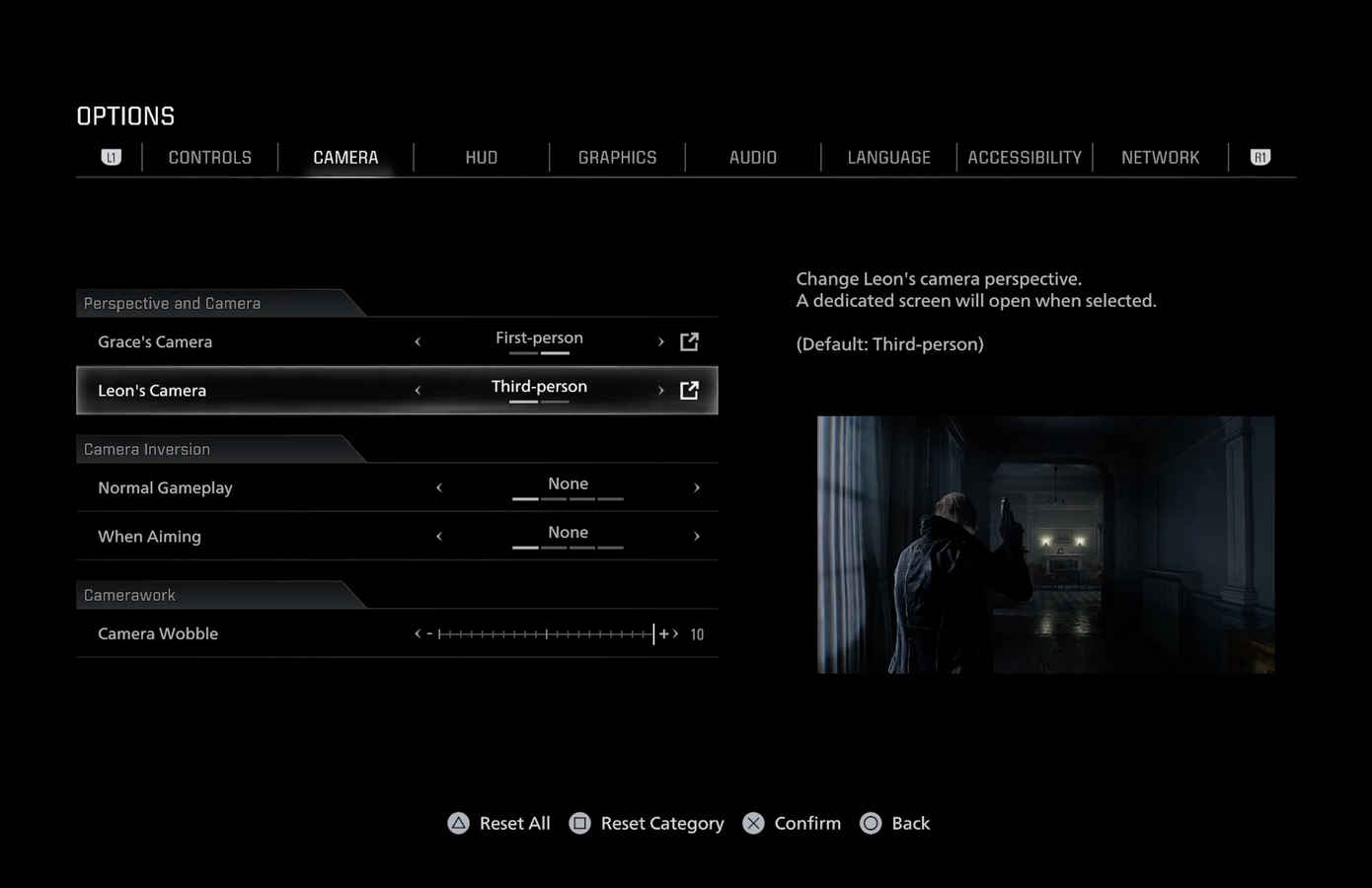
By default, Leon’s sections are set in third-person, while Grace’s are recommended in first-person. I would strongly suggest sticking to those defaults. Leon’s action-heavy combat feels more controlled and cinematic from an over-the-shoulder perspective. It gives you spatial awareness during chaotic encounters. Grace’s sequences, on the other hand, are far more intense in first-person. The horror feels immediate, personal, and much more unsettling when you are seeing everything through her eyes.
The difficulty settings are also presented differently from the usual easy, medium, and hard structure. You can choose between Casual, Standard Modern, and Standard Classic. Casual is the most forgiving, while Standard Classic offers the toughest challenge. I went with Standard Modern, which delivers a balanced experience without feeling unfair or too relaxed.
Control customisation is equally flexible. You can tweak controller, mouse, and keyboard layouts according to preference. I paired an Xbox controller with my system and found the default layout perfectly comfortable, with no need for further adjustments.
Now let’s talk about visuals.
Resident Evil Requiem is stunning from the moment you begin exploring as Grace. The opening sequence immediately sets the tone. Rain pours down on a busy street. NPCs walk around going about their lives. Cars reflect street lights. The entire scene feels almost photorealistic.
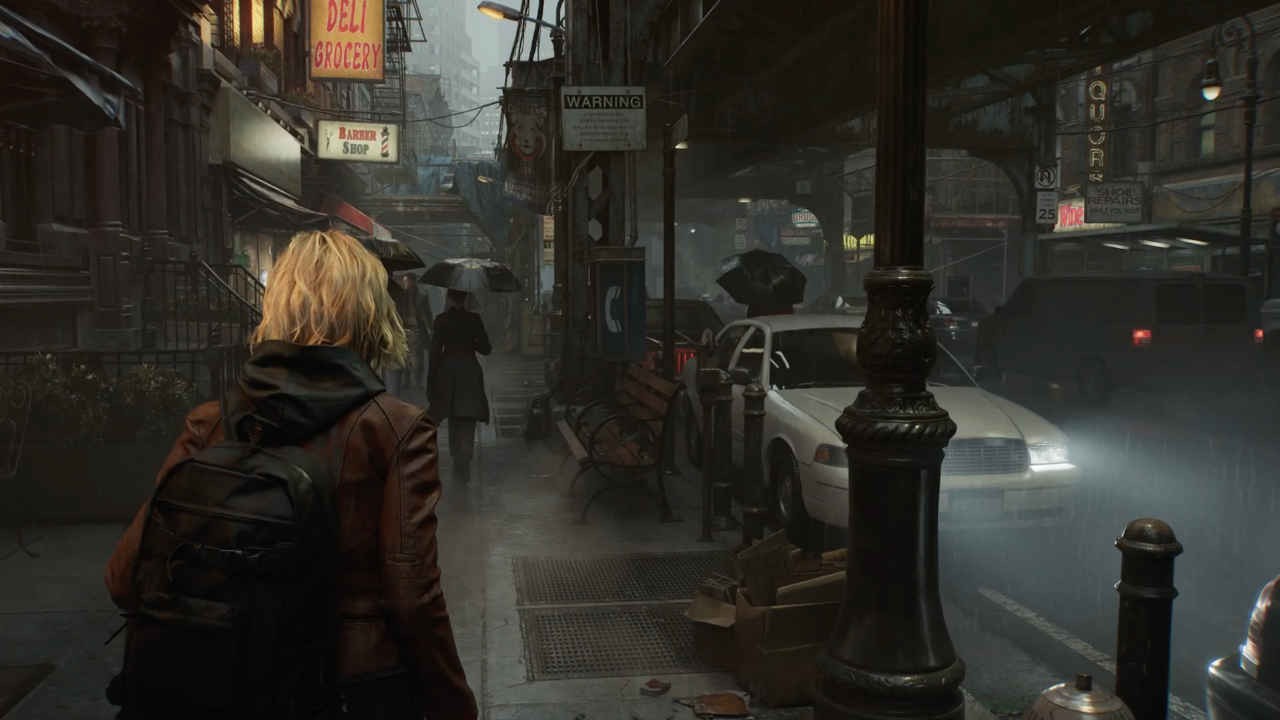
You can fine-tune the graphical settings extensively, and the game supports Nvidia DLSS 4.5 for frame generation. I kept DLSS frame generation at 2x with all settings maxed out and consistently saw close to 200 FPS. Performance remained stable even during demanding scenes.
I would strongly recommend keeping path tracing enabled if your hardware supports it. The difference is immediately noticeable, especially in how the game handles reflections. These are not surface-level shine effects thrown in for style. They add genuine depth to the world. Wet streets mirror neon signs and passing headlights with striking clarity. Puddles capture subtle environmental movement, making scenes feel alive rather than staged. In one particular cutscene, when rain falls on Leon’s leather jacket, it reflects light in a way that looks almost cinematic.
After spending a few minutes in the game, you will notice how mirrors in buildings render characters accurately without distortion, adding immersion during quieter indoor moments. Even metallic surfaces and polished floors respond dynamically to shifting light sources.
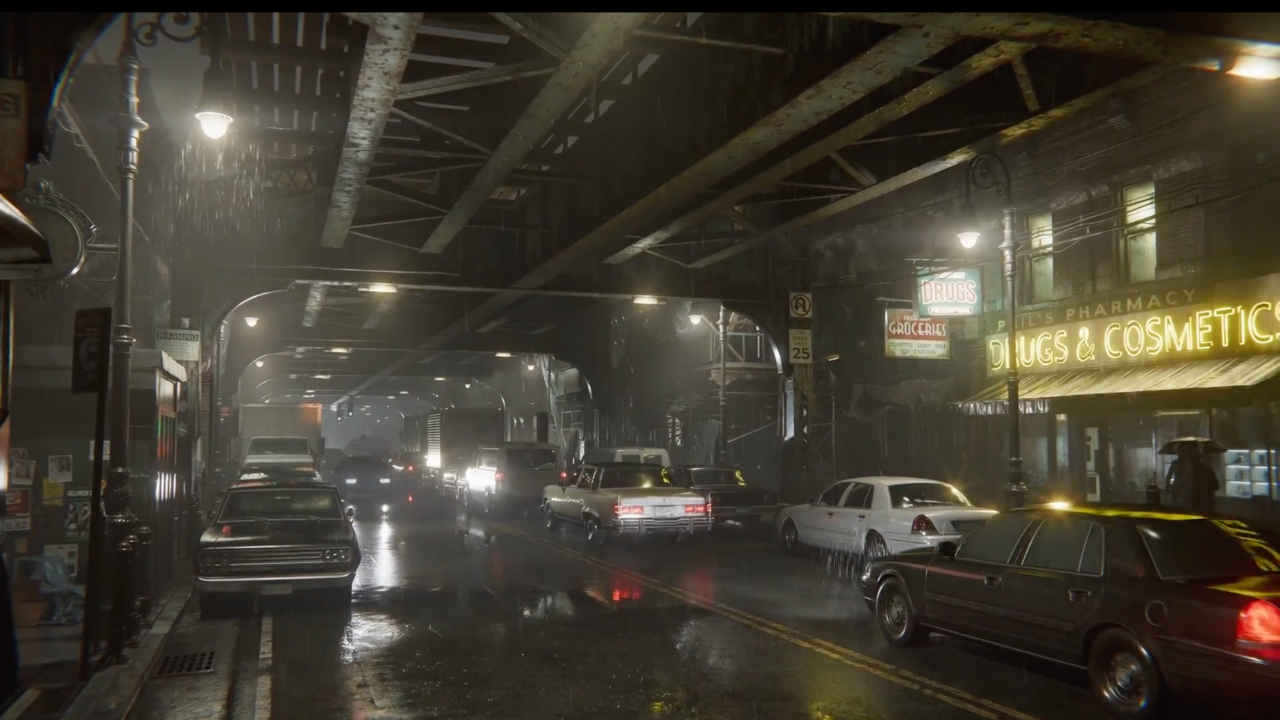
It is this level of reflection detail that elevates the atmosphere. The world does not just look good, it feels reactive and grounded. Environmental design also deserves credit. From dim hotel corridors to rain-soaked streets, each location feels purposeful and nothing feels randomly placed.
Coming to sound design, it is just as impressive as its visuals. From the very beginning, the game makes you feel surrounded by its world. In the opening segments, a thunderstorm rumbles in the distance, and it genuinely feels like you are standing in the middle of it rather than just hearing background noise. Footsteps echo differently depending on the surface you are walking on, and gun reloads sound mechanical and heavy.
Then there are those subtle creaks, distant thuds, and sudden environmental noises that build tension naturally instead of relying on loud jump scares. During Grace’s first-person sections, even the faintest sound can make you pause before turning a corner. Combat sounds are equally impactful, with each gunshot carrying weight and clarity. The audio does not just complement the gameplay, it actively enhances immersion and plays a huge role in maintaining the horror atmosphere throughout.
Characters
The game features two main playable characters – Leon S. Kennedy and Grace Ashcroft. And each character has their own strengths.
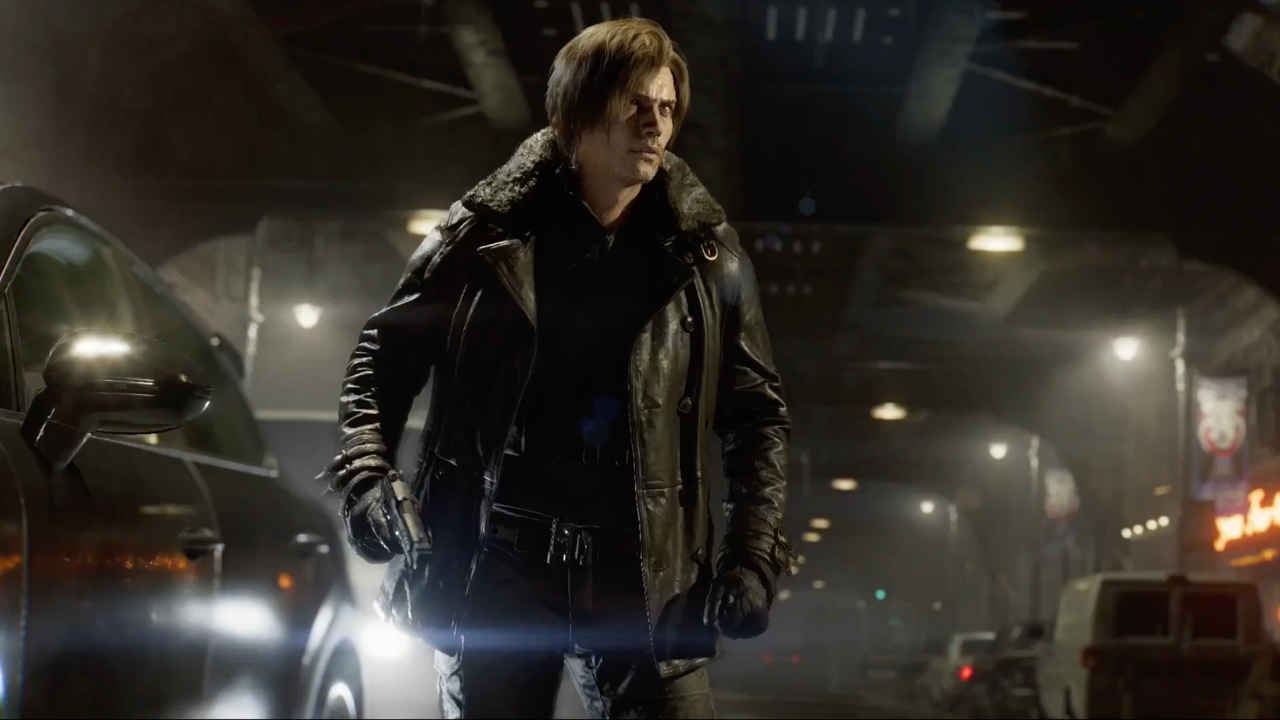
First, let’s talk about Leon. He enters the game driving a Porsche, checking the bullets in his revolver before stepping into chaos. When warned over the radio not to do anything reckless, he replies, “Me? Never.” That line alone captures how far he has come from the nervous rookie of Resident Evil 2.
Leon is now mature, composed, and fully in control. His one-liners are sharp and effortless, often making you chuckle while also reinforcing the feeling that you can take on whatever the game throws at you. Early in the story, after clearing out a group of zombies, he casually remarks that it was his cardio for the week. It is peak Leon energy. He mocks villains without hesitation and carries himself like a seasoned agent who has truly seen it all. In Resident Evil Requiem, he is not just surviving the chaos. He owns it like a full-fledged action hero.
Grace, the second playable character, offers contrast. She is introduced as clumsy and emotionally fragile, still carrying trauma from her mother’s death. Her vulnerability adds tension to her sections, especially since she feels physically weaker and less combat-ready compared to Leon.
However, I felt that Grace’s character is way too timid than what it actually should have been. She keeps on shuddering even in empty corridors and continues saying “What do I do” almost throughout the first half of the game. Some dialogue choices in cutscenes also make her seem naive, especially in high-stakes situations where sharper instincts would have made more sense.
The contrast between Leon’s confident power and Grace’s anxious survival creates mechanical variety. But narratively, Grace could have been written with more wit and intelligence, considering she’s a part of the FBI.

Coming to the villains, you have some big (sometimes) scary monsters and a main villain. But in all honesty, the Resident Evil franchise has had way better ones in the past. Boss fights are engaging but after completing the game, only stands out as memorable for me. The others seemed to lack the iconic presence that past Resident Evil antagonists have delivered.
That said, there are some subtle, thoughtful touches in characters that most survival horror games take for granted – Zombies.
In Resident Evil Requiem, zombies occasionally mutter fragments from their former human lives. For instance, there is a maid who complains about a mess, a chef who is angry about dinner preparation, and a corporate employee apologizing to her manager. These small details add emotional weight and remind you that the horror here was once human.
Story
Coming to the story, without giving away any spoilers, I would just say that it begins slowly and picks up pace halfway through. The opening hours are more focused on atmosphere and mystery rather than explosive action. You are introduced to the central conflict gradually, with enough intrigue to keep you invested without overwhelming you with information.
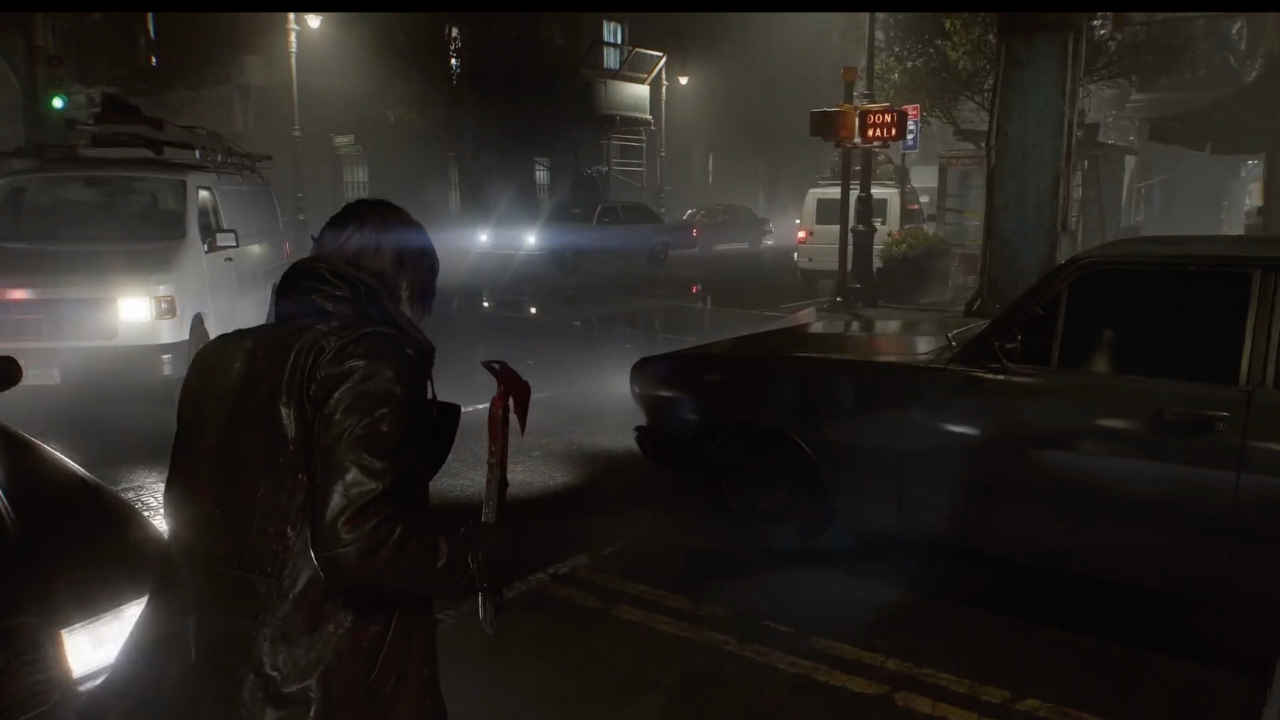
The early segments, especially with Grace, lean heavily into tension-building. Exploration takes priority over combat, and the game allows you to absorb the environment before things spiral into chaos. This slower pace works well in establishing stakes and setting the tone. Even someone unfamiliar with the Resident Evil universe can follow what is happening. The narrative does not demand deep franchise knowledge to stay engaged.
Once the halfway mark hits, the momentum shifts dramatically. The nostalgia element is at its peak, stakes rise, confrontations become more intense, and the pacing accelerates. At times, this sudden acceleration feels thrilling. At other moments, it feels slightly rushed.
The main story runs roughly 10 to 12 hours. While those hours are packed with content, it does feel short, especially considering the scale the game aims for and its price point. A few emotional arcs could have benefited from more breathing room, and certain plot threads feel like they wrap up a little too neatly.
Combat and scare factor
Before the game launched, Capcom has repeatedly said that they want the players to feel the adrenaline-pumping action of Resident Evil Village and the intense scares of Resident Evil 7. And that’s exactly what this game offers.
Combat in Resident Evil Requiem feels distinctly different depending on who you are playing as, and that contrast works in the game’s favour.
With Leon, the first word that comes to mind is fun. From the very first encounter, combat feels fluid, confident, and satisfying. Leon moves like someone who has done this countless times before. He can throw weapons dropped by defeated enemies, adding a layer of improvisation to fights. His classic kicks return, and they land with weight and style. This is not the hesitant rookie from Resident Evil 2. This is a seasoned agent who knows exactly how to control a battlefield.
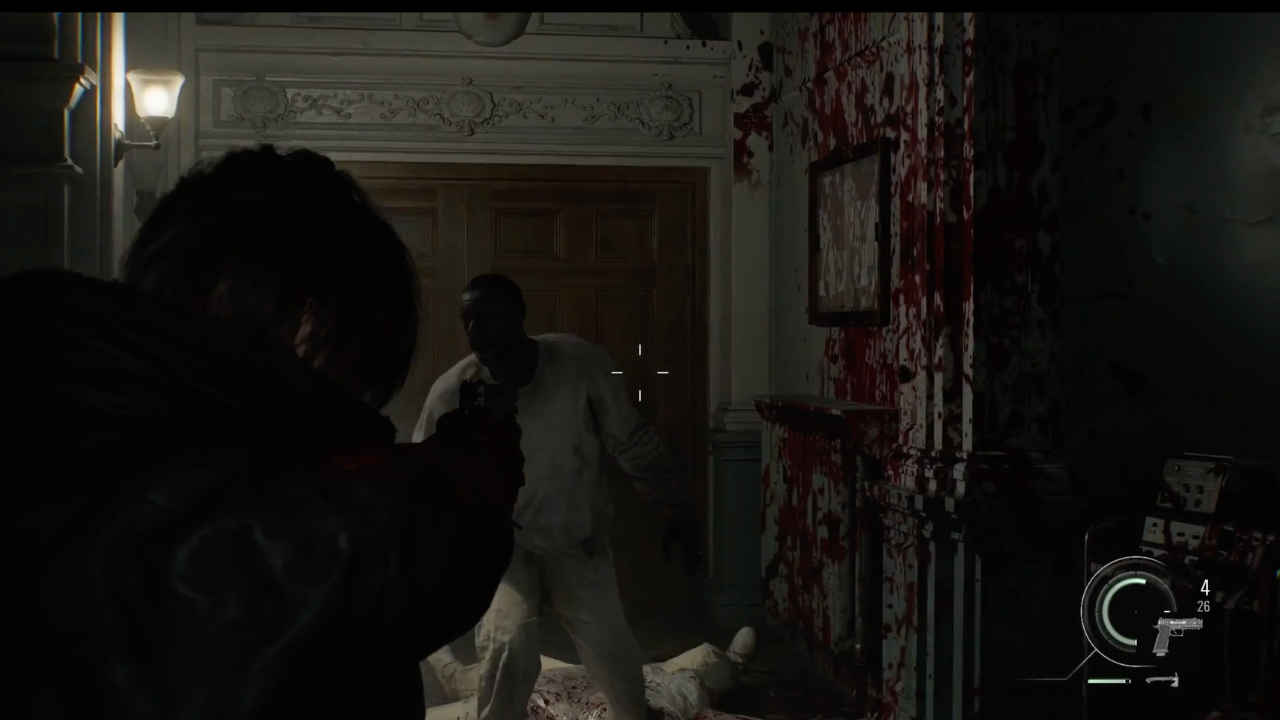
Gunplay feels impactful. Headshots can be brutally graphic. On certain well-placed shots, you might even see eyeballs pop out, a detail that is both disturbing and impressive. The gore is unapologetically visual, but it never feels exaggerated for the sake of shock. It reinforces the brutality of the world. Playing as Leon makes you feel powerful. You are not running from chaos. You are walking straight into it.
Grace, on the other hand, brings a very different flavour to gameplay. Her combat is more creative and reactive. She relies heavily on her surroundings, uses resistance tactics, and often evades rather than dominates. She is visibly scared, and that vulnerability carries into her gameplay style. Yet even in her weakest moments, she finds resourceful ways to fight back. One particularly unsettling scene involves her stabbing an enemy in the eye. It is intense, uncomfortable, and extremely visual. The gore does not hold back here either.
Coming to the scare factor, it peaks during Grace’s first-person segments and reminds you of Resident Evil 7. Playing through her perspective amplifies tension. For instance, a simple moment like opening a closet and having a lamp suddenly fall out, genuinely made me jump. With that being said, I wasn’t as scared as I was while playing Resident Evil 7. So if you are expecting the same level of sustained dread that Resident Evil 7 delivered, you might find Requiem slightly less terrifying. It is tense and unsettling, but not overwhelmingly frightening.
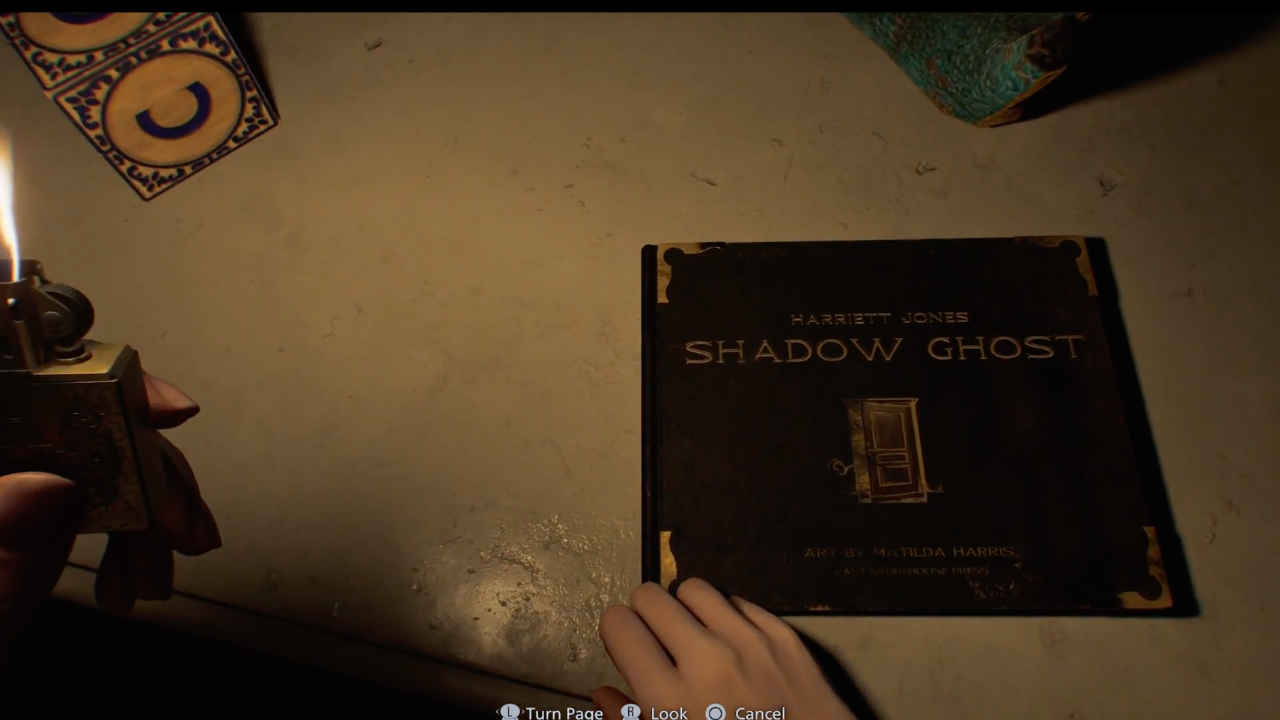
Talking about the overall gameplay, it is smooth and responsive. Movement feels tight, aiming is precise, and transitions between combat and exploration are seamless. The only small annoyance is the door interaction system. Instead of having a dedicated button to close doors, you physically push them. In high-pressure situations, this can feel slightly clunky and disrupt flow. Apart from this minor issue, the gameplay remains fluid throughout.
Should you buy Resident Evil Requiem?
When the credits rolled, I felt fulfilled. But I also was not ready to leave just yet.
Resident Evil Requiem is a confident and technically polished entry in the franchise. It looks phenomenal, sounds incredible, and runs beautifully on capable hardware. Combat, especially with Leon, is immensely satisfying and Grace’s sections bring tension and vulnerability, even if her character writing could have been sharper.
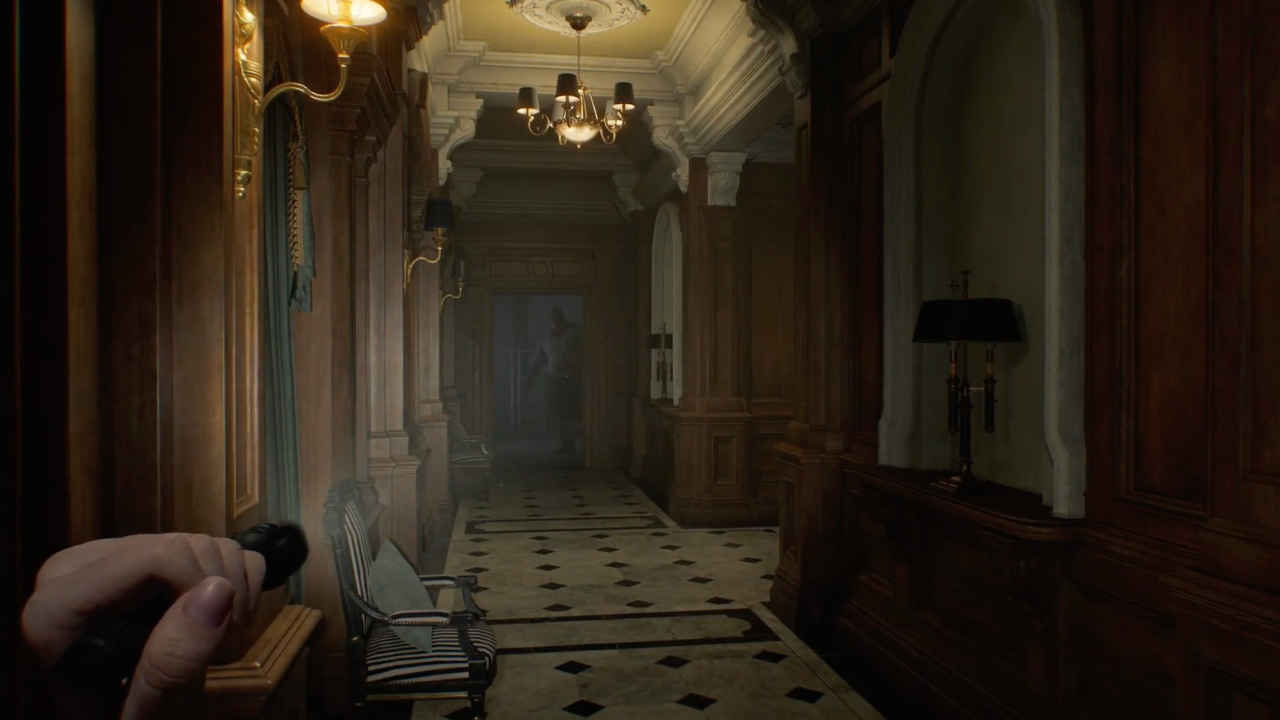
The story hooks you early and delivers some genuinely exciting moments, but the pacing in the latter half feels slightly rushed. At roughly 11 hours, the main story ends sooner than expected. Some villains also lack the iconic presence long-time fans might hope for, and while the horror is effective, it does not quite reach the relentless psychological intensity of Resident Evil 7.
That said, when I turned off the lights and picked up the controller, I lost track of time for 11 hours straight. And honestly, that alone is reason enough to grab a copy.
Rating- 8.5/10
Also read: GTA 6 price in India: All the leaks and rumours so far


