
Remembering Call of Duty co-creator Vince Zampella: The major games he created
 Follow Us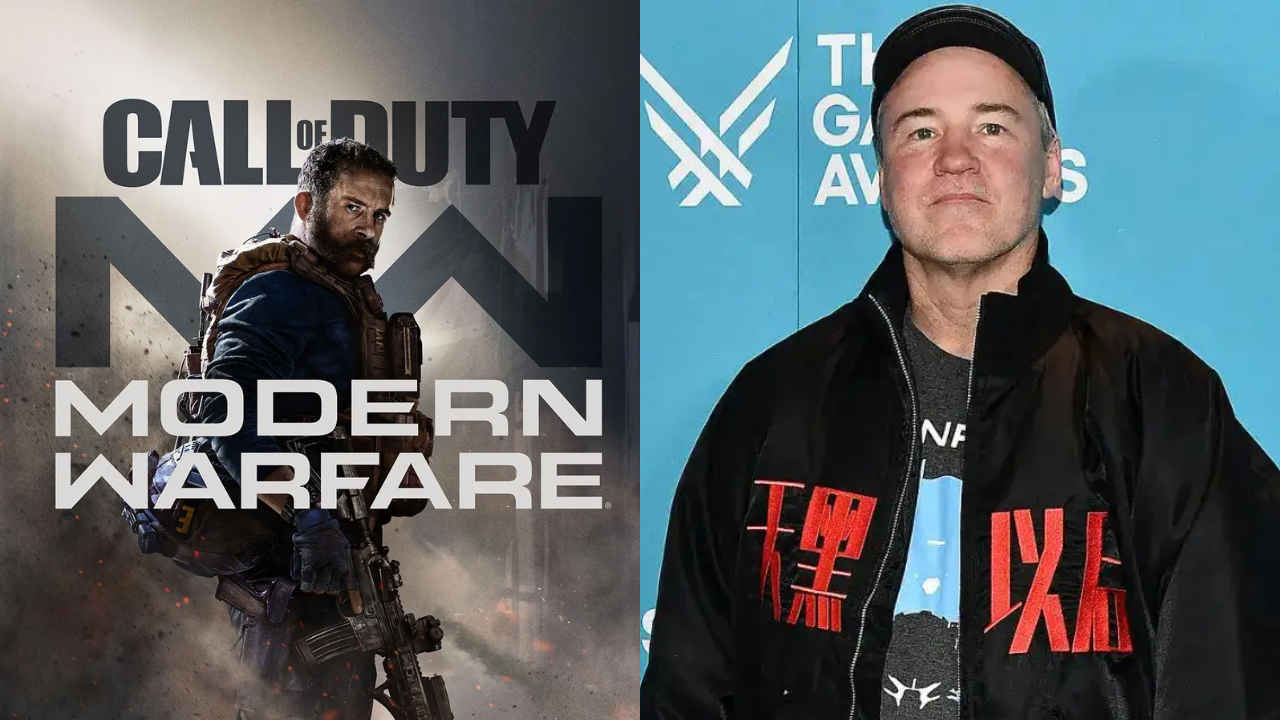

The moment there is a mention of Call of Duty, millions of players across the world can’t help but instantly think of those late nights with friends, split-screen rivalries, headset arguments, and when multiplayer shooters stopped feeling niche and became part of mainstream culture. At the centre of it all was Vince Zampella, who co-created the immensely popular game. His work helped define an era where first-person shooters became cinematic, competitive, and deeply social. And when news about his death broke recently, the loss was felt far beyond studios and boardrooms. It landed with players who grew up with his games and shaped their gaming identity through them.
 Survey
Also read: Resident Evil to Assassin’s Creed: Why big game remakes are happening more
Zampella was never the loudest name in the room, but his influence was everywhere. While Call of Duty remains his most recognisable achievement, limiting his legacy to a single franchise does not do justice to what he built. Across decades, Zampella helped create games that took risks, pushed technology forward, and trusted players to learn, adapt, and master complex systems. He was also behind this year’s most popular multiplayer shooters, Battlefield 6.
As the industry reflects on his passing, let us take a look at the games other than Call Of Duty that define his creative journey.
Star Wars Jedi: Survivor
With Star Wars Jedi: Survivor, Respawn doubled down on confidence. The sequel expanded its worlds, deepened combat systems, and leaned further into character-driven storytelling. Cal’s journey felt heavier, more reflective, and more mature, mirroring the players who had grown alongside him. Zampella’s influence was visible in how the game balanced scale with intimacy. Even as environments grew larger and combat more complex, the experience remained grounded. It trusted players to experiment, fail, and improve. That trust is what made Survivor feel less like a sequel chasing success and more like a studio refining its voice.
Medal of Honor: Allied Assault
Before Call of Duty became a household name, Medal of Honor: Allied Assault set the tone for modern military shooters. Zampella’s work on the game helped introduce cinematic storytelling to the genre, most memorably through its Normandy landing mission. For many players, this was the first time a shooter felt historically grounded and emotionally intense rather than arcade-like. The game did not just ask you to shoot enemies. It asked you to survive chaos. Its influence can still be felt today in how shooters stage large-scale battles and use sound, scripting, and pacing to immerse players. For a generation of PC gamers, this was the moment shooters grew up.
Titanfall
With Titanfall, Zampella proved he was not afraid to start over. Leaving familiar territory behind, he helped build a shooter that prioritised movement, speed, and verticality at a time when military realism dominated the market. Wall-running, double jumps, and massive Titans created a flow that felt radically different. Matches were fast, expressive, and demanded constant awareness. Although it never reached the commercial heights of Call of Duty, Titanfall earned deep respect from players who valued mechanical depth and freedom. It showed Zampella’s belief that shooters could evolve without sacrificing accessibility or fun.
Titanfall 2
Often described as one of the most underrated shooters of its generation, Titanfall 2 delivered one of the most memorable single-player campaigns in modern FPS history. The relationship between pilot and Titan, particularly BT-7274, gave the game an emotional core that few shooters attempt. Each mission introduced a new mechanic and then moved on before it overstayed its welcome. This confidence in design reflected Zampella’s philosophy perfectly. Trust the player. Respect their time. Let gameplay speak. Years later, players still talk about Titanfall 2 with affection, recommending it to newcomers as something special rather than just another shooter.
Apex Legends
When Apex Legends launched without warning, it reshaped the battle royale landscape overnight. Instead of chasing trends, Zampella and his team refined them. Fluid movement, precise gunplay, and character-based abilities created a shooter that felt both competitive and welcoming. The ping system alone changed how players communicated, proving thoughtful design could lower barriers without simplifying gameplay. Apex Legends is perhaps the clearest example of Zampella’s mature vision. A live service game that still feels mechanically tight, respectful of players, and focused on moment-to-moment enjoyment. Its continued success stands as a living part of his legacy.
Vince Zampella is no longer with us but his legacy lives on. It is there every time a player drops into a match, strings together a flawless movement sequence, or experiences that quiet, unexplainable moment when a game simply feels right. Zampella understood that great shooters were not defined by visual spectacle alone, but by responsiveness, rhythm, and trust between the game and the player. His work taught an entire generation how shooters should feel in their hands, not just how they should look on screen. And that doesn’t fade away with time.
Also read: PC or laptop feeling slow? These 3 tools could help bring performance back


