
Independence Day 2026: Best Made in India games you must play
 Follow Us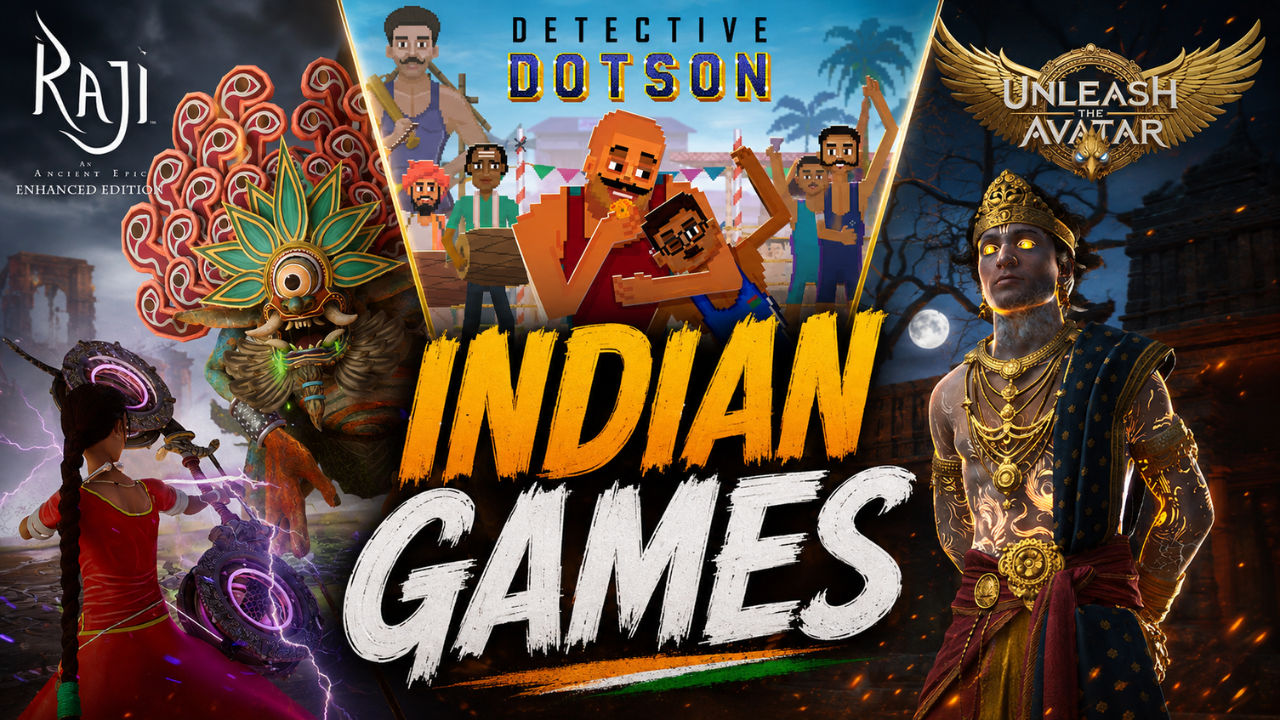

For the longest time, “Indian game” meant a Ludo clone with ads every ninety seconds or a battle royale reskin chasing PUBG money before the ban hammer dropped. That era isn’t dead, but it’s no longer the whole story. Somewhere between mobile grind culture and the country’s mythology-soaked imagination, a genuinely varied Indian games scene has been quietly assembling itself: ghost hunters, grieving twenty-somethings, Bollywood-obsessed detectives, Ramayana-flavoured soulslikes, rhythm Metroidvanias, and yes, still some battle royale, because old habits die hard. Here are seven titles that make the case that “Made in India” is finally a genre worth paying attention to, not a disclaimer.
 Survey
Also read: How to colourise old freedom struggle photos using AI this Independence Day
Spook-A-Boo
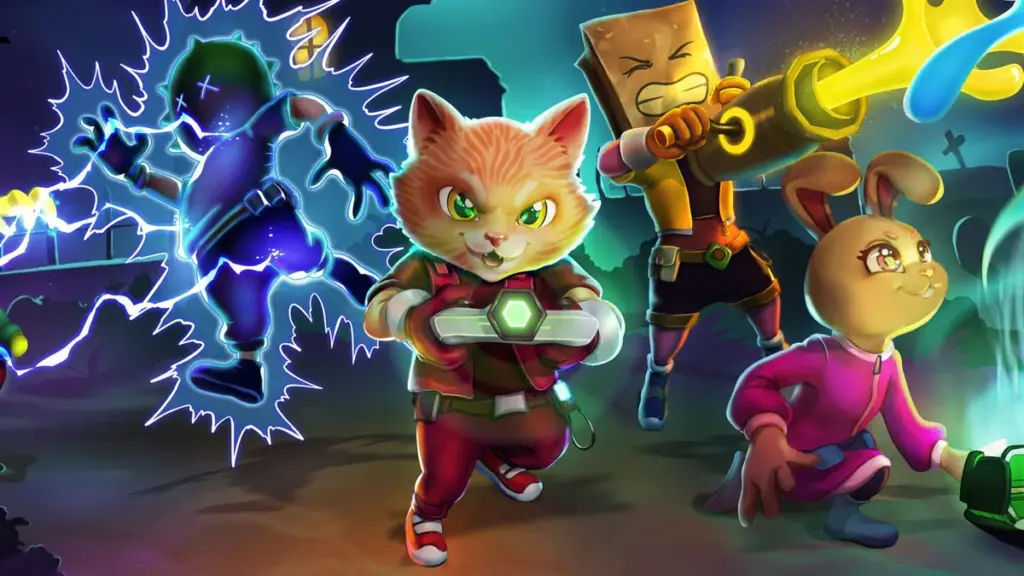
Bengaluru’s Wala Interactive spent years grinding out over 50 mobile games for clients before deciding to build something of their own, and the result is a genuinely lovely pitch: a top-down, four-player co-op ghost hunt that plays like someone bottled the specific joy of four controllers crowding around one TV. The studio started prototyping in August 2023, and the six-person founding team all shared a love of co-op games. You’re agents of the Dimensional Entity Department, armed with gadgets to scan, lure, and trap ghosts hiding in plain sight across 28 levels spanning four themed worlds, and the whole thing is soaked in Saturday-morning-cartoon energy, closer to Luigi’s Mansion by way of Scooby-Doo than anything trying to be scary.
What makes Spook-A-Boo stand out in the crowded co-op space isn’t ambition of scale, it’s clarity of design. Levels are short, objectives are obvious, and every mechanic exists to generate the specific chaos of four friends yelling at each other in the same room. The game even landed a genuinely fun celebrity credit: its in-game guide, The Warden, is voiced by Kevin Miller, known for playing Sly Cooper and for his work on Jet Set Radio. Co-founder Megha Gupta summed up the pitch perfectly, describing the game as being about the era when multiplayer meant plugging in extra controllers and crowding around one screen. It’s a small, warm idea executed with a lot of care, and after premiering fresh gameplay at the inaugural India Game Showcase this June, it’s shaping up to be one of the most purely likeable games to come out of an Indian studio in a while. It’s headed to PC, Switch, PS5 and Xbox Series X|S later this year.
Raji: An Ancient Epic
If Indian PC and console gaming has an origin story, it’s Raji. Pune’s Nodding Heads Games spent years building a hack-and-slash action-adventure that dropped a young girl, Raji, into a demon-infested world she has to fight through to save her little brother, all while Hindu mythology bleeds into every corner of the art direction, from the sweeping Rajasthani-inspired architecture to enemy design pulled straight out of temple carvings. When it launched in 2020, Raji became the reference point every subsequent Indian PC title got measured against, not because it was flawless (the fights could get repetitive, the story leaned thin) but because it proved a small Indian team could ship a console-quality action game that looked and felt like nowhere else on the map.
Five years on, Raji still gets cited constantly, sometimes as a compliment, sometimes as a slightly unfair yardstick for younger studios still finding their feet. But its real legacy is cultural permission. Before Raji, “Indian PC game” wasn’t really a pitch anyone believed in. After it, a whole generation of developers had proof of concept sitting right there on Steam.
Fishbowl
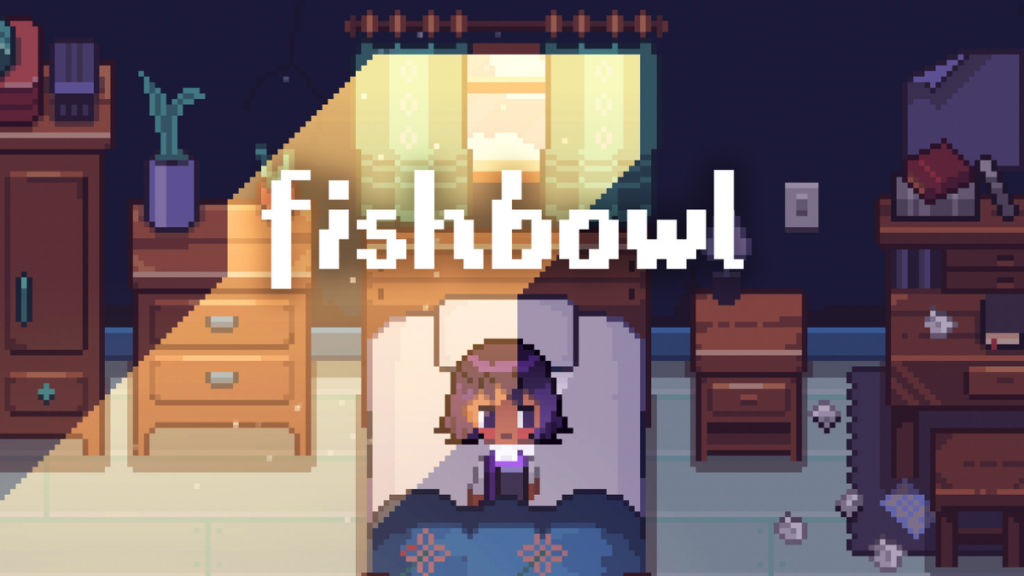
Goa’s imissmyfriends.studio is exactly two people, Prateek Saxena and Rhea Gupte, and Fishbowl is their first game, which makes what they’ve built even more staggering. It’s a narrative-driven, pixel-art slice-of-life about Alo, a young woman who’s just moved to a new city for a new job when the pandemic locks her indoors, alone, still processing the death of her grandmother. The game features a character with vitiligo, a rare and genuinely welcome piece of representation in games. The two developers switched into game-making from entirely different careers, Prateek from UX design at a non-profit and Rhea from fashion and fine art photography, and that outsider sensibility shows in how confidently the game commits to being about ordinary, unglamorous grief rather than a big dramatic arc.
Mechanically, Fishbowl leans on quiet interactive rituals, brushing teeth, unpacking boxes, sorting through memories triggered by objects that belonged to Alo’s grandmother, each one unlocking a piece of her past. Published under Wholesome Games Presents and part of PlayStation’s India Hero Project, the game landed on Steam and PS5 in April 2026, running somewhere between 10 to 13 hours. Reviewers have consistently reached for the same comparison, calling it a spiritual cousin to To the Moon, and the pandemic-era setting gives it an odd, reflective time-capsule quality now that we’re several years removed from lockdown. It’s not a big, showy game. It’s a small, specific, deeply felt one, which might be exactly why it’s resonated the way it has.
Detective Dotson
Ahmedabad’s Masala Games, led by Shalin Shodhan, set out to answer a question that should have been asked years ago: why does India, home to a fifth of the planet, barely exist in games as anything other than fantasy backdrop? Shodhan’s answer was blunt: if Indian developers don’t tell their own stories, someone else eventually will, and it won’t be authentic. Detective Dotson is the result, an adventure game following an aspiring Bollywood actor who reluctantly becomes a detective after his father’s mysterious death, solving cases across a beautifully stylised modern Indian city that mixes 2D and 3D art with genuine affection for the mundane details, gossiping aunties, Holi chaos, grumpy security guards.
The game leans hard into couch co-op and an episodic single-player campaign, with an original soundtrack from Nikhil Rao of the legendary rock band Indian Ocean. But the real headline is what Masala Games did at launch: they released the game alongside a companion film, Detective Dotson: The Movie, built in Unreal Engine 5, marking one of India’s first major game-to-film crossovers. The movie, voiced in Hindi with actors known for dubbing Marvel characters, sets up the backstory the game then continues. It’s a genuinely novel piece of transmedia thinking from a studio nobody was watching a few years ago, and even critics who found the writing a little broad agreed the game nailed something rarer than good writing: it actually looks and feels like India, not a sanitised postcard version of it.
Unleash the Avatar (UTA)
Every gaming ecosystem eventually produces a studio that decides mobile ports and outsourcing work aren’t enough, and for India, that studio is Aeos. Unleash the Avatar drops players into Vishwapur, a shattered, ancient world built explicitly to sit next to Elden Ring and Lies of P on a shelf, backed by a roughly 40-person team that includes veterans who worked on Ghost of Tsushima, Hogwarts Legacy, and Path of Exile 2. The pitch is unapologetically soulslike: punishing combat, a narrative rooted in Indian mythology, and a world designed to feel simultaneously ancient and internationally legible.
What’s notable is the business model as much as the genre. Aeos is explicitly positioning the game as a premium, one-time purchase with no subscriptions, no battle passes, no loot boxes, a direct rejection of the free-to-play, live-service instincts that dominate Indian game development. That’s a real statement of intent in a market conditioned to think “Indian game” means monetised mobile grind. Whether Unleash the Avatar can actually deliver combat depth and boss design that holds up against the genre’s brutal international competition remains the open question, but the ambition alone matters. As one report put it, if this game lands, it opens the door for more Indian studios to build original, premium IP instead of settling for outsourcing work. That’s the real stakes here, not just one game’s reception, but whether India can credibly claim a seat at the AAA table.
SURI: The Seventh Note
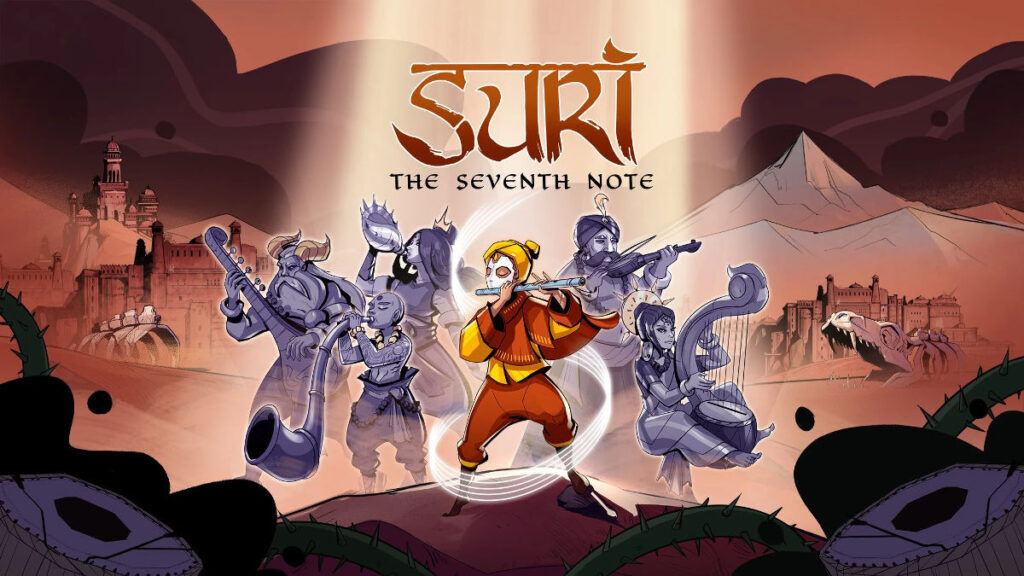
Bengaluru’s Tathvamasi Studios had a genuinely novel hook: a 2D Metroidvania where the entire world, platforms, traps, enemy attacks, even background flames, moves in sync to an in-game rhythm, set in a mythical realm called Ragamandala. The story follows a traveler caught between a king and six Gandharvas, celestial musician-deities from Hindu, Buddhist, and Jain traditions, with a prophesied “Seventh Note” that can break the rhythmic curse holding the world in place. Crucially, players aren’t shackled to the beat while exploring, the rhythm shapes the world around you rather than dictating your every move, which keeps it from becoming a pure rhythm-game gimmick.
The studio has leaned hard into accessibility too. SURI uses the PS5 DualSense’s haptics, feeding controller vibrations directly from the game’s audio signal, which composer and sound designer David explained helps players anticipate the musical grooves and specifically benefits players who are deaf or hard of hearing and can’t rely on audio cues alone. Visually, the game draws from an enormous spread of Indian geography and folk art, deserts and forts in Rajasthan, Himalayan temples, the Western Ghats, Ajanta-Ellora, filtered through a bold, pen-and-ink aesthetic that avoids the over-familiar “brown and beige fantasy India” look plenty of Western productions have leaned on. As part of Sony’s India Hero Project and available to wishlist now, SURI is quietly one of the most formally inventive things coming out of the Indian indie scene, a rhythm Metroidvania that actually uses its gimmick to say something.
Scarfall 2.0
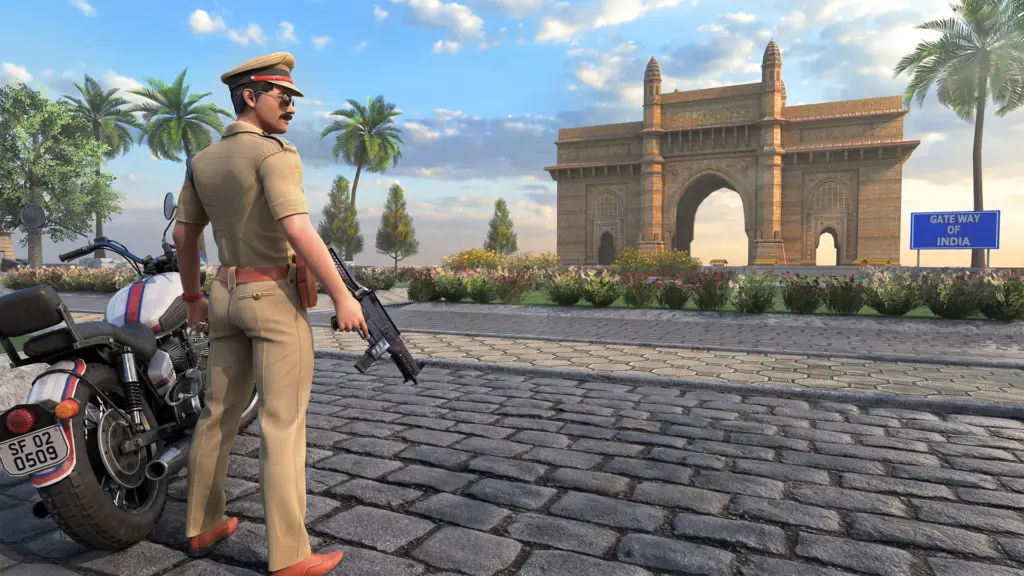
Not everything on this list needs to be prestige indie. Bengaluru studio XSQUADS Tech’s Scarfall 2.0 is a full-blooded, mobile-first battle royale that leans entirely into being unmistakably Indian, and it’s genuinely funnier and more distinctive for it. Maps include Mumbai, Goa, and the Andaman Islands, and instead of generic desert compounds you’re navigating local train platforms, rooftops, and stations for urban warfare, tropical open terrain on Andaman, and a tightly packed 8v8 warzone carved out of a scenic Goan town. Vehicles include a Chakdo and an auto-rickshaw, and yes, you can absolutely use the Mumbai local to rotate across the map, which might be the single most Mumbai sentence ever written about a video game.
Under the hood, it’s a fairly standard battle royale skeleton, squad play, ranked leagues, custom loadouts, voice chat, seasonal battle passes with names like Kaal Reborn and Ocean Kingdom, but the localisation is thorough rather than cosmetic. It’s optimised hard for budget Android hardware, which matters enormously given how much of India’s gaming population is still on entry-level phones rather than flagship devices. Scarfall isn’t reinventing the battle royale wheel, and it doesn’t need to. It’s proof that “Made in India” doesn’t have to mean prestige or mythology, sometimes it just means finally getting a battle royale map that understands what a Mumbai local train actually feels like.
Seven games, seven completely different ideas of what an Indian game can be: cartoonish co-op chaos, mythological hack-and-slash, quiet pandemic grief, Bollywood noir, punishing soulslike ambition, rhythm-driven mysticism, and battle royale localised down to the auto-rickshaw. None of these studios are chasing the same playbook, and that’s precisely the point. The industry spent two decades being defined by what it wasn’t allowed to be (a mobile ad machine, an outsourcing shop). These seven games are what it looks like when Indian developers stop asking permission and start telling their own stories on their own terms.
What’s Next for Indian Studios
If the seven games above are proof of concept, what’s coming next is proof of ambition. Three projects in particular suggest Indian development is entering a genuinely new tier, bigger budgets, bigger names attached, and a willingness to compete directly with international AAA rather than carve out a comfortable niche.
Mukti
Mukti, from Mumbai’s underDOGS Studio, is the most cinematically ambitious of the bunch. Backed by Sony’s PlayStation India Hero Project, the narrative adventure has cast real film and theatre actors, including Ahilya Bamroo and veteran M.K. Raina, shooting their performances like actual film scenes rather than relying on motion capture or traditional animation. Director and studio founder Vaibhav Chavan has been explicit that these aren’t cameo appearances, they’re meant to be the emotional backbone of the entire experience. Set for PS5 and PC with dual Hindi and English voice acting, Mukti is positioned as a test of whether India-developed narrative games can actually break through internationally rather than staying a regional curiosity. It’s a big, expensive bet on prestige storytelling, and given underDOGS’ existing reputation for narrative-driven thrillers, it’s one of the more credible ones on this list.
The Age of Bhaarat
The Age of Bhaarat is, bluntly, the loudest swing Indian gaming has ever taken. Pune-based Tara Gaming, co-founded by author Amish Tripathi and Ghost Recon Wildlands veteran Nouredine Abboud, is building what’s being pitched as India’s first genuine AAA title, a dark fantasy action-adventure reimagining the era of the Ramayana, deliberately avoiding playing as Lord Ram himself in favour of a more grounded, micro-narrative approach. The studio’s investment already stands at $20 million with a projected total cost between $60 and $70 million, and the game has crossed pre-alpha and is heading toward alpha testing. Amitabh Bachchan has joined as a co-founder and narrates the trailer, comparisons to Black Myth: Wukong are inevitable and not unwelcome, but the studio is walking a genuine tightrope: get Indian mythology wrong, even slightly, and the backlash could be brutal rather than just critical. It’s part of a broader 2026 wave of Indian studios pivoting from mobile-first development toward PC and console AAA, backed by a newly formed industry lobbying group pushing for government incentives. If it lands anywhere close to its ambitions, it changes the conversation entirely.
eCricket
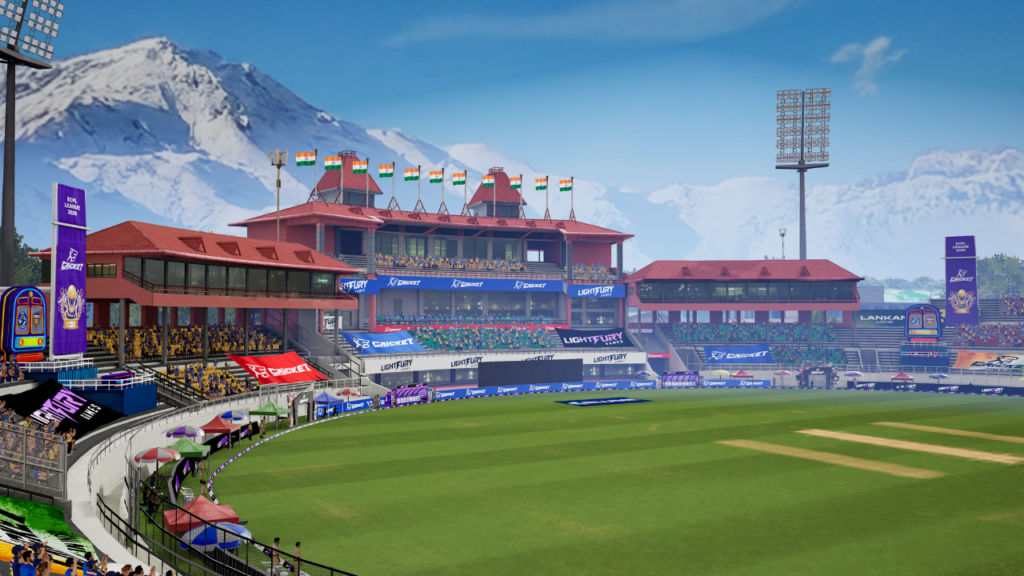
eCricket, from Bengaluru’s LightFury Games, might be the most commercially obvious bet of the three, and also the most quietly overdue. The studio raised $11 million in pre-Series A funding, with investors including Blume Ventures, Times Internet, and, remarkably, active Indian cricketers MS Dhoni, Jasprit Bumrah, Hardik Pandya, Shreyas Iyer, Ravindra Jadeja, Tilak Varma and Sai Sudharsan, all of whom are also set to appear as in-game avatars. Built in Unreal Engine 5 as a mobile-first title, eCricket is aiming to be the first genuinely AAA-quality cricket game, filling a gap that’s existed for years given how thin the licensed cricket gaming market actually is. Co-founder and CPTO Anurag Banerjee sees the project as proof of something bigger than one game. “For decades, Indian talent has helped build some of the world’s biggest games,” he told Digit. “Today, we’re proving that we can also build our own original AAA experiences from India, for players everywhere.” He’s betting that India has the engineering talent, creative depth, and storytelling heritage to become one of the world’s defining game development hubs, calling eCricket “our first canvas.”
Cricket games have historically been an afterthought internationally despite the sport’s colossal following, and LightFury is betting that authentic physics, real player likenesses, and India’s massive mobile-first audience can finally close that gap. Slated for a 2026 release, it’s less about prestige mythology and more about proving India can out-execute the world at the one sport nobody else takes seriously enough to build properly.
Taken together, these three projects represent something the Indian games industry hasn’t really had before: genuine capital, name-brand talent, and international ambition, all pointed at original IP instead of outsourced work-for-hire. Not every swing connects. But for the first time, it feels like Indian studios are actually taking the swing.


