
Fortnite is coming to Linux: Epic Games rebuilds Easy Anti-Cheat and vibe codes a new launcher
 Follow Us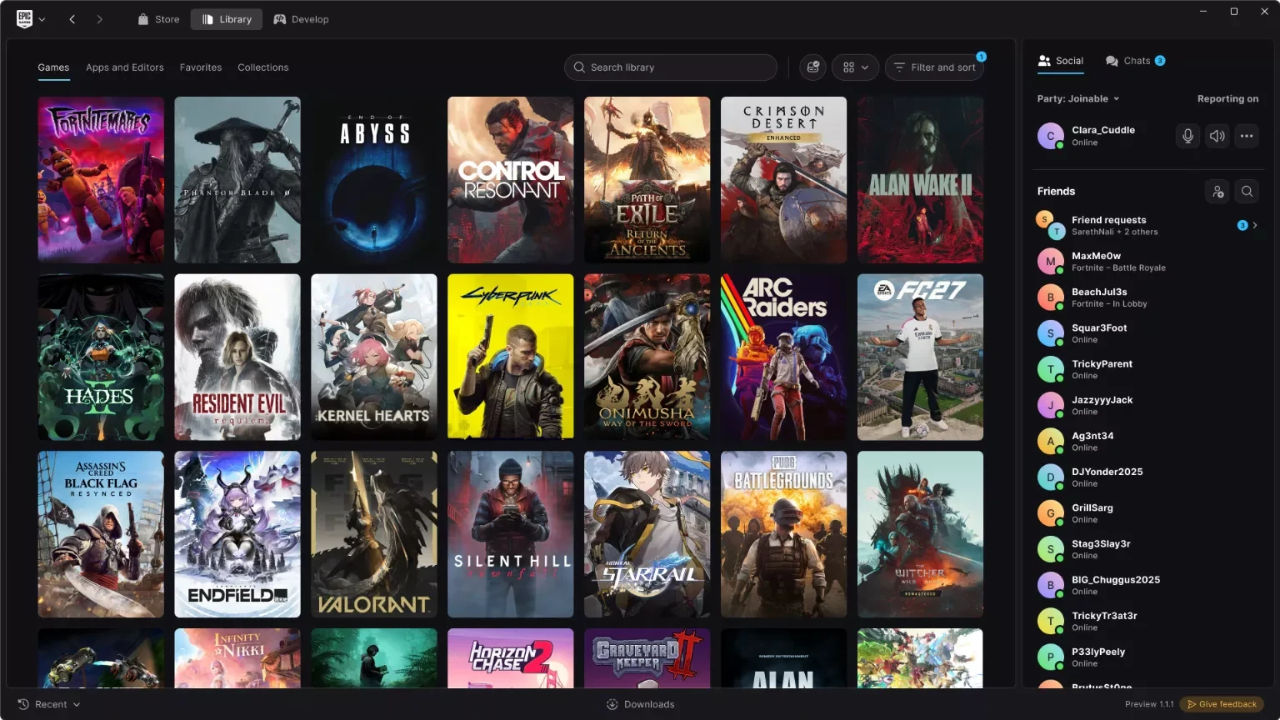

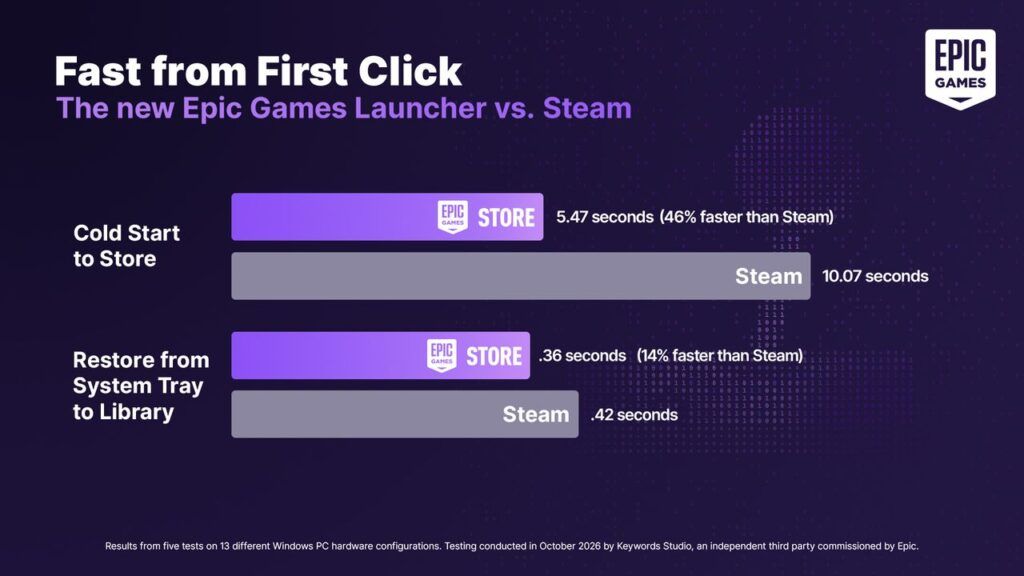
Epic Games says it vibe coded its new launcher. Some like the fact while others laugh but the fact that the support for Linux is baked into the launcher isn’t anything to joke about and neither is the complete reworking of the anti-cheat that comes with it. The Epic Games Launcher got into preview on 14 October for Windows, macOS, and Linux for the first time ever. Epic’s reasoning behind vibe coding the launcher is that programming is difficult and it is either refreshing or very expensive to say it like this. The result is fast cold boots, improved navigation and a download panel which allows to see read/write/queue activities at once. The company itself refers to this first version as “speedboat and not a yacht”. It still has a shopping cart, so this aspect is sorted out.
 Survey
Also read: International body for advanced AI: What scientists are asking for and why
Why Fortnite skipped Linux
Fortnite never ran on Linux because of anti-cheat, not the launcher. Easy Anti-Cheat supported native Linux clients since 2014 and games on Windows via Wine/Proton since 2021, but the developers must choose to support, which most did not as it would protect a smaller proportion of their audience than on Windows. Epic states that cheating has become a billion-dollar industry, and enough cheating drives players out that the game is no longer worth playing. The dream of Epic is an OS that ensures play without the risk of cheating while maintaining privacy, but it did not come through virtualisation and thus it is the temporary solution.
Linux gets rebuilt, not bent
Epic would seem to be hoping that Linux will emulate Windows. What it is actually doing is relying on Linux’s existing capabilities. EAC Linux v2 does not use any anti-cheat kernel module. Rather, it will look for a signed kernel and modules, TPM 2.0, Secure Boot with known keys, measured boot, IOMMU, kernel lockdown in integrity mode, kexec disabled and BPF LSM enabled. It will then use a systemd service and eBPF programs to monitor the game and these will only function while playing a protected game. Epic accepts that there will always be some cheats getting through. The idea is to make it too expensive to produce a cheat and therefore very few cheaters will be encountered by players.
Also read: Epic Games AI Disney game: Marvel and Star Wars are now the test case for AI made art
Who gets left out
This is where the tinkers cringe. A custom kernel doesn’t pass the test, and NVIDIA’s out-of-tree drivers require a well-known signature as well. Epic Games’ current list of keys includes support for Ubuntu and Mint, Fedora, Bazzite and other Universal Blue spins, Debian, openSUSE, SUSE Enterprise and Rocky, and Microsoft’s UEFI CA. Not all of those features are available on some of those distros or require configuration tweaks, so being on a supported distro doesn’t mean you don’t have to do any homework. For now, Steam Deck isn’t able to meet the criteria, but according to Epic, negotiations with Valve are ongoing.
The backdoors aren’t bad. Fail the test and you get an error message, not a ban. Have a separate boot option for the protected games and use your own keys in everything else. Indian gamers who recently got a new computer should have no problem with the hardware portion of the process, because Epic describes TPM 2.0 as the standard on contemporary consumer hardware.
What happens next
Epic will first trial EAC Linux v2 in Fortnite, and after it satisfies themselves that it functions properly, they will pass it to other developers. The company is also trying to court distro maintainers, including the Fedora Project’s leader Jef Spatela, who has a panel lined up for the coming year. The release date for Fortnite Linux is still pending.


