
Best Gaming PC under Rs 80,000 in August 2026
 Follow Us

This build brings AMD’s freshly launched RX 9050 into a proven Ryzen 5 5600X platform, landing at ₹81,100 for a 1080p-focused rig built around 2026’s newest entry-level silicon. It trades last-gen GPU value for a genuinely modern architecture with better ray tracing and upscaling support. Here’s what’s inside, and what this combination of new and familiar hardware delivers in real gaming performance.
 Survey
Also read: GTA 6 extended look is coming to Netflix: Take-Two CEO explains why
CPU: AMD Ryzen 5 5600X
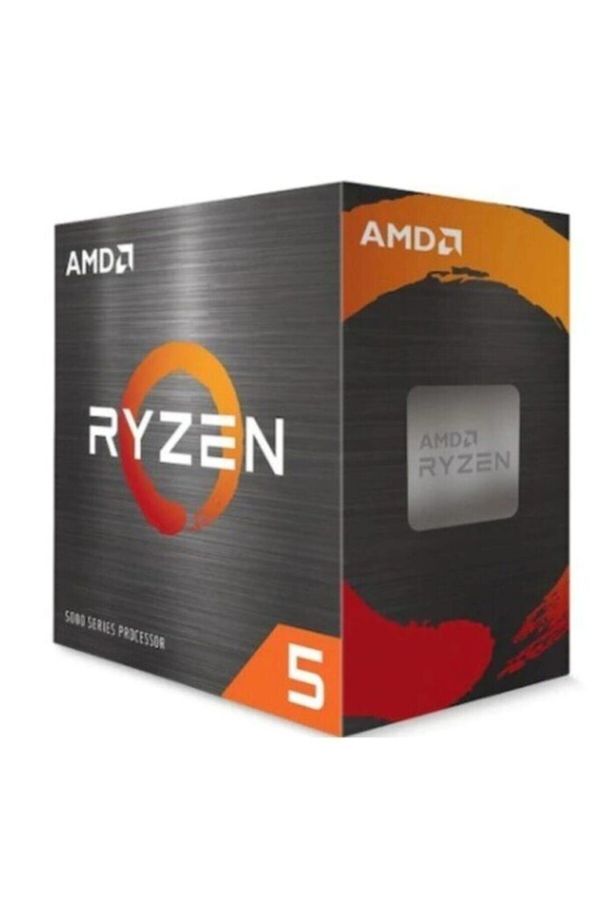
The Ryzen 5 5600X returns at ₹15,000 as the CPU anchor for this build, and it remains a smart pairing for a 1080p-focused GPU like the RX 9050. Six cores and twelve threads handle current game engines without bottlenecking, and its AM4 platform keeps costs down since the socket has matured and stabilised over several years. It doesn’t ship with a stock cooler worth relying on for sustained gaming loads, which is why this build pairs it with a dedicated air cooler rather than skipping that expense. For a build prioritising GPU spend over CPU horsepower, the 5600X continues to be the rational choice in 2026.
GPU: ASUS Dual Radeon RX 9050 8GB GDDR6
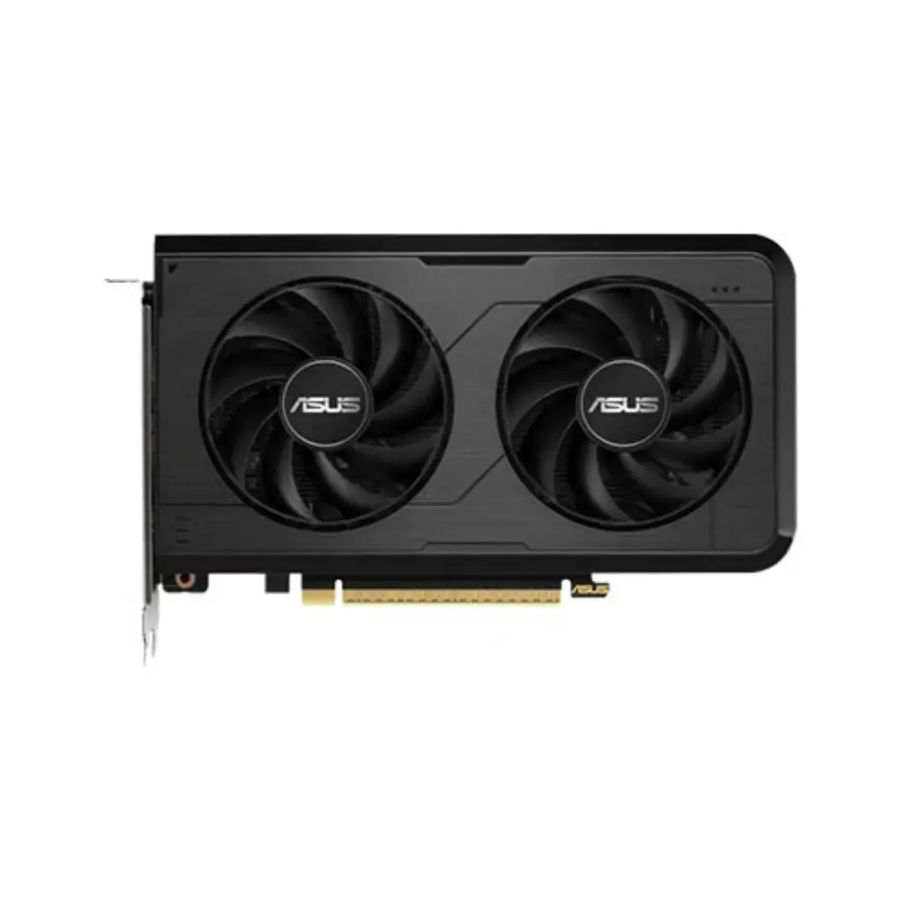
At ₹33,000, the RX 9050 is AMD’s newest entry-level RDNA 4 card, built on the same Navi 44 silicon as the pricier RX 9060 but trimmed down to 16 compute units and a modest 92W typical board power. This version carries the full 8GB GDDR6 on a 128-bit bus rather than the cut-down 4GB variant AMD reserves for prebuilt systems, which matters considerably for memory-hungry 1080p titles. It brings genuine RDNA 4 features to the table, including FSR upscaling and improved ray tracing hardware over previous AMD generations. ASUS’s Dual cooling design should keep it comfortably cool given how power-efficient this chip already is. For 1080p esports and mainstream AAA gaming, it’s a meaningfully modern choice.
Motherboard: Gigabyte B450M K DDR4
Also read: AAA open-world games are losing their charm: What went wrong along the way
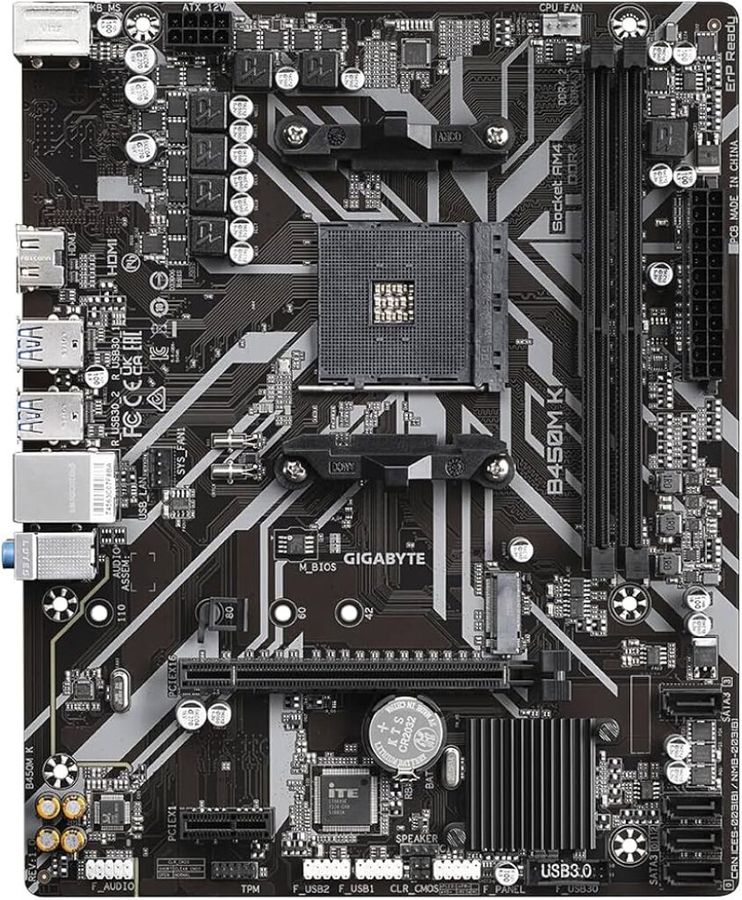
The B450M K comes in at ₹6,000, a budget-focused micro-ATX board that supports the 5600X on AM4 without unnecessary extras. B450 as a chipset has been around for years, meaning firmware and BIOS support are thoroughly mature, though buyers should update BIOS before installing a 5600X if the board isn’t already flashed for Ryzen 5000 support. It keeps DDR4 memory costs low, a meaningful saving at a time when DDR5 platforms command a real premium. For a build prioritising GPU spend, this motherboard does exactly what it needs to without inflating the budget elsewhere.
RAM: TeamGroup T-Force Elite 16GB (8GBx2) DDR4
This build runs 16GB of DDR4 across two 8GB sticks for ₹12,000, giving it proper dual-channel configuration, something that measurably helps Ryzen platforms perform at their best. TeamGroup’s T-Force Elite line is a reliable, no-frills choice that doesn’t chase RGB premiums or unnecessary clock speeds beyond what this platform can meaningfully use. Sixteen gigs remains the sensible target for a dedicated 1080p gaming build in 2026, leaving budget free for the GPU where it matters more. Multitaskers or streamers might eventually want to upgrade, but for pure gaming, this capacity is well judged.
Storage: EVM 512GB M.2 SATA SSD
At ₹7,000, this EVM SSD keeps storage costs contained, though buyers should note it’s a SATA-based M.2 drive rather than NVMe, meaning it won’t match the sequential speeds of Gen3 or Gen4 NVMe alternatives elsewhere in this price range. Five hundred and twelve gigs is tight for a modern game library, comfortably holding Windows plus two or three AAA titles before space runs short. This is the one component in the build most worth upgrading first if budget allows, either to a larger capacity or a proper NVMe drive, since game install sizes continue climbing every year.
PSU: Cooler Master MWE 450 Bronze V2
The 450W Bronze-certified MWE at ₹3,000 comfortably covers this build’s power needs, especially given how efficient the RX 9050 is at just 92W typical board power. AMD’s own recommendation for this GPU sits around 450W, making this PSU a precise rather than oversized match. Bronze efficiency keeps costs reasonable without needing a Gold-rated premium this budget doesn’t call for. It’s non-modular, so cable management inside a compact case takes a bit more patience, but power delivery stability won’t be a concern here.
CPU Cooler: Cooler Master Hyper 212 Halo ARGB
Adding ₹3,400 for a dedicated air cooler is a smart call given the 5600X’s lack of a bundled cooler, and the Hyper 212 Halo remains one of the most trusted budget air coolers in the market. It handles the 5600X’s thermal output comfortably under sustained gaming loads, and the ARGB lighting adds a visual touch without inflating the price the way liquid cooling would. This is a component worth not skipping even on a tight budget, since thermal throttling would undercut the CPU’s actual performance in longer gaming sessions.
Case: Zebronics ZIUM Mid-Tower Gaming Cabinet
Rounding off the build at ₹1,700, the Zebronics ZIUM cabinet provides basic airflow and enough room for every component here, including the air cooler and full-size GPU. It’s not chasing premium aesthetics, but mid-tower cabinets at this price point rarely need to for a build focused on gaming performance over showroom looks. Front panel connectivity and adequate case fan mounting cover the essentials without adding unnecessary cost to a build that’s already spent wisely elsewhere.
Full build summary
| Component | Model/Specification | Price (₹) |
| CPU | AMD Ryzen 5 5600X | 15,000 |
| GPU | ASUS Dual Radeon RX 9050 8GB GDDR6 | 33,000 |
| Motherboard | Gigabyte B450M K DDR4 M-ATX | 6,000 |
| RAM | TeamGroup T-Force Elite 8GB x 2 | 12,000 |
| Storage | EVM 512GB M.2 SATA SSD | 7,000 |
| PSU | Cooler Master MWE 450 Bronze V2 | 3,000 |
| CPU Cooler | Cooler Master Hyper 212 Halo ARGB CPU Air Cooler | 3,400 |
| Case | ZEBRONICS ZIUM Mid-Tower Gaming Cabinet | 1,700 |
| Total | 81,100 |
Performance Expectations
This build targets smooth 1080p gaming with a genuinely current-generation GPU architecture underpinning it. Expect 90-100fps at high settings in esports titles like Valorant and CS2, where the RX 9050’s efficient RDNA 4 design and the 5600X’s strong single-core performance work well together. In demanding AAA titles, expect 45-55fps at high settings, with AMD’s FSR upscaling providing a meaningful boost when enabled, since this card leans on software upscaling more than raw compute to hit higher frame rates. Ray tracing is technically supported but best reserved for lighter implementations, given the RX 9050’s entry-level compute budget. This isn’t a 1440p build, and stretching it there will show the GPU’s limits quickly. For buyers wanting a 1080p rig built on genuinely new hardware rather than previous-generation leftovers, this ₹81,100 build delivers a modern foundation at a fair price.
Also read: BGMI 4.5 update to offer CarryMinati theme: Here is how to play it and when it will release


