
Dolby’s Javier Foncillas: Future of cinema is in high-end experiences
 Follow Us
Dolby Vision 2 debuts on Hisense TVs, India rollout expected soon
Social media creators are Dolby's fastest-growing new ecosystem bet
Foncillas believes only high-end PLF cinemas will survive ahead

“When HDR came on the scene, people didn’t know how to view it,” says Javier Foncillas, VP, Global Commercial Partnerships at Dolby. “So we find that a lot of our partners are actually calling us: hey, can you help me deal with this new situation. Because we have this expertise in-house, people come to us to solve some of the new problems these new technologies are creating.”
 Survey
That, in a nutshell, explains the business Dolby has grown into. Far from a recognisable logo on a TV or audio feature list, Dolby’s actually a switchboard for various industries trying to enhance audio-video entertainment and its delivery mechanisms. That’s the sense I get from my conversation with Javier Foncillas during his Mumbai visit earlier this month.
When HDR launched, it was a genuinely transformative tech format but with almost no instruction manual attached, recounts Foncillas. Everyone from TV makers to broadcasters and even social media platforms had questions, something that Dolby decided to tackle head on.
“We just recently launched Dolby Vision 2,” Foncillas mentions, a sequel to Dolby Vision, which has been in the market now for close to a decade. We have the first Dolby Vision 2 TVs with Hisense,” Foncillas says. “They started rolling it out just before the FIFA World Cup 2026. We also have other TV makers like TCL and content providers working with us. So this is the beginning of a whole new phase.”
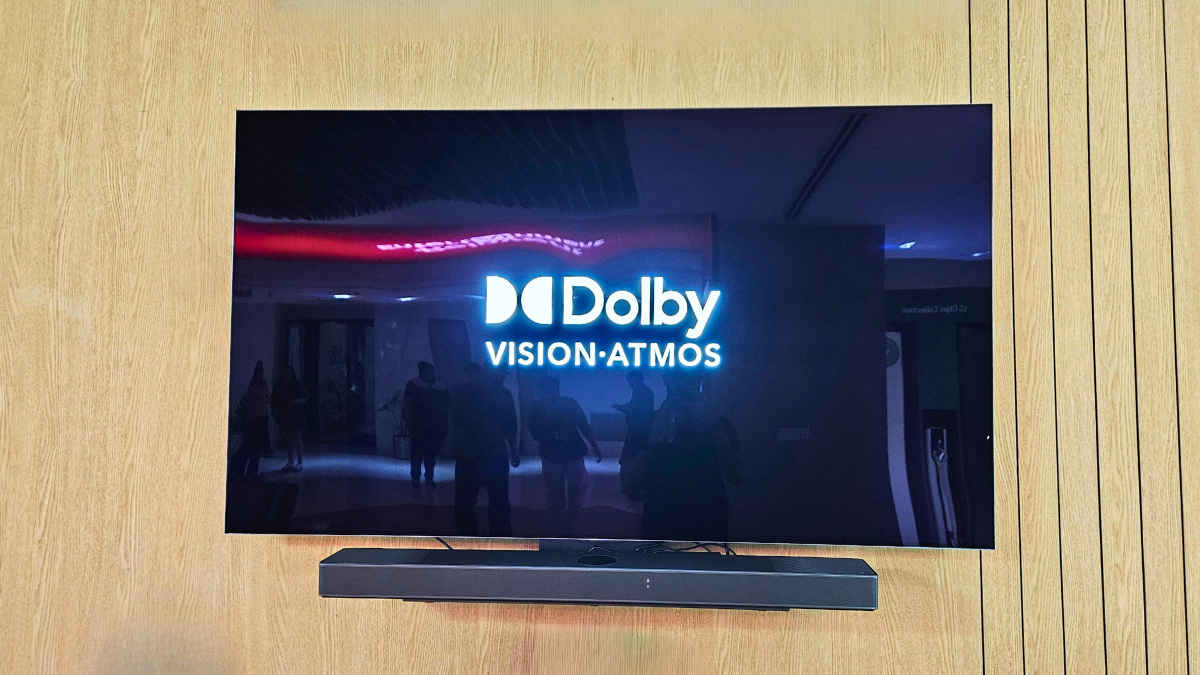
But why the two variants in Dolby Vision 2, I ask Foncillas? “We want to make the high-end TVs have a better experience, given that the panels now are brighter. But we also want to make sure that people with more mainstream TVs get a better experience,” he explains. Hence the two variants – Dolby Vision 2 Max, and one tuned for mainstream sets.
Another new tech rolling out now is Dolby Atmos FlexConnect, which solves a problem any Indian city-dweller will recognise, according to Foncillas. “The key thing about Dolby Atmos FlexConnect is the flex. Some of us are lucky that we could remodel our living room and put in speakers in the right places. Some of us are not so lucky. So where do you put the speakers?” That’s the problem FlexConnect solves for.
Dolby’s focus on the creator ecosystem
But more than TVs and audio codecs, Foncillas seems more keen on next-gen media consumption platforms that revolve around the smartphone ecosystem and beyond.
“One of the other ecosystem trends that’s very important for us is the whole social media space,” he says, without any hyperbole. “We started with the iPhone that can do Dolby Vision Capture, but then we’ve got other devices from Vivo and Xiaomi. And now we’re getting into more specialised devices like the Insta360 camera. Social media is actually one of our biggest new ecosystems.”
Here’s how Foncillas gives more insight into Dolby’s switchboard analogy. When Dolby Vision phones started to launch, users started uploading files online that social media platforms had no idea how to handle – exposing a genuine problem.
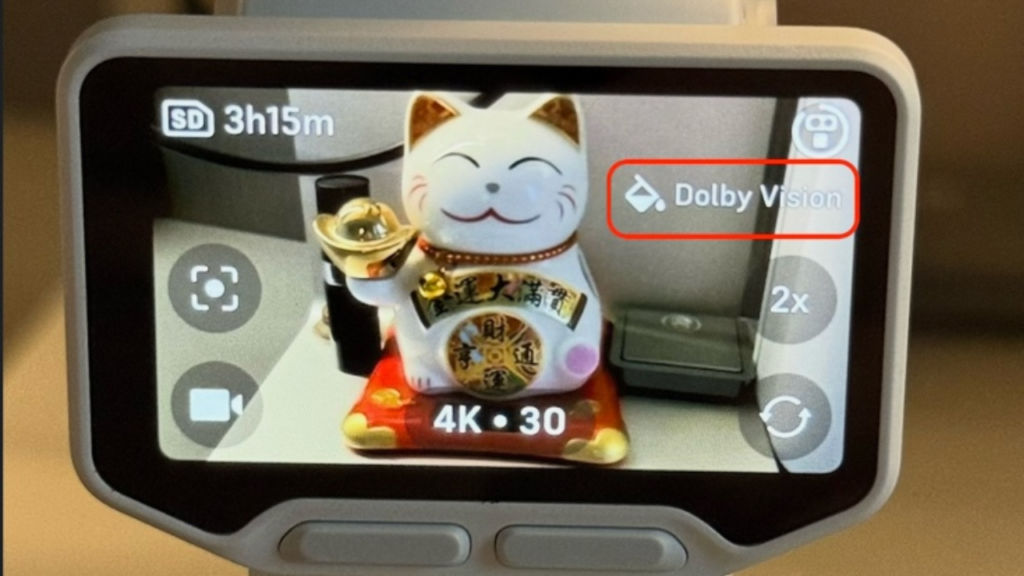
“If you take an HDR video and upload it to a social media platform, the platforms found it created a problem, because you’re scrolling and the colour, contrast, overall image quality differed from one phone to another,” Foncillas says. “It wasn’t until social media platforms started working with Dolby that they realised the HDR metadata helps them deal with all that kind of stuff. So we ended up building all kinds of tools for them.”
Beyond smartphone screens and social media plugins, smart glasses are next, says Foncillas. “Ray-Bans are a big thing for us now. We’re barely scratching the surface there,” he says. “They’re all great audio platforms, but they’re also capture devices. And some of these devices may even interact with our Dolby Atmos FlexConnect.” So there’s lots to do here, plenty to keep the folks at Dolby busy, assures Foncillas.
India is visual but also very musical in taste
I presented a theory to Foncillas during our chat. I suggest how India is a visual-first market, and Dolby found its feet here on Vision rather than Atmos. He isn’t buying it.
“I have mixed feelings about that. Movies – musical movies in India – have always been a big thing for us. So, yes, very visual, but very musical as well,” he counters. “It is true it’s a very visual country and people here love colours. It’s also a very mobile country. So that’s why I’m so energised about the potential of all this social media stuff. If people start capturing Dolby Vision videos with their phones, I think we’re going to have some incredible content.”
This characteristic is also why India increasingly exports ideas rather than importing products, according to Foncillas. “My biggest challenge is – is this great Indian idea a mainstream thing? Is it something we can use in other places?” Dolby’s automobile business here in India is proof of that, suggests Foncillas. “We never thought India was going to be a big car business for us. The reality is, in India, we’re moving super fast.”
On music, Dolby’s strong India presence has turned it into a trusted partner for big tech companies sitting in the US. “People sitting in Seattle or in California – when you look at things through a magnifying glass that are really far away, everything looks small. Because we’ve got a great team here on the ground, we find a lot of times we’re like their consultants. Our partners know that when something happens in India, Dolby can be an enabler for companies like Amazon, Apple and Spotify, among others.”
Future of cinema in India and the world
As our conversation nears its end, Foncillas makes some interesting predictions on how Dolby sees the shift in mass entertainment consumption and the future of cinema.
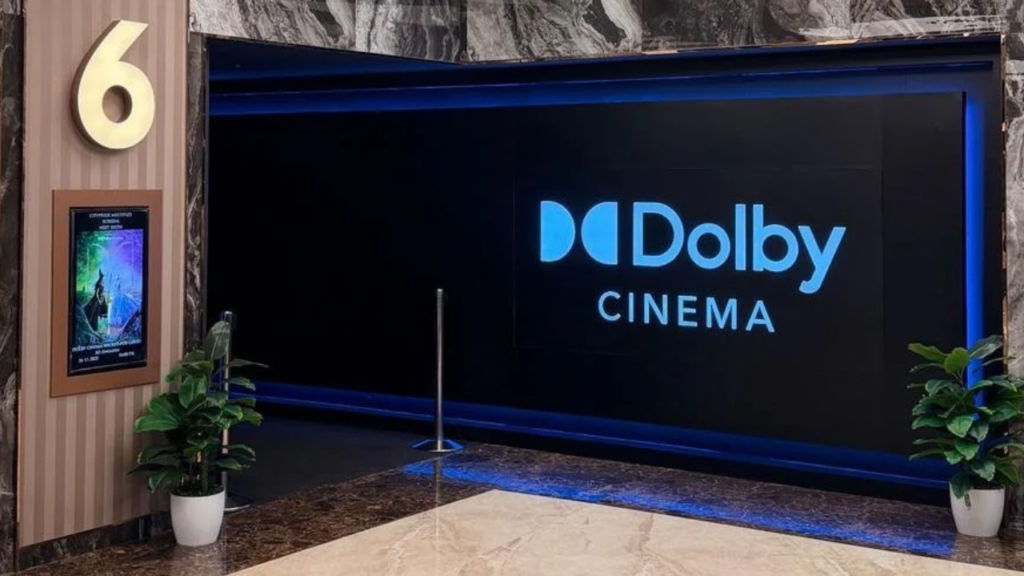
“I actually think the future of cinema is in those high-end experiences, because the home experience is getting so good that if you’re just going to go to a rundown cinema, you might as well just watch it at home,” Foncillas argues. “The lower-end cinemas probably are going to have a harder time, but the high end – what the cinema industry calls the PLFs, the premium large formats – I think that’s where the industry is going.”
Foncillas also believes that India is bucking the post-pandemic slump. Proof of that is clear in Dolby recently announcing 30 new screens here. Indian movie-goers are increasingly choosing premium cinema experiences to justify going to the movies, as Foncillas and Dolby indicate.
Also read: Dolby Vision 2 promises brighter and more precise HDR, but what does it mean for Indian TV market?


