Microsoft is testing yet another new feature for its AI assistant, Copilot, which will give the chatbot a human-like face during conversations.
The feature, known as Portraits, is reportedly being rolled out to users in the United States, United Kingdom, and Canada via Copilot Labs.
Portraits allow users to select from 40 AI-generated avatars that respond in real time with facial expressions, head movements, and lip sync.
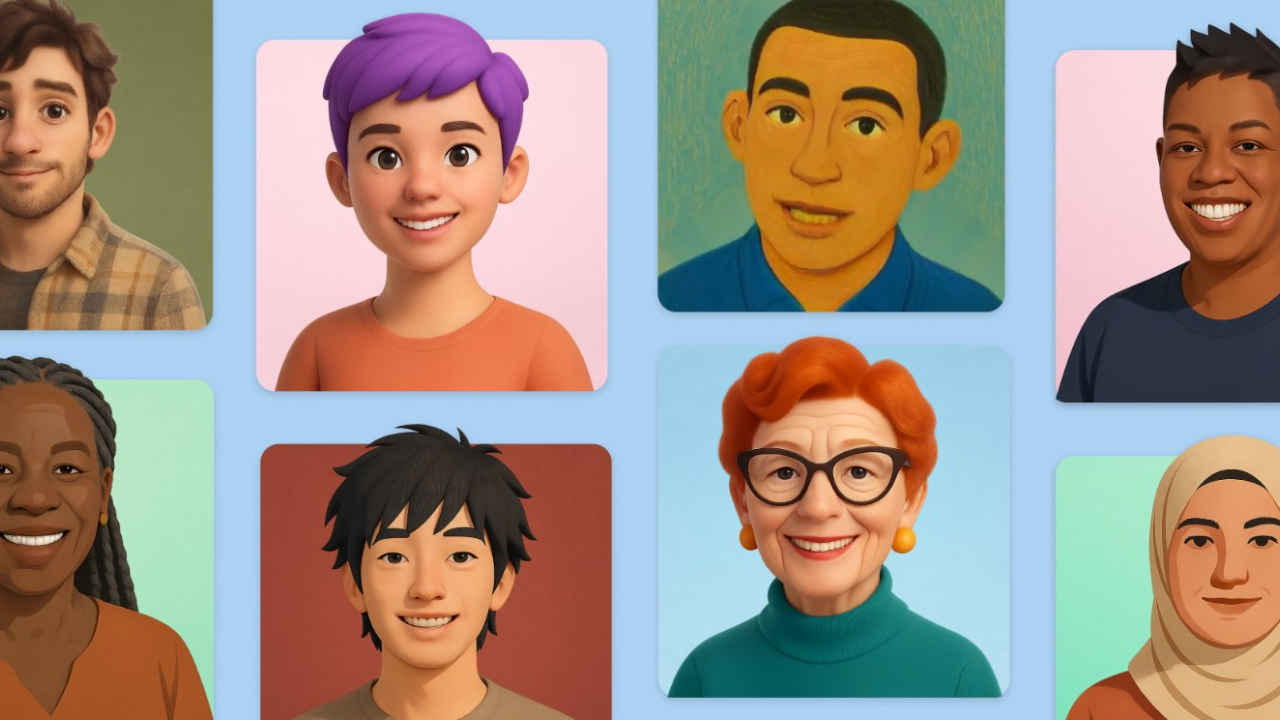
Microsoft is currently testing yet another new feature for its AI assistant, Copilot, which will give the chatbot a human-like face during conversations. The feature, known as Portraits, is reportedly being rolled out to users in the United States, United Kingdom, and Canada via Copilot Labs.
 Survey
Portraits allow users to select from 40 AI-generated avatars that respond in real time with facial expressions, head movements, and lip sync. The avatars can also be paired with various voices, making voice-based interactions with Copilot feel more natural than plain text responses.


Mustafa Suleyman, CEO of Microsoft AI, announced the launch on X, stating that the company created Portraits in response to user feedback indicating that they preferred speaking to a face rather than a disembodied voice.
This system is powered by Microsoft’s VASA-1 technology, a research tool that can create lifelike expressions and animations from a single image without the need for complex 3D modelling. According to the company, the avatars are deliberately stylised rather than photorealistic in order to strike a balance between realism and safety.
Also read: Nothing unveils Essential AI platform that lets you create personalised apps: Check details
This is not the first time the company has attempted to give Copilot a more approachable image. In July, Microsoft introduced Copilot Appearances, which used cartoon-like blobs. Portraits, on the other hand, tend to use avatars that are more human-like.
The announcement comes as competitors such as X (formerly Twitter) promote similar features, such as 3D avatars for its Grok chatbot, some of which serve as AI companions with controversial modes. Microsoft, on the other hand, is taking a more cautious approach: Portraits are only available to a subset of adult users, with daily usage limits and clear on-screen indicators that remind users they are interacting with AI.
 Follow Us
Ashish Singh
Ashish Singh is the Chief Copy Editor at Digit. He's been wrangling tech jargon since 2020 (Times Internet, Jagran English '22). When not policing commas, he's likely fueling his gadget habit with coffee, strategising his next virtual race, or plotting a road trip to test the latest in-car tech. He speaks fluent Geek. View Full Profile


