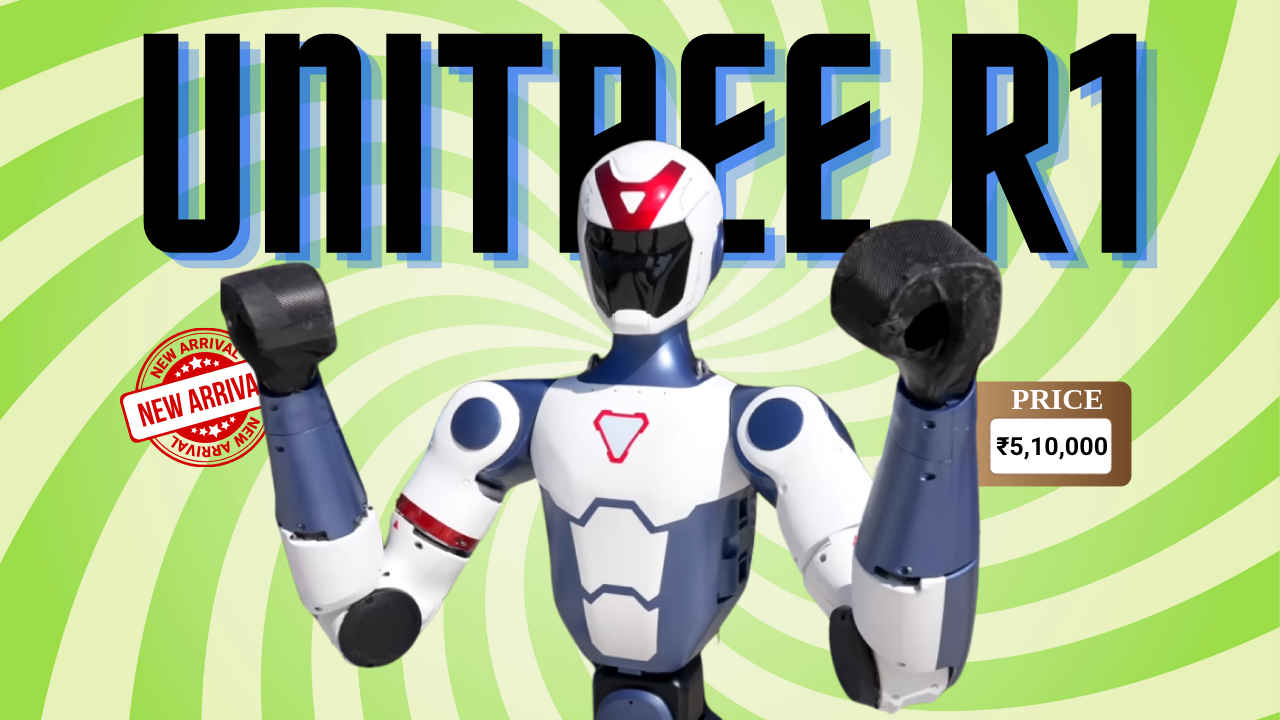
Unitree R1 is the world's first sub-$6,000 super affordable humanoid robot
The R1 is designed for home use with real-time AI interaction
It may start cultural shift toward everyday human-robot existence
There’s a high probability that when we look back at July 2025 in the future, it might well be remembered as the tipping point when we stopped wondering when robots will enter our homes, and started asking where we plug them in and planning our lives surrounded by them.
 Survey
Because Unitree Robotics – best known until now for its affordable quadruped bots that look like Boston Dynamics’ athletic cousins – just dropped a humanoid robot named the Unitree R1. And while it’s definitely far from cheap, it finally comes at a price point that pushes the dream of a real household robot from science fiction into “maybe we’ll budget for it next year” territory.


Also read: Amazon to soon deliver packages using humanoid robots: Here’s what we know
How much exactly? Just under $6,000 (or approximately ₹5.1 lakh). For context, that’s what you’d pay for roughly three Samsung Galaxy Z Fold 7s, a few more flagship iPhones, just a bit more than a single maxed-out Alienware 16 Area-51 gaming laptop, or a 15-day European vacation – where all you talk about is how humanoid robots might take your job (or do your laundry). In that sense, yes, the Unitree R1 is the world’s most affordable humanoid robot right now.
Unitree R1 isn’t a toy robot
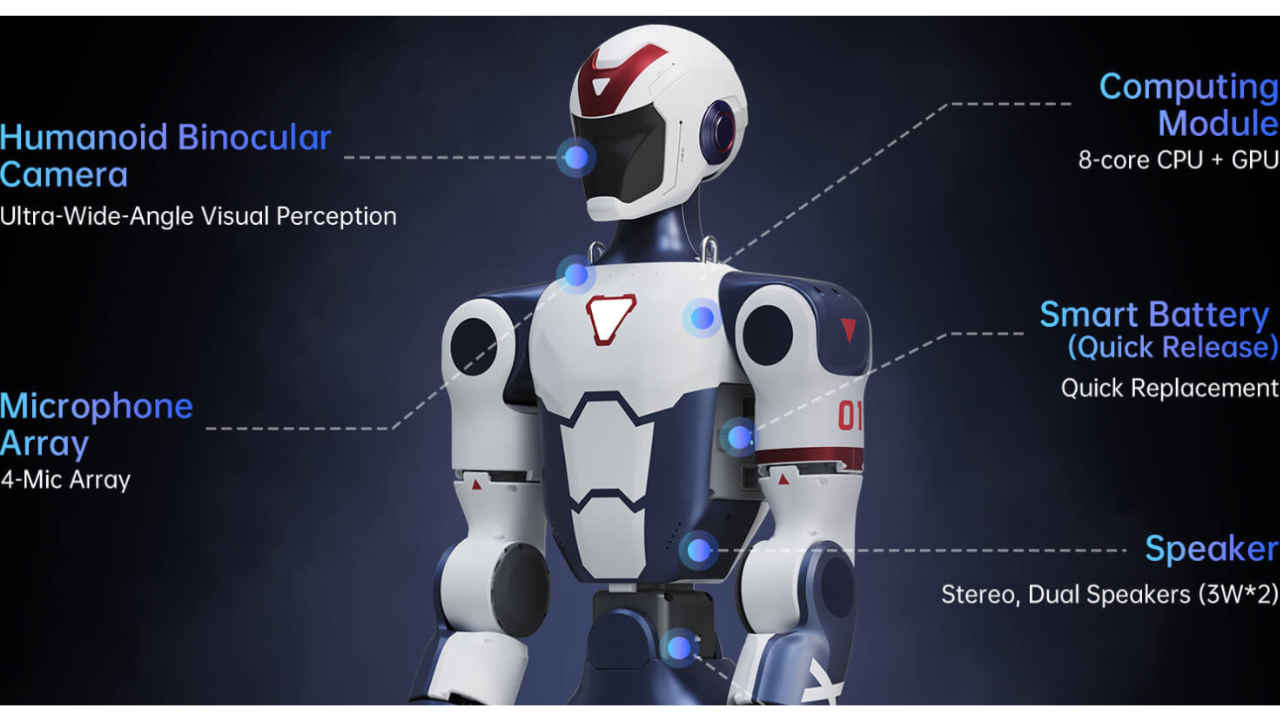
When you contemplate on it a bit more, that price tag doesn’t seem so outrageous when you look under the hood. We’re talking about a 25kg, 165cm-tall humanoid that walks, runs, does handstands, maps its surroundings in 3D, responds to voice commands, and – crucially – ships with an open SDK so developers can teach it new tricks. It’s not some clunky “mechanoid” you keep in the garage. This thing is made to live with you.
Also read: From AI agents to humanoid robots: Top AI trends for 2025
What makes the Unitree R1 a potential pivotal moment isn’t just its capabilities, impressive as they seem to be on paper – and the company’s promo video. It’s the fact that for the first time, a fully articulated humanoid robot with 26 degrees of freedom, real-time visual processing, conversational AI, and developer support is entering the ultra-premium consumer space – not just university labs or factory floors.
For years, we’ve seen tech demos of robots that fold laundry, do parkour, or carry boxes in warehouses. But the fine print always read that they weren’t for consumer use – partly because they were one-offs, and mostly because they cost as much as an expensive SUV or more. Even the much-hyped Tesla Optimus, which isn’t expected to go into production until 2026, is gunning for a $30,000+ price point (₹25.9 lakh). And Boston Dynamics’ electric Atlas? Gorgeous moves, absurd price of $100,000 (₹86.5 lakh), for research / industrial use, zero consumer availability until at least 2028.
Unitree’s R1 is the first humanoid robot to break that mold, as it’s made for end users, priced for prosumer adoption (for now), and built with the flexibility to grow.
Imagine your life with a humanoid robot
So, let’s dream a little, and ask yourself –:what would you actually do with a humanoid robot in your home? In your life?
Imagine your morning routine. You wake up groggy, coffee not yet brewed. R1’s already detected movement and started prepping your French press. It hands you your glasses, reads out your schedule, and reminds you of expected heavy rains in the evening. All of this with the fluid movement of something designed to live in human spaces, a bit like Rosey from The Jetsons (which I saw as a kid growing up in the ‘80s and ‘90s).
Also read: India’s first humanoid robot to debut in 2025 by Mukesh Ambani-backed Addverb
It could be your kid’s homework buddy, answering geography questions while teaching a bit of coding on the side. It could help grandma fetch a medicine bottle from the top shelf. Or yes, let’s indulge the fantasy – it could bust out a somersault when your friends come over, just to remind everyone that you live in the future.
But perhaps most importantly, it gives us a way to prototype and experiment with the ethics, etiquette, and expectations of sharing our spaces with intelligent machines. Because, I don’t think the hardware is the hard part anymore – as Boston Dynamics, Tesla, and now Unitree have demonstrated. It’s the culture that needs catching up. More than the humanoid robots adjusting to us, we need to adjust to them.
Not for everyone… yet
At ₹5.1 lakh in India (assuming import and taxes allow it in at all), this isn’t mass-market, of course. It’s a bold experiment targeted at researchers, developers, and early adopters. The use case today isn’t flipping burgers or babysitting toddlers – it’s largely about affordable exploration.
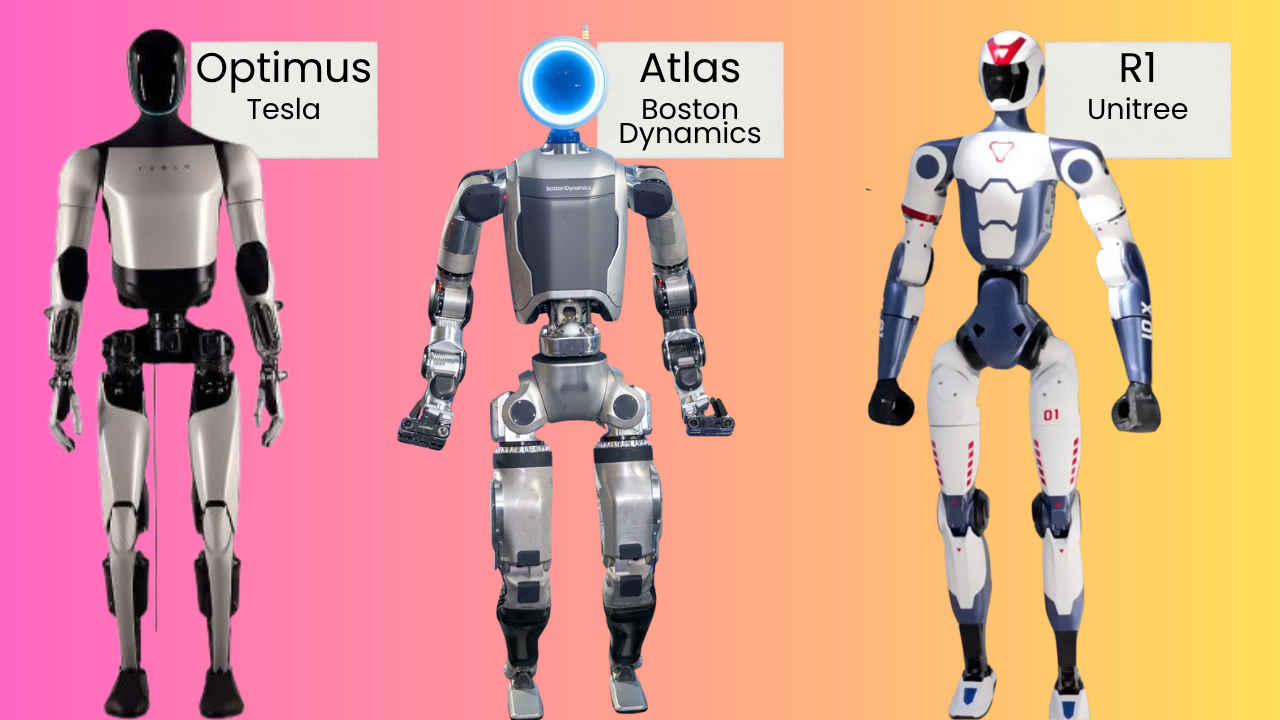
But let’s not understate the leap this represents. Compared to previous humanoid robots that cost north of $20,000 – or $100,000 in the case of Atlas – the R1 is a price disruption akin to when Xiaomi launched the ₹9,999 Redmi and suddenly smartphones weren’t a luxury anymore.
Also read: Apple and Meta reportedly developing AI-powered humanoids but launch may take years
Unitree is taking a loss-leader approach to democratize robotics. And whether the company nails the product roadmap or not, it’s definitely lit a spark. Once people have real robots in their apartments and dorm rooms – not just Roombas or smart speakers, but bipedal companions with arms and eyes and semi-personality – we’ll start building a new layer of digital-human interaction. It’s one thing to talk about the “embodied AI revolution” in theory. It’s another to have it bring you your morning coffee while you’re still in bed.
Ultimately, what excites me most about the R1 isn’t what it can do right now, but how it makes me imagine the possibilities. Not careless flights of fancy, but real, grounded workflows. Of course, the Unitree R1 is far from perfect. It’s not folding your laundry just yet, and it’s unlikely to recite Gandalf’s monologues from Tolkien’s books. But it’s real. You can order one. And that alone is a significant cultural threshold we just crossed.
I’m not saying everyone needs one today. I’m just saying that for the first time it’s not crazy to start thinking about where the robot should sleep. Standing straight, to save space. Near the router, probably. Better Wi-Fi.
Also read: OpenAI CEO Sam Altman says humanoid robots will claim jobs: 5 such wild claims by tech CEOs
 Follow Us
Jayesh Shinde
Executive Editor at Digit. Technology journalist since Jan 2008, with stints at Indiatimes.com and PCWorld.in. Enthusiastic dad, reluctant traveler, weekend gamer, LOTR nerd, pseudo bon vivant. View Full Profile


